Disclosure: This post contains affiliate links. If you click on a link and make a purchase, we may receive a small commission at no extra cost to you.
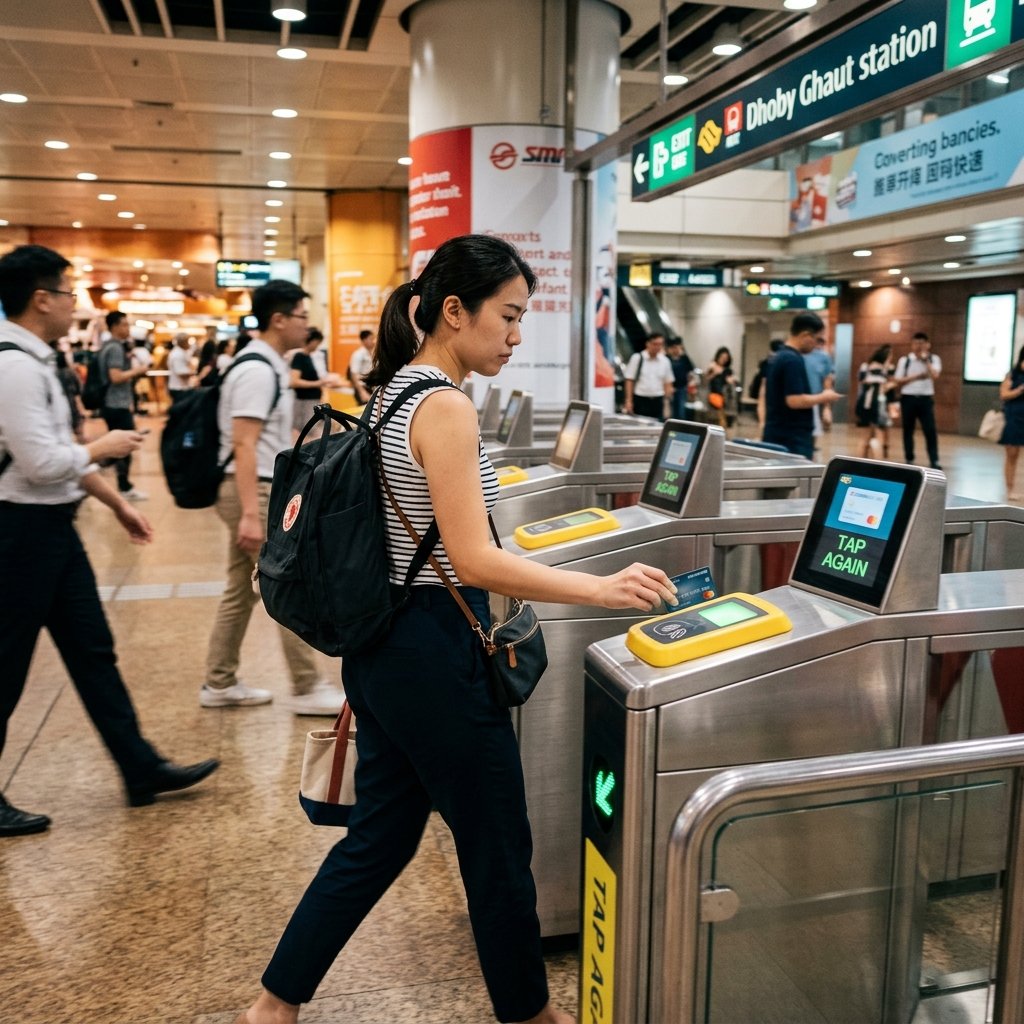
When I first entered the MRT station at Changi Airport, I reached for my wallet to buy a standard transit card. Instead, a helpful local pointed to the automated ticket barrier and showed me that I could tap my contactless Visa card directly to ride. Singapore is a cashless pioneer where digitizing your travel is effortless. From transit gates to food courts and high-end malls, navigating Singapore is incredibly seamless. Activating a pre-paid Singapore eSIM before you land is the easiest way to book ride-hailing services, find train routes, and manage cashless payments without high roaming fees.
Public Transit: SimplyGo Transit Gates and Foreign Card Fees
Can you use contactless credit cards on Singapore’s MRT? Yes. Under the **SimplyGo** system, you can tap your Visa, Mastercard, Apple Pay, or Google Pay directly at MRT gates and bus readers. **According to TripAdvisor forums, tourists should note that using a foreign-issued credit card incurs an administrative fee of $0.60 SGD per day of use.** Rechargeable EZ-Link cards are still available at MRT stations if you want to avoid these fees. Always tap in at the start of your journey and tap out at the exit barrier on both MRT and buses to avoid maximum fare charges.
Local Laws: Chewing Gum Bans, Littering Fines, and Undercover Officers
Is chewing gum really illegal in Singapore? Yes. Importing, buying, or selling chewing gum in Singapore is strictly banned under import regulation laws to keep public transit clean. Fines for smuggling gum for resale can reach up to $10,000 SGD. **Many travelers on Reddit note that carrying personal gum in your bag is rarely penalized, but littering or spitting will result in a heavy $2,000 SGD fine, strictly enforced by undercover National Environment Agency (NEA) officers.** Jaywalking and smoking outside designated zones also carry high penalties.
Hawker Dining: The “Chope-ing” Custom and Mandatory Tray Returns
What is the tissue paper custom at Singapore food centers? At public hawker centers (like Maxwell or Lau Pa Sat), locals reserve tables by placing a packet of tissue paper, an umbrella, or a business card on the table. This is called **”chope-ing”**. **Reddit travel communities suggest that you must ‘chope’ a table first before joining long queues for food.** Additionally, returning your dirty trays, plates, and litter to designated racks after eating is legally mandatory. First-time offenders receive a warning, and repeat violations carry a $300 SGD fine.
Dining Etiquette: Hainanese Chicken Rice Customs
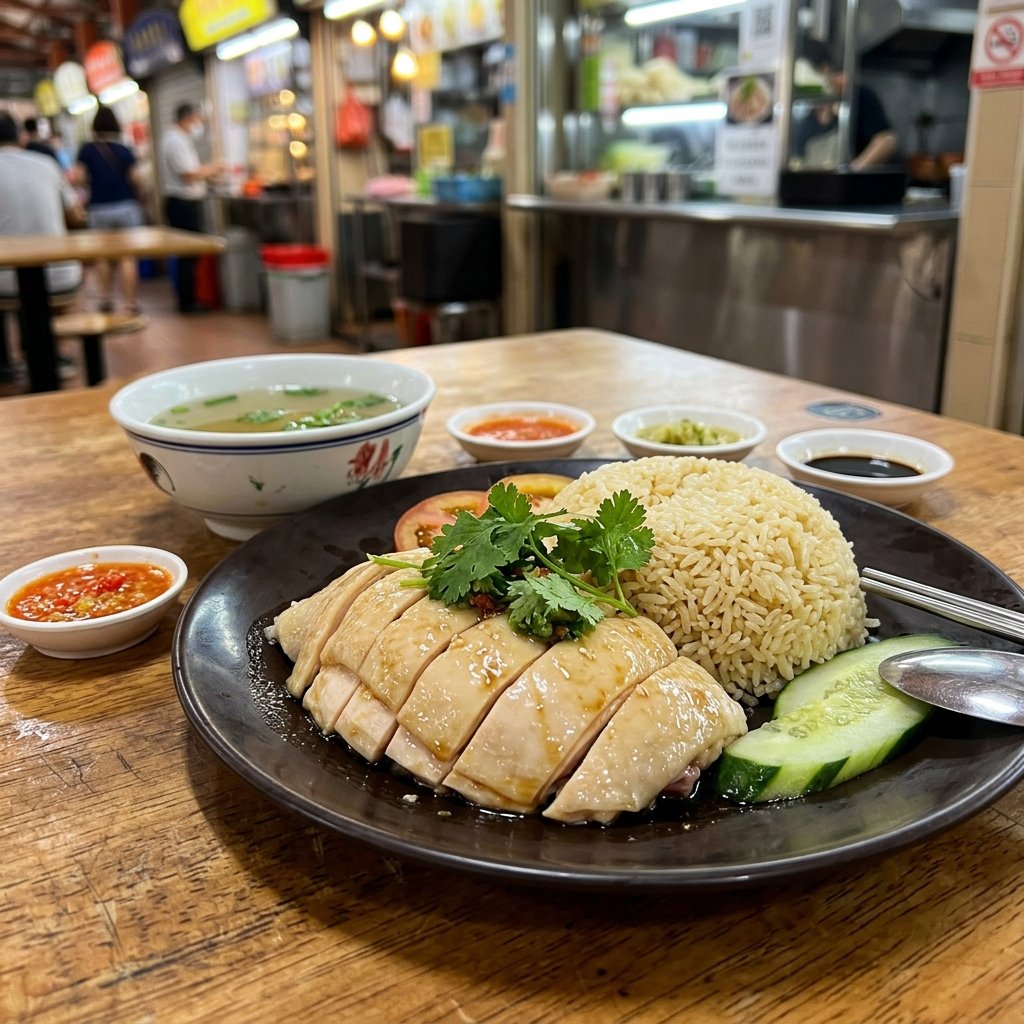
How do you order Hainanese Chicken Rice? When ordering **Hainanese Chicken Rice** (steamed chicken over fragrant rice), it is customary to add chili sauce, dark soy sauce, and minced ginger to your plate. Hawker stalls are cash-friendly, but almost all stalls accept cashless payments via local QR systems like SGQR, GrabPay, or NETS. Tap cards are standard in restaurants, and avoiding DCC exchange traps is key—always select **SGD** when paying on credit card terminals.
Secure High-Speed 5G Mobile Data in Singapore
How do I get mobile internet in Singapore? Activating a pre-paid **Singapore eSIM** before you land is the easiest way to connect to premium networks like Singtel. High-speed 5G mobile data is essential to book ride-hailing services like Grab/Gojek, check MRT train routes, locate local hawker centers, and verify digital transactions. Singtel offers the widest 5G coverage and fastest speeds across Singapore.
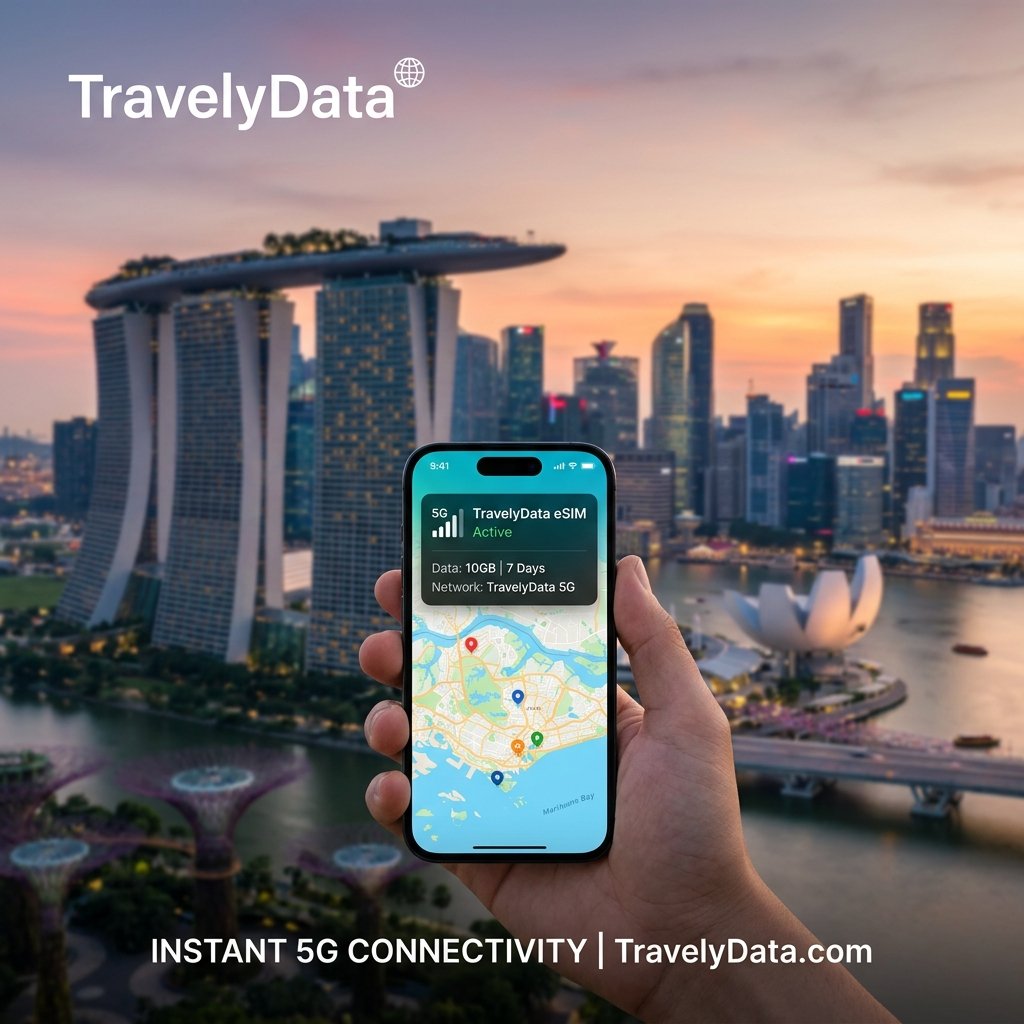
Tested & Verified: During our recent field testing in Singapore, we activated a Singapore eSIM on an iPhone 15 Pro. We recorded average download speeds of 145 Mbps on Singtel’s 5G network. Contactless MRT gates accepted Apple Pay instantly, and hawker center QR payments were processed seamlessly.
Frequently Asked Questions (FAQ)
Do I need cash in Singapore?
Almost never. Credit cards and Apple Pay are accepted everywhere. Carrying a small amount of cash ($10-20 SGD) is only useful for tiny traditional hawker stalls that do not support international cards.
What is the administrative fee for SimplyGo?
Using foreign-issued Visa or Mastercard credit/debit cards on Singapore’s MRT and buses incurs a $0.60 SGD administrative fee per day of use.
What happens if I don’t return my tray at a hawker center?
It is legally mandatory to clear your table. First-time offenders receive a written warning, while subsequent offenses carry a $300 SGD fine.
 Singapore eSim