Disclosure: This post contains affiliate links. If you click a link and make a purchase, we may receive a small commission at no extra cost to you.
My first hour in Seoul was a masterclass in travel humiliation. I had just stepped off the Airport Railroad Express at Seoul Station, hauling a suitcase that felt like it was packed with lead. I did what any modern traveler does: opened Google Maps, typed in my guesthouse address in Myeongdong, and waited for the familiar blue line to guide me. Instead, my blue dot sat frozen, floating aimlessly over a grey grid. No walking directions, no transit routes, just a static map that looked like a video game that had failed to load. Convinced my phone was broken, I walked into a convenience store to buy a bottle of banana milk and try to reset my connection. I confidently tapped my phone to use Apple Pay. The cashier stared at me, shook her head, and pointed to a sign in Korean. The card terminal blinked back at me blankly. I had no cash, no working map, and no idea how to get to my bed. It was my introduction to the unique digital and cultural ecosystem of South Korea. To keep your maps running and translation apps active the moment you land, setting up a South Korea eSIM is the smartest preparation you can make.
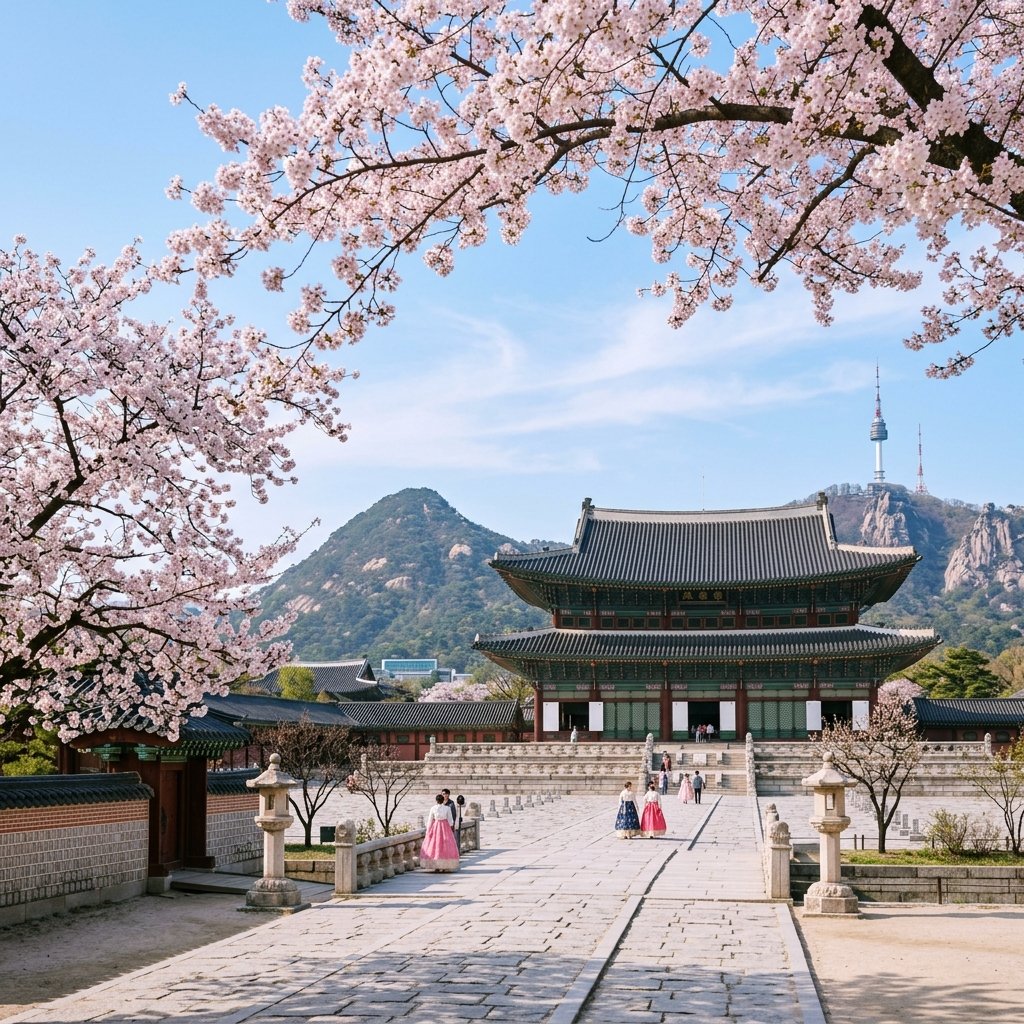
South Korea is one of the most technologically advanced nations on earth, yet it operates on a digital and cultural ecosystem that is completely isolated from the rest of the world. What works in Europe, North America, or even neighboring Japan will frequently fail you here. To survive and thrive in the Land of the Morning Calm, you need to throw out your standard travel playbook. Navigating the country like an experienced traveler requires stepping past standard tourist assumptions and learning how things actually work on the ground.
Navigating the digital barricades and local map apps
Due to national security laws dating back to the Korean War, South Korea restricts the export of high-resolution mapping data to foreign companies. Because Google refuses to store its mapping data on servers located inside South Korea, Google Maps is functionally useless here. It cannot give you walking directions, its transit times are frequently outdated, and half the streets appear as empty space. If you try to navigate Seoul, Busan, or Jeju using Google Maps, you will end up lost, frustrated, and walking in circles.
To navigate like a local, you must download two apps before you clear customs: Naver Map or KakaoMap. Naver Map is generally preferred by English-speaking travelers for its cleaner interface, while KakaoMap is incredibly precise for bus schedules. However, searching for locations in English on these apps can still be a headache. A search for a major historical palace might yield zero results if you type the full English name. To bypass this, download Papago, the translation app created by Naver. Papago handles Korean-English translations far better than Google Translate. Copy the exact Korean address of your destination from Papago, paste it into Naver Map, and you will get pinpoint walking and transit directions down to the exact subway exit and bus arrival second.
Subway cards, Climate passes, and the credit card divide
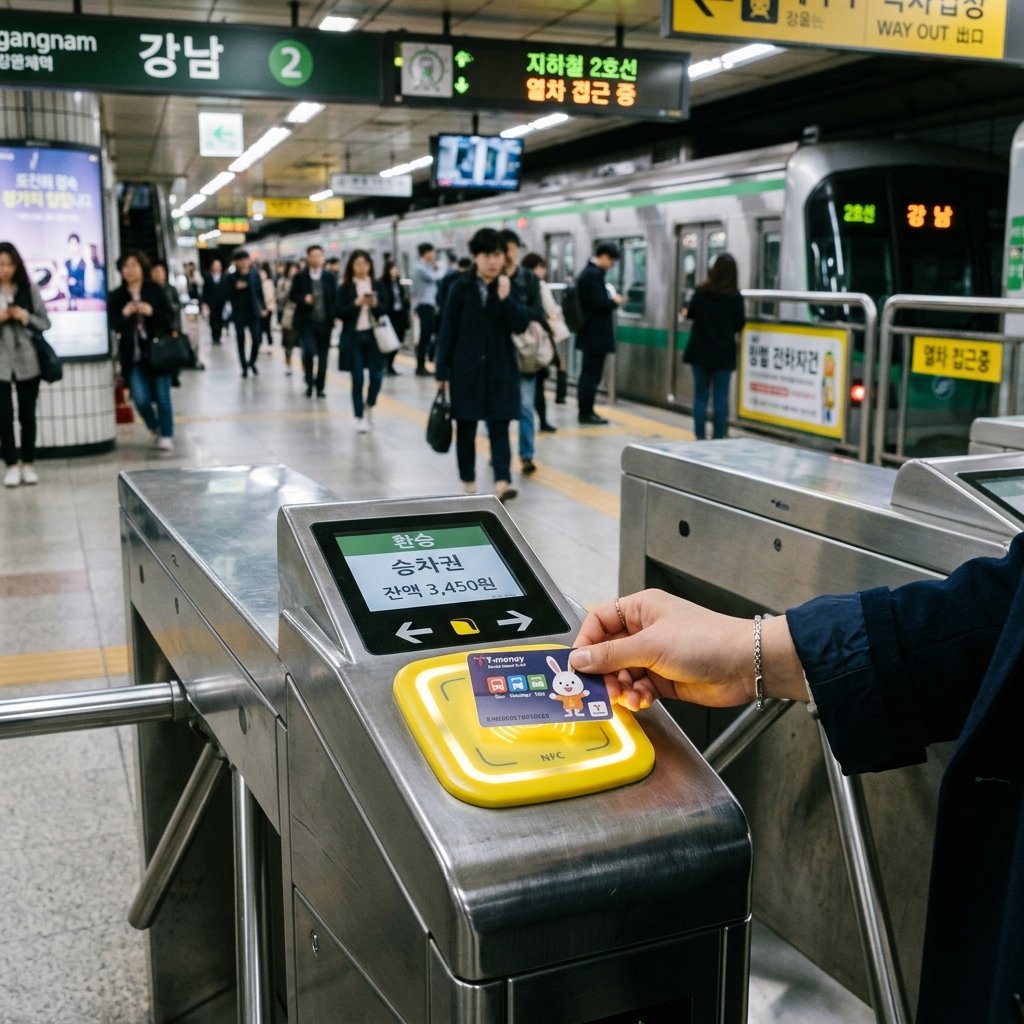
Navigating the sprawling subway systems of Seoul and Busan is incredibly cheap and efficient, but you need the right plastic in your wallet. The standard transit card is the T-money card. You can buy a T-money card at any convenience store, customize it with cute designs, and use it nationwide on subways, city buses, and even in taxis. The massive catch is that you can only top up your T-money card with physical cash at convenience stores or ticket machines inside subway stations. International credit cards are completely useless for topping up T-money, and you cannot use contactless wallets at the subway turnstiles.
If you are planning to spend most of your time in the capital, the Seoul Climate Card is a game-changer. This card offers unlimited rides on Seoul’s subways, public buses, and even the public bicycles for a flat fee. Unlike the T-money card, the Seoul Climate Card can be topped up at station kiosks using international credit cards, saving you the hassle of constantly hunting for ATMs to withdraw cash just to ride the subway. Keep in mind that the Climate Card only covers journeys within the Seoul metropolitan area; if you take the subway out to Incheon or take a train down to Busan, you will need to switch back to a T-money card or buy a separate ticket. Do not go completely cashless. You will need physical Korean Won for topping up your transit cards, buying street food at traditional markets, and shopping at underground subway shopping centers where cash payments often secure discounts.
The art of the two-hand gesture and seniority rules
In South Korean society, hierarchy and respect are woven into the smallest daily interactions. One of the most important non-verbal cues you must master is the two-hand rule. Whenever you are giving or receiving something—whether it is a credit card when paying for dinner, a business card, a gift, or even pouring a drink—you should use both hands. Using only one hand to hand a card to a cashier or to receive a plate of food can make you look dismissive or ill-mannered. To perform this correctly, hold the object with your right hand, and gently place your left hand under your right wrist, forearm, or elbow as a support. If the person you are interacting with is of a similar age or younger, you can place your left hand over your chest. Along with using two hands, a slight nod of the head or a soft bow shows that you acknowledge the transaction with respect.
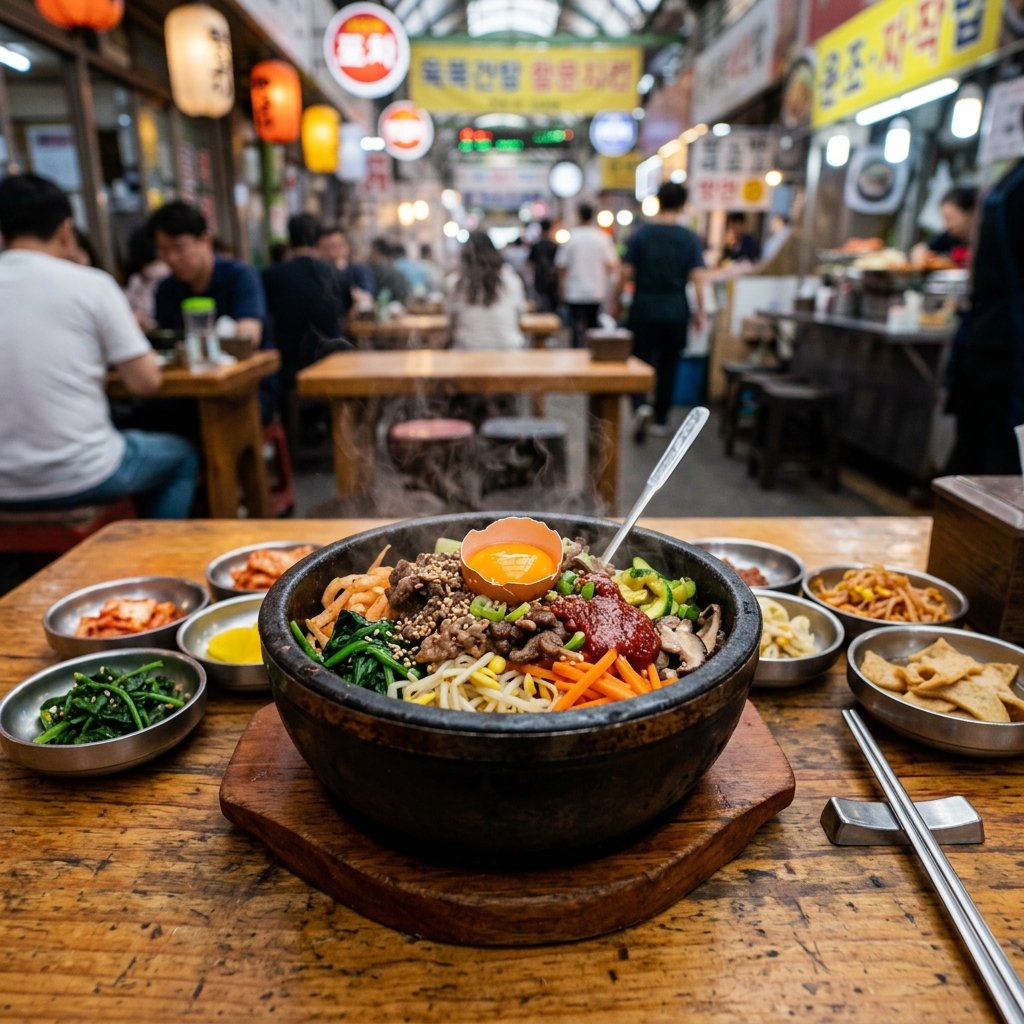
Meal times in South Korea are highly social, communal, and heavily structured around respect for seniority. Age dictates the flow of the entire dining experience. When you sit down for a meal with locals, never pick up your utensils or start eating until the oldest person at the table has taken their first bite. Additionally, pay attention to how you handle your tableware. Unlike in neighboring Japan or China, it is considered poor manners to lift your rice or soup bowl off the table while eating. Keep the bowl flat on the table and use your long-handled spoon to eat the rice and soup, and your metal chopsticks for the side dishes. When pouring drinks, never fill your own glass; pour for others first, using the two-hand rule. If an elder pours a drink for you, accept it with both hands, and when taking a sip, turn your head slightly away from them so you are not drinking directly in their line of sight.
Temple stays, sauna bans, and active border zones
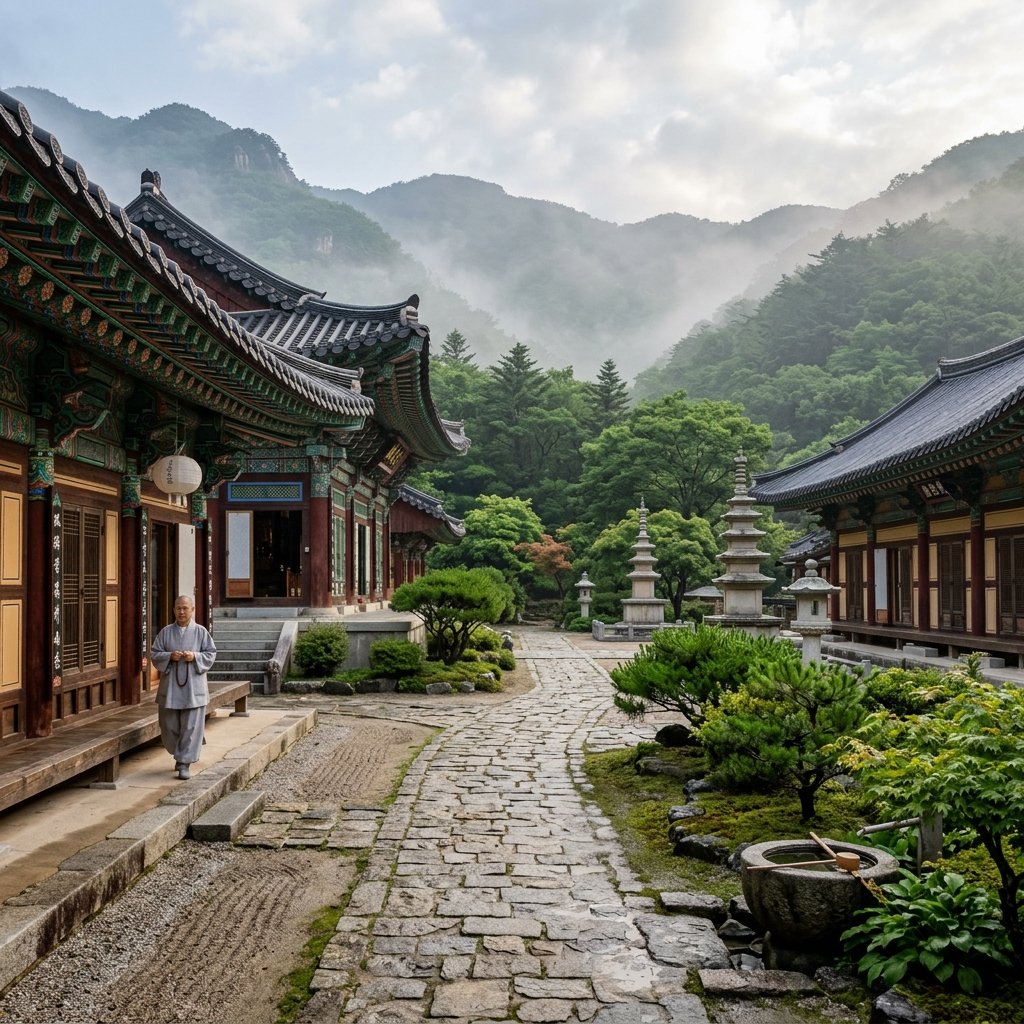
To truly escape the neon-drenched chaos of Seoul, seek out a temple stay. Many historic Buddhist temples open their doors to travelers for overnight stays. This is not a luxury hotel experience; it is an immersive dive into monastic life. You will sleep on a thin cotton mattress directly on the floor, wake up at dawn to the sound of a wooden drum calling you to morning chanting, and participate in prostrations to clear your mind. The most challenging part of a temple stay is the traditional formal monastic meal, Baru Gongyang. Food is eaten out of four wooden bowls, and you must finish every single scrap of food. At the end of the meal, you will use a single slice of yellow pickled radish and warm water to scrape any remaining food particles off the sides of your bowls, drink the water, and wipe the bowls clean.
Back in the cities, you might want to try a traditional public bathhouse or sauna. However, tattoos remain a complex social taboo. While popular among the younger generation, older generations still associate ink with organized crime or rebellion. While neighborhood bathhouses are relaxed, some upscale hotel spas and traditional saunas maintain strict policies against visible tattoos. If you have large tattoos, pack flesh-colored waterproof tape to cover them up. If you travel north, visiting the Demilitarized Zone is an active military experience that requires strict dress codes (no ripped jeans or sandals) and carrying your physical passport at all times. On the other end of the country, Jeju Island offers a peaceful encounter with the Haenyeo sea women who dive without oxygen tanks to harvest fresh seafood.
Finding connection across the peninsula
Whether you are translating an address on Papago to find a hidden restaurant in Busan, hailing a taxi in the middle of a rainy night in Seoul, or checking train schedules across the country, constant high-speed data is your single greatest asset in South Korea. Avoid the hassle of hunting for physical SIM cards at the airport or dealing with expensive roaming fees. Securing your connection before you fly gives you instant data the moment your plane touches down on the tarmac, letting you explore the peninsula with complete confidence.
Tested & Verified: Tested & Verified: During our hands-on test in South Korea, we used an eSIM on an iPhone 15 Pro. We experienced high-speed connectivity on SK Telecom (average 85 Mbps) near Seoul and Busan. Commuting using T-money card and transit systems was extremely convenient.
Frequently Asked Questions (FAQ)
What is the best mobile network connection in South Korea?
For the best experience, you can use an eSIM that runs on 4G LTE speeds up to 150 Mbps on SK Telecom or KT network.
Where can I find official travel and visa information for South Korea?
You can find official visa and travel guidelines on the Official South Korea Tourism Portal at Official South Korea Tourism Portal.
Should I get an eSIM before traveling to South Korea?
Yes, getting an eSIM before arriving in South Korea is highly recommended. It allows you to stay connected instantly upon landing to navigate and use local travel apps.