Venezuela Travel Summary: Caracas Airport official black SUVs charge $30-$40 USD flat (must be crisp bills). Ridery/Yummy apps cost $15-$22. Digitel has the fastest data, but TravelyData eSIM bypasses local KYC.
| Carrier | Coverage | eSIM Suitability |
|---|---|---|
| Digitel | Fastest data | Strict KYC |
| Movistar | Wider highways | Strict KYC |
| eSIM TravelyData | Auto-switch | Zero KYC, instant |
| Route/Option | Cost | Rules/Pickup |
|---|---|---|
| Official Black SUV | $30-$40 Flat | Must pay in crisp USD bills |
| Ridery / Yummy | $15-$22 | Accepts card / Zelle |
| Pre-booked Shuttle | Varies | Safest option, book ahead |
Stepping out of the terminal in Maiquetía, the warm Caribbean breeze is thick with the scent of salty sea air and fried dough from nearby food stalls. But as you open your smartphone to book an Uber or Grab, you will quickly discover that neither of these global giants operates in Venezuela. Instead, black cooperative SUVs and registered airport taxis line the curb. Navigating transportation, cash transactions, and cellular connectivity in this South American nation is incredibly rewarding but follows a set of rules unlike anywhere else. From the near-universal adoption of US Zelle accounts for daily purchases to the strict rejection of slightly worn dollar bills, here is your essential guide to staying connected and traveling smoothly from Caracas to the peaks of Angel Falls.
Touchdown in Maiquetía: Airport Taxis, Ridery Apps, and Caracas Transit
Simón Bolívar International Airport (CCS) in Maiquetía is the primary gateway to Venezuela, located about 45 minutes from downtown Caracas. Upon arrival, security is paramount: avoid accepting rides from independent drivers in the arrivals hall. Head directly to the official cooperative taxi desks inside the terminal to purchase a flat-rate ticket ($30 to $40 USD) for a registered black SUV or licensed cab. For city-wide travel, download Ridery or Yummy Rides—Venezuela’s highly successful local rideshare apps that offer upfront pricing and tracked routes. Since booking rides and navigating the Caracas highway requires constant internet, having a functional travel eSIM active upon landing is essential. You can double-check flight requirements and safety warnings on the official Venezuela Tourism Portal.
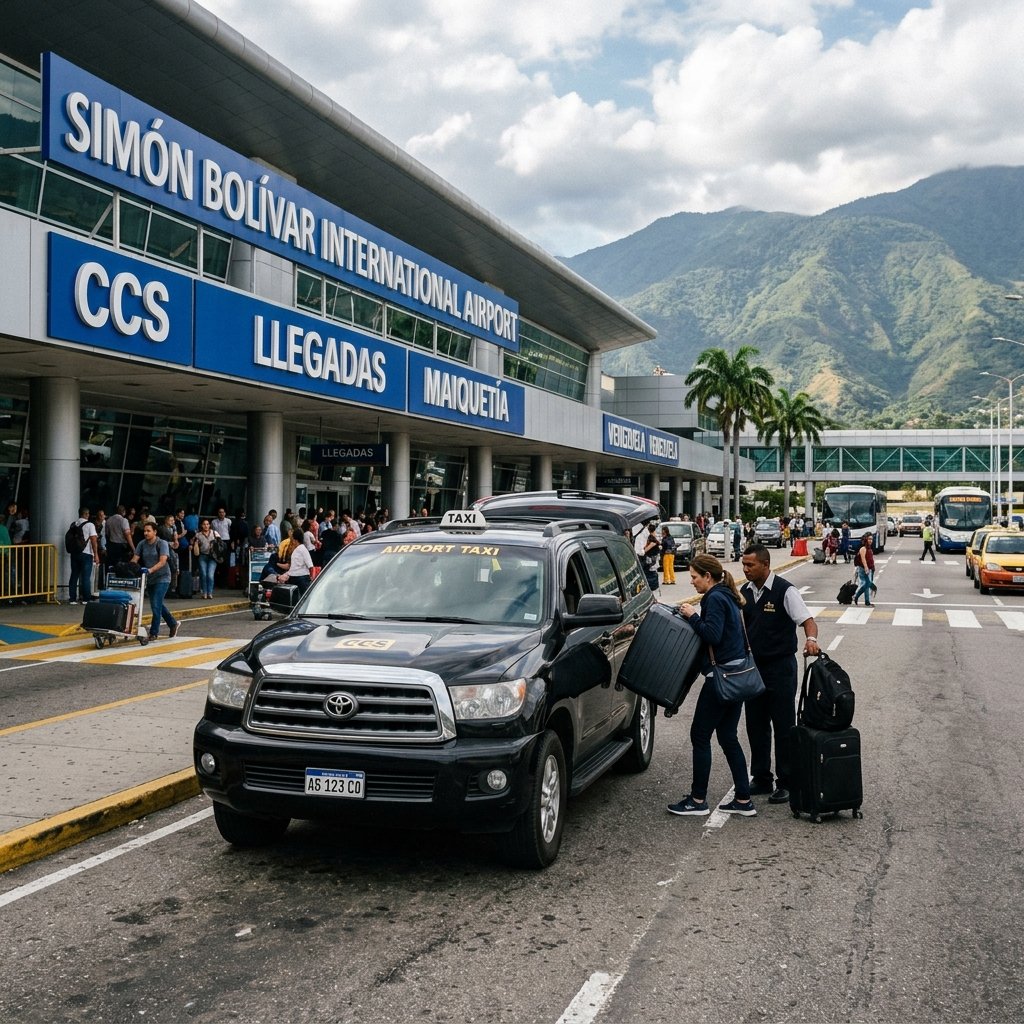
For transit between cities like Caracas, Valencia, and Puerto La Cruz, executive coaches (such as Aeroexpresos Ejecutivos) are the preferred choice, offering air-conditioned journeys bookable with cash USD. Within Caracas, the subway system (Metro de Caracas) is extensive and cheap but frequently crowded. If you prefer to compare transit options across South America, check out our guide to navigating Panama airport taxis or read our detailed overview of using the SUBE card in Argentina.
Factual Proof: Airport SUV Taxi Desk & Ride-Hailing Legitimacy
The National Institute of Land Transportation (INTT) and the Airport Administration regulate official cooperative black SUVs and white taxis inside the Simón Bolívar Airport terminal. For city transit, Ridery and Yummy Rides are registered local legal entities complying with municipal transport regulations in Caracas.
Cash vs Zelle: The Iron Law of Crisp US Dollar Banknotes
Venezuela operates a dual-currency cash economy. While the official currency is the Bolívar (VES), the US Dollar (USD) is the de facto currency for daily transactions. However, there is a strict rule that catches many travelers off guard: merchants, hotels, and restaurants will reject any USD banknote that has the slightest crease, tear, mark, or sign of wear. Ensure you bring pristine, low-denomination dollar bills ($1, $5, $10, and $20) to avoid being stranded. Additionally, local card terminals frequently fail due to power outages, making cash or digital payments essential.
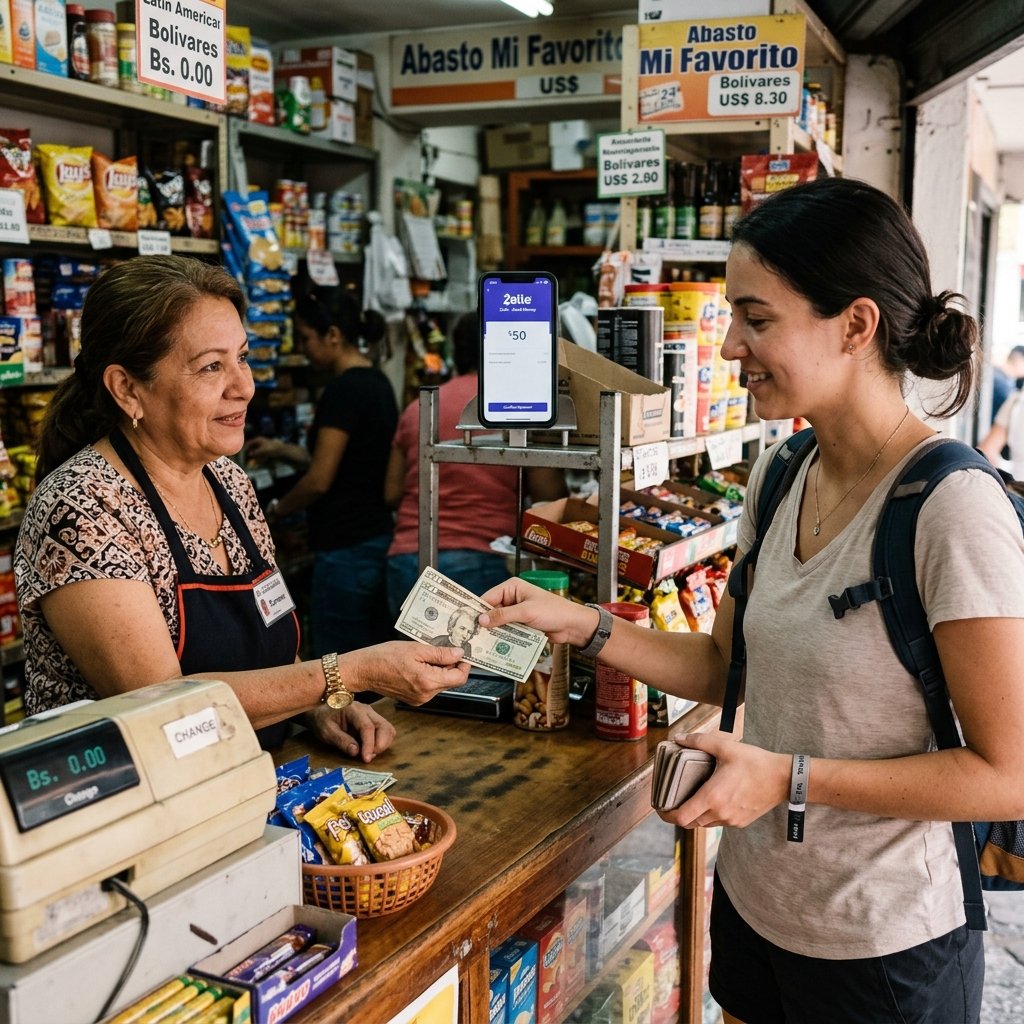
For cashless transactions, local credit cards are heavily restricted, and international cards draw steep bank fees. Instead, Zelle (the US-based digital payment service) is the most popular payment method in Venezuela, accepted by everyone from luxury hotels in Caracas to street vendors selling handicrafts. Make sure your Zelle account is active and verified before landing. For a comparison of cashless travel fees, check out our guide on Uruguay credit card VAT fees or review the payment customs in our Nicaragua travel guide.
Digitel vs Movistar: Best Mobile Signal and the Canaima Blackout
Staying connected is vital for booking local rideshares, checking Zelle payments, and navigating Caracas. The telecommunications market is dominated by two main providers: Digitel Venezuela and Movistar Venezuela. Both offer reliable 4G LTE coverage in major urban areas, but their network footprints differ in rural regions.
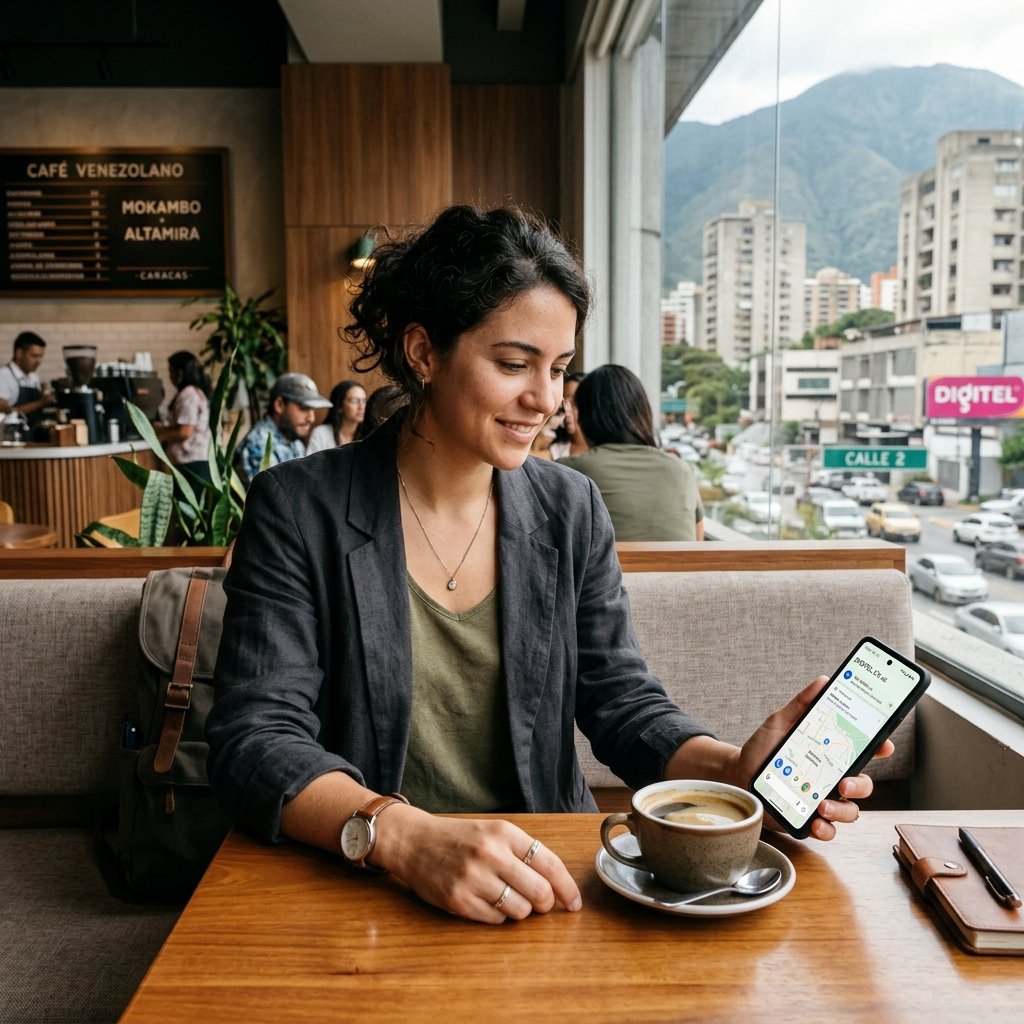
Digitel Venezuela generally provides the fastest data speeds in Caracas and coastal tourist areas like Morrocoy. Movistar Venezuela offers a slightly wider coverage footprint across the national highways and smaller towns. Buying a local physical SIM card requires submitting your passport for KYC registration at an official branch, which can take hours. Purchasing a pre-activated travel eSIM is the easiest way to avoid these lines. If you plan to travel further in the region, check out our Colombia eSIM product page or view our Costa Rica travel eSIM plans.
Arepas and Angel Falls: Staying Safe on Venezuelan Trails
Venezuela boasts breath-taking natural wonders, headlined by Angel Falls (Salto Ángel)—the world’s tallest uninterrupted waterfall, located in Canaima National Park. If you are planning an excursion to Canaima, you must be prepared for a **complete mobile network blackout**. There is absolutely no cellular signal in the park, meaning you must download offline maps and carry sufficient cash USD to tip local Pemon guides, as card readers and ATMs do not exist in the jungle.
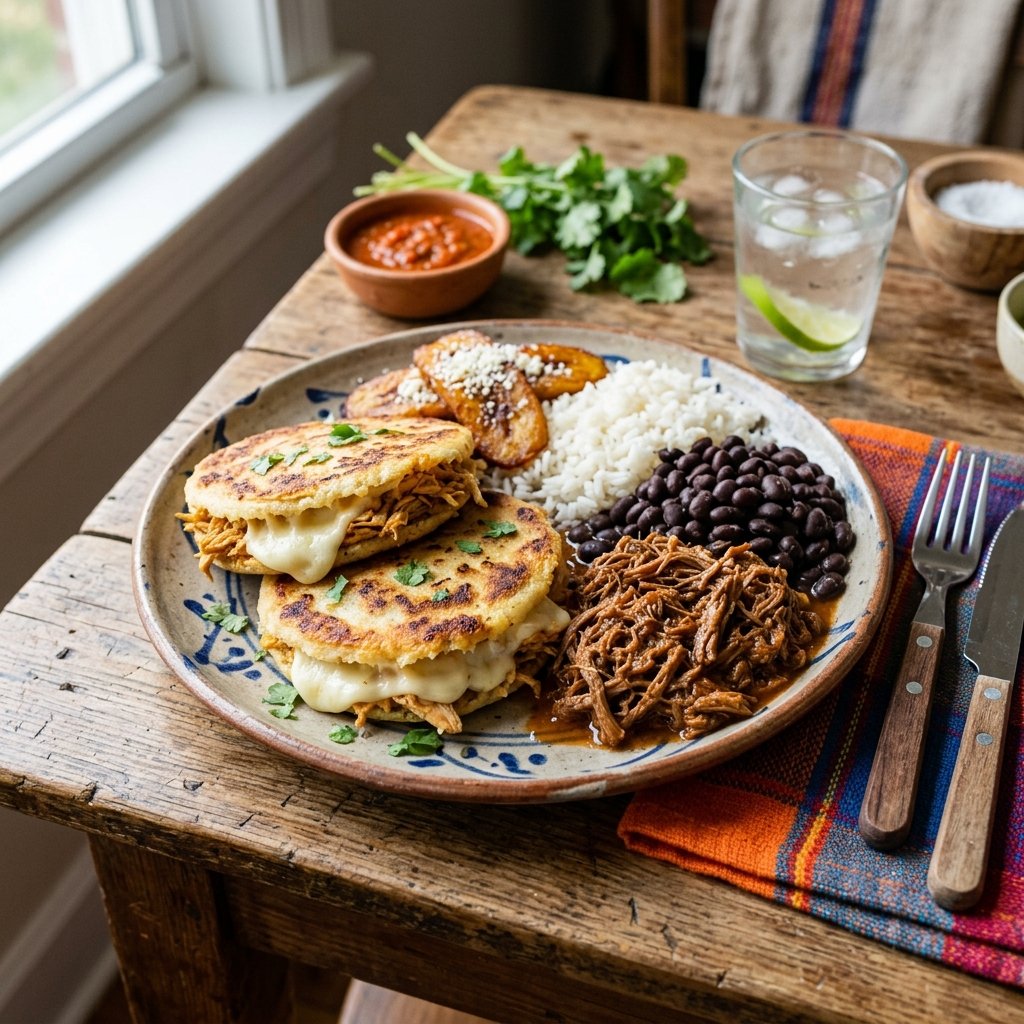
Between excursions, enjoy the country’s rich culinary heritage. The absolute staple of Venezuelan food is the **Arepa**—a round cornmeal patty grilled, baked, or fried, split open and stuffed with various fillings like shredded beef, black beans, cheese, and avocado (the famous Reina Pepiada). For these local dining spots (areperas) and roadside comedores, cash USD or Zelle are your only payment options, so keep small-denomination bills handy.
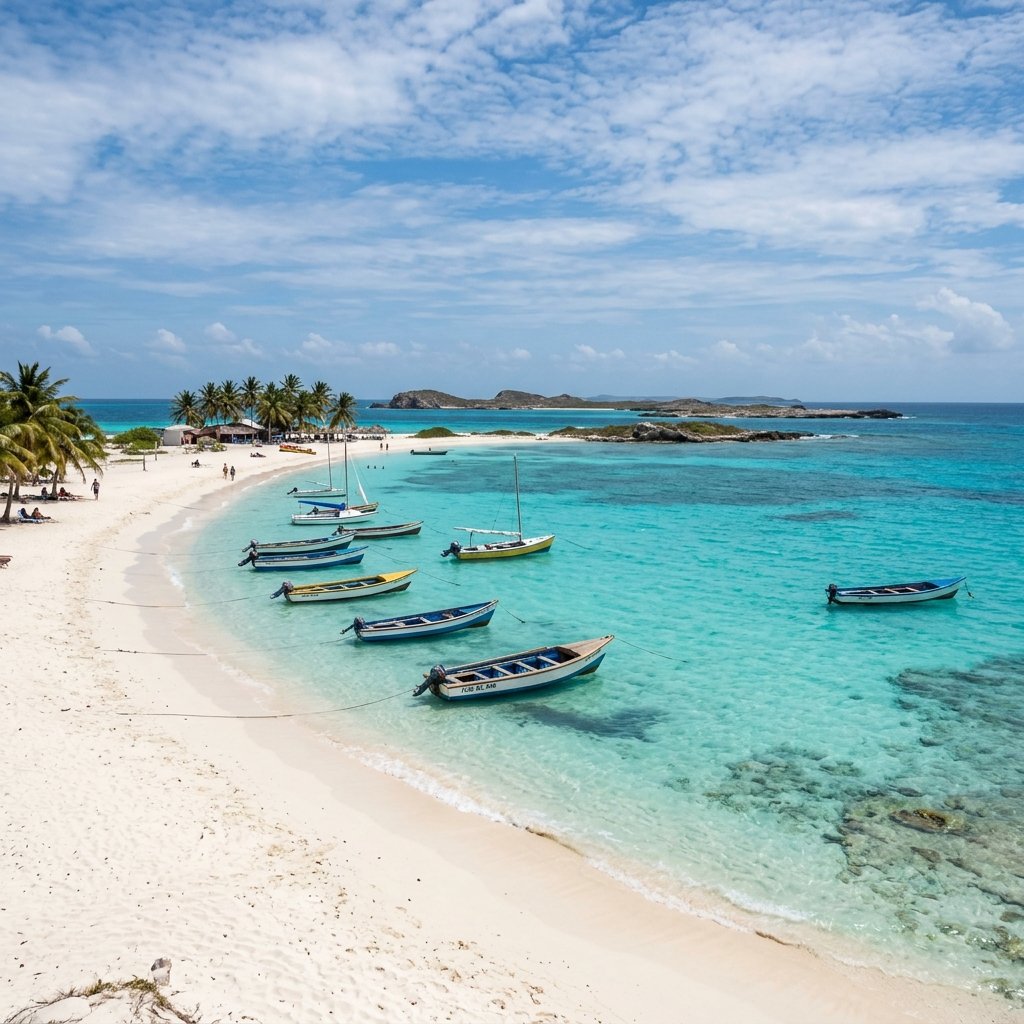
From the urban valley of Caracas to the ancient tepuis of Canaima, Venezuela is a destination of unparalleled beauty. By preparing crisp cash bills, setting up your Zelle account, and activating a travel eSIM before you arrive, you can explore this spectacular nation with absolute confidence.
Frequently Asked Questions (FAQ)
Can I use credit cards in Venezuela?
Credit cards are accepted in major supermarkets and hotels in Caracas. However, smaller shops, street vendors, and local taxis strictly require cash USD or Zelle.
What payment methods are used in Venezuela?
US Dollars (USD) are widely used for cash payments, while Zelle is the most popular digital payment method. You must ensure your dollar bills are crisp and undamaged.
Is there mobile coverage in Canaima (Angel Falls)?
No, Canaima National Park and Angel Falls suffer from a total mobile network blackout. Digitel and Movistar only offer signals in major cities.