Andorra Travel Summary: Getting to Andorra requires flying into Barcelona (BCN) or Toulouse (TLS) and taking a 3.5-hour shuttle bus across the border checkpoints. Since Andorra is not in the EU/EEA, standard European free roaming does not apply; local network data rates are extremely high. For instant, card-free data, use a TravelyData eSIM which connects automatically to Andorra Telecom’s fast national grid.
| Data Provider | Coverage & Network | KYC Registration | Best For |
|---|---|---|---|
| 📶 Andorra Telecom (Monopoly) | Full nationwide 4G/5G LTE coverage | Required (passport scan in store) | Long-term residents |
| 📶 TravelyData eSIM | High-speed data via Andorra Telecom | None (Zero KYC registration) | Instant setup on arrival |
| Transit Method | Average Cost | Duration | Key Details |
|---|---|---|---|
| 🚍 Directbus / Andbus (from BCN) | €30 – €40 one-way | 3.5 Hours | Departures from BCN T1 and T2 terminals |
| 🚍 Andbus Shuttle (from TLS) | €35 – €42 one-way | 3.5 Hours | Daily connections from Toulouse Airport |
| 🚗 Private Car / Taxi | €250 – €350 | 2.5 Hours | Comfortable, requires border toll check |
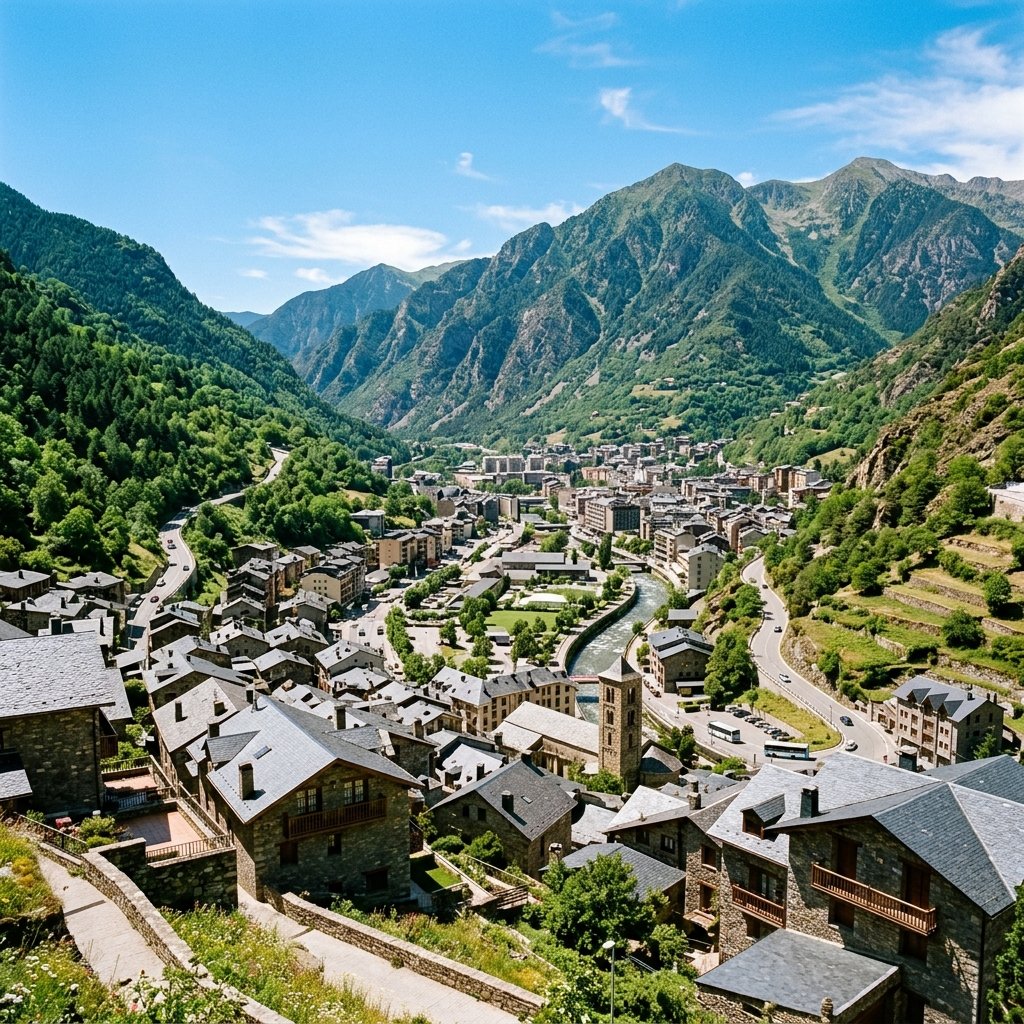
Gazing up at the towering Pyrenees peaks, the thin mountain air feels crisp and refreshing as you cross the high-altitude border into Andorra. For many travelers, this tiny principality nestled between France and Spain is a tax-free winter wonderland or a summer hiker’s paradise. But as you watch your smartphone screen suddenly drop its cellular signal or display an alarming roaming warning, the logistical realities of this non-EU enclave hit home. From border customs checks to the unique local currency rules, traveling through Andorra is a unique adventure that demands a bit of preparation. By understanding the digital and physical boundaries before you climb into the valleys, you can enjoy a seamless mountain escape without any unexpected surcharges.
Touchdown in Barcelona or Toulouse: Navigating Airport Transfers, Border Customs, and Andorra Telecom eSIMs
Andorra has no commercial airport, meaning your journey begins with a flight to Barcelona (BCN) in Spain or Toulouse (TLS) in France, followed by a mountain transit. Since Andorra is not in the EU, turning off roaming on EU SIM cards before the border checkpoints is vital to prevent high data charges.
My journey to the principality began at Barcelona El Prat Airport (BCN). After picking up my bags, I boarded the regular Andbus service waiting outside Terminal 1. The scenic 3.5-hour shuttle route wound past Catalan villages, climbing steadily towards the Spanish-Andorran customs post at Farga de Moles. As we approached the border terminal, I made sure to disable data roaming on my phone. A few passengers who forgot were greeted minutes later by text messages warning of steep non-EU roaming fees. For instant connectivity without the hassle of passport scans, having a pre-installed eSIM ready is the smartest move. If you are starting your trip in neighbouring countries, consult our cashless Spain guide or see how French networks operate in our France cashless transit guide.
According to official European Commission regulations and Andorra Telecom (the principality’s state-owned telecom monopoly), Andorra is not an EU/EEA member state. Consequently, EU free-roaming legislation does not apply. Mobile operators in Spain (Movistar, Orange) and France (Orange, SFR) apply high non-EU zone data rates in Andorra, ranging from €6.00 to €15.00 per megabyte unless an Andorra-specific bundle or local eSIM is activated.
Cash and Euro Transactions: Surviving Card Surcharges at Mountain Refuges and Public Buses
Andorra uses the Euro (€) as its official currency despite not being an EU member, and while major boutiques accept international credit cards, cash remains mandatory for mountain buses, tolls, and remote lodges. Carrying low-denomination Euros prevents transaction issues during high-altitude excursions.
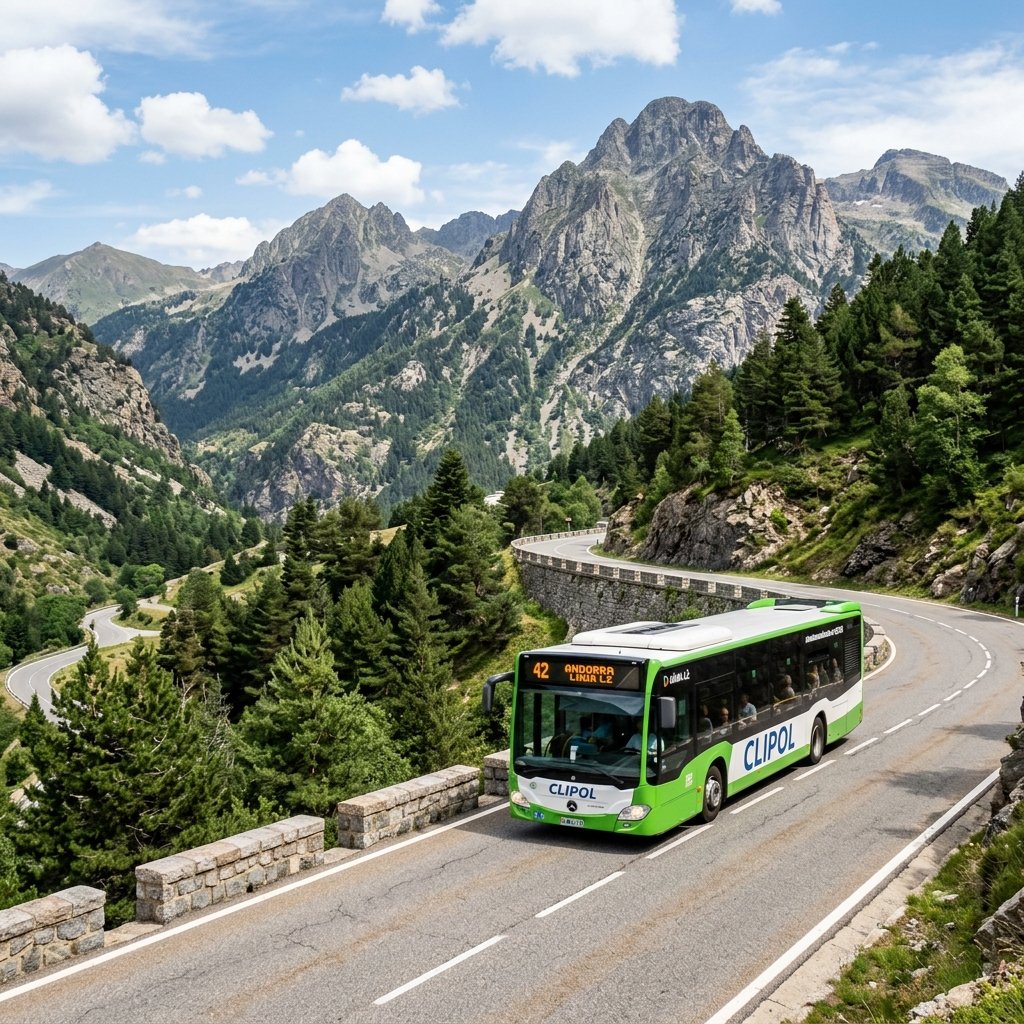
Walking along Meritxell Avenue in Andorra la Vella, you are surrounded by sleek, duty-free shopping malls and luxury boutiques where credit cards are accepted without hesitation. However, as soon as you step away from the urban commercial core, the payment landscape changes. When I boarded a local municipal bus to head up the valley, the driver politely pointed to a sign indicating they only accept cash for the small fare. ATMs are easily found in the main towns, but banks charge international transaction fees that can add up quickly. Keeping cash on hand is essential if you plan to explore the mountain trails.
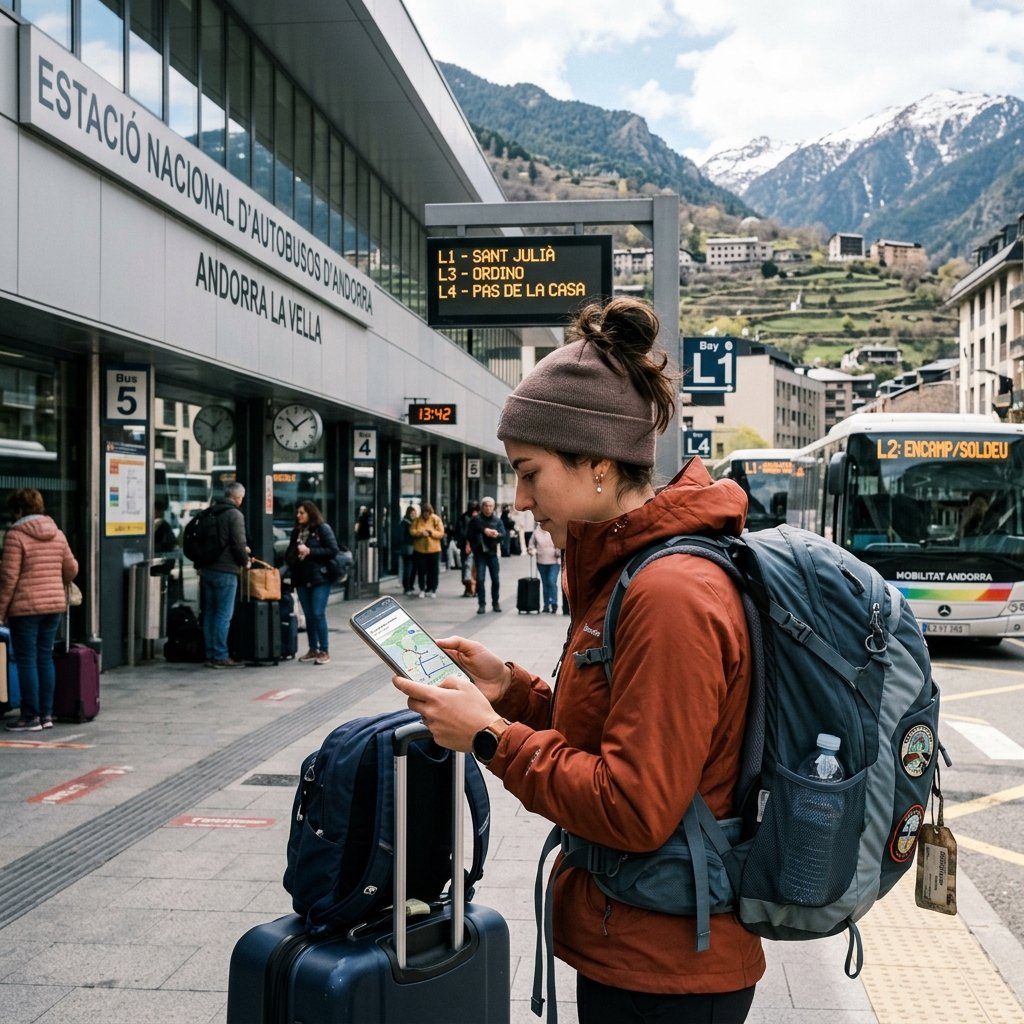
If you hike to the high-altitude refuges (refugis) dotting the Pyrenees valleys, cash is your only option. These rustic stone lodges do not have reliable internet connections for card terminals, and they will add processing surcharges if they accept cards at all. Always carry €5, €10, and €20 notes for your snacks, mountain parking fees, and local transit. To see how other high-altitude hubs handle currency and card validations, check out our Belgrade transit and cash guide or read our Uruguay travel payment guide to prepare for credit card surcharges.
Exploring the Valleys: High-Altitude Roaming Surprises and the Pyrenees Network Trap
Mobile connectivity in Andorra is managed by a single state monopoly, meaning third-party SIM cards will not connect without expensive roaming agreements. A local or travel eSIM is required to stay online while hiking in the valleys or skiing in Grandvalira.
The sole operator in the country is Andorra Telecom on Wikipedia. Because they hold a complete monopoly over the local cellular infrastructure, they do not share networks with Spanish or French carriers. When you head up into the mountains of Grandvalira or Ordino-Arcalís, your Spanish or French mobile network will cut off completely at the border, leaving you without maps or emergency lines unless you register a local connection. Buying a physical SIM card locally requires locating an official store and presenting your physical passport for registration.
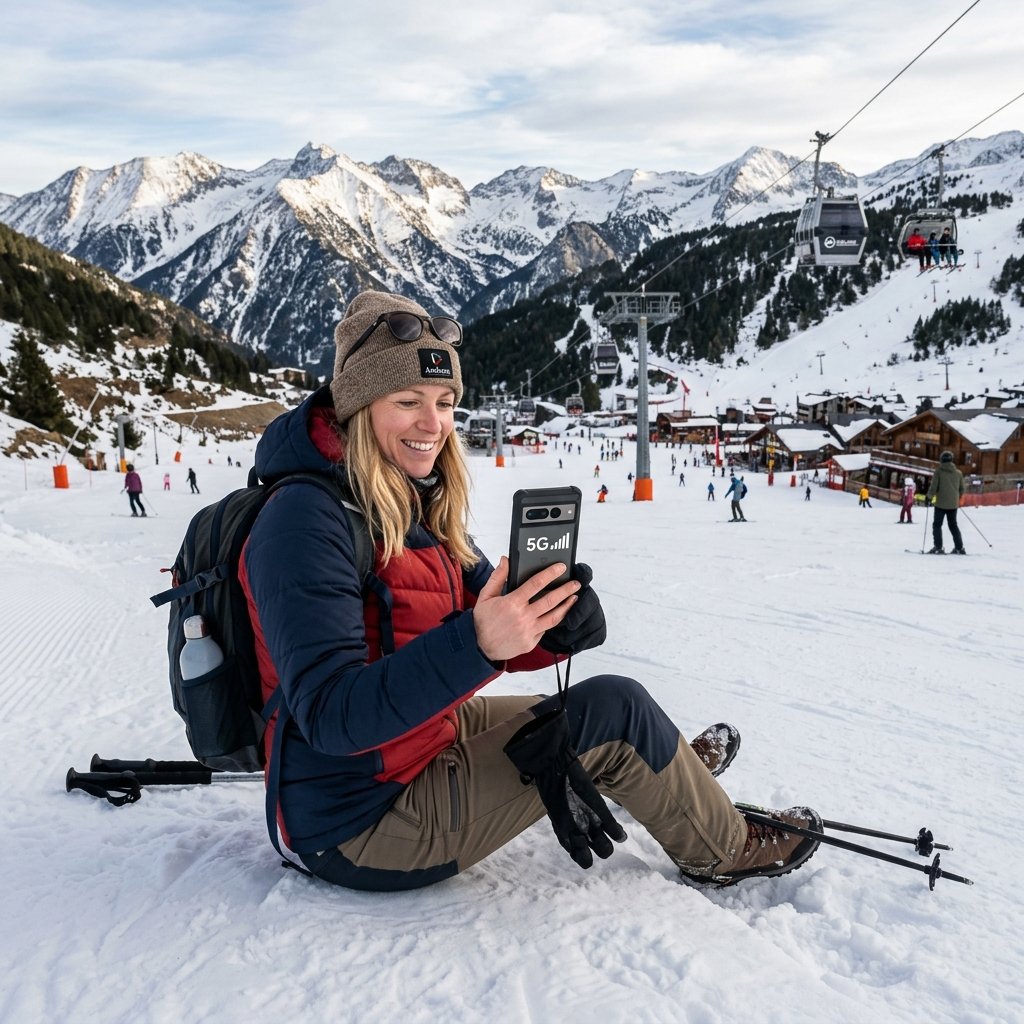
Using a travel eSIM lets you bypass these retail store lines entirely, activating data instantly upon arrival. This ensures you can access trail maps, coordinate rides back to your hotel, and share your alpine scenery in real time. Remember to check out the official Andorra Tourism Portal for seasonal trail safety advisories and mountain conditions before setting out on your hike.
Borda Restaurant Dining and Mountain Etiquette: Savory Trinxat and Pyrenees Customs
Dining in Andorra centers around traditional stone mountain boardas, where rustic cabbage and potato trinxat is served alongside cured sausages. Respecting local alpine safety codes and showing courtesy to nature are central to Pyrenees culture.
After a long day of exploring the valleys, nothing compares to dining at a traditional Andorran borda. These historic stone farmhouses have been converted into cozy, atmospheric restaurants serving hearty mountain cuisine. The highlight of any traditional meal is Trinxat—a comforting mash of local cabbage, potatoes, garlic, and bacon, fried until crispy on the outside. These rustic borda restaurants are incredibly popular with locals, and booking ahead is highly recommended, especially during the ski season.
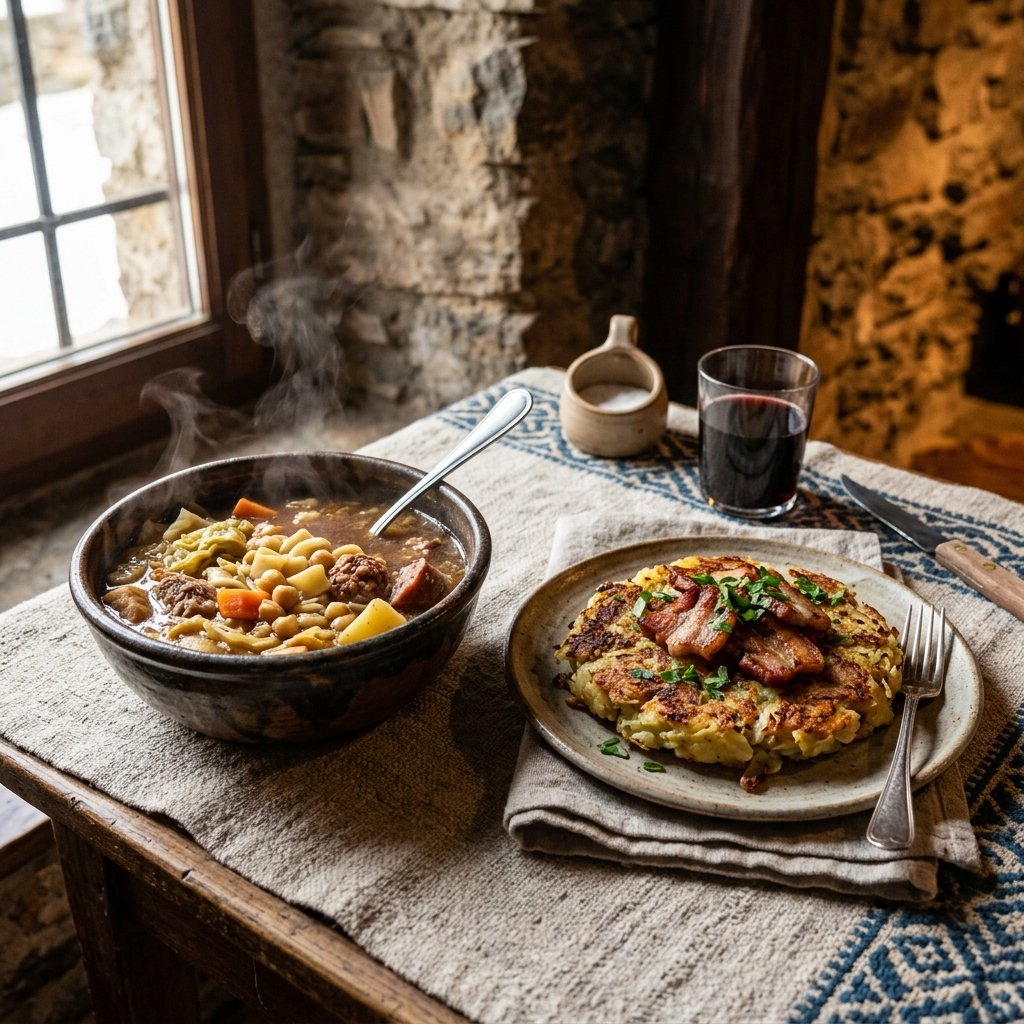
When hiking or dining in the mountain communities, respecting local alpine etiquette is highly valued. Always stay on marked trails, pack out all your trash, and keep noise to a minimum to avoid disturbing the valley wildlife. By blending these local mountain customs with prepared offline maps and cash on hand, your journey through the heart of the Pyrenees will be an unforgettable adventure.
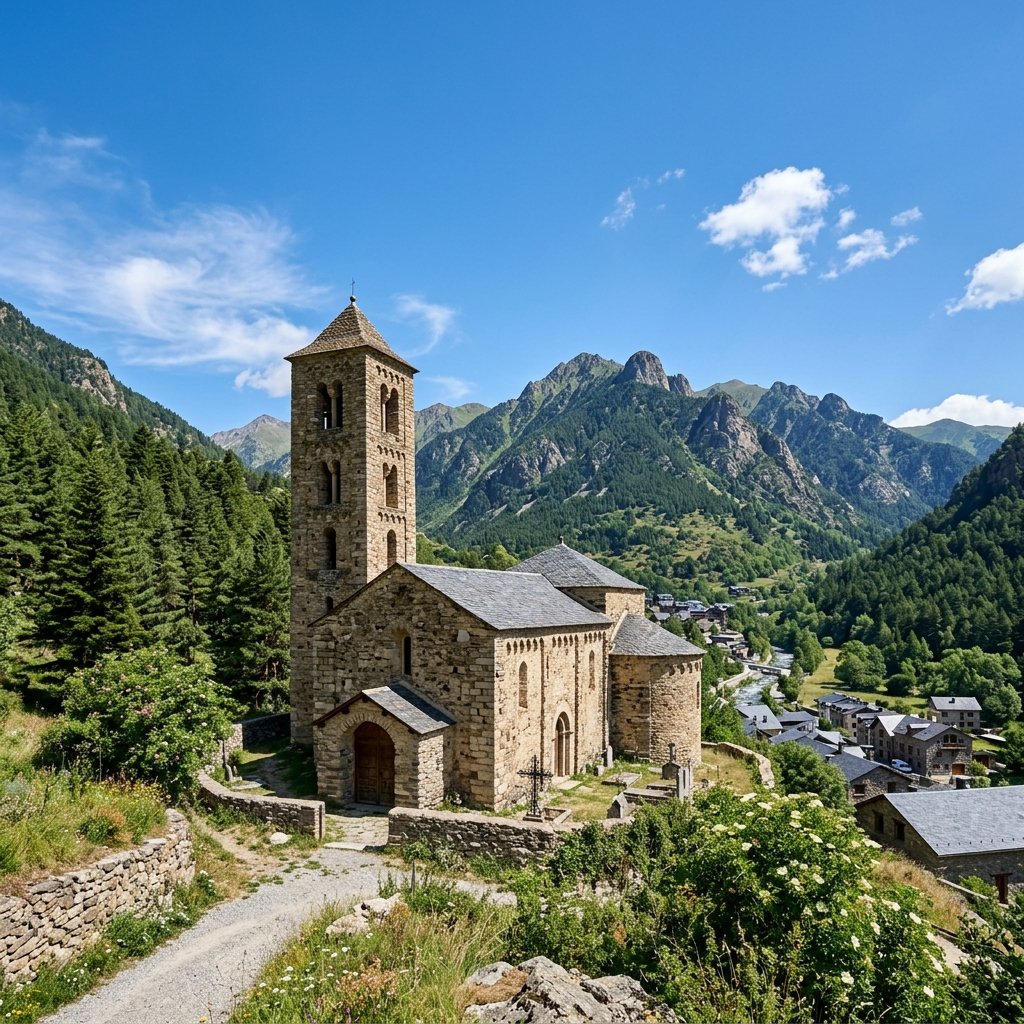
From the tax-free shopping lanes of Andorra la Vella to the peaceful high-altitude trails of the Madriu-Perafita-Claror Valley, Andorra is a stunning alpine destination. By installing a local eSIM, carrying Euro cash, and arranging your airport transfers from Barcelona or Toulouse in advance, you will travel smoothly and confidently through this mountain paradise.
Frequently Asked Questions (FAQ)
Does EU free roaming work in Andorra?
No. Andorra is not a member of the European Union or the EEA. Standard EU free-roaming packages do not apply, and using a French or Spanish SIM card will result in high roaming surcharges. It is best to use a specialized travel eSIM.
How do I get to Andorra from the airport?
Andorra does not have an airport. Travelers must fly into Barcelona (BCN) in Spain or Toulouse (TLS) in France, and take a direct Andbus or Directbus shuttle. The journey takes approximately 3.5 hours from either airport.
What is the official currency in Andorra?
The official currency is the Euro (€). While credit cards are widely accepted in shops and malls in Andorra la Vella, cash is required for municipal buses, mountain refuges, and valley parking meters.
Which cellular network operates in Andorra?
Andorra Telecom is the sole, state-owned telecommunications provider. Buying a local SIM card requires passport registration at a physical store, so activating a pre-registered travel eSIM online is recommended.
 France eSim