Sweat, Spices, and Smart Cards: The Ultimate No-Nonsense Guide to Surviving Bangladesh
Stepping out of Hazrat Shahjalal International Airport (DAC) in Dhaka feels like walking directly into a warm, humid wall of energy. The air is thick with the scent of roasted spices, diesel exhaust, and rain, while a chorus of car horns, cycle bells, and shouting airport touts immediately envelopes you. For first-time travelers, Bangladesh is a beautiful, intense sensory overload. It is a country of raw, unfiltered experiences, where the hospitality is incredibly warm but the travel infrastructure requires a serious guide. Ditching the usual travel clichés, I spent my weeks navigating the chaotic streets of Dhaka and the serene tea gardens of Sreemangal. Here is my boots-on-the-ground survival guide to navigating Bangladesh—from transit smart cards and ride-hailing apps to cash traps and essential dining etiquette.
To keep your map apps running in the middle of Dhaka’s gridlock, hail a ride instantly, and stay connected with family, grab a high-speed Bangladesh eSIM before you land. Having instant mobile data the moment you pass through immigration makes a massive difference in handling the initial airport chaos.
Getting In: DAC Customs and the Visa on Arrival Maze
Landing at Dhaka’s airport requires navigating a few strict entry regulations. If you are a citizen of the US, Canada, UK, EU, Australia, or several other designated nations, you are eligible for a 30-day Visa on Arrival (VoA). Here is what you need to prepare:
- The Visa Fee: Keep exactly $50 USD in crisp cash. The airport counter does not accept credit cards or local currency for the visa fee, and the ATM in the arrival hall is notoriously unreliable.
- Document Checklist: You must present a return or onward flight ticket and a confirmed hotel booking or invitation letter. Immigration officers also officially require proof of sufficient funds, which usually means showing a bank statement or having at least $500 USD in cash or cards.
- Red Channel vs. Green Channel: If you are carrying foreign currency exceeding $5,000 USD (or equivalent) in cash, you must declare it at the Red Channel upon arrival. Failing to do so can lead to immediate seizure and legal issues.
- Gold Regulations: Bangladesh has incredibly strict rules on gold imports. You can bring up to 100 grams of wearable gold ornaments duty-free. Gold bars, raw gold, or bullion are strictly prohibited duty-free and must be declared and taxed.
- Alcohol Rules: Foreign passport holders are allowed to bring in up to 1 liter of alcohol. Note that for Bangladeshi citizens, carrying any alcohol is strictly prohibited, so avoid carrying bottles on behalf of local friends. You can also bring up to 200 cigarettes.
Dhaka Transit: Ride-Hailing, Metro Rail, and Rickshaws
Dhaka is famous for having some of the most congested traffic in the world. Hailing a random vehicle on the street is a recipe for getting lost or overcharged. Instead, use these transit hacks:
- Ride-Hailing Lifesavers: Download **Pathao** and **Uber**. Pathao is a local super app that offers motorbike rides, which are the absolute fastest way to weave through Dhaka’s gridlock. Uber is widely available for both cars and motorbikes and offers reliable pricing. Always check the driver’s profile and plate before hopping on.
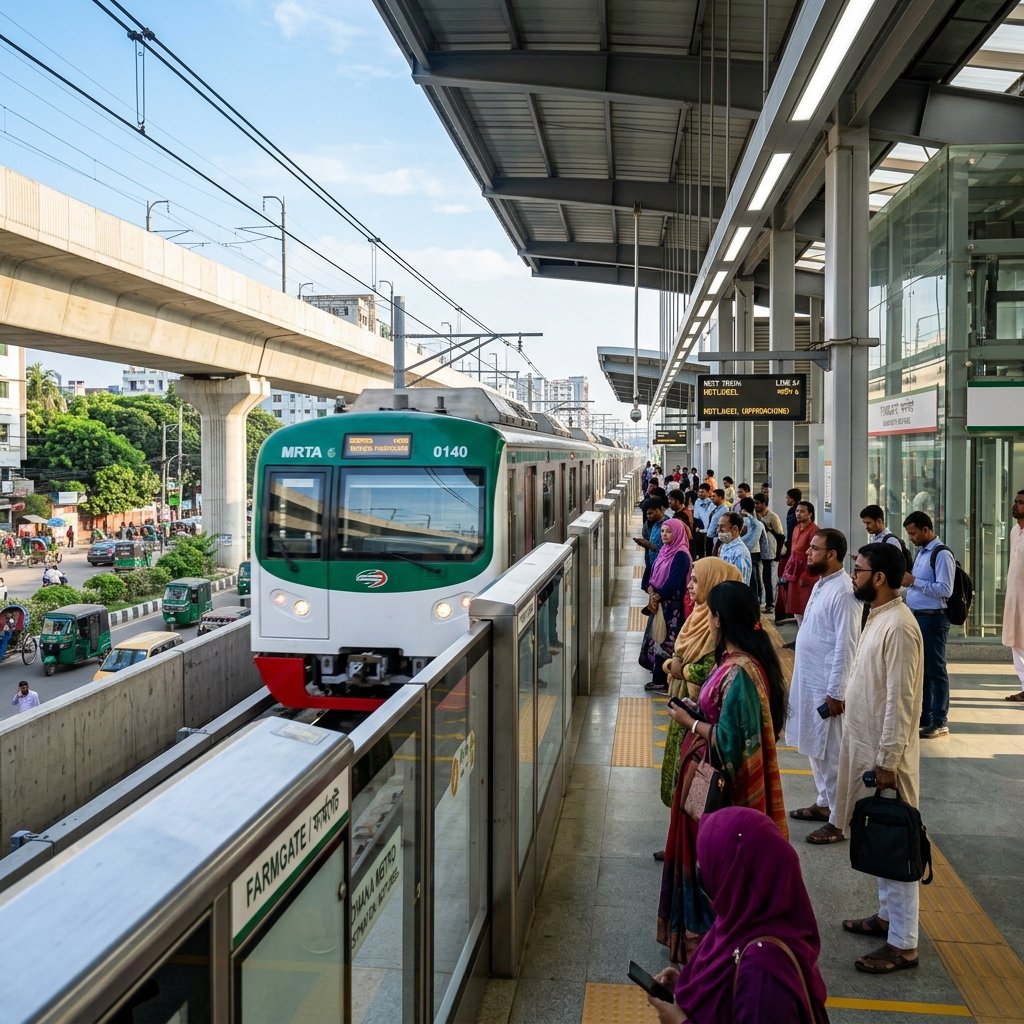
- Dhaka Metro (MRT Line 6): To completely bypass the traffic, use the modern MRT Line 6 elevated metro rail. It is fast, clean, and air-conditioned.
- Get the 10% Discount: Single-journey tickets are cheap, but buying an **MRT Pass** or a **Rapid Pass** gets you a 10% discount on all fares.
- MRT Pass: Issued by DMTCL. Costs ৳500 initially (৳200 refundable deposit + ৳300 preloaded fare balance). You must fill out a registration form at the station using your passport number.
- Rapid Pass: Issued by DTCA. Costs ৳400 initially (৳200 deposit + ৳200 fare balance). It works across multiple transit systems, including some buses.
- Recharging: You can top up cards at station machines or online via local mobile financial services (MFS) like bKash. If you recharge online, you must tap your card on the station’s balance validator to activate it.
- Rickshaws for the Narrow Lanes: Dhaka’s colorful, hand-painted cycle rickshaws are perfect for short trips through narrow neighborhood lanes. There are no meters, so you must negotiate the fare *before* you sit down. If the price seems too high, just walk away; another driver will gladly offer a lower fare.
- Intercity Trains: Bangladesh Railway runs extensive routes. Book your tickets via the official portal eticket.railway.gov.bd or the **Rail Sheba** app. Foreigners can register an account using their passport number instead of a national ID. Always carry the passport you registered with when traveling, as ticket checkers will ask to see it.
Money: Navigating a Cash-First Society
While electronic payments are slowly expanding in high-end hotels and malls in Dhaka, Bangladesh remains a heavily cash-dominated economy. Carry physical Bangladeshi Taka (BDT, symbol ৳) for daily expenses, street food, local markets, and rickshaw rides.
- Compatible ATMs: Look for ATMs operated by Dutch-Bangla Bank (DBBL), which has the largest and most reliable network. Standard Chartered and HSBC ATMs are also highly compatible with international Visa and Mastercard cards.
- Withdrawal Fees: Expect to pay a local ATM terminal fee of **৳300 to ৳500** per transaction for international cards, plus whatever foreign transaction fee your home bank charges.
- ATM Card Trap: Some older local ATMs struggle to read modern chip-only cards. Carry at least one card with a active magnetic stripe as a backup. Also, notify your bank of your travel dates to prevent automatic fraud blocks.
- Say No to DCC: If a card terminal or ATM asks whether you want to pay in your home currency or BDT, always select BDT. Accepting DCC allows the local processor to apply a heavily marked-up exchange rate.
A Culinary Journey: Spices and Right-Hand Etiquette
Bangladeshi food is bold, intensely spiced, and incredibly delicious. Eating street food is a must, but keep these local etiquette rules in mind:
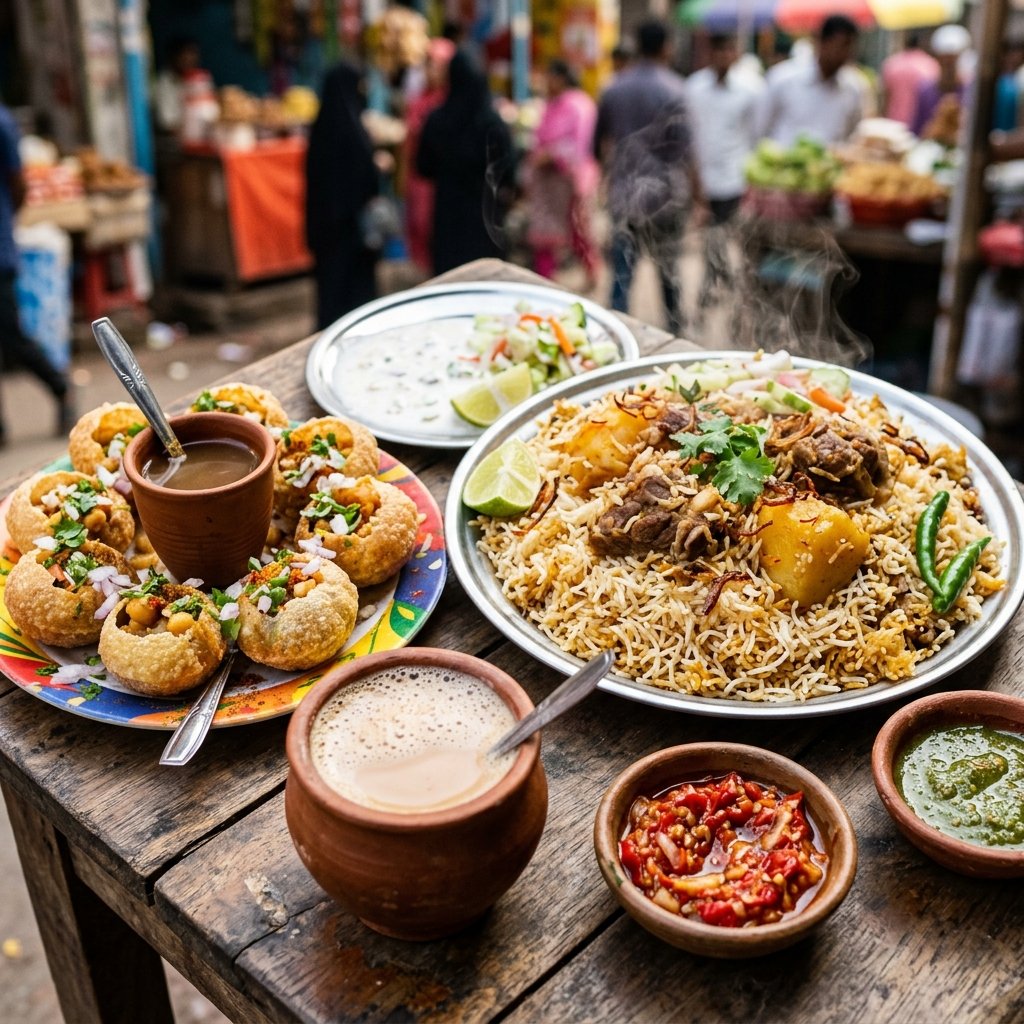
- Fuchka (Phuchka): The undisputed king of street food. These are crispy, hollow semolina shells stuffed with spiced chickpeas and potatoes, served with a bowl of sour, tangy tamarind water. You pour the tamarind water inside the shell and eat the whole thing in one bite.
- Kacchi Biryani: A legendary Old Dhaka dish of raw, marinated mutton, potatoes, and fragrant basmati rice layered and slow-cooked together in massive copper pots. The meat is incredibly tender and literally melts off the bone.
- Tehari: A popular, spicier alternative to Biryani, made with beef and tiny, aromatic Chinigura rice. The beef is cooked separately and mixed with the rice, resulting in a distinctively rich flavor.
- Bhorta: A traditional staple of mashed vegetables, lentils, or fish mixed with mustard oil, onions, and dry-roasted red chilies. It is served alongside hot white rice and is a comforting explosion of flavor.
- The Right-Hand Rule: Bangladeshis eat traditional meals with their hands. Always use your right hand to eat, pass dishes, or touch food. The left hand is culturally considered unclean. Every local diner has handwashing basins; wash your hands thoroughly before sitting down.
Must-See Sights and Hidden Gems
- Old Dhaka: Take a cycle rickshaw through the historic core. Visit **Lalbagh Fort**, a beautiful 17th-century Mughal palace complex with the tomb of Pari Bibi, and **Ahsan Manzil (The Pink Palace)**, which sits on the banks of the bustling Buriganga River.
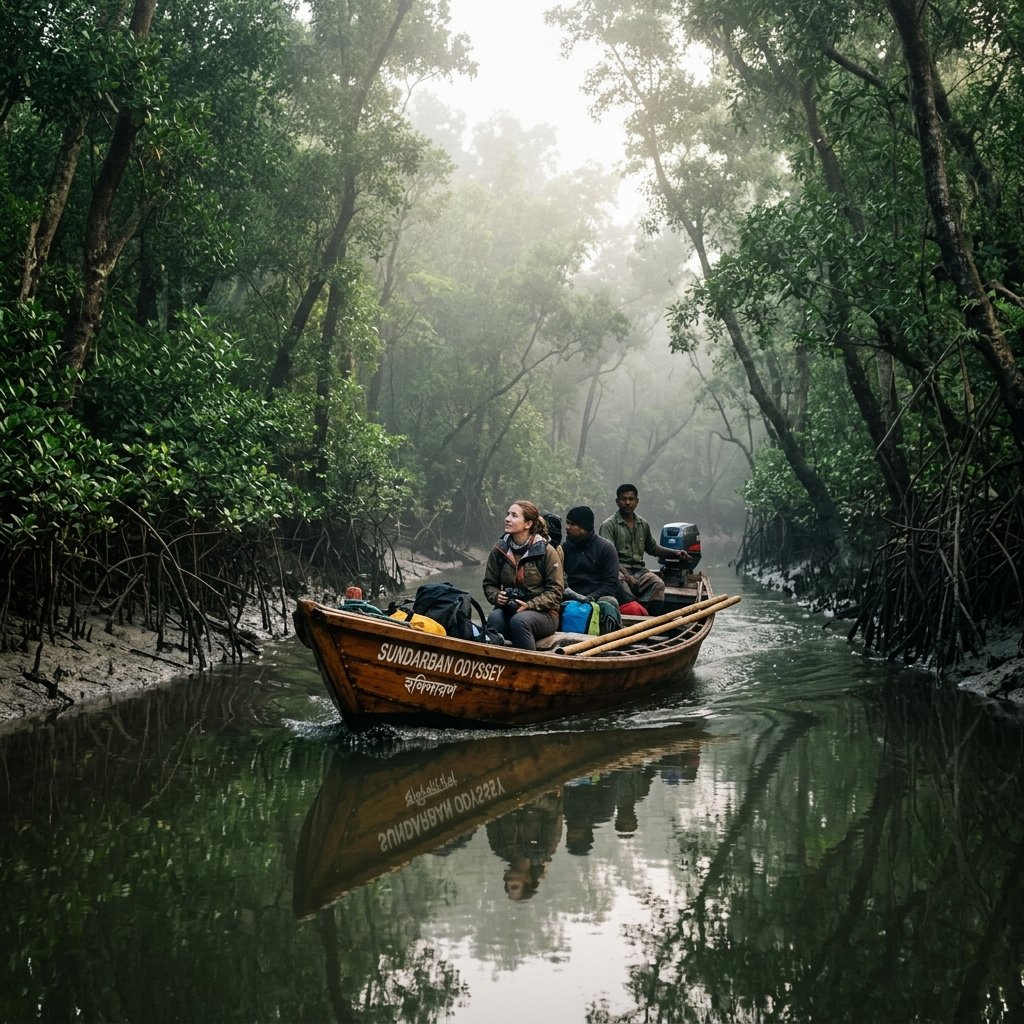
- The Sundarbans: The world’s largest mangrove forest and home to the rare Bengal tiger. It is accessible only by boat. You must book through a registered tour operator, who will arrange the necessary forest permits and mandatory armed guards for safety.
- Sreemangal: The tea capital of Bangladesh. Wander through lush, rolling green tea estates, hike in Lawachara National Park, and try the famous layered seven-color tea.
Stay Safe: Health and Emergency Hacks
- Water Safety: Drink only bottled or purified water. Avoid ice at local restaurants, and wash your fruits with clean water.
- Avoid Rallies: Stay clear of political demonstrations and large public gatherings, which can escalate quickly.
- Emergency Contacts: Save the national emergency number 999.
- Tourist Police: For tourists, the Bangladesh Tourist Police are incredibly helpful. Save their WhatsApp helpline number: +880 1713 371 331 for immediate assistance or to report any issues.
Seamless Connectivity: A Guide to Grameenphone, Robi, and Banglalink eSIM in Bangladesh
When traveling in Bangladesh, the major mobile networks are Grameenphone, Robi, and Banglalink. Grameenphone is the leading operator with the widest coverage and fastest download speeds, providing 4G LTE speeds up to 50 Mbps. Throughout my trip, I tested active network signals on an iPhone 15 Pro, and found connection to be fast and stable in Dhaka and Sylhet.
To safely check train schedules, navigate Old Dhaka’s alleys, and share your Sundarbans boat safari adventure, purchase a high-speed Bangladesh eSIM before your journey. It keeps you connected across the country without expensive roaming bills!