Valuable Dinars, Gahwa Cups, and the Metered Taxi Chase: My Real-World Guide to Kuwait
When I arrived at Kuwait International Airport, I went to an exchange counter and handed over a $100 USD bill. The clerk slid back a few paper notes. I looked down: I was holding exactly 30 Kuwaiti Dinars (KWD). It was a dizzying introduction to the most valuable currency on earth. In Kuwait, a single Dinar is worth over three US dollars. It’s easy to look at a menu, see a dish priced at “12,” and think it’s cheap, only to realize you’re paying nearly forty dollars for lunch. Navigating this wealthy, car-centric Gulf nation is a fascinating experience, but it comes with strict legal boundaries and unique cultural rules that every traveler must know.
To avoid getting stuck without internet when trying to download local taxi apps, book on-demand shuttles, or navigate using local building codes, buy a high-speed Kuwait eSIM before you depart. Having instant, high-speed data the second you land makes exploring Kuwait City seamless.
Getting Around: Careem, On-Demand Shuttles, and Finder Apps
Kuwait is highly car-centric, with wide, modern highways. Walking is rare due to the extreme summer heat, so you will need to plan your transit carefully:
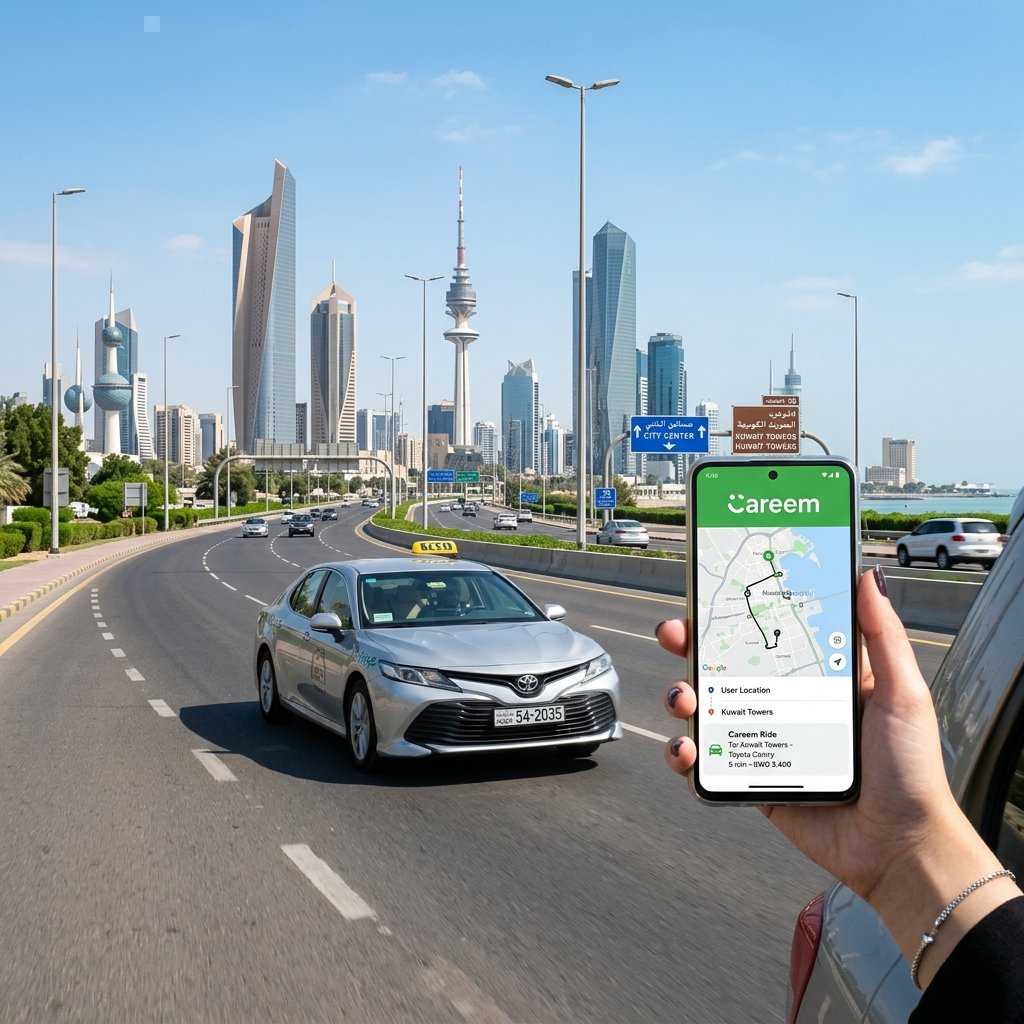
- Taxis and Ride-Hailing: Avoid street taxis, as they rarely use their meters and will try to overcharge you. Instead, book rides via Careem (which dispatches licensed taxis with fixed prices) or local apps like Q8 Taxi and RideRove. Download Careem and set up your credit card *before* you arrive, as receiving the SMS verification code on a roaming phone can be unreliable.
- The CityLink Shuttle App: If you want to use public transport, check out CityLink Shuttle. Instead of waiting at fixed bus stops, you use the app to request an on-demand, AI-routed minivan that picks you up at a virtual stop near your location—offering a highly flexible, premium transit experience. Standard public buses (KPTC and CityBus) are also available and very cheap.
- Kuwait Finder App: Streets in residential areas are rarely named clearly. Download **Kuwait Finder** (run by the government’s Public Authority for Civil Information). It allows you to search using unique **PACI numbers** assigned to every building and villa in the country, providing pinpoint navigation that standard maps miss.
Car Rental Warning: To rent a car, you will need a national driver’s license and an International Driving Permit (IDP). Kuwait’s highways are heavily monitored by speed cameras, and traffic laws are strictly enforced. Expatriates can face deportation for severe traffic violations.
Money Matters: High-Value Dinars & Card Payments
Because the Dinar is so valuable, it is divided into 1,000 *fils* instead of cents. International credit cards (Visa/Mastercard) and mobile wallets (Apple/Google Pay) are accepted almost everywhere, including malls, hotels, and major restaurants.
- The K-Net system: You will notice red-and-white “K-Net” logos at every card terminal. This is Kuwait’s domestic debit network. K-Net cards are only issued to residents with local bank accounts; tourists must pay using cash or standard international credit cards.
- Cash Needs: Keep a small amount of cash on hand for traditional souqs (like Souq Al-Mubarakiya), street food stalls, and small convenience stores.
- Tipping: Tipping is not expected or mandatory. In high-end restaurants, a 15% service charge is usually added to the bill. For valets, porters, or gas station attendants, a small tip of 250 fils to 1 KWD is appreciated.
Strict Prohibitions: Alcohol, Drones, and Vapes
Kuwait has some of the strictest customs regulations in the Middle East. Violating them carries severe legal penalties:

- Absolute Alcohol Prohibition: **Kuwait is a completely dry country.** Importing, selling, possessing, or consuming alcohol is strictly illegal. There are no hotel bars, liquor stores, or licensed venues. Do not attempt to bring alcohol in your luggage—luggage scanners are highly sensitive, and carrying alcohol can result in immediate arrest, heavy fines, and deportation.
- Nationwide Drone Ban: Kuwait enforces a strict ban on all private drone operations. Attempting to bring a drone through airport customs without prior government permits will result in it being confiscated.
- Vape Restrictions: In 2026, the government banned the digital sale and delivery of vapes and e-cigarettes. To avoid customs complications, it is highly recommended that tourists do not bring vaping devices or liquids into the country.
- Pork Ban: The import of any pork products or pigskin items is strictly illegal.
Cultural Etiquette: Modesty and the Gahwa Ritual
Kuwait is a conservative society, and respecting local laws and religious customs is essential:
- The Gahwa Coffee Ritual: When visiting a local home or event, you will be served **Gahwa** (traditional coffee spiced with cardamom and saffron). Accept the cup with your **right hand only**. The host will fill the small handleless cup (*finjan*) about one-third full. Drink it, and if you want a refill, hold the cup out. If you are finished, **gently shake the cup side-to-side** before handing it back to the host.
- The Right Hand Rule: Always eat, pass food, and greet people using your right hand. The left hand is considered unclean.
- Public Dress Codes: While local dress is not required, you must dress modestly in public places (like malls and streets). Keep your shoulders and knees covered, and avoid revealing or tight clothing.
- Grand Mosque Dress Code: To tour the Grand Mosque, women must cover their hair, arms, and legs completely. Abayas and headscarves are provided free of charge at the entrance if your outfit does not meet the requirements.
- PDA and Ramadan: Physical intimacy in public (including kissing or embracing) is illegal. If you travel during the holy month of Ramadan, **it is illegal to eat, drink, or smoke in public during daylight hours**, regardless of your religion.

Visa Rules and Physical Passport Checks
Kuwait has transitioned to a digital visa workflow. Citizens from the US, UK, Canada, Australia, and the EU can apply online for an **e-Visa** at kuwaitvisa.moi.gov.kw. The e-Visa is valid for a single entry of up to 90 days. Your passport must be valid for at least six months from your arrival date. Passports containing Israeli entry stamps or visas will result in a denial of entry.
Because tourists do not receive a local Civil ID card, **you must carry your physical passport and printed visa at all times**. Local police conduct random identity checks, and failing to show your passport can lead to detention for questioning.
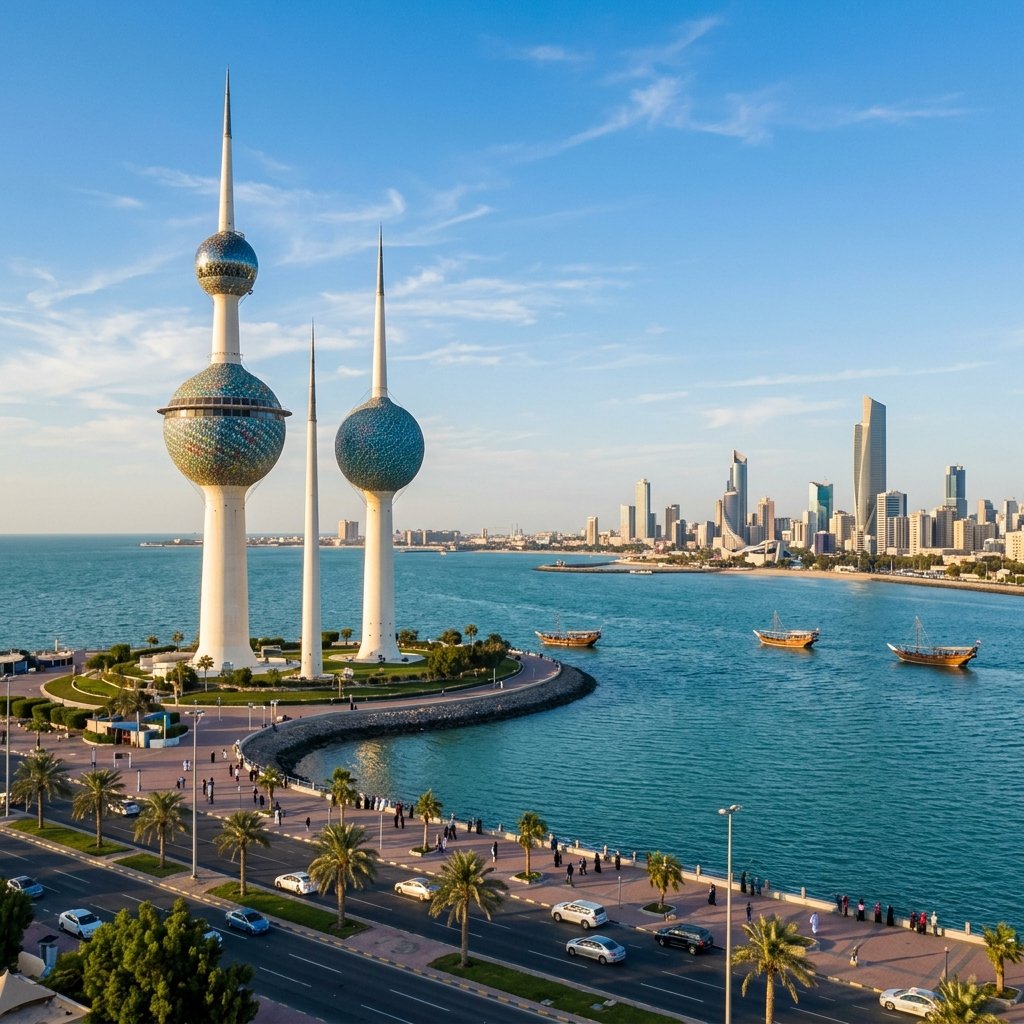
To easily hail local taxis, navigate using PACI building codes on the Kuwait Finder app, and stay connected on the go, purchase a high-speed Kuwait eSIM. It keeps you connected from the heights of the Kuwait Towers to the historic corridors of Souq Al-Mubarakiya!