Stepping into Bolivia feels like entering a different world. From the dizzying heights of La Paz to the surreal expanse of the Uyuni Salt Flats, this South American nation offers some of the most dramatic landscapes on Earth. But let’s be honest: between navigating altitude sickness, dealing with a cash-heavy economy, and figuring out local transit, Bolivia can be a bit overwhelming for first-timers. After spending weeks exploring its rugged beauty, I’ve put together this practical, no-nonsense survival guide to help you navigate Bolivia like a seasoned traveler.
1. Surviving the Altitude: The Soroche Battle
Most travelers begin their Bolivian journey in La Paz, which sits at a breathtaking 3,640 meters (nearly 12,000 feet) above sea level. The moment you step off the plane, you will feel the thin air. Altitude sickness—locally known as soroche—is very real. Headaches, nausea, and extreme fatigue are common during your first 48 hours.
To survive, do not rush. Take your first two days very easy, drink plenty of water, and avoid heavy meals or alcohol. The locals swear by mate de coca (coca leaf tea), which is served in almost every hostel and hotel. If the tea isn’t enough, you can buy “Sorojchi Pills” over the counter at any local farmacia. They contain aspirin and caffeine and work wonders for relieving altitude-induced headaches.
Before you start exploring the steep streets of La Paz, make sure you have your connectivity sorted. Rather than searching for local SIM cards in Spanish-only shops, I highly recommend buying a Bolivia eSIM before you arrive. It gives you instant access to maps and translation apps the second you land, which is a lifesaver when you are feeling lightheaded from the altitude.
2. Getting Around: Cable Cars and Ride-Hailing
Transportation in Bolivia is a unique adventure. Here is how to navigate like a local:
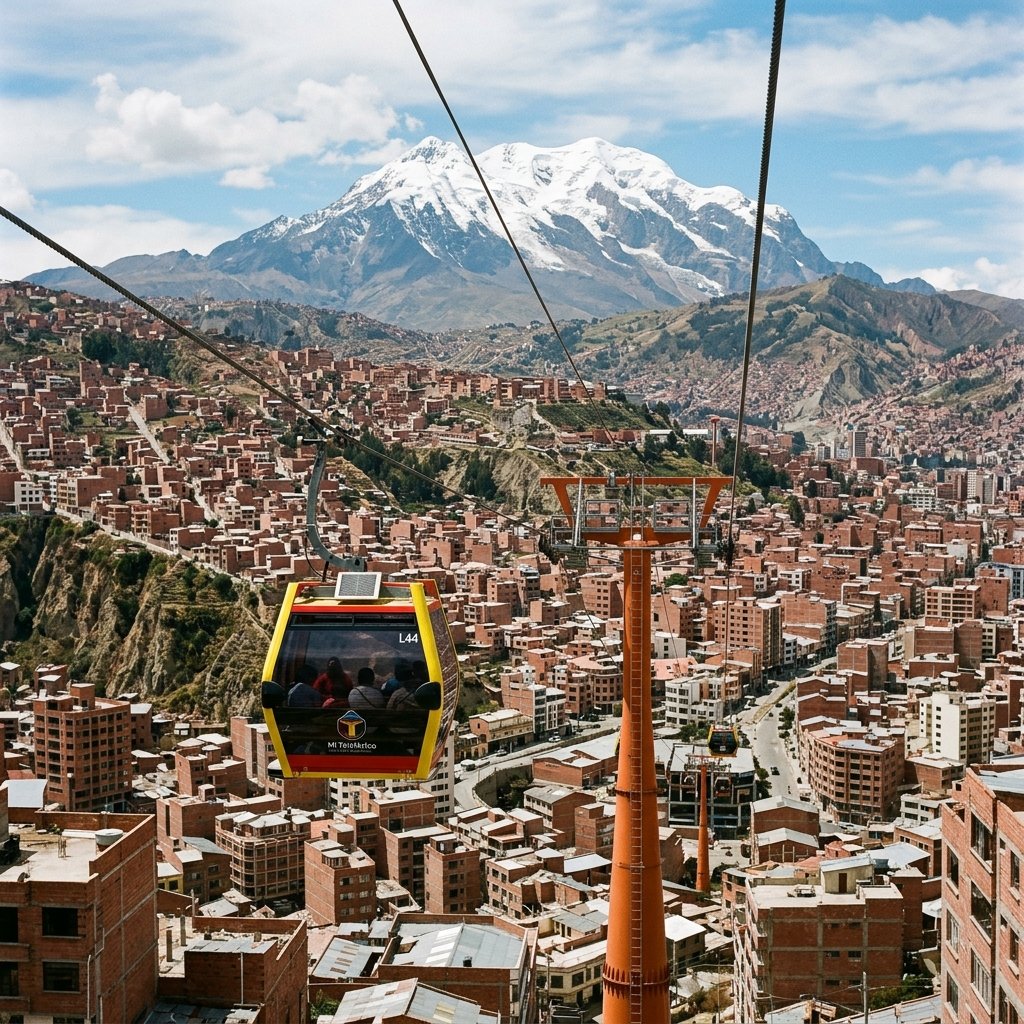
- Mi Teleférico (La Paz): This is the world’s highest cable car network and the absolute best way to travel between La Paz and El Alto. It is cheap (around 3 BOB per line), incredibly clean, safe, and offers stunning aerial views of the city. Buying a rechargeable smart card at any station is highly recommended if you plan to ride multiple lines.
- Ride-Hailing Apps: In La Paz and Santa Cruz, Yango and Uber are widely used and much safer than flagging down random street taxis. Yango is particularly popular and offers very low rates. Always use it to avoid overcharging.
- Trufis and Micros: These are local shared minibuses and buses. They are very cheap but have no fixed schedules or maps. You simply look at the destinations written on the windshield and flag them down. Unless you speak decent Spanish and know the city layouts well, stick to Mi Teleférico and Yango.
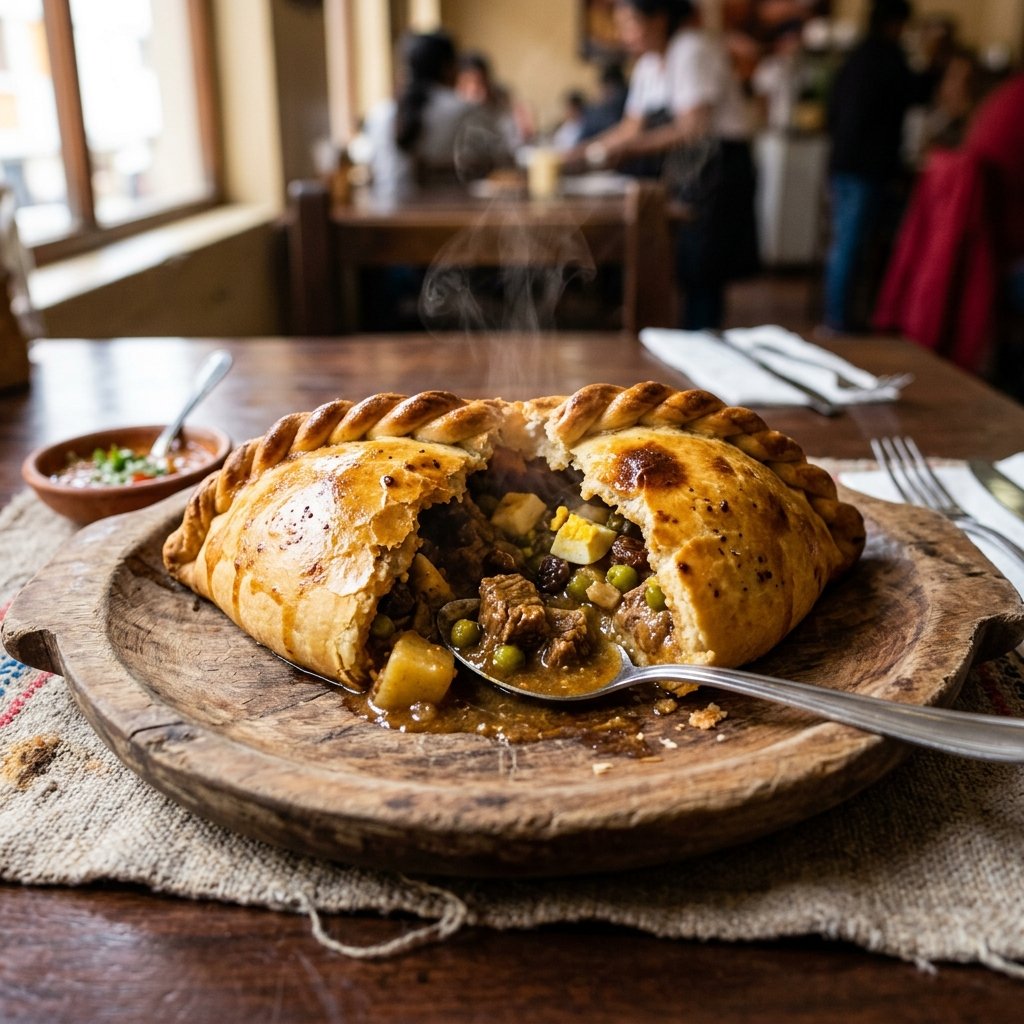
3. Salteñas, Street Food, and Cash Rules
Bolivia is a cash-heavy economy. Outside of upscale hotels and restaurants in major cities, credit cards are rarely accepted. You will need cash for everything from market shopping to paying for park entrances. When withdrawing money, look for ATMs from Banco Unión or Banco Mercantil Santa Cruz, which generally offer the lowest fees. As always, decline Dynamic Currency Conversion (DCC) at the ATM to ensure your home bank handles the exchange rate, saving you from high merchant markup fees.
Now, let’s talk food! You cannot visit Bolivia without eating a salteña for breakfast. These are savory, baked pastries filled with spiced meat, hard-boiled eggs, olives, and a rich, sweet gravy. The trick to eating a salteña without spilling the hot broth all over yourself is to hold it upright, bite off the top corner, sip the broth first, and then eat the rest. For a hearty lunch, try Silpancho (a thin, breaded beef cutlet served over rice and potatoes, topped with a fried egg and fresh salsa) or Pique Macho (a massive plate of beef pieces, french fries, onions, and hot peppers).
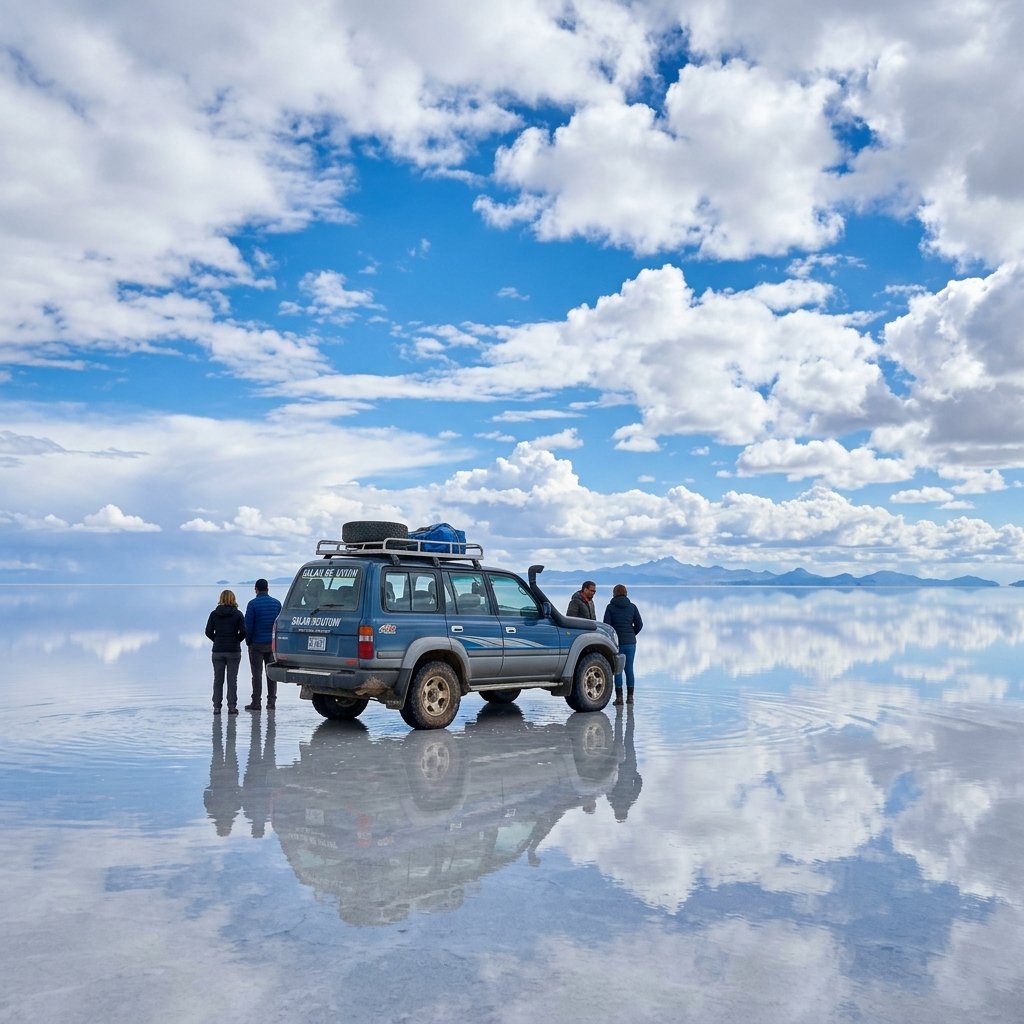
4. Salt Flats, Death Road, and Local Etiquette
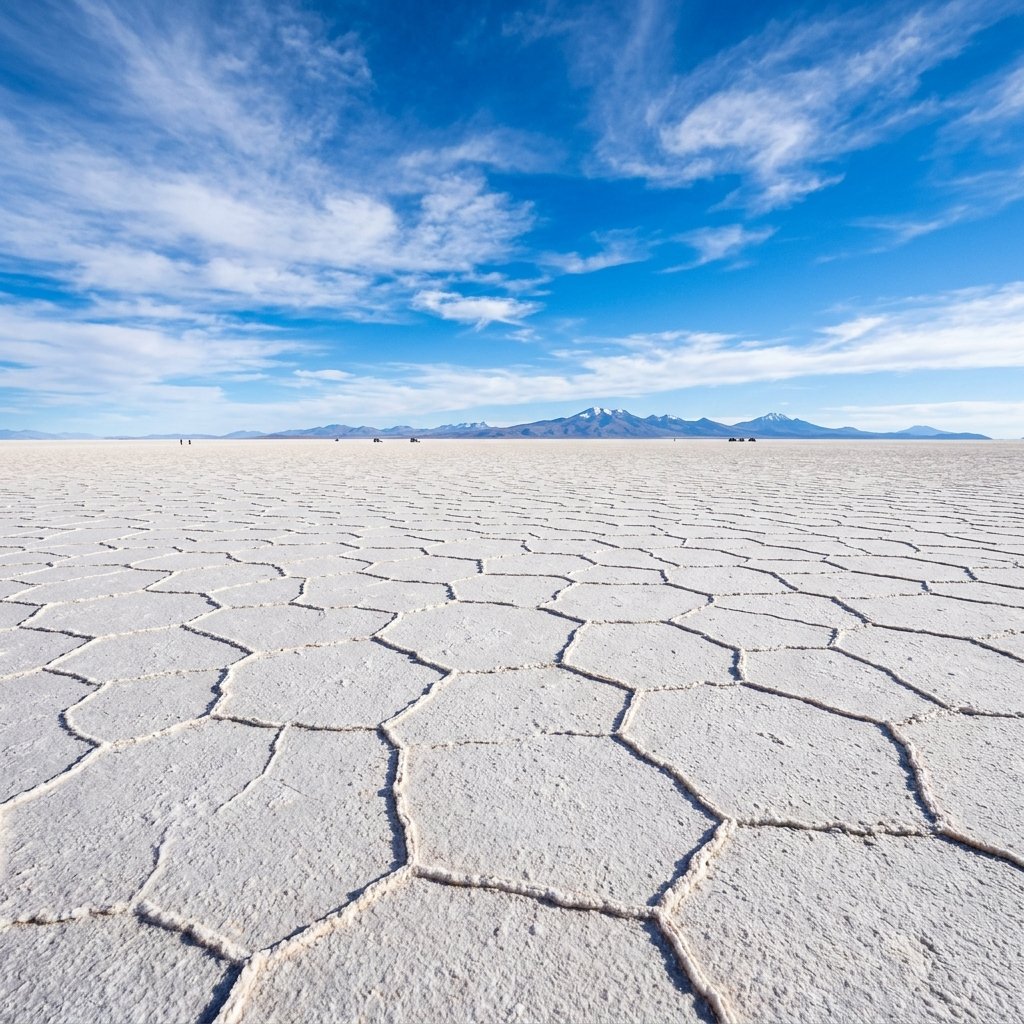
Bolivia’s main attraction is the majestic Salar de Uyuni, the world’s largest salt desert. Whether you visit during the dry season for the cracked white grid pattern or during the wet season (January to April) for the giant mirror reflection effect, a 3-day jeep tour is an absolute must-do. For adrenaline junkies, biking down the infamous Death Road (Yungas Road) from the snow-capped Andes down to the subtropical rainforest is a thrilling experience.
Seamless Connectivity: A Guide to Entel, Tigo, and Viva eSIM in Bolivia
When traveling in Bolivia, the major mobile networks are Entel, Tigo, and Viva. Entel is the state-owned operator and has the best coverage, especially in remote regions like Salar de Uyuni and high-altitude towns. It provides stable 4G LTE download speeds up to 50 Mbps. Throughout my trip, I tested active network signals on an iPhone 15 Pro, and found connection to be stable from La Paz cable cars to the salt flats.
When interacting with locals, especially indigenous Aymara and Quechua people, always be respectful. Ask for permission before taking photos of people or their market stalls. A polite “Puedo tomar una foto?” goes a long way. Dress in layers, as temperatures drop below freezing at night in the highlands, stay hydrated, keep your Bolivia eSIM active, and get ready for the adventure of a lifetime!