
I still remember the sudden panic when I looked at my credit card statement after my first road trip through Ontario: a $35 charge for a 5-minute drive. It turns out I had accidentally taken Highway 407 ETR, a toll road north of Toronto that has absolutely no physical booths. The cameras scanned my rental car’s plate, and the rental company added a hefty administrative fee on top of the actual toll. It was my first introduction to Canada’s highly digital, card-first society. To travel without paying unexpected fines, overpaying for currency exchange, or getting stranded without maps, you need to prepare before you arrive. Installing a high-speed Canada eSIM on your smartphone before departing is the smartest way to ensure you stay connected from the moment you land.
1. Public Transit in Vancouver & Toronto: Compass vs. PRESTO
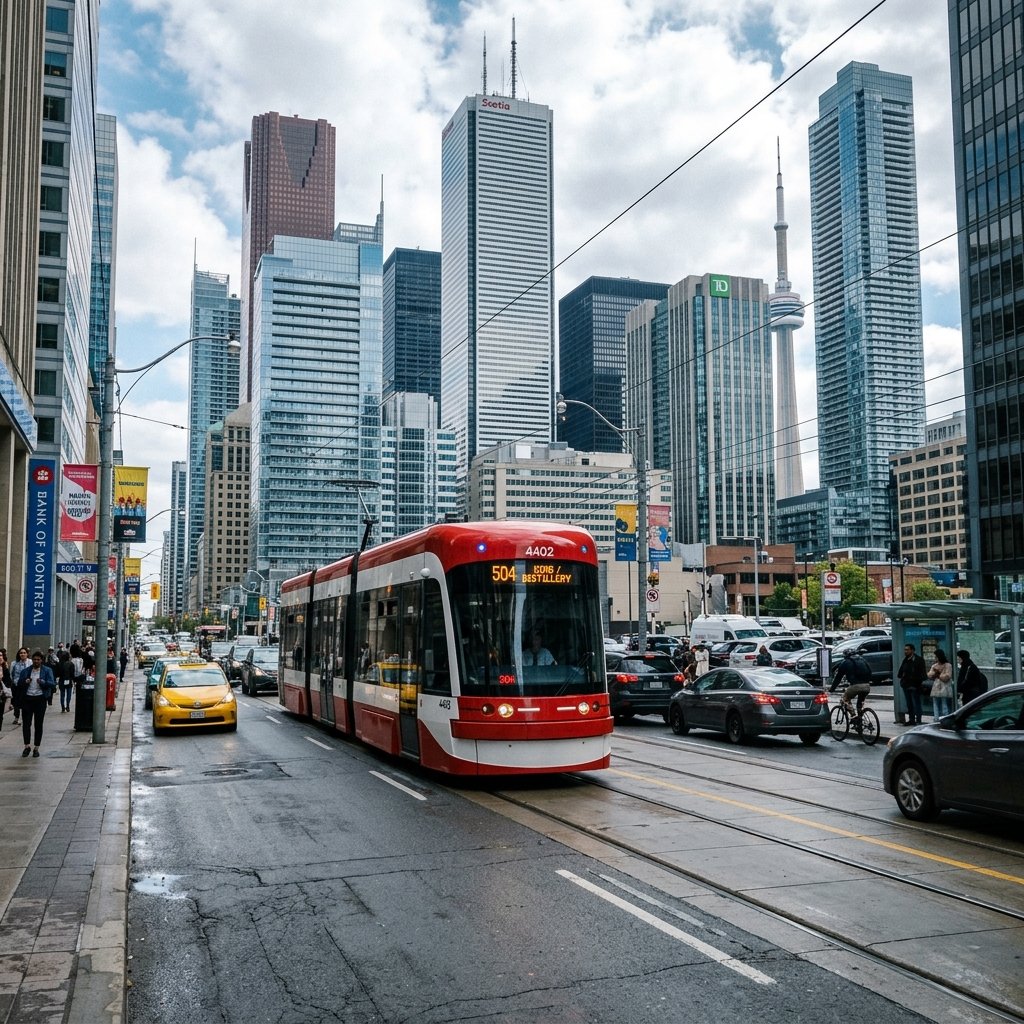
Canada’s major urban hubs boast excellent public transportation, but each city operates its own completely independent fare system. In Vancouver, the TransLink network uses the Compass Card. While you can tap contactless credit cards, debit cards, or mobile wallets at gate turnstiles and on buses, doing so charges a single cash fare. If you pay with physical cash on a Vancouver bus, you must use exact coin change only, and you will not receive a transfer ticket valid for the SkyTrain or SeaBus. Using a Compass Card or a contactless card tap provides a seamless 90-minute transfer window across the entire system. In Toronto, the transit network is managed via the PRESTO Card. You can tap your credit card or mobile wallet, but if you choose to pay with physical cash on TTC buses or streetcars, you must have exact change. Furthermore, cash payments do not qualify for Toronto’s automated two-hour free transfer window. Tapping a PRESTO card or a mobile wallet automatically tracks your travel time, allowing you to hop on and off transit lines for two hours for a single fare.
2. Navigating Montreal Transit: OPUS and Ticket Kiosks
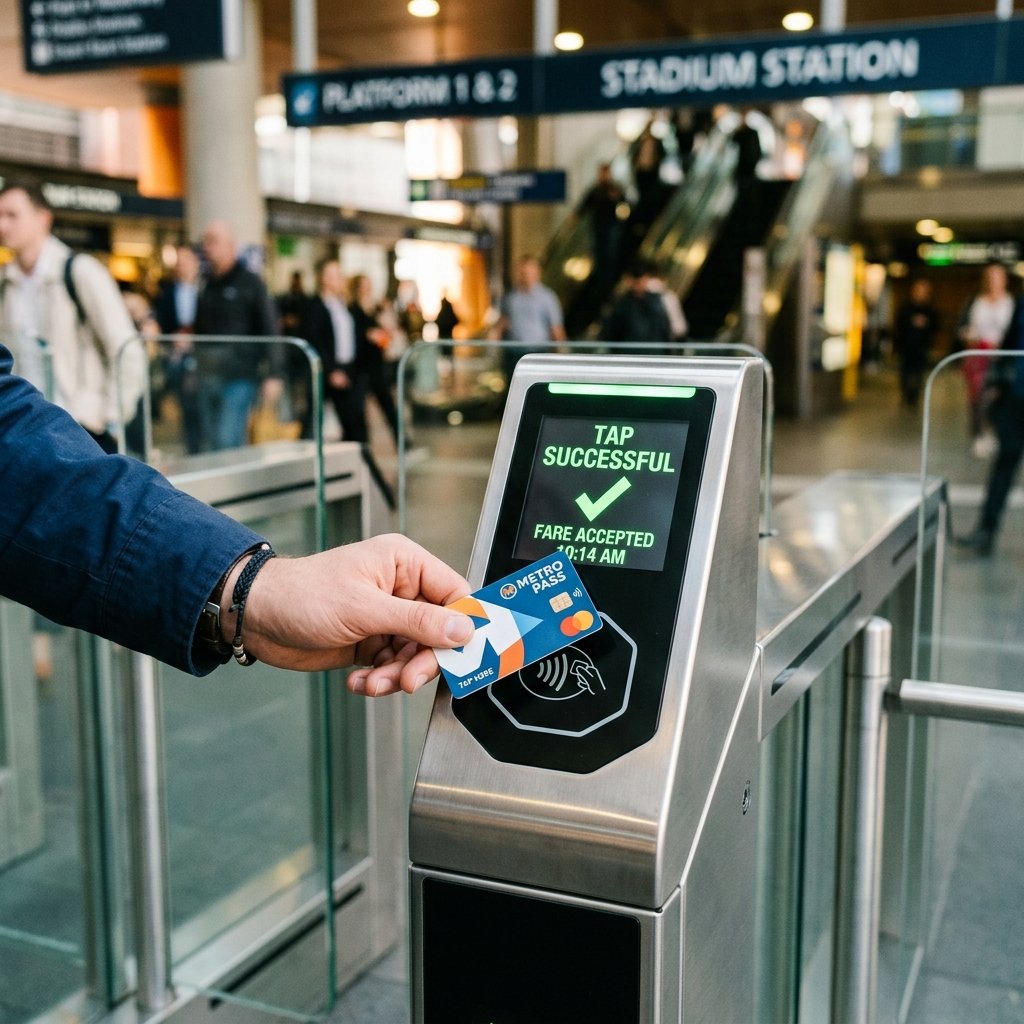
Montreal’s transit system (STM) operates under different payment constraints. The primary smart card is the reloadable OPUS Card. For short-term visitors, the disposable L’Occasionnelle card is extremely convenient, offering unlimited evening or weekend passes. Unlike Vancouver and Toronto, Montreal’s metro turnstiles do not universally support direct credit or debit card tapping. You must purchase a ticket or load an OPUS card at station kiosks before boarding. If you pay bus fares in Montreal with cash, you must use exact change and ask the driver for a paper transfer ticket to continue onto the metro. To avoid these transit hassles, keeping your phone active with a digital map allows you to navigate transit routes in real-time. Tapping your phone at transit readers is much easier when you have pre-loaded mobile data.
3. Toll Roads: Navigating Highway 407 ETR without Fees
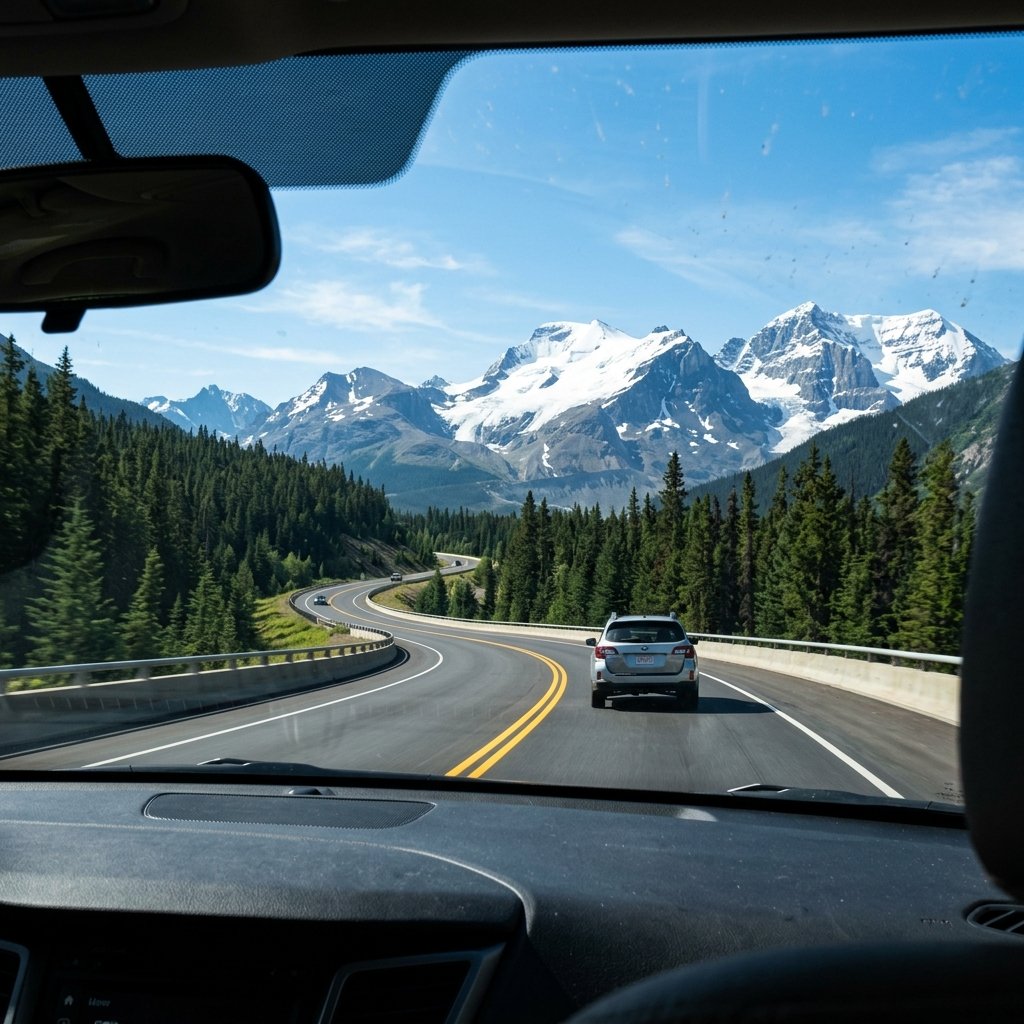
Driving across Canada offers breathtaking scenery, but road regulations vary significantly by province. If you are driving around Ontario, you must be careful when approaching Highway 407 ETR (Electronic Toll Route) north of Toronto. This highway is entirely barrier-free and uses overhead cameras and transponders instead of toll booths. If you drive a rental car on this route, the toll invoice is sent directly to your rental agency, which will charge your credit card along with a steep administrative convenience fee of $10 to $25 CAD per trip. To avoid this unexpected charge, adjust your GPS navigation settings to avoid tolls, keeping you on free highways like the 401. If you drive your own vehicle, the system will use video tolling, capturing your license plate and mailing an invoice to your registered home address in the United States or other Canadian provinces through reciprocal database-sharing agreements.
4. Driving Safety: Winter Tires, National Park Passes & Wildlife
If you plan to visit Canada’s majestic national parks, you will need a Parks Canada Discovery Pass. This annual pass must be displayed on your vehicle’s dashboard or presented at entry gates for federal sites like Banff or Jasper. However, federal passes do not grant entry to provincial parks, which require separate day-use permits. If you drive during the winter months, pay close attention to winter tire mandates. Quebec legally requires winter tires with the Alpine symbol (three-peak mountain and snowflake) on all passenger vehicles from December 1 to March 15. British Columbia mandates winter tires on designated mountain highways from October 1 to April 30. In national parks, snow tires or chains are legally required whenever highways are covered in snow or ice. Additionally, always stay alert for wildlife crossing signs; Parks Canada has constructed extensive animal overpasses and underpasses, but collisions with elk, moose, and bears remain a serious hazard at dawn and dusk.

5. The Cashless Rule & Tipping Etiquette in Canada
Canada is rapidly transitioning into a cashless society. It is completely legal for Canadian businesses, cafes, and retailers to refuse physical cash entirely. Card-only establishments are common in downtown city centers, meaning you should always carry a major credit card or debit card. When it comes to dining out, tipping is highly expected. In full-service Canadian restaurants, a standard tip ranges from 15% to 20% of the pre-tax bill, with 18% being typical for good service. Taxis, rideshares, and food delivery services generally expect a 10% to 15% tip. While tipping at coffee shop counters is optional, digital payment terminals will prompt you for a tip, leading to local discussions about tipflation.
Check the r/canada community on Reddit for local advice.

6. Cash Withdrawals: ATM Surcharges & Local Banks
If you do need physical cash, withdraw it from ATMs operated by major Canadian banks (such as TD, BMO, or RBC) where fees are typically $1.50 to $3.50 CAD. Avoid white-label convenience store ATMs, which charge hefty operator fees of $3.00 to $5.00+ CAD on top of international transaction markups.
7. Seamless Connectivity: Why a Local eSIM is Essential
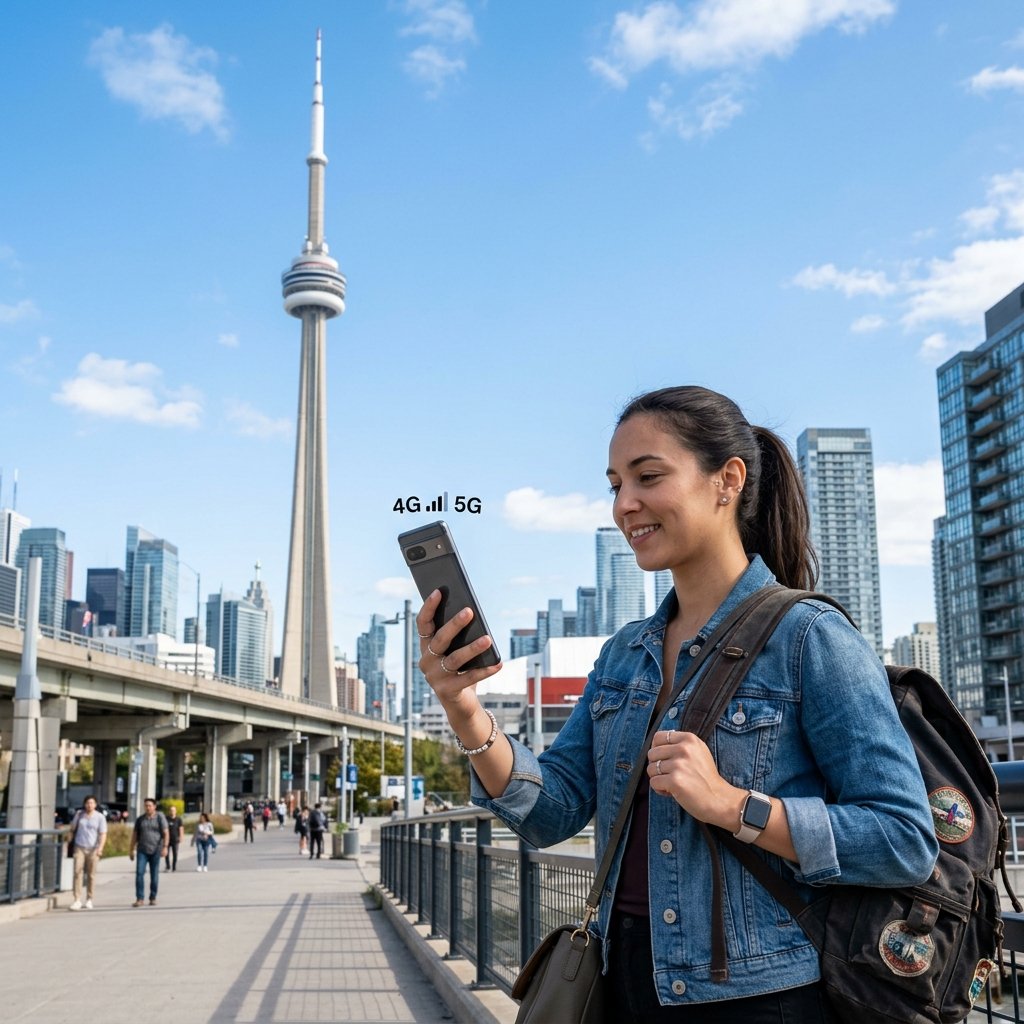
To check transit timetables on your phone, navigate toll routes, or show your digital park pass, a reliable mobile internet connection is indispensable. Canada’s mobile landscape is dominated by three major networks: Rogers, Bell, and Telus. While local plans are notoriously expensive, using a digital reliable Canada eSIM is the most cost-effective alternative. It allows you to connect directly to local 5G networks as soon as you land, bypassing long airport lines and physical registration. Setting up a data-only eSIM before you leave ensures you avoid expensive carrier daily passes, which often cost $12 to $16 USD per day and carry double-billing risks. For messaging and calls, you can easily use internet-based applications like WhatsApp or FaceTime, keeping you connected throughout your Canadian journey.
Where can I find official travel and visa information for Canada?
You can find official entry rules, eTA requirements, and travel guidelines on the Official Canada Tourism Portal.
Should I get an eSIM before traveling to Canada?
Yes, getting an eSIM before arriving in Canada is highly recommended. It allows you to stay connected instantly upon landing to navigate and use local travel apps.
 Canada eSim