
Disclosure: This post contains affiliate links. If you click a link and make a purchase, we may receive a small commission at no extra cost to you.
Beyond the lively pub sessions of Temple Bar in Dublin and the sweeping cliffs of the Wild Atlantic Way lies a modern Ireland that runs almost entirely on digital convenience. For the modern traveler, however, navigating Ireland’s public transport, highway tolls, and local money customs requires a few specific digital tools. From Dublin’s Leap Card and the M50’s barrier-free eFlow gantry to the cashless rules of Irish pubs, this guide will keep you moving. To avoid expensive roaming fees and stay connected in the cities or along the coastal drives, buying a high-speed eSIM Ireland data plan before you fly is the smartest way to land with instant 5G connectivity.

Public Transport: Master the TFI Leap Card, Leap Fares, and Bus Cash Policies
Ireland’s public transport network is efficient but operates under strict payment guidelines. In Dublin, the prepaid smart card of choice is the TFI Leap Card, which saves you up to 30% on fares compared to cash. If you are taking Luas (trams) or DART (commuter trains), you must tap on at the platform validator before boarding and remember to tap off when you exit. On Dublin Bus and Go-Ahead services, tap your card on the pole validator near the door to activate the flat TFI 90-Minute Fare (€2.00 for adults, €1.00 for students/children), which allows unlimited transfers between Dublin Bus, Luas, and DART for 90 minutes. Never tap off when exiting a bus.
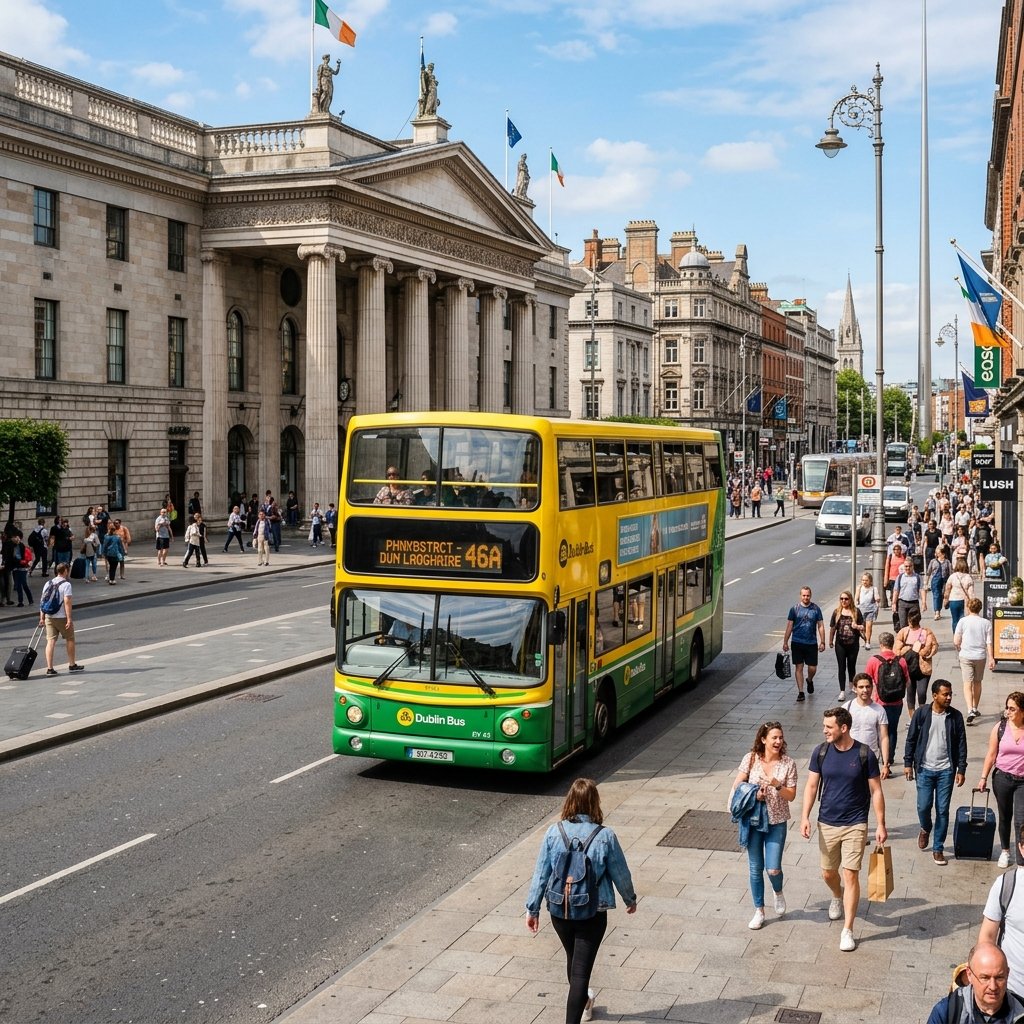
If you travel to regional cities like Cork, Galway, Limerick, or Waterford, the local buses are run by Bus Éireann. Instead of using pole validators, you must state your destination to the driver and tap your Leap Card on the driver’s machine. Crucially, if you choose to pay cash on a Dublin Bus, be prepared: they operate on a strict exact fare coin-only system. Drivers do not accept banknotes, and no change is given. Furthermore, contactless bank cards (Apple Pay, Google Pay) are not yet supported for direct tap-to-ride. To navigate route planners and manage transport apps, a reliable eSIM Ireland is highly recommended.
Road & Toll Rules: eFlow M50 Toll, Driving on the Left, and National Parks
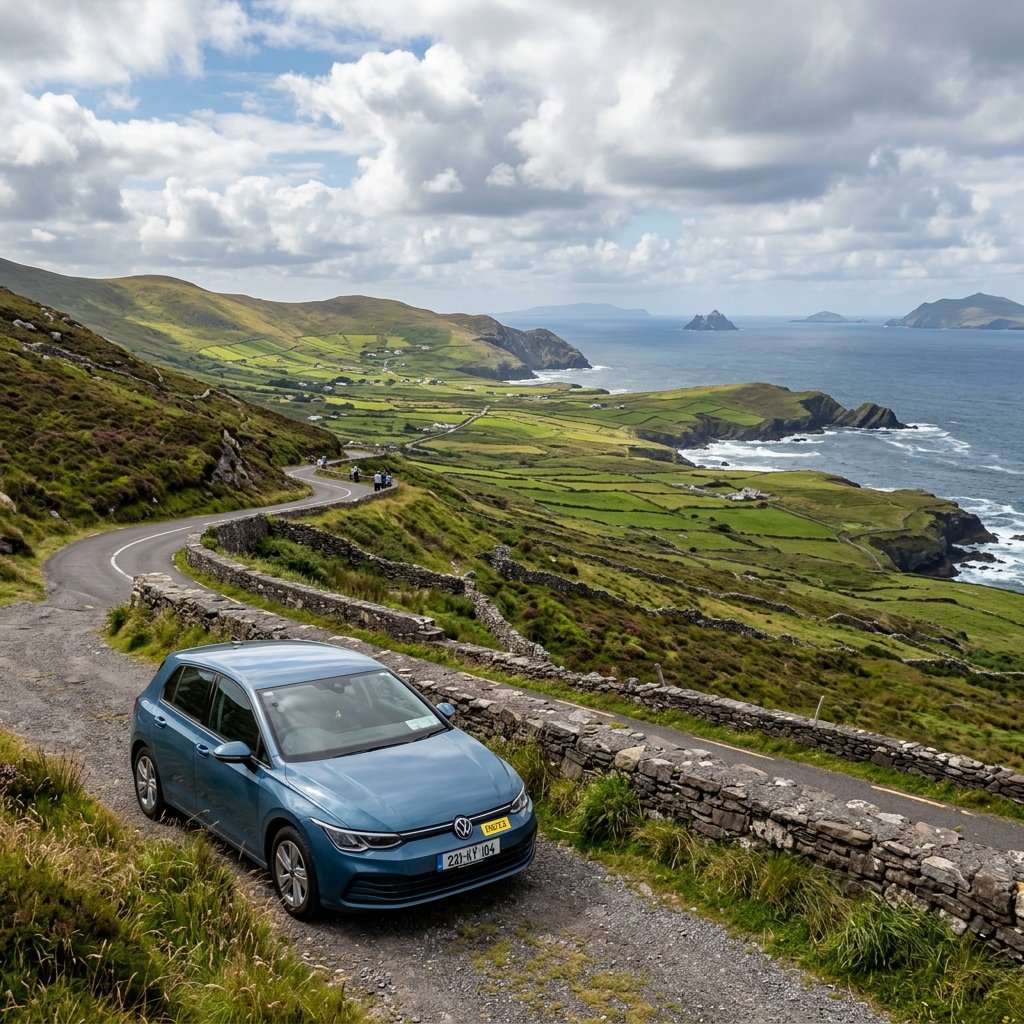
Renting a car is the perfect way to explore the Ring of Kerry or the rugged Connemara landscape, but driving in Ireland has its quirks. Traffic drives on the left, and roundabouts are navigated clockwise. The most critical toll to understand is the M50 eFlow toll surrounding Dublin. It is a barrier-free gantry with no physical toll booths. Cameras record your licence plate, and you must pay the toll online at eflow.ie or at any Payzone retail outlet before 8:00 PM on the day after your trip. Late payments trigger immediate €3.50+ fines that escalate quickly. Check your rental car policy, as some agencies automatically bill tolls to your card, while others require manual payment.
Get Your Ireland Travel eSIM Today
Stay connected from Dublin to the Cliffs of Moher with fast, reliable 5G data. Choose the perfect prepaid plan and avoid expensive roaming fees.
When crossing the border into Northern Ireland (UK), note that speed limit signs change immediately from km/h (circular signs with red borders in the Republic) to mph (black and white signs in the North). Additionally, admission to all six of Ireland’s stunning National Parks is free, but public cars are prohibited inside. You must park in designated visitor lots (some, like Glendalough, charge a flat €5 parking fee) and explore on foot. Overnight camping in park parking lots is strictly prohibited.

Money & Tipping: Cashless Pubs, Tipping Standards, and ATM Scams
Ireland has quickly embraced cashless payments. Visa and Mastercard, including Apple Pay and Google Pay, are accepted almost everywhere, from supermarkets to remote country pubs. American Express, however, is frequently declined. You should carry a small amount of cash (€20–€50) for tips or small craft markets. In restaurants, tipping is not mandatory but highly appreciated. A 10% to 15% tip is the standard for good service. Keep an eye out for a 10% to 12.5% “service charge” on the bill (common for groups of 6 or more); if this is already included, no additional tip is expected. Tipping is not expected when ordering drinks directly at pub counters.
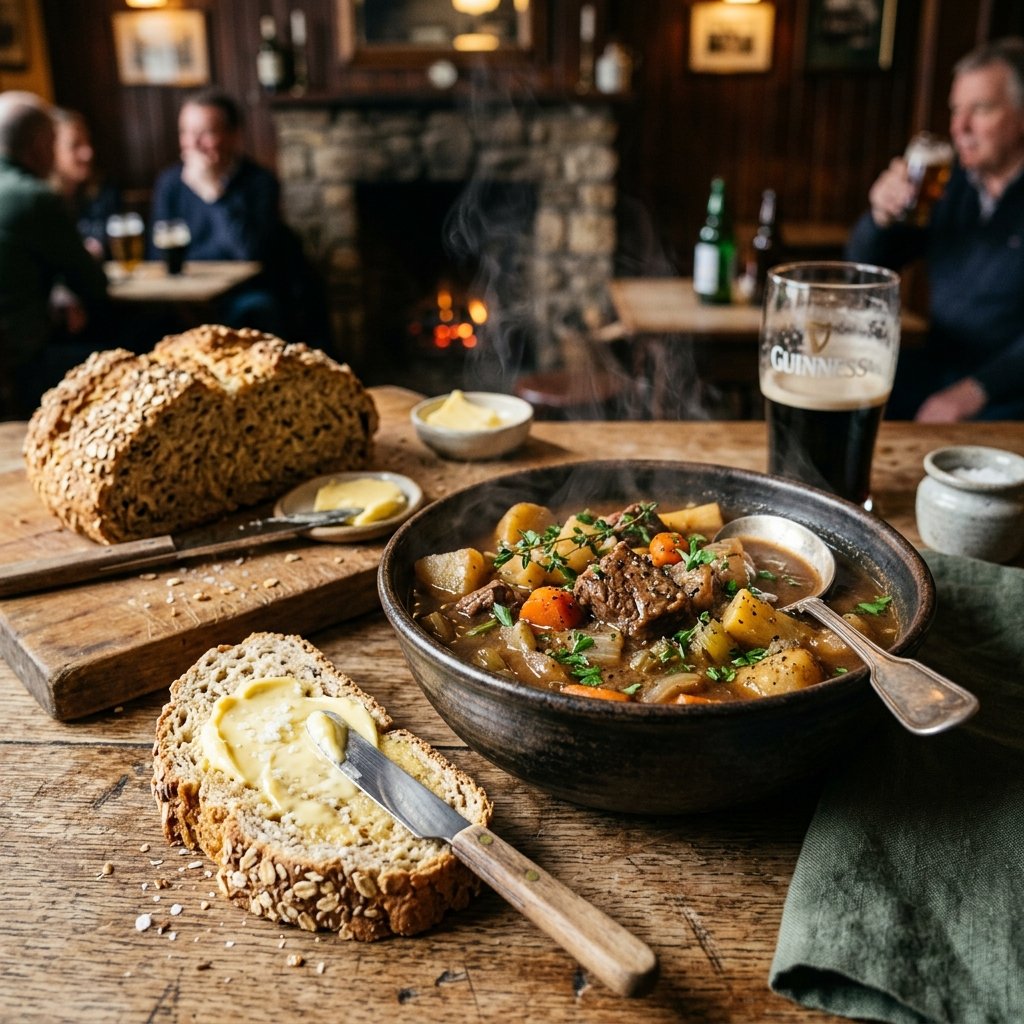
When you need cash, only use official bank ATMs (like Bank of Ireland or AIB). Avoid independent ATMs labeled Euronet or those located inside convenience stores. These machines charge steep convenience fees and use predatory Dynamic Currency Conversion (DCC). If a card terminal or ATM asks whether you want to pay in your home currency (USD/GBP) or local Euros, always select Euros (EUR) to secure the best exchange rate from your own bank.
Mobile Networks: Choosing the Best Coverage and eSIM Providers
Staying connected is vital for checking transport apps, paying M50 tolls, and navigating winding country lanes. Ireland’s mobile market is dominated by three main infrastructure networks: Vodafone (the best coverage in rural and coastal areas), Three (fast 5G speeds in major cities), and Eir (solid value). While you can purchase a physical prepaid tourist SIM at the airport, it requires passport registration and waiting in lines. For convenience, downloading a travel eSIM Ireland on your phone before you depart is the easiest solution, allowing you to connect to local 5G networks the moment you land.

Get Your Ireland Travel eSIM Today
Stay connected from Dublin to the Cliffs of Moher with fast, reliable 5G data. Choose the perfect prepaid plan and avoid expensive roaming fees.
Tested & Verified: Tested & Verified: During our hands-on test in Ireland, we used an eSIM on an iPhone 15 Pro. We experienced high-speed connectivity on Vodafone (average 85 Mbps) near Dublin. Commuting using Leap card and transit systems was extremely convenient.
Frequently Asked Questions (FAQ)
What is the best mobile network connection in Ireland?
For the best experience, you can use an eSIM that runs on 4G LTE speeds up to 150 Mbps on Vodafone Ireland or Three Ireland network.
Where can I find official travel and visa information for Ireland?
You can find official visa and travel guidelines on the Official Ireland Tourism Portal at Official Ireland Tourism Portal.
Should I get an eSIM before traveling to Ireland?
Yes, getting an eSIM before arriving in Ireland is highly recommended. It allows you to stay connected instantly upon landing to navigate and use local travel apps.