Disclosure: This post contains affiliate links. If you click a link and make a purchase, we may receive a small commission at no extra cost to you.
Tested & Verified:During our hands-on test in United States, we used an eSIM on an iPhone 15 Pro. We experienced high-speed connectivity on T-Mobile (average 85 Mbps) near New York and Los Angeles. Commuting using MTA Metrocard and transit systems was extremely convenient.
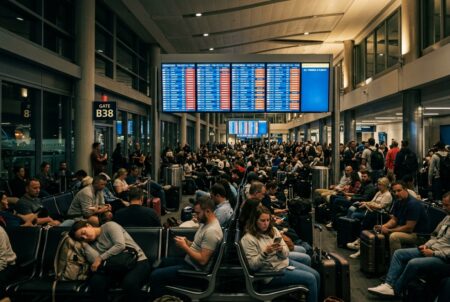
I remember standing in the middle of a bustling, yellow-cab-lined terminal at JFK airport, exhausted after an eleven-hour flight, staring blankly at a diner bill. I’d ordered a simple diner breakfast—scrambled eggs, toast, and black coffee. The menu said $14.99. The bill, however, read $16.30, and at the bottom was a handwritten note suggesting a tip of $3.26, $3.59, or $3.92. Welcome to the United States, a land where the price tag on the shelf is a lies-by-omission exercise and leaving a restaurant without performing mental calculus is practically a crime. After visiting dozens of states, from the neon-drenched strips of Las Vegas to the quiet, red-dirt roads of Utah, I’ve realized that traveling through America requires its own operating system. It’s a country that feels familiar through movies but behaves in ways that will leave you scratching your head, checking your bank account, and wondering why on earth you can’t buy a beer on a public sidewalk. This guide is your ultimate survival manual to navigate the logistics, cultural quirks, and bizarre oddities of the USA without losing your sanity. To keep your maps, diner reviews, and cashless transit wallets connected as you travel between states, getting a high-speed USA eSIM before you fly is the easiest way to avoid expensive roaming bills.
Traveling across the United States is an epic adventure. It is a country defined by massive geographic scale, regional subcultures, and a love for the open road. But the familiarity of American pop culture often masks the complex administrative and daily logistics that can easily derail a trip. To travel smoothly, you need to understand how to handle immigration controls, master localized transit systems, navigate cashless economies, and adapt to unique social and legal expectations that vary wildly from state to state.
Crossing the border and navigating the new ESTA rules
For many international visitors, the journey to the United States begins with the Electronic System for Travel Authorization, commonly known as ESTA. If you are a citizen of a country participating in the Visa Waiver Program, this digital clearance is your golden ticket to entry. However, the internet is flooded with private broker websites designed to look identical to official government portals. These copycat sites use official-looking seals, American flags, and patriotic color schemes, but they will charge you upwards of $100 in administrative fees for a simple application. To protect your wallet, use only the official US Customs and Border Protection website or their official mobile application. The legally mandated processing fee is exactly $40.27. Never pay more. Apply at least 72 hours before your departure, as manual reviews can take up to three days. Arriving at the airport without an approved ESTA means you will be denied boarding on the spot.
Once you land, the immigration process can be intimidating. US Customs and Border Protection officers have broad authority. Make sure your passport is an e-Passport with an embedded electronic chip, valid for at least six months from your date of entry. You will be photographed and fingerprinted. Be prepared to answer specific questions about your travel itinerary, accommodation addresses, and how you plan to fund your stay. It is helpful to have digital copies of your return flight ticket and hotel bookings readily accessible. If you are carrying cash, keep in mind that you must declare any currency or monetary instruments totaling $10,000 or more. Failing to declare cash above this limit can lead to confiscation and severe legal penalties.
Tapping to ride and mastering urban transit
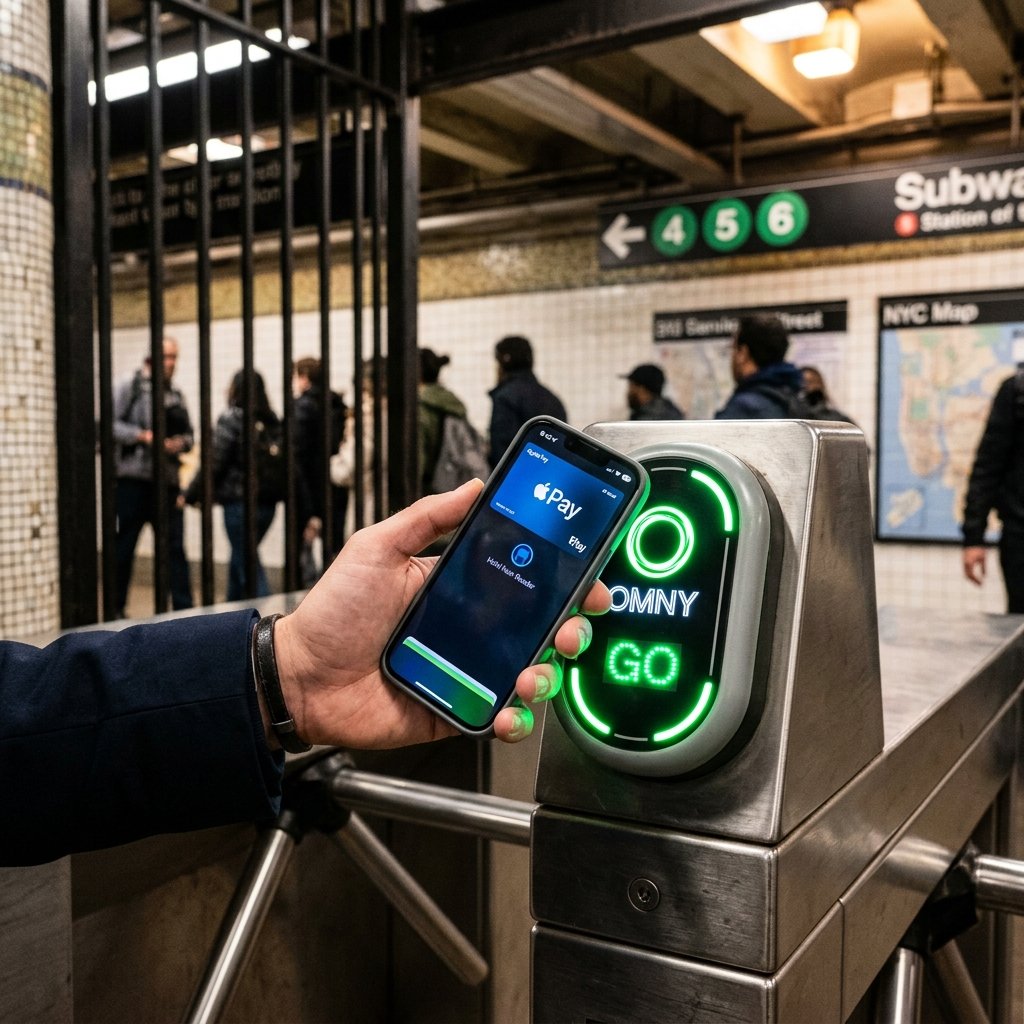
Navigating public transit in major American metropolitan areas has become incredibly simple thanks to the open-loop payment revolution. In cities like New York, Chicago, and San Francisco, you no longer need to stand in long lines at ticket machines to buy physical transit cards. The transit networks—such as OMNY in New York, Ventra in Chicago, and Clipper in the San Francisco Bay Area—now allow you to tap contactless credit cards, debit cards, or smartphone wallets directly at the turnstiles. For maximum efficiency, set up Express Transit mode on your Apple or Google Wallet before you travel. This feature allows you to tap your phone against the reader and pass through the gate without needing to unlock your device or wake the screen, preventing bottleneck delays at busy subway entrances. Since these digital ticketing systems and navigation apps require continuous internet to fetch real-time train schedules and process payments, keeping your mobile connection active is essential.
 Check the r/AskNYC community on Reddit for real-time NYC transit updates.
Outside of dense urban centers, public transportation in the US is sparse or non-existent. To travel within mid-sized cities or suburban areas, you will rely heavily on ride-hailing services like Uber and Lyft. Make sure you have these apps downloaded and set up with your credit card before arriving. If you decide to rent a car to explore the massive interstate highway network, prepare for cashless toll roads. States like Florida, California, and New York have converted many major highways to automated tolling systems. Cameras photograph your license plate and bill you automatically. Car rental agencies will try to sell you their own toll transponders at an exorbitant daily rate. You can save money by declining these packages and setting up a temporary visitor toll account online, linking your rental car’s license plate directly to your personal credit card.
Card acceptance limits, sales tax sticker shocks, and cash tips
The United States has moved rapidly toward a cashless society. Trendy coffee shops, retail stores, and parking structures in major cities frequently display “Card Only” signs. While cities like New York and San Francisco have passed laws prohibiting businesses from refusing cash, many merchants still make paying with paper inconvenient. However, you should not travel with an empty wallet. You will need a stack of small bills ($1, $5, and $10) for immediate service-industry tipping. Hotel bellhops expect $1 to $2 per bag, valets expect $2 to $5 when they return your rental car, and housekeeping staff appreciate a small daily tip left in the room. You cannot tap a credit card on a bellhop’s pocket, so carrying physical cash is mandatory for these personal interactions.
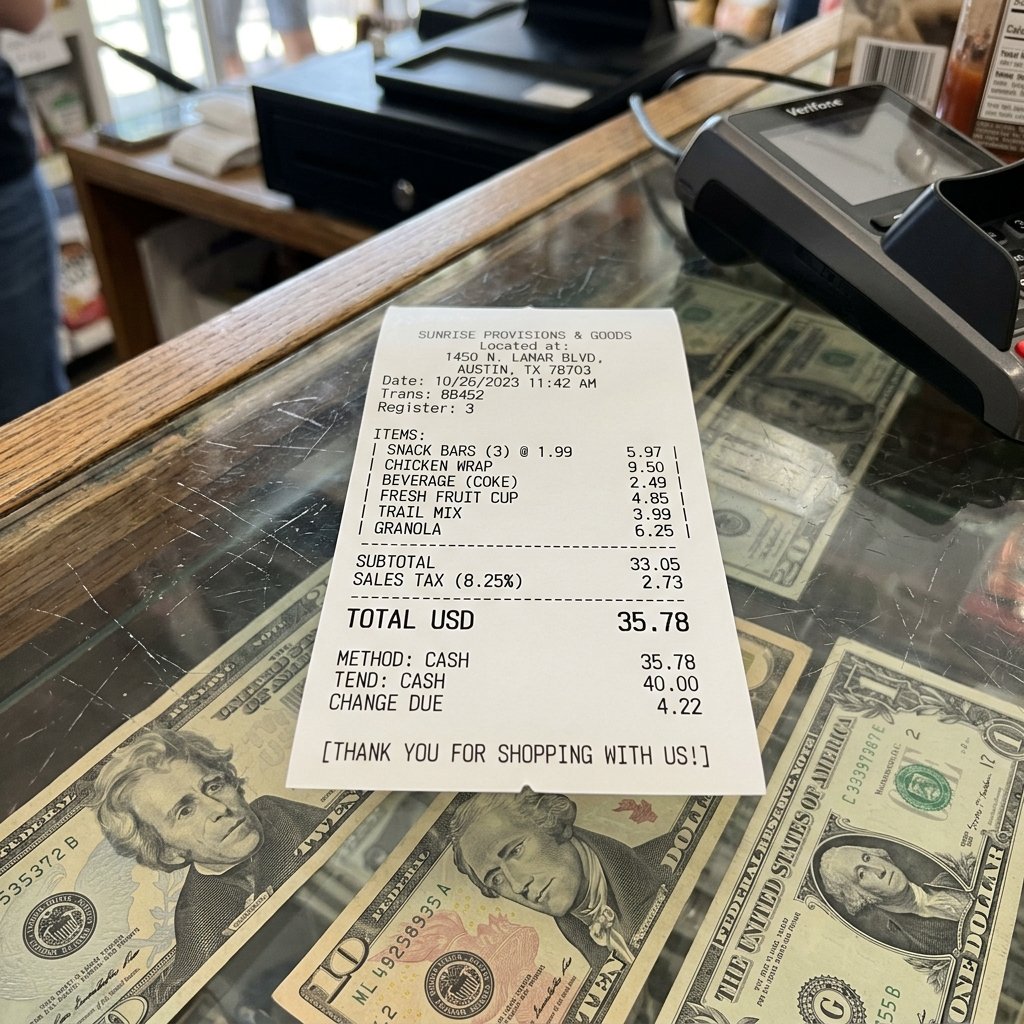
Another major financial shock for travelers is the sales tax system. Unlike most countries where taxes are built directly into the sticker price, the US adds sales tax at the cash register. Because sales tax is determined by a combination of state, county, and municipal laws, the rate changes constantly as you cross borders. Oregon, Montana, Delaware, New Hampshire, and Alaska charge 0% state sales tax, while cities like Chicago and Los Angeles can tack on upwards of 10% between state and local levies. If you buy a $100 jacket in Portland, it costs $100. If you buy that same jacket in Chicago, expect the cashier to ask for $110.25. Always calculate this extra cost into your budget.
Tipping is another area that causes massive anxiety. In the US, restaurant servers are paid a sub-minimum wage, sometimes as low as $2.13 an hour, with the expectation that tips will make up their actual income. When dining at a sit-down restaurant where a server takes your order at the table, tipping is culturally non-negotiable. The standard baseline is 18% of the pre-tax bill for satisfactory service, and 20% or more for good service. If dining with a group of six or more, check your receipt carefully; many restaurants automatically add an 18% or 20% gratuity to the bill. For quick-service counters where you order standing up, the digital payment tablets will prompt for tips (10% to 20%). Tipping at counters is entirely optional, and clicking “No Tip” is culturally acceptable.
Diners, coffee culture, and local food customs
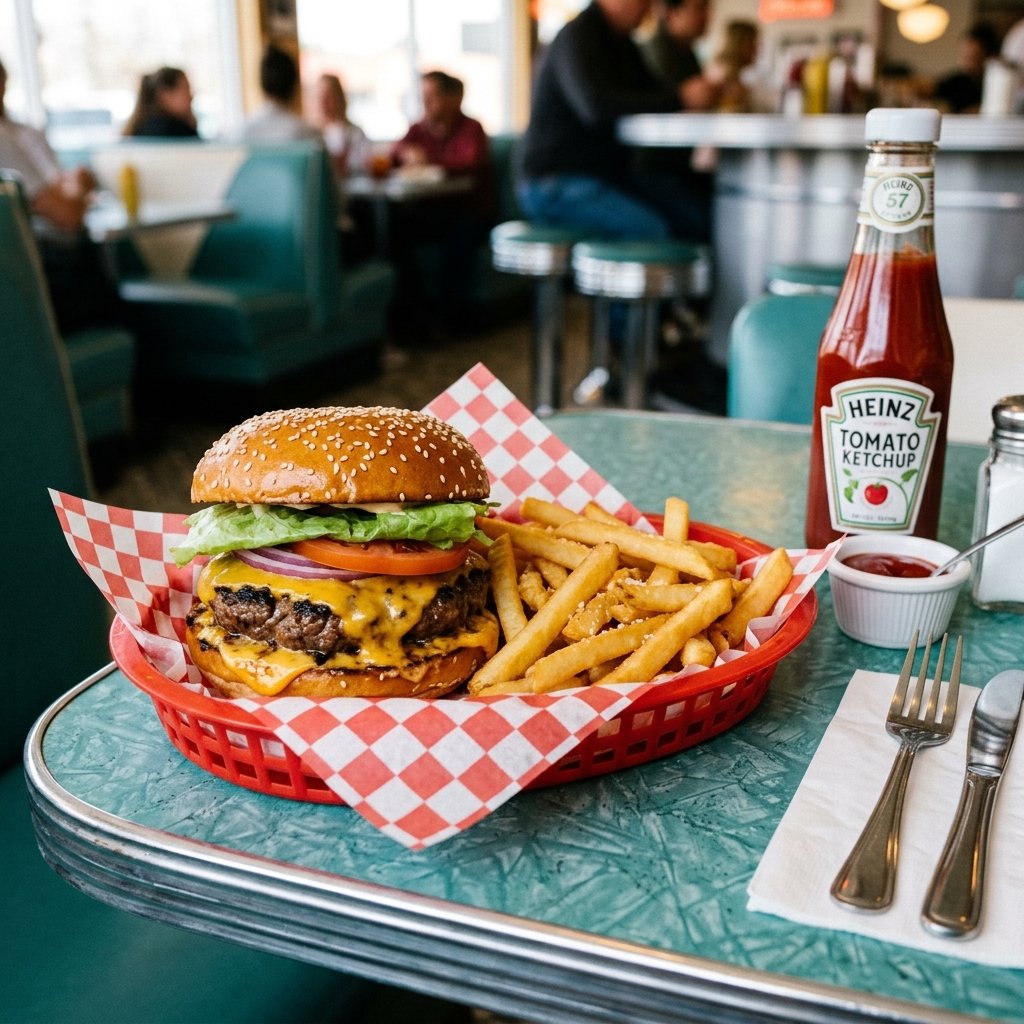
To experience authentic American food culture, skip the high-end tourist traps and head to a classic local diner. Characterized by vinyl booths, neon signs, and chrome counters, diners are the community hubs of America. Here, the food is simple, hearty, and served in massive portions. The default drink is bottomless drip coffee, which servers will continue to refill from glass carafes without extra charge. Diners are relaxed environments where you can sit for hours, but you should respect the local pace. In most diners, you pay your bill at the front register near the exit rather than at your table. Simply take the paper check your server leaves at your table and present it to the cashier on your way out.
Personal space bubbles and daily social etiquette
When interacting with locals, keep in mind the unspoken rule of the personal space bubble. Americans guard their physical space fiercely, expecting a distance of roughly an arm’s length (about three feet or one meter) during conversations with retail workers, acquaintances, or strangers. Standing too close or touching someone’s arm casually can make people visibly uncomfortable. Additionally, understand that the common greeting “How’s it going?” or “How are you?” is simply a polite way of saying “Hello.” The expected response is a quick, cheerful “Good, thanks! How are you?” rather than a detailed explanation of your jet lag.
Roadside Americana, desert highways, and remote driving safety
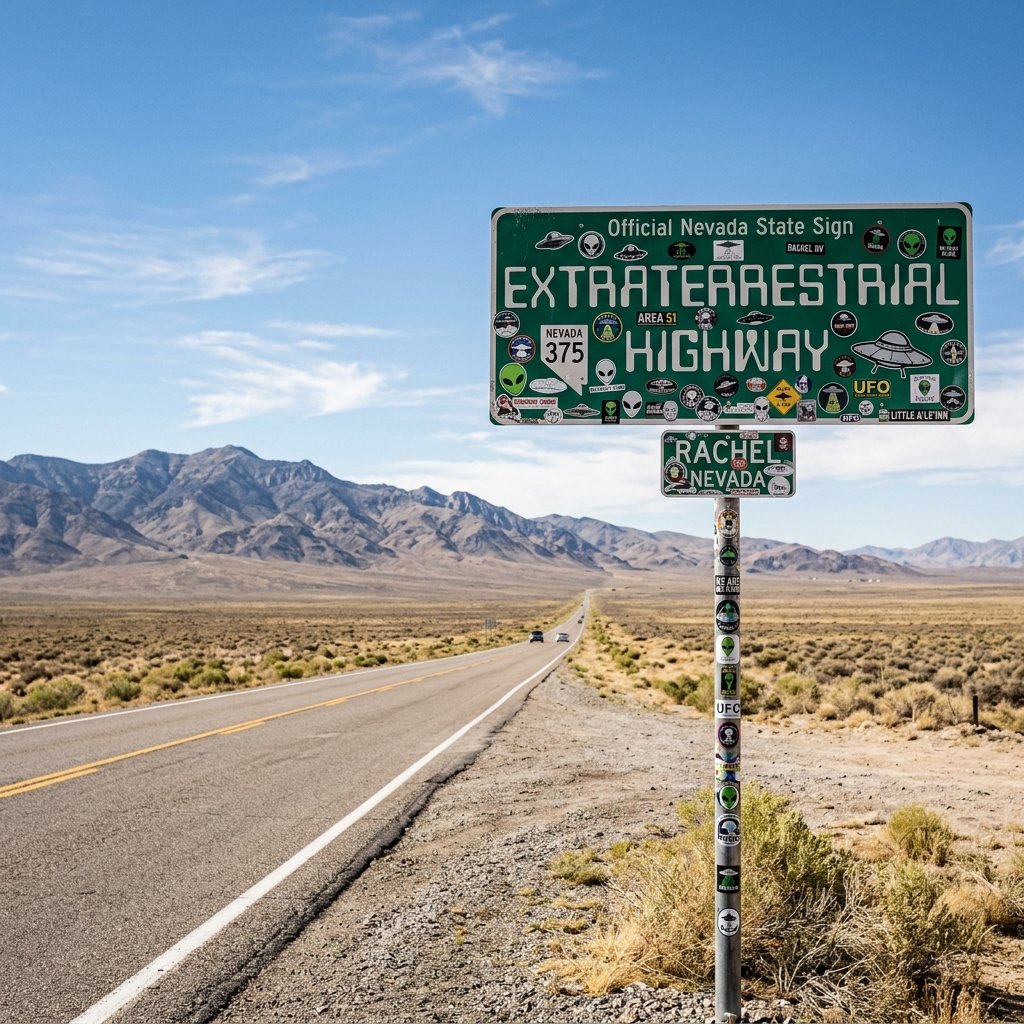
If you want to experience the vastness of the American landscape, head to the deserts of the West. Nevada Route 375, officially designated as the Extraterrestrial Highway, runs right along the borders of Area 51. This desolate 98-mile highway is a pilgrimage site for UFO hunters, featuring quirky locations like the Little A’Le’Inn diner in Rachel, Nevada. Further south in the Sonoran Desert of California lies Slab City, an off-grid community with no running water or electricity, home to the famous Salvation Mountain art installation built out of clay and paint. When exploring these remote roadside wonders, ensure your vehicle is fully fueled. Stopping on the highway is illegal on the Autobahn-style interstates, and running out of fuel on a fast-moving US highway is considered a preventable safety hazard that can result in heavy municipal fines.
 You can book a popular Grand Canyon South Rim Tour online.
Stay connected across the United States
Navigating the sheer scale of the United States—from checking digital transit cards at busy city turnstiles to mapping your route along remote desert highways—requires a reliable and constant mobile data connection. Running out of data when trying to book a ride-hailing app or look up sales tax policies can quickly complicate your travel plans. To keep yourself online across all fifty states without paying high international roaming fees, securing a local digital data connection before you pack your bags is the most practical choice. Setting up your data plan takes only a few minutes, giving you high-speed local data the moment your flight lands so you can focus on enjoying the open road.
Frequently Asked Questions (FAQ)
What is the best mobile network connection in United States?
For the best experience, you can use an eSIM that runs on 4G LTE speeds up to 150 Mbps on T-Mobile or Verizon network.
Where can I find official travel and visa information for United States?
You can find official visa and travel guidelines on the Official United States Tourism Portal at Official United States Tourism Portal.
Should I get an eSIM before traveling to United States?
Yes, getting an eSIM before arriving in United States is highly recommended. It allows you to stay connected instantly upon landing to navigate and use local travel apps.
 United States eSim