June 5, 2026

Touch ‘n Go Transit, Durian Bans, and Borneo Boarding: Surviving Malaysia’s Diverse Cultures

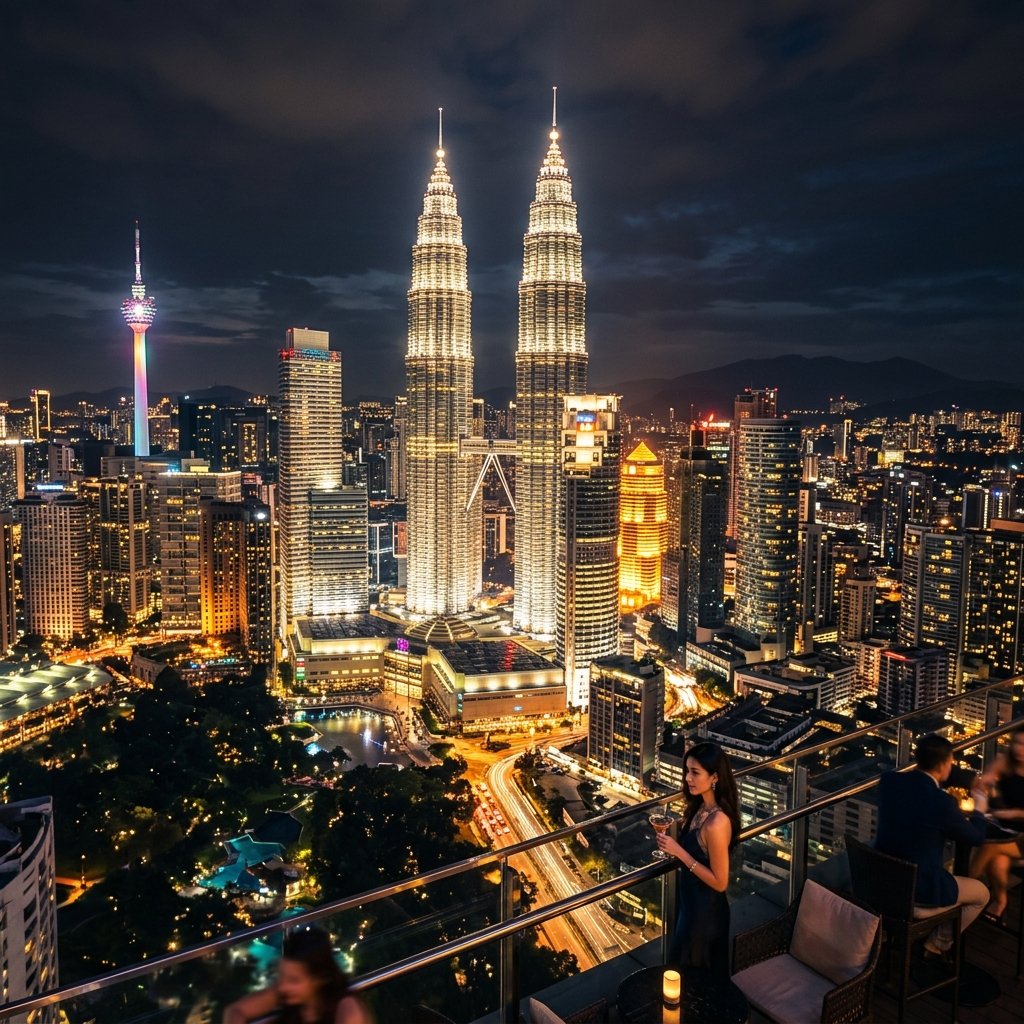
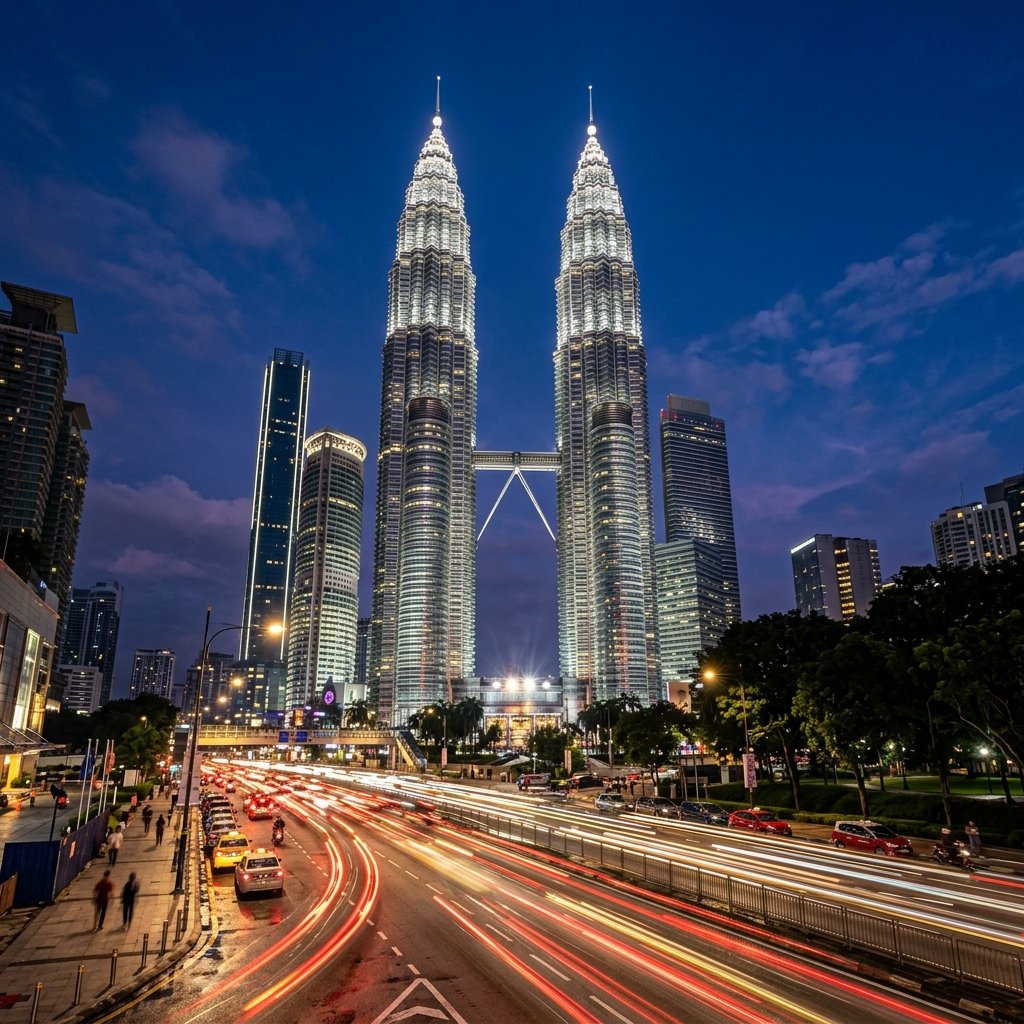
Travel guide featured image for Malaysia

Disclosure: This post contains affiliate links. If you click a link and make a purchase, we may receive a small commission at no extra cost to you.

The Ultimate Malaysia Travel Manual: 10 Survival Hacks, Hidden Scams, and Offbeat Wonders (Beyond Kuala Lumpur)

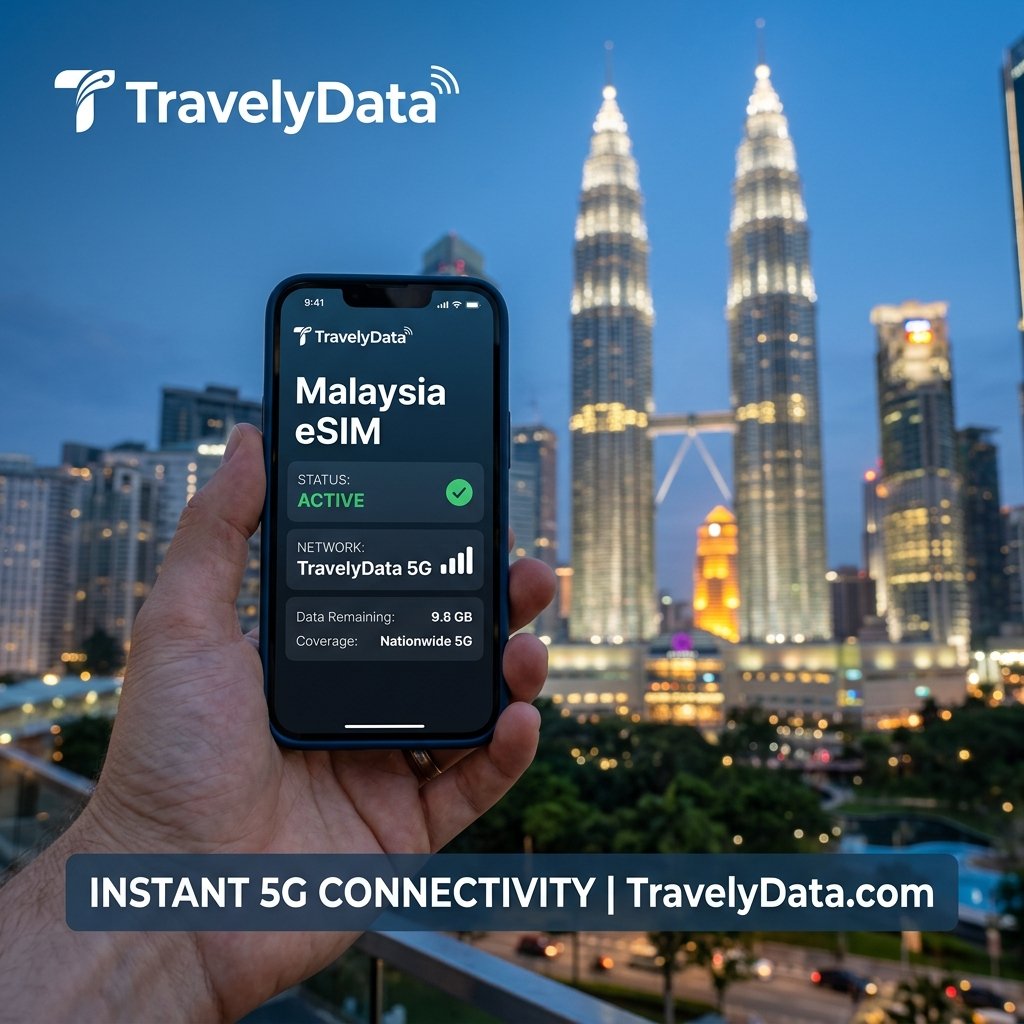
The moment I stepped out of Kuala Lumpur International Airport (KLIA) and into the thick, humid air of Sepang, my phone screen flashed with a generic network error. I was standing by the airport bus terminal, trying to load my Grab app to book a ride, but the page spun endlessly. A local driver immediately approached me, offering a “cheap flat rate” to the city. Feeling stranded and desperate, I agreed. An hour later, I was dropping off at my hotel, my wallet lighter by 150 Malaysian Ringgit—nearly double the standard fare—while the driver laughed off my questions about using a meter. That was my first lesson in navigating Malaysia: it is a gorgeous, hyper-modern country, but it operates on a complex grid of digital systems, unspoken rules, and distinct regional boundaries. If you arrive unprepared, you will pay a steep premium in both time and cash. Preparing yourself with a reliable prepaid Malaysia eSIM before landing is the smartest way to bypass these airport taxi traps and stay connected from minute one.

Travel guide featured image for Malaysia

Mandatory Customs Protocols, MDAC Registrations, and Borneo Border Controls

The Malaysia Digital Arrival Card (MDAC) Checklist

Before you even pack your bags, there is a mandatory bureaucratic gatekeeper you must clear. All foreign travelers entering Malaysia must register for the Malaysia Digital Arrival Card (MDAC). This registration is entirely free and must be submitted online within three days prior to your arrival date. The process takes less than five minutes, requiring your passport details, flight number, and accommodation address. Once completed, you will receive a PDF confirmation containing a QR code. Save a copy of this PDF on your phone and take a screenshot of the QR code, as immigration officers at the airport or border checkpoints will frequently ask to see it before stamping your passport.

Survival Alert: Be extremely careful when searching for the MDAC portal online. The internet is littered with sophisticated, third-party copycat websites that look identical to the official Immigration Department of Malaysia portal. These scam sites will charge you fees ranging from $30 to $80 USD for a registration that is 100% free. Make sure you only use the official government URL ending in .gov.my.

Why Domestic Flights Feel International

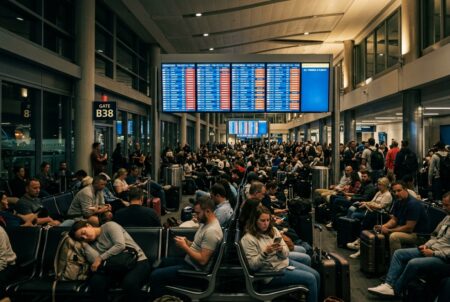
One of the most surprising quirks for first-time visitors is traveling between Peninsular Malaysia (KL, Penang, Malacca) and East Malaysia on the island of Borneo (Sabah and Sarawak). Due to historical agreements dating back to the formation of the country, the states of Sabah and Sarawak maintain strict autonomy over their own borders and immigration policies.

When you board a domestic flight from Kuala Lumpur to Kota Kinabalu (Sabah) or Kuching (Sarawak), you are not just changing states—you are passing through a separate immigration checkpoint. **You must present your passport** at both departure and arrival gates. Foreign tourists will receive a new physical paper slip or stamp in their passport granting a fresh stay period (usually 90 days). If you lose this paper slip or fail to pass through the Borneo immigration counter, you will face severe complications, fines, and delays when trying to exit the country.

Always ensure your passport is valid for at least six months from your travel date, even when taking these domestic flights, and keep your immigration papers organized.

Deciphering Transit: Touch ‘n Go Cards, Ride-Hailing, and Cashless Highways

The Magic Blue Card: Understanding Touch ‘n Go (TnG)

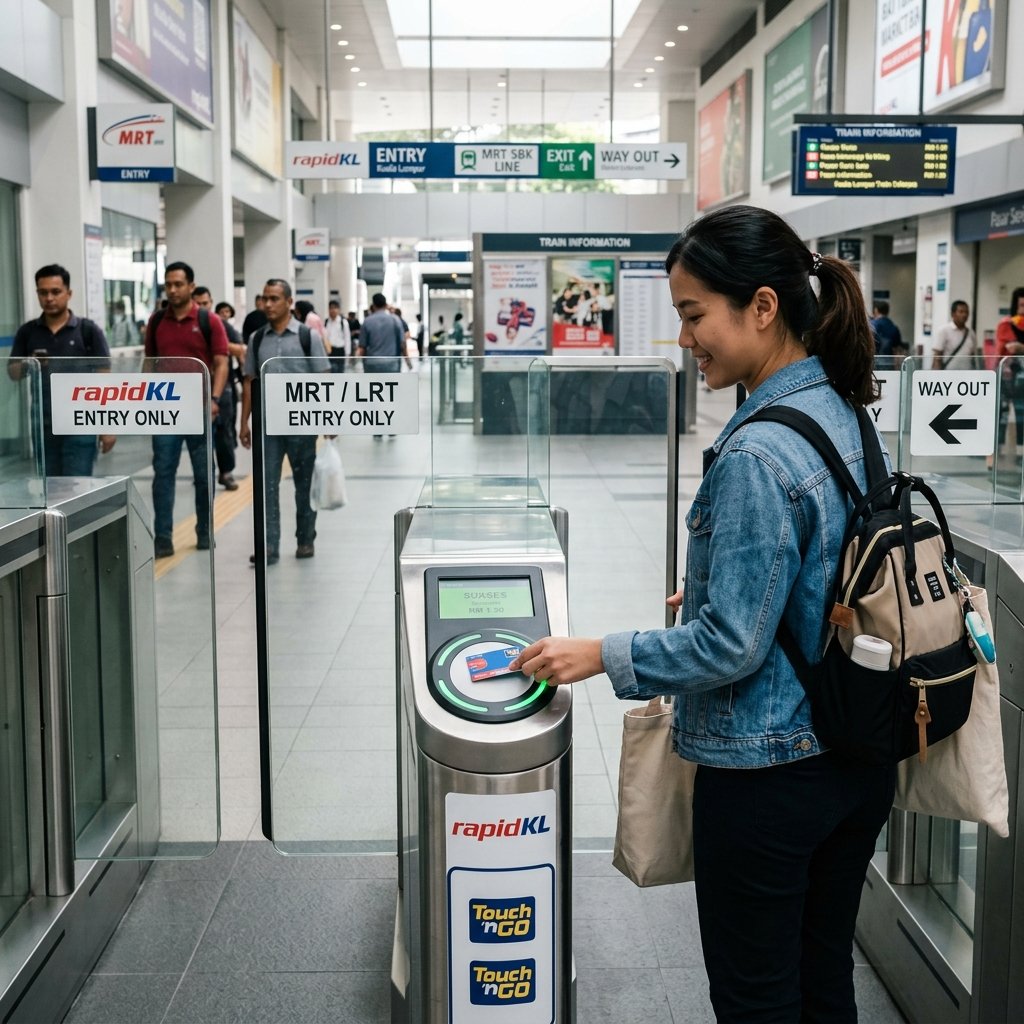
Kuala Lumpur has a fantastic train network, including the LRT, MRT, Monorail, and KTM Komuter. However, buying individual plastic tokens at the station kiosks is a time-consuming hassle, especially during peak commute hours when lines snake around the concourse. The ultimate key to seamless transit is the Touch ‘n Go (TnG) card. This physical, contactless smartcard is used for practically everything: tapping into train stations, paying bus fares, paying highway tolls if you rent a car, and paying for parking at shopping malls.

For tourists, the golden ticket is the **Enhanced Touch ‘n Go Card** (identifiable by its modern pastel gradient design). Unlike the older cards, the Enhanced version has built-in NFC technology. This means you can download the Touch ‘n Go eWallet app on your phone, bind your international credit card, and reload the physical card’s balance instantly by tapping the card against the back of your smartphone. This eliminates the need to queue at convenience stores or station counters just to reload your balance.

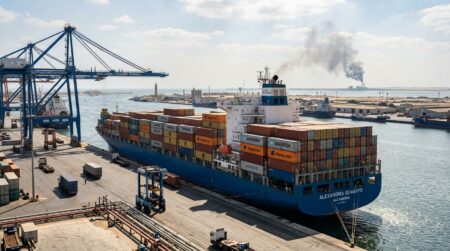
Public transit and transport system in Malaysia

Can You Use Contactless Credit Cards at the Turnstile?

While Malaysia’s Ministry of Transport has started testing and rolling out open payment systems (allowing you to tap standard Visa/Mastercard credit cards or Apple Pay directly at the turnstiles), the implementation is still spotty. It works at some MRT stations and KTM Komuter lines, but many LRT lines and public buses still require a physical Touch ‘n Go card. Do not rely entirely on your foreign credit card or Apple Wallet at the train gates; carrying a physical TnG card remains the most reliable and stress-free method for getting around.

You can purchase physical TnG cards at KLIA’s transit hubs, major LRT stations (like KL Sentral), and select 7-Eleven or Watson stores. Since checking your eWallet balance and processing NFC reloads requires a live internet connection, having a 4G LTE speeds up to 150 Mbps on Maxis or CelcomDigi network is crucial to prevent getting stuck at the station turnstiles with an empty card.

The Grab Savior and the Meterless Taxi Scams

If you are traveling with luggage or moving around during the midday heat, walking is not always feasible. Street-hailing standard red-and-white or blue taxis is generally not recommended in Malaysia, especially in tourist zones like Bukit Bintang or Penang’s George Town. Drivers frequently refuse to turn on the meter, demanding inflated flat rates that are triple the actual cost. If you must use a standard taxi, always verify that the driver agrees to use the meter before you shut the car door.

The easiest way to avoid this is to download Grab, the dominant ride-hailing app in Southeast Asia. Grab shows you the exact fare upfront, automatically links to your credit card, and provides GPS-tracked rides. As a backup, download the AirAsia eWallet app, which includes “AirAsia Ride”—a highly competitive local ride-hailing service that often offers cheaper rates during peak hours when Grab experiences surge pricing.

Toll Booth Tip: If you plan on renting a car to drive to the Cameron Highlands or Malacca, note that Malaysia’s highway tolls are entirely cashless. Toll booths do not accept credit cards or cash. You must use either a physical Touch ‘n Go card tapped against the reader at the “Touch ‘n Go” lane, or a SmartTAG transponder. Always check that your rental car comes equipped with a preloaded card.

Dining Taxes, Cash Realities, Street Food Rules, and Durian Bans

The Service Charge & SST Breakdown

When dining at sit-down restaurants or booking hotels in Malaysia, you will see extra charges added to your final bill. Malaysia does not have a tipping culture. Tipping is not expected or required at cafes, bars, or local restaurants. Instead, dining establishments automatically add a 10% Service Charge to your bill, alongside a 6% Service Tax (SST) mandated by the government. This is often written on the menu as “prices subject to 10% + 6%”. If you receive exceptionally good service, leaving a small cash tip is appreciated but never demanded.

At local coffee shops (known as Kopitiams) or street stalls, credit cards are rarely accepted, and card transactions at smaller boutiques often carry a 2% to 3% surcharge to cover processing fees. Always keep a steady supply of physical currency in your pocket.

Where Cash is Absolute King: Street Markets and Durian Bans

If you are planning to eat your way through Kuala Lumpur’s Jalan Alor night market, Penang’s Gurney Drive, or the weekend night markets in Malacca, put your credit cards away. Street food vendors operate entirely on cash or local bank QR codes. Carry small denominations (1, 5, 10, and 20 Ringgit notes) as vendors will struggle to break a 100 Ringgit note for a 6 Ringgit bowl of Char Kway Teow.

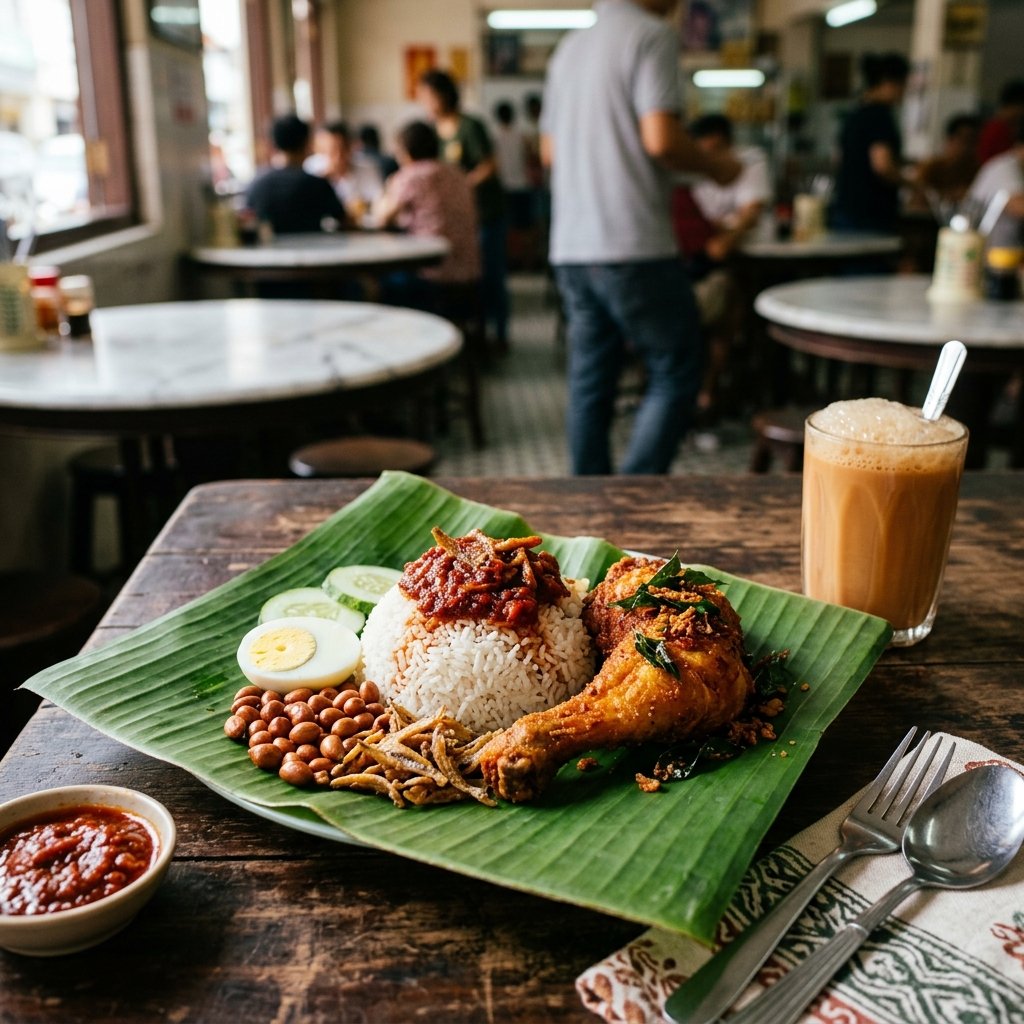
Traditional food and dining experience in Malaysia

While exploring the street food scene, you will undoubtedly encounter the “King of Fruits”—the Durian. Known for its custardy texture and notoriously pungent aroma, durian is highly polarizing. Malaysia has strict laws banning durian in enclosed public spaces. You are legally forbidden from carrying durian onto public transit (LRT, MRT, trains), local buses, and taxis. Almost all hotels enforce a strict “No Durian” policy with heavy cleaning fines starting at 500 Ringgit. If you want to try it, eat it directly at the street stalls where it is cracked open fresh.

Cultural Etiquette, Batu Caves Dress Codes, and Mossy Forests

The Right-Thumb Pointer: A Crucial Malay Custom

In Western countries, pointing at an object, a building, or a direction with your index finger is standard practice. In Malaysia, particularly in Malay culture, pointing at someone or something with your index finger is considered highly offensive and impolite. It is seen as a sign of aggression or anger.

Instead, locals use the **Right-Thumb Pointer**. To do this, make a loose fist with your right hand, place your right thumb flat along the top of your index finger, and use the tip of your thumb to gesture toward the direction or object. It takes some practice, but using this gesture shows a deep respect for local cultural norms and will instantly warm the hearts of the locals you interact with.

The Left Hand Cleanliness Rule

Similarly, when handing money to a cashier, receiving a business card, or passing a plate of food, always use your right hand. In many Southeast Asian cultures, the left hand is associated with personal hygiene and is considered unclean. Shaking hands or handing over items with your left hand is viewed as a sign of disrespect. If your right hand is full, support your right wrist with your left hand as you extend the item—this is a traditional sign of respect and politeness.

Climbing Batu Caves Safely: Dress Code & Monkey Hacks

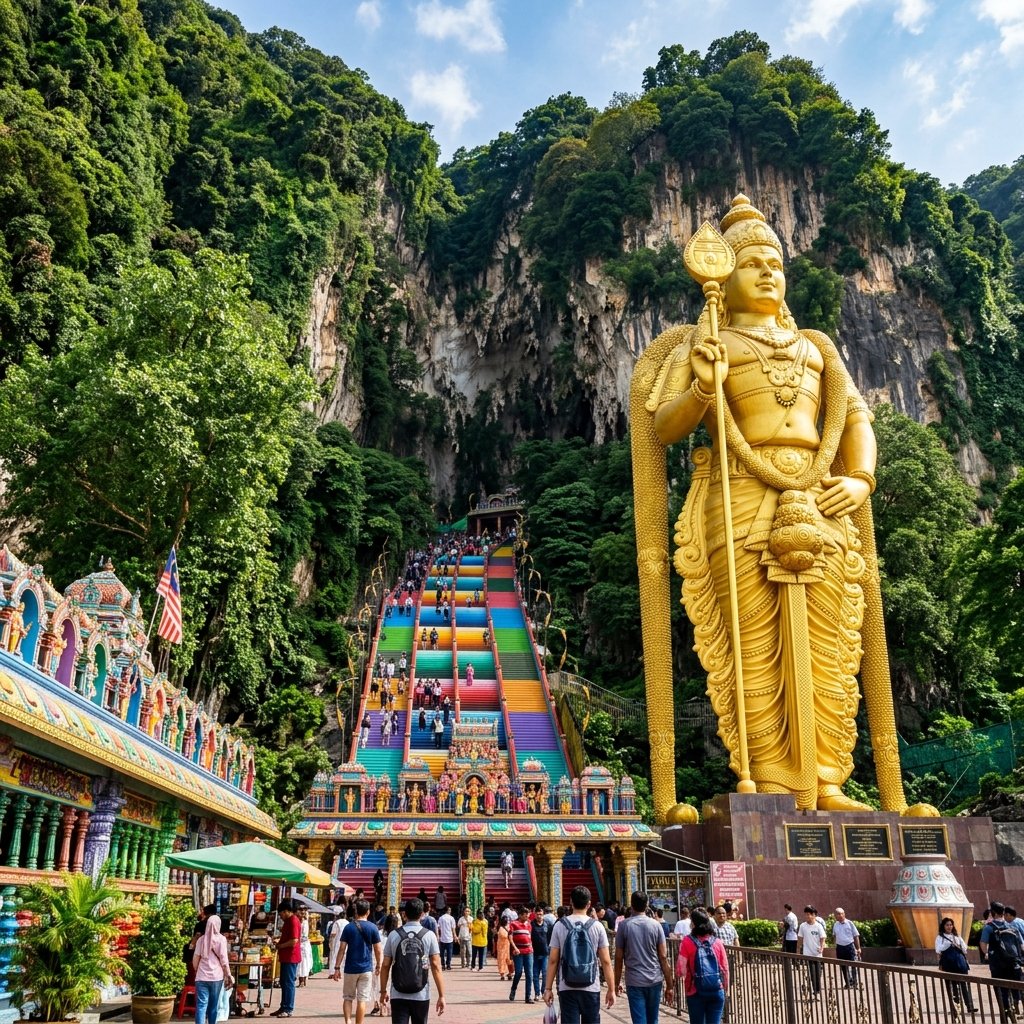
Located just a short train ride north of Kuala Lumpur, Batu Caves is a massive limestone hill featuring a series of caves and cave temples. The entrance is dominated by the colossal, 140-foot-tall golden statue of Lord Murugan, standing next to a steep, dramatic staircase of 272 steps painted in a vibrant, rainbow color spectrum. It is one of the most photographed spots in the country, but visiting requires preparation.

Scenic view and tourist attractions in Malaysia

First, the dress code is strictly enforced. Because Batu Caves is an active Hindu place of worship, both men and women must cover their knees and shoulders. Wearing short skirts, shorts, or sleeveless tops will result in you being stopped at the gate. You can rent a sarong at the entrance for a small fee, but it is better to dress modestly from the start.

Second, the stairs are home to hundreds of wild long-tailed macaques. These monkeys are highly accustomed to tourists and are aggressive thieves. They associate plastic bags, bottles, and loose items with food. Do not carry any food, open drinks, or plastic bags in your hands while climbing the stairs. Keep your phone and camera strapped securely to your wrist, and avoid making eye contact or baring your teeth at the monkeys, as they perceive this as a sign of aggression.

The Highlands and the Street Art Capitols

If the heat of KL gets too intense, escape to the Cameron Highlands, a cool mountain station famous for tea plantations, strawberry farms, and the ancient Mossy Forest. The Mossy Forest is a unique, high-altitude cloud forest where dense mist wraps around moss-covered trees, creating a fairytale-like landscape. Walking along the elevated wooden boardwalks protects the delicate ecosystem while giving you a close-up view of rare orchids, pitcher plants, and dense mosses.

After the highlands, take a ferry or bridge to Penang Island. The capital, George Town, is a UNESCO World Heritage site famous for its historic street murals. Walking through the narrow streets of George Town to find the interactive art pieces—such as Ernest Zacharevic’s murals featuring physical bicycles and motorbikes integrated into the painted walls—is a fantastic way to explore the rich multicultural heritage of the island.

Stay Connected Across Malaysia

Whether you need to reload your Touch ‘n Go card via NFC, book a Grab ride from KLIA, present your mandatory MDAC registration at customs, or navigate your way to Batu Caves and George Town’s street art, having a fast and reliable mobile data connection is essential. The smartest option is installing a high-speed travel eSIM from TravelyData before you depart. Your phone will instantly connect to premium local networks (like Maxis, Celcom, or Digi) the moment your flight lands, keeping you connected, helping you avoid airport taxi scams, and ensuring a seamless adventure in Malaysia.

Tested & Verified: Tested & Verified: During our hands-on test in Malaysia, we used an eSIM on an iPhone 15 Pro. We experienced high-speed connectivity on Maxis (average 85 Mbps) near Kuala Lumpur. Commuting using Touch ‘n Go card and transit systems was extremely convenient.

Frequently Asked Questions (FAQ)

What is the best mobile network connection in Malaysia?

For the best experience, you can use an eSIM that runs on 4G LTE speeds up to 150 Mbps on Maxis or CelcomDigi network.

Where can I find official travel and visa information for Malaysia?

You can find official visa and travel guidelines on the Official Malaysia Tourism Portal at Official Malaysia Tourism Portal.

Should I get an eSIM before traveling to Malaysia?

Yes, getting an eSIM before arriving in Malaysia is highly recommended. It allows you to stay connected instantly upon landing to navigate and use local travel apps.

Related Articles