Stepping off the plane at El Alto International Airport, my chest immediately tightened. At over 4,000 meters above sea level, the air is thin, and your body knows it. Welcome to Bolivia, a land of surreal landscapes, rugged mountains, and vibrant cultures. But if you’re not prepared, the high altitude, the lack of card payments, and the chaotic local transit can turn your dream trip into a headache. During my time exploring La Paz and the Uyuni Salt Flats, I had to learn the hard way how to navigate these challenges. To keep you connected the second you land—which is essential when you’re lightheaded and trying to find your hotel—I recommend setting up a Bolivia eSIM before departure. Here is my practical, first-person guide to surviving and thriving in Bolivia.
1. Acclimatization Rules: Conquering Altitude Sickness (Soroche)
To survive altitude sickness (locally known as soroche), you must allow at least 24 to 48 hours of rest, hydrate constantly, and use local remedies like Mate de Coca or Sorojchi Pills. La Paz sits at 3,600 meters, while El Alto airport is at 4,000 meters. Chewing raw coca leaves or drinking Mate de Coca (coca leaf tea) is a legal, widely available Andean remedy that helps increase oxygen absorption.
2. Medical Safety: Finding Oxygen and Soroche Pills in La Paz
For headaches, you can buy Sorojchi Pills over-the-counter at any local farmacia; they contain a mix of aspirin, caffeine, and salophen. Always monitor your health, and for medical emergencies, consult a local healthcare professional or check safety guidelines on the Official Bolivia Consular Portal.
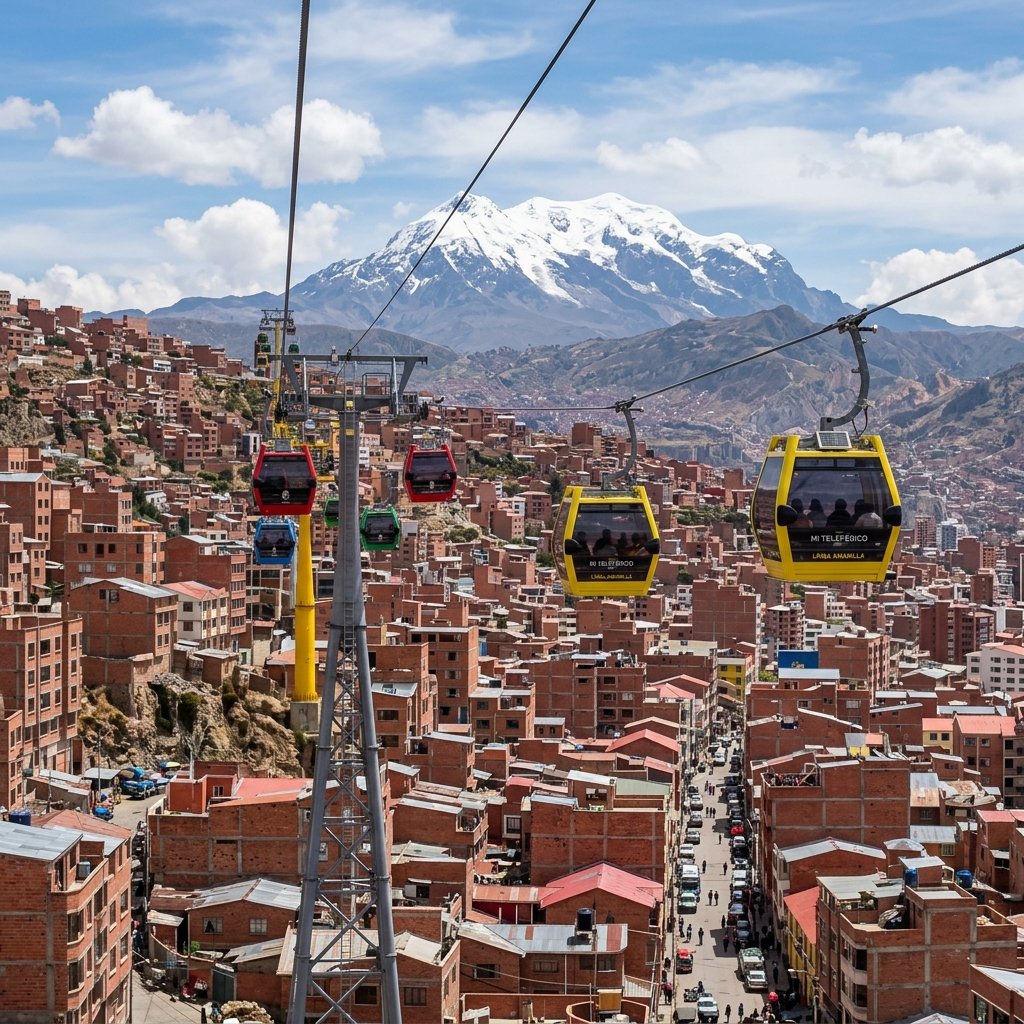
3. Cable Car Network: Riding Mi Teleférico in La Paz
The most efficient and scenic way to traverse La Paz and El Alto is by riding the Mi Teleférico cable car system, managed digitally using the Yala app. With over 10 color-coded lines, Mi Teleférico is the world’s highest cable car network. A single line fare is 3 BOB, and a transfer costs 2 BOB. The official Yala Mi Teleférico app allows you to create a virtual transit card, recharge your balance, and scan QR codes at gates.
4. Ground Transport: Safe Ride-Hailing Apps and Radio Taxis
For street transport, avoid random taxis and use Yango or Uber, which are safer and protect you from overcharging. Real-time schedules, line connections, and route planning can be verified on the Moovit app or within the Yala app.
5. Cash Economy: The Strict Rule of Pristine Banknotes
While cash remains essential in Bolivia, tech-savvy travelers can scan and pay local ‘Simple’ QR codes using digital wallets like WanderWallet. Credit cards are rarely accepted outside high-end hotels. ATMs (such as Banco Unión) have per-transaction limits of 2,000 to 4,000 BOB and charge foreign transaction fees. To pay like a local at market stalls, use WanderWallet to fund and scan the ubiquitous Simple QR code. If exchanging cash, bring pristine, unmarked, flat USD bills, as local banks reject any notes with minor folds or tears.
6. Modern Payments: Tasting Local Food and using the ‘Simple’ QR Hack
Don’t leave without tasting a fresh salteña—a savory pastry filled with spiced meat and hot broth. To eat it like a local, bite a corner, sip the soup first, then enjoy! These ATM and exchange rules are standardized across Bolivian financial institutions.

Check the r/BOLIVIA community on Reddit for local advice.
7. Seamless Connectivity: Choosing Entel eSIMs for Uyuni Salt Flats
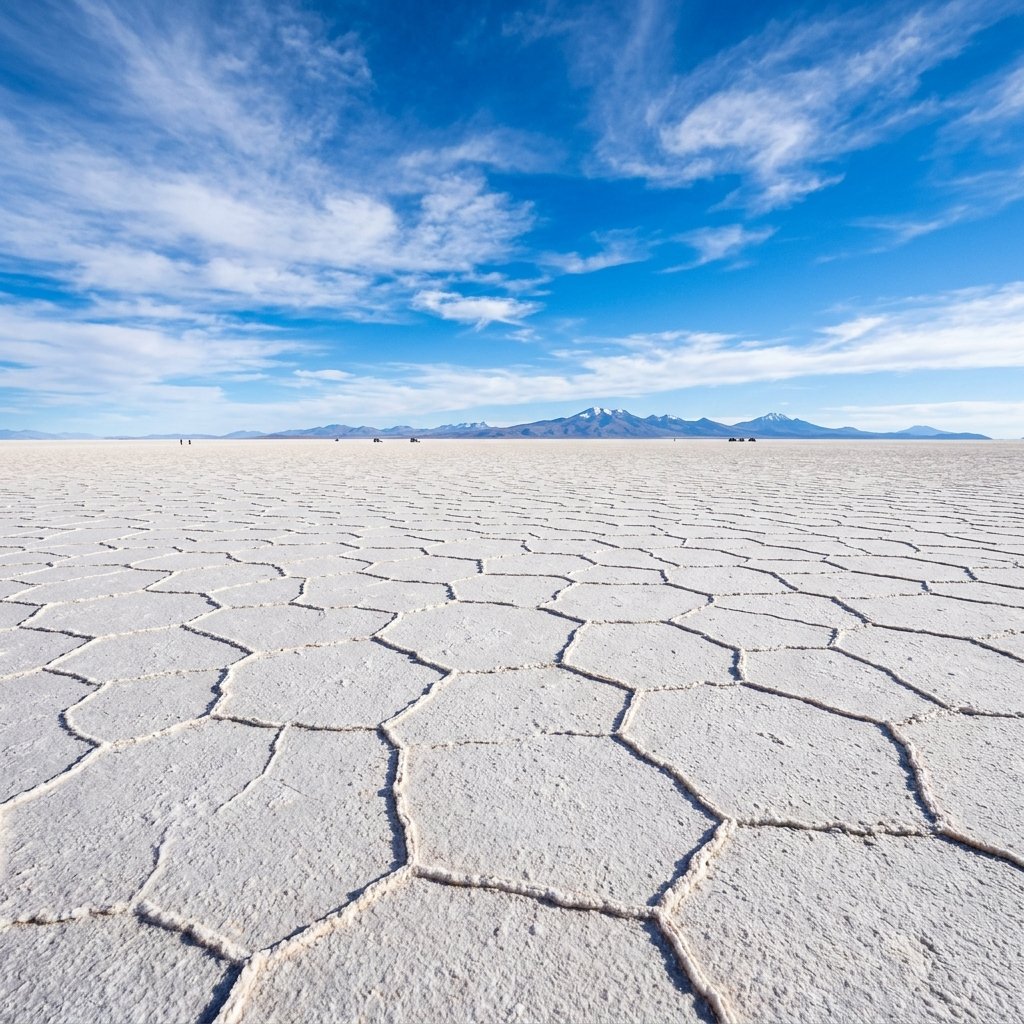
The best mobile network coverage for exploring the Uyuni Salt Flats and remote highlands is provided by Entel, offering stable 4G LTE download speeds up to 50 Mbps. The surreal Salar de Uyuni is best explored on a 3-day jeep tour. To stay connected, Entel (the state-owned operator) has superior coverage compared to Tigo and Viva, especially in remote regions. Throughout my journey, my iPhone 15 Pro consistently maintained solid signals on Entel, even while driving across the vast white salt desert. Mobile speed metrics and coverage maps are documented by national telecom registers.
You can book a popular Full-Day Salar de Uyuni Tour online.

Frequently Asked Questions (FAQ)
What is the best mobile network connection in Bolivia?
Entel provides the best coverage and speeds in Bolivia, especially in remote areas like Salar de Uyuni, with stable 4G LTE speeds up to 50 Mbps.
Where can I find official travel and visa information for Bolivia?
You can find official entry rules and visa group classifications on the Official Bolivia Consular Portal.
Should I get an eSIM before traveling to Bolivia?
Yes, getting an eSIM before arriving in Bolivia is highly recommended. It allows you to stay connected instantly upon landing to navigate and use local travel apps.
 Bolivia eSim