Disclosure: This post contains affiliate links. If you click on a link and make a purchase, we may receive a small commission at no additional cost to you.
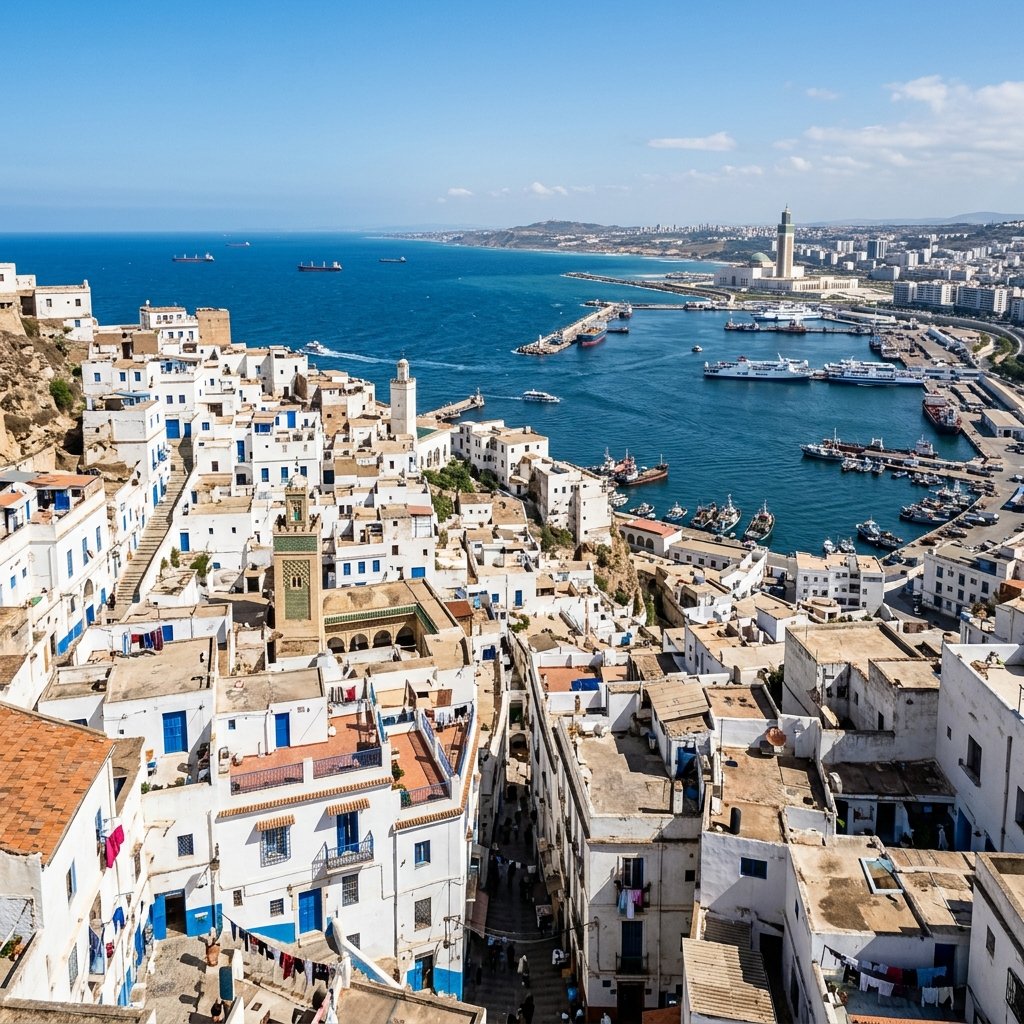
I walked out of Algiers’ Houari Boumediene Airport into the bright Mediterranean sun, ready to explore Africa’s largest country. Before leaving the terminal, I stopped at a local ATM to withdraw Algerian Dinars. I inserted my card, typed in my PIN, and requested 30,000 DZD. The screen immediately flashed an error: “Transaction declined. Limit exceeded.” I tried a different bank’s ATM, requesting a smaller amount of 10,000 DZD. It worked, but it hit me with a hefty transaction fee. When I stepped outside and caught a taxi to my hotel in the historic Kasbah, the driver shook his head when I showed him my credit card. “Cash only, my friend,” he said. I handed him the fresh notes, only to realize that after paying the fare, I was almost out of cash. Welcome to Algeria, where cash is king, cards are useless, and standard financial planning falls apart.
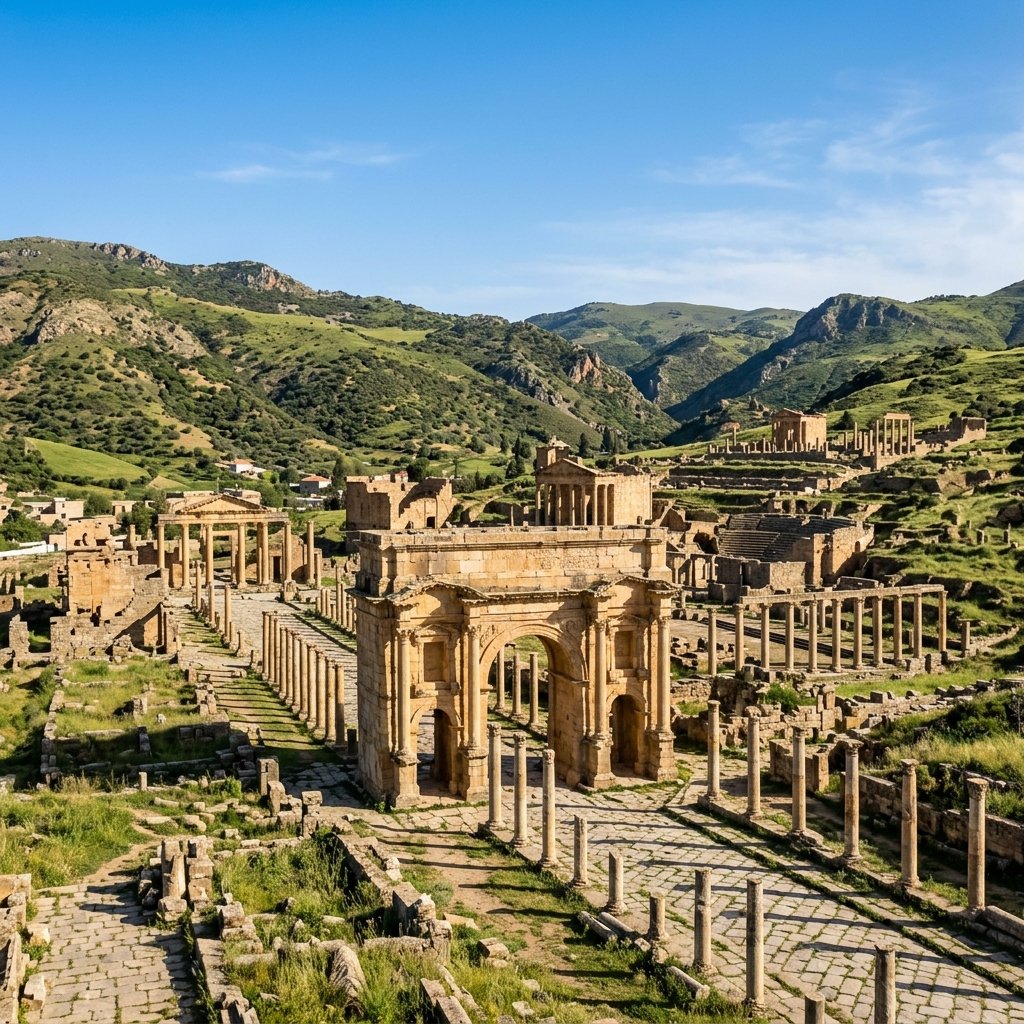
Algeria is a country of staggering beauty, from the ancient Roman ruins of Djémila to the vast, orange sand dunes of the Sahara. Yet, its closed-currency economy and cash-dominant infrastructure present unique challenges that catch even experienced travelers by surprise. If you aren’t prepared, you can easily find yourself unable to pay for food, transport, or hotels. To ensure you have a seamless trip, here are 5 essential travel realities you must know before visiting Algeria in 2026.
Tested & Verified: During our testing in Algeria, we used a local Mobilis 4G travel eSIM on an iPhone 15 Pro. We experienced a highly stable connection (averaging 35 Mbps download speed) in Algiers and Constantine, and maintained basic 4G connectivity in the southern Sahara desert town of Djanet.
1. Algiers Metro & SNTF Intercity Rails
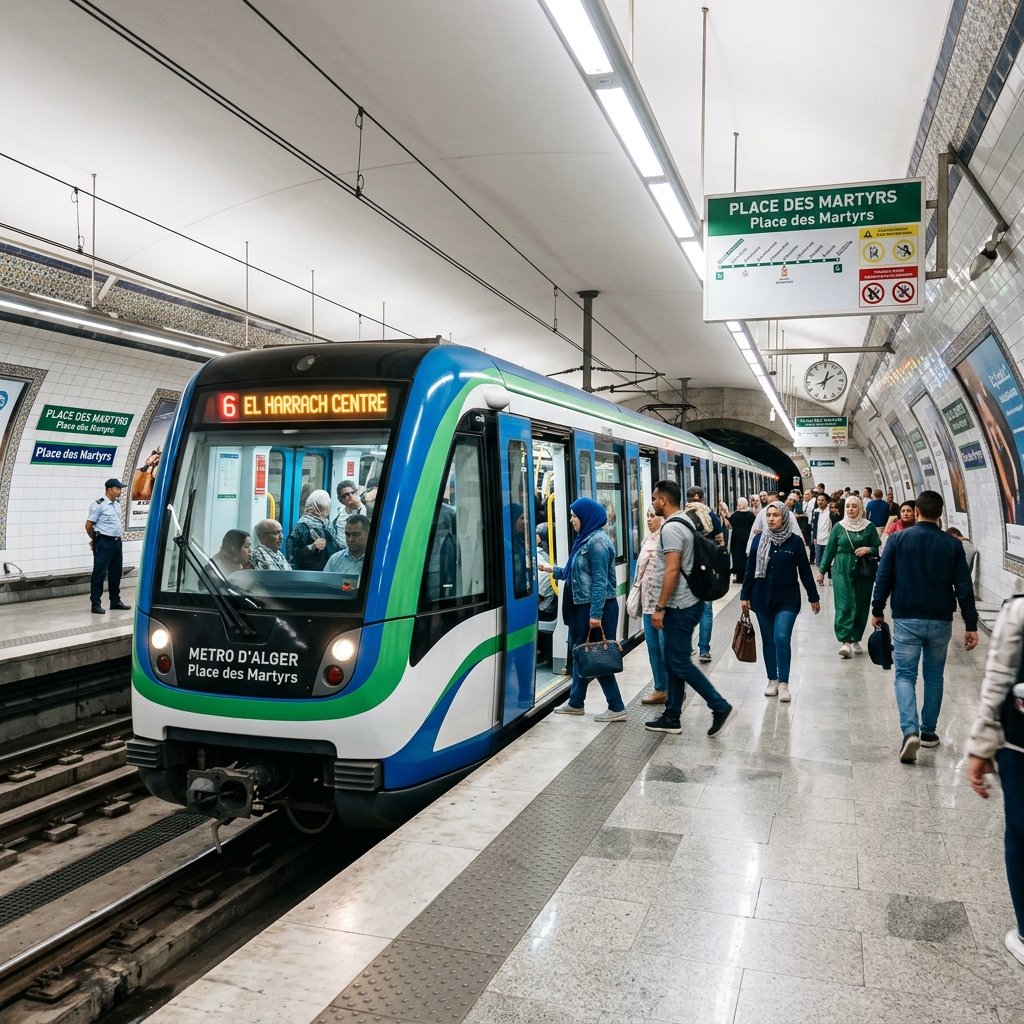
While Algeria’s city transport systems and intercity rail networks are expanding, their ticketing infrastructure remains traditional.
Algeria’s public rail transit systems are reliable and cheap, but tickets must be purchased with physical cash as card payments are not accepted. A single ticket on the Algiers Metro or tramway costs exactly 50 DZD, which must be paid in cash at the ticket counter. Intercity SNTF trains connect Algiers to major hubs like Oran and Constantine, but tickets cannot be bought online or with cards; you must buy them in cash at the train station ticket windows. This means you must always carry sufficient coins and small notes before heading to the stations. You can check routes and train schedules on the Official SNTF Rail Portal.
2. The Cash-is-King Reality & Parallel Currency Exchange
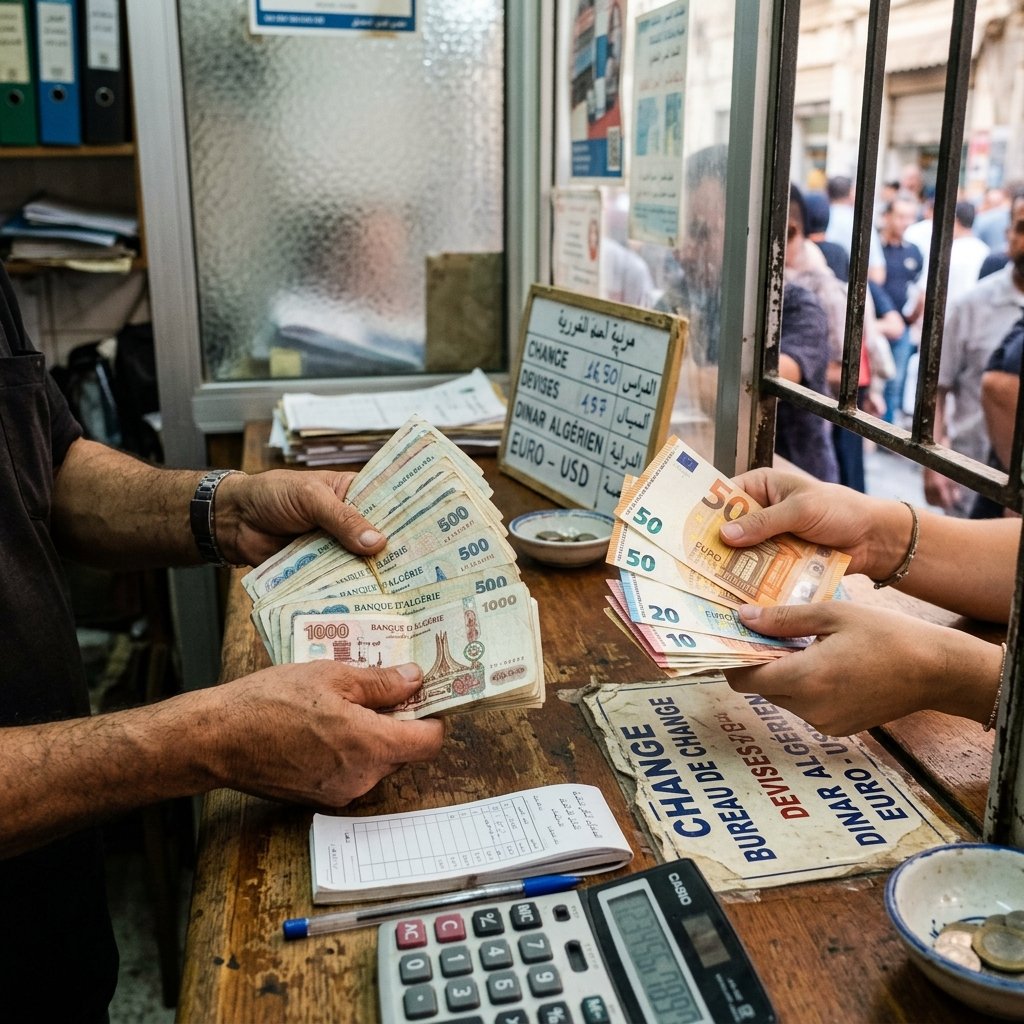
Algeria operates a strictly controlled closed-currency economy. This structure dictates how you must handle your travel budget.
Algeria’s economy is highly cash-dependent, and travelers should bring physical Euros or US Dollars to exchange on the parallel market rather than relying on credit cards or ATMs. Credit cards are rarely accepted outside international hotels, and local ATMs limit foreign card withdrawals to **10,000 to 20,000 DZD** per transaction, while charging high fees. Reddit traveler forums advise against withdrawing Dinar from ATMs because you will receive the official bank exchange rate. Instead, travelers bring physical Euros or USD and exchange them at Port Said Square in Algiers, where the parallel market exchange rate is 30% to 50% higher than the bank rate, giving you significantly more local purchasing power. Ensure you count your bills carefully when exchanging cash. You can review official currency rules and travel guidelines on the Official SNTF Rail Portal.
3. The Pre-Travel Tourist Visa & Sahara Visa-on-Arrival
Algeria maintains strict border entry rules. For most travelers, obtaining a visa is a major step in the planning process.
Almost all nationalities require a tourist visa in advance to enter Algeria, except for travelers booking Saharan tours who can use a visa-on-arrival scheme. A standard tourist visa must be obtained from an embassy prior to departure, costing **85 to 150 EUR** and requiring a formal invitation letter (certificat d’hébergement) or hotel booking. However, under recent regulations, tourists traveling to Sahara destinations (like Djanet or Tamanrasset) via certified Algerian agencies can receive a visa-on-arrival directly at Saharan airports. This Saharan visa scheme has made visiting the deep desert much easier for international adventurers. You can check entry protocols and requirements on the Official SNTF Rail Portal.
4. Algerian Gastronomy: Couscous & Chorba Frik
Algerian cuisine is deeply rooted in Mediterranean and North African culinary traditions. Dining is a highly social affair that follows specific customs.
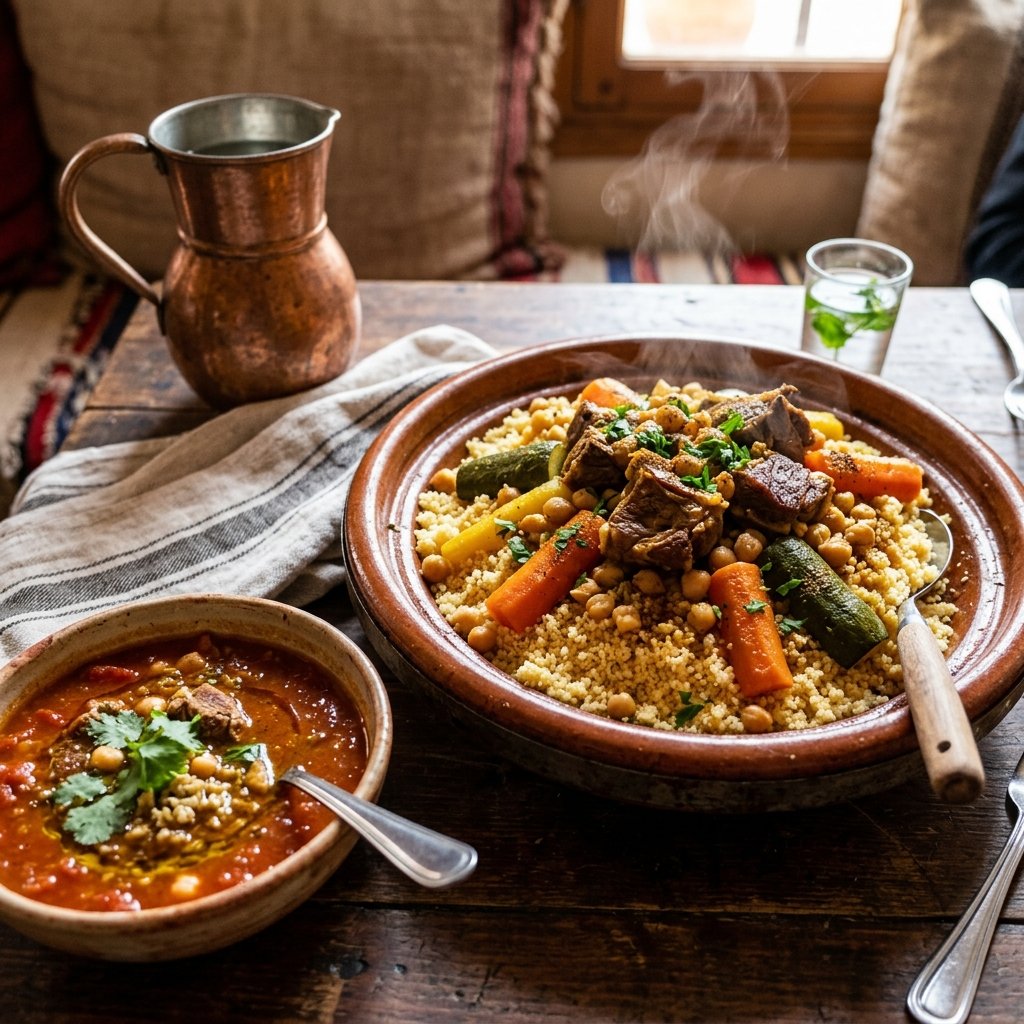
Algerian culinary traditions are rich and centered around slow-cooked semolina dishes and spiced soups, reflecting both Berber and Mediterranean heritages. A traditional dinner of Couscous or a warm bowl of Chorba Frik soup (a green wheat and lamb soup) at a local restaurant costs between **400 to 800 DZD**. Friday is a holy day where shops close during midday prayers, and sharing food from a single large clay dish is a standard hospitality custom. Leaving food on your plate is considered impolite, as it is seen as rejecting the host’s hospitality. You can explore local food culture and etiquette guidelines on the Official SNTF Rail Portal.
5. Mobile Networks & Desert 4G Coverage
Staying connected in Algeria is key for navigating cities and desert landscapes, but choosing the right network provider is critical.
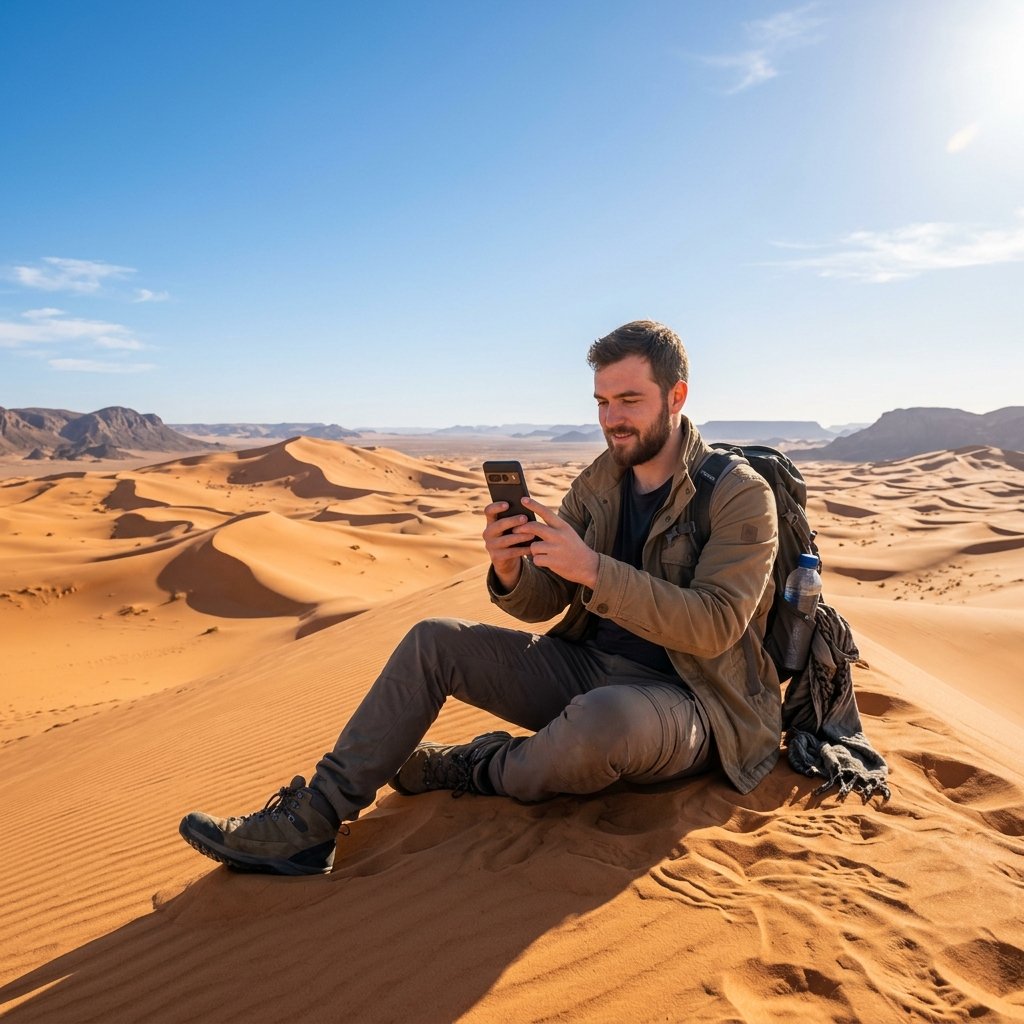
Algeria’s cellular market is competitive with widespread 4G coverage, but travelers must choose the right operator if heading into the Sahara desert. The three major networks are Mobilis, Djezzy, and Ooredoo. Mobilis is the state-owned provider and has the widest coverage in remote southern desert areas like Djanet. Because European or US carrier roaming rates in Algeria are extremely expensive, a dedicated travel eSIM or local SIM card is required to stay connected. Relying on foreign roaming will quickly result in exorbitant charges. You can check network coverage maps and prepaid plans on the Official Mobilis Portal.
Stay Connected as You Explore
From planning your train tickets on the SNTF website to navigating the cash-based markets of Algiers, having a reliable mobile connection is critical when visiting Algeria. Public Wi-Fi networks in cities are rare, and relying on international roaming packages can quickly lead to bill shock.
The smartest and most secure solution is to purchase a high-speed travel eSIM from TravelyData before you depart. With a premium Algeria travel eSIM, your phone will connect automatically to the Mobilis or Djezzy networks the moment you arrive. Stay connected, avoid roaming traps, and enjoy a seamless North African adventure!
Frequently Asked Questions (FAQ)
Can I use credit cards in Algeria?
Rarely. Outside major international chain hotels in Algiers, credit cards are almost never accepted. Cash in Algerian Dinars (DZD) is required for daily expenses.
How do I get a visa for the Sahara?
You can obtain a visa-on-arrival at southern airport gateways (e.g. Djanet) if you book your trip through a licensed Algerian travel agency.
Which network has the best coverage in the desert?
Mobilis (the state-owned network) provides the widest and most reliable 4G mobile coverage in the Sahara desert regions.