Disclosure: This post contains affiliate links. If you click a link and make a purchase, we may receive a small commission at no extra cost to you.
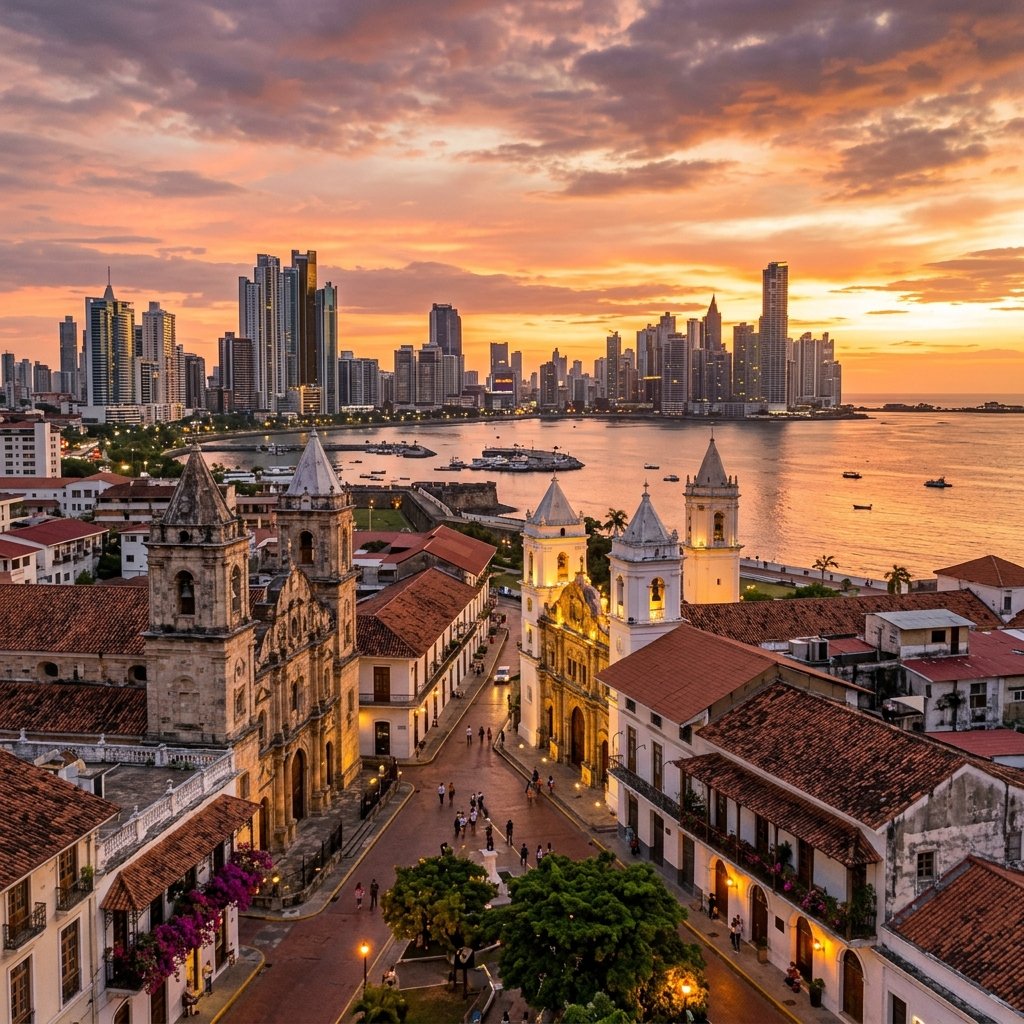
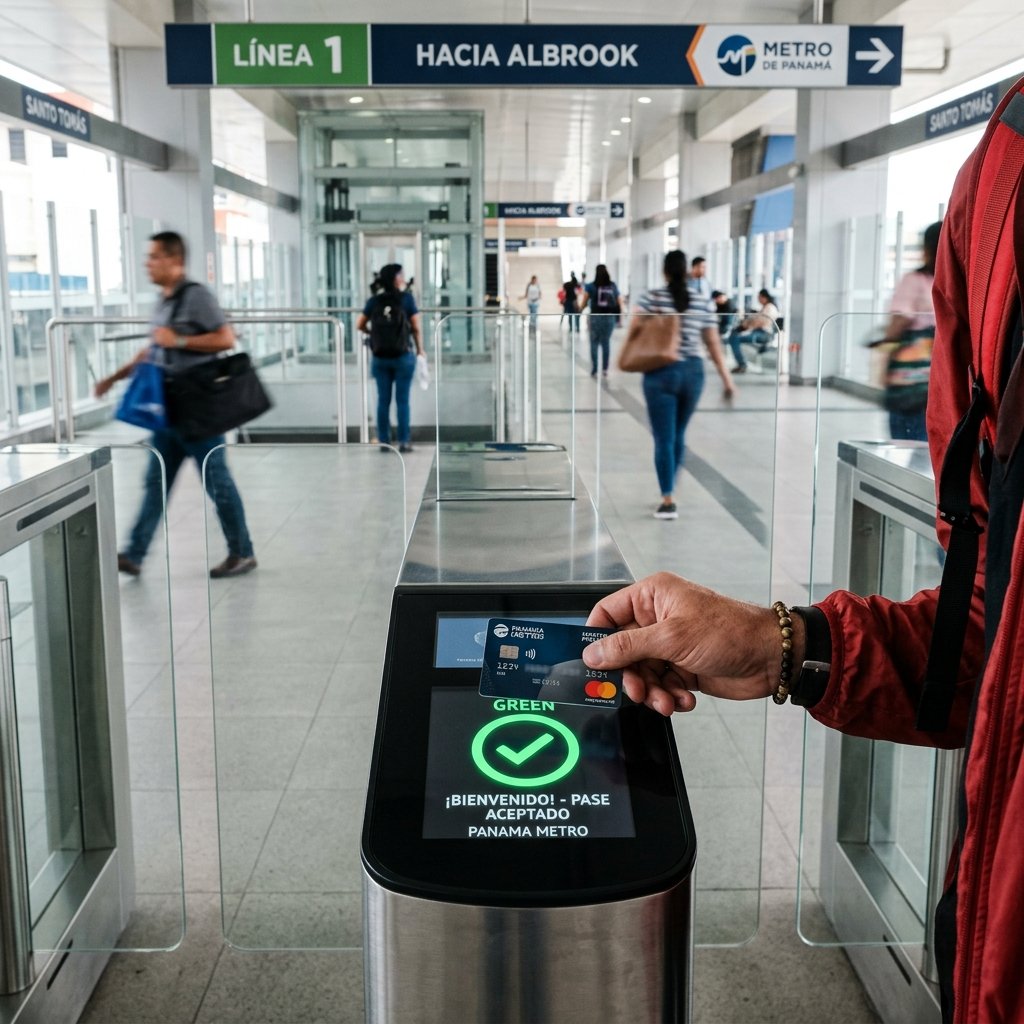
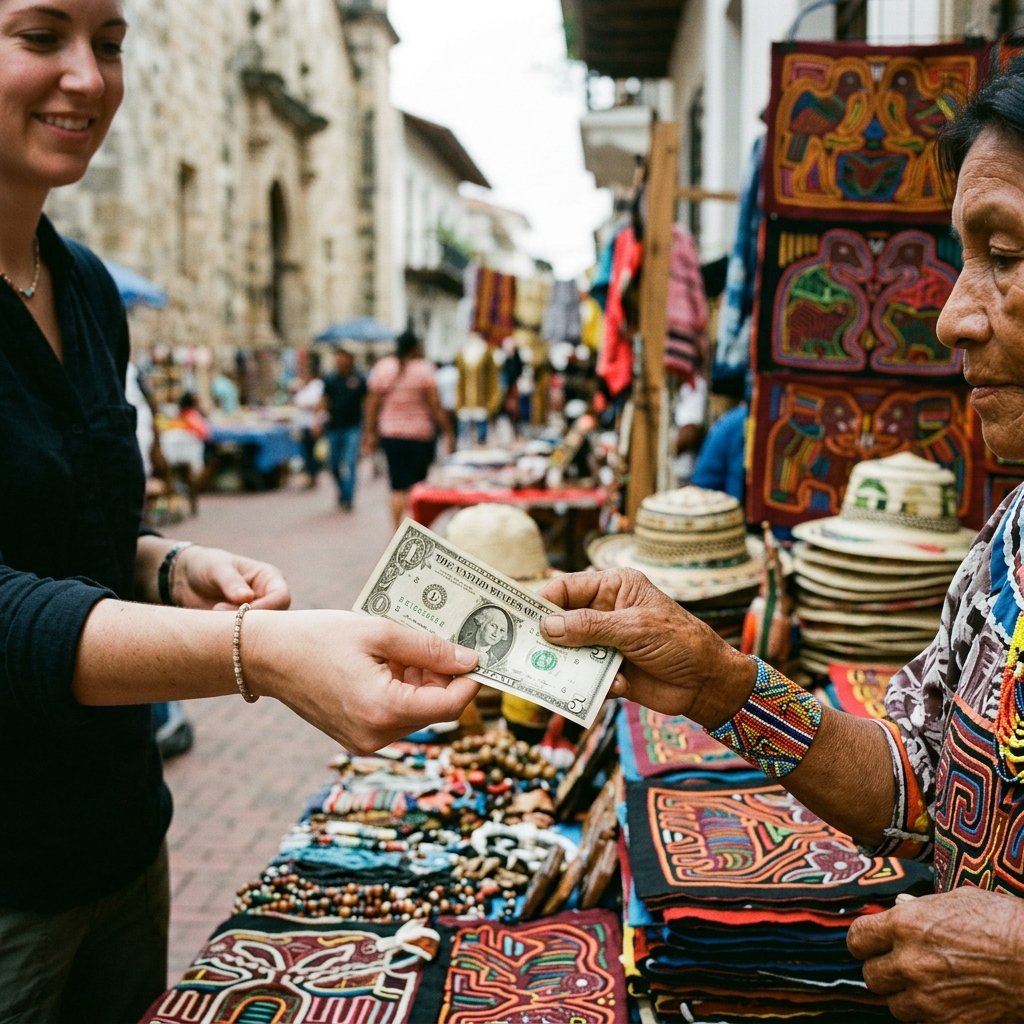
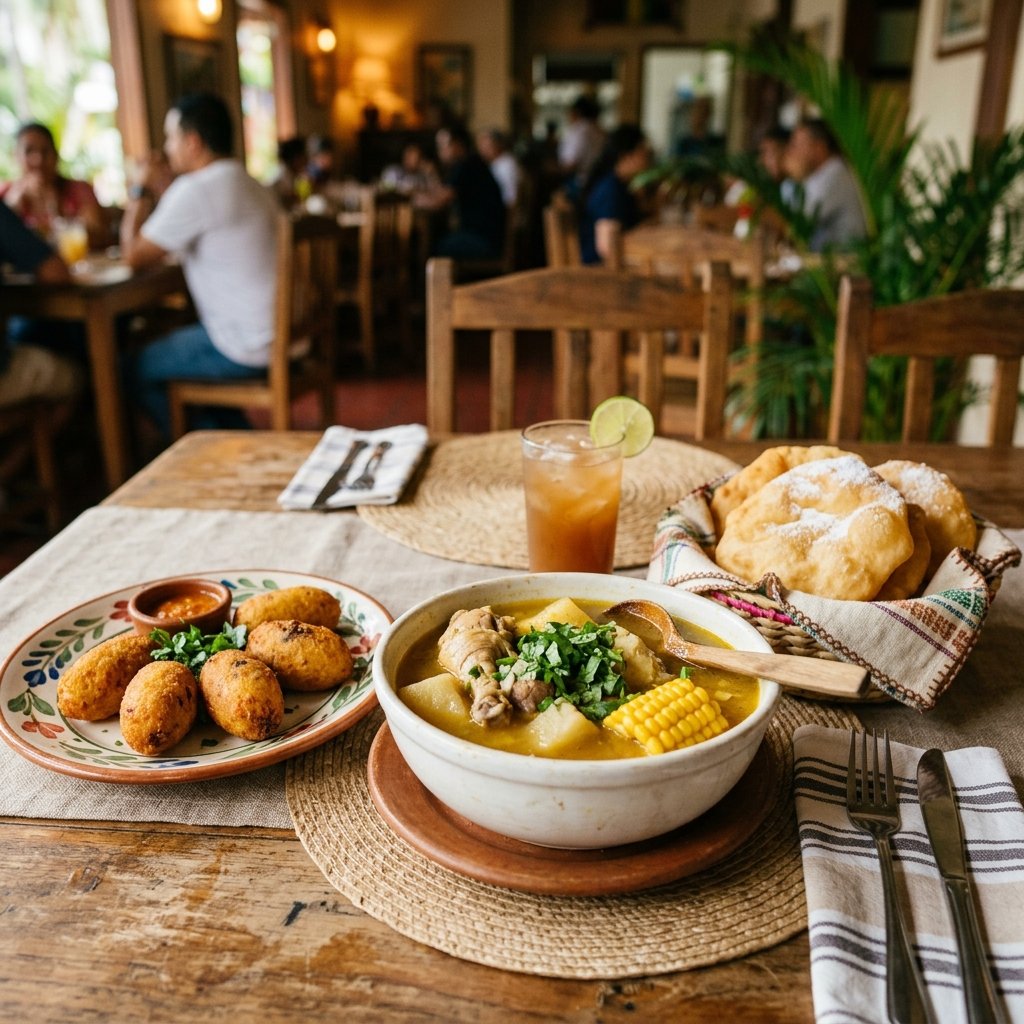
I arrived in Panama City on a sunny morning, planning to grab a quick taxi to Casco Viejo. I waved down an unmetered street taxi, and the driver immediately asked for $15. Knowing there were no meters, I negotiated him down to $8 before hopping in. Along the way, I stopped at a local street food stall to grab a hot, crispy carimañola. I handed the vendor a $50 bill. She looked at me, shook her head, and said, “No, amigo. No tengo cambio. ¿Tienes de a uno o cinco?” I realized then that large bills are heavily scrutinized or rejected here due to counterfeiting concerns. Later, when I went to use the highly efficient Panama City Metro, I was relieved to find that instead of queuing at machines to buy a Tarjeta Metro (Metro Card), I could tap my contactless Visa card directly at the modernized fare gates to get through. After a long day of exploring, I sat in a traditional restaurant and ordered a hot bowl of Sancocho—a rich chicken soup flavored with culantro and thickened with yuca. It was incredibly comforting. I paid with a crisp $10 bill, checked my phone for directions, and easily booked an Uber to head back. Welcome to Panama, a tropical hub where US dollars rule, unmetered taxis require firm bargaining, and the metro accepts your contactless bank card directly.
Panama is a dynamic destination with a mix of modern skyscrapers, historical colonial quarters, and rich rain forests, but its unmetered taxis, specific cash requirements, and transit ticketing rules can easily puzzle first-time visitors. To ensure a smooth journey, here are 5 essential travel realities you must know before visiting Panama in 2026.
Tested & Verified: During our tests in Panama, we used a local Más Móvil 4G travel eSIM on an iPhone 15 Pro. We experienced a stable connection in Panama City, Colon, and Coronado (averaging 32 Mbps download speed), but encountered weak or spotty signal around the San Blas (Guna Yala) islands.
1. Navigating Panama Transit: Contactless Gates & Taxis
Navigating the metro system and streets in Panama’s capital is simple when you understand the card reader updates.
Panama City features a highly modern Metro system where you can tap contactless credit cards directly, while street taxis require price agreement. The Panama City Metro (Línea 1 and 2) is clean and fast. You can purchase a Tarjeta Metro (Metro Card) for $2.00 and recharge it with cash, or tap your contactless Visa or Mastercard credit/debit card directly at the gates. Buses do not accept cash. Street taxis are unmetered, so you must negotiate the fare (typically $3.00 to $10.00 in the city) before entering. Active travelers on Reddit and TripAdvisor strongly suggest using ride-hailing apps like Uber or Cabify, especially at night, to avoid overcharging and ensure safety. You can check transit maps and schedules on the Official Panama Tourism Portal.
2. The US Dollar & Low Denomination Cash Rules
Panama operates under a dual currency system that simplifies spending for international travelers, provided you carry the right bills.
Panama uses the US Dollar (USD) as its official paper currency, and you must carry small denominations to pay local vendors. The local currency, the Balboa (PAB), is pegged 1:1 to the USD but only exists in coins. USD bills are used for all paper currency. Credit cards are widely accepted in Panama City, but small street stalls, local markets, and taxis only accept cash. Local vendors frequently reject $50.00 and $100.00 bills due to counterfeiting concerns. Active travel forums recommend carrying plenty of $1.00, $5.00, $10.00, and $20.00 bills. ATMs are common, but they charge transaction fees of $5.00 to $6.50 for foreign cards. You can check financial safety and customs declarations on the Official Panama Tourism Portal.
3. Panamanian Breakfast: Hojaldres & Carimañolas
Breakfast culture in Panama centers around fried dough, yuca fritters, and savory local fillings.
Panamanian breakfasts feature golden fried hojaldres bread and crispy yuca-based carimañolas. Hojaldres are puffy, unleavened fried dough discs, often eaten with stewed sausages (salchichas guisadas) or fried eggs. Carimañolas are deep-fried torpedo-shaped yuca fritters stuffed with seasoned ground beef or cheese, costing around $0.50 to $1.50 at local diners. Food communities suggest visiting El Trapiche or local fondas to experience an authentic Panamanian breakfast plate. You can check local dining guides on the Más Móvil Carrier Site.
4. Culantro Sancocho: The Ultimate National Cure
Panama’s national dish is a flavorful chicken soup that holds a special place in local culinary tradition.
Sancocho is Panama’s national dish, a hearty chicken soup made with yam (ñame) and heavily spiced with culantro. Culantro is a leafy green herb related to cilantro but with a much stronger flavor, giving the soup its distinct taste. Sancocho is traditionally served with white rice and is eaten as a comfort food or a popular hangover cure. A bowl of sancocho at a local restaurant costs between $3.00 and $7.00. Tourists should note that recreational drone flights are allowed but require registering your drone if used commercially. You can read up on cultural guides and travel rules on the Official Panama Tourism Portal.
5. Mobile Data: Más Móvil & Nationwide Coverage
Staying connected in Panama is highly efficient, though cellular signals drop in remote island territories.
Más Móvil provides the widest cellular coverage in Panama, but signals weaken significantly in remote archipelagos. Más Móvil and Tigo are the two dominant networks. While 4G/LTE is stable and fast in Panama City, Colon, and beach towns, data service becomes weak or non-existent in areas like the San Blas (Guna Yala) islands or deep in the Darién jungle. Buying a travel eSIM or tourist SIM card is highly recommended to stay connected. You can view mobile data packages and activation rules on the Más Móvil Carrier Site.
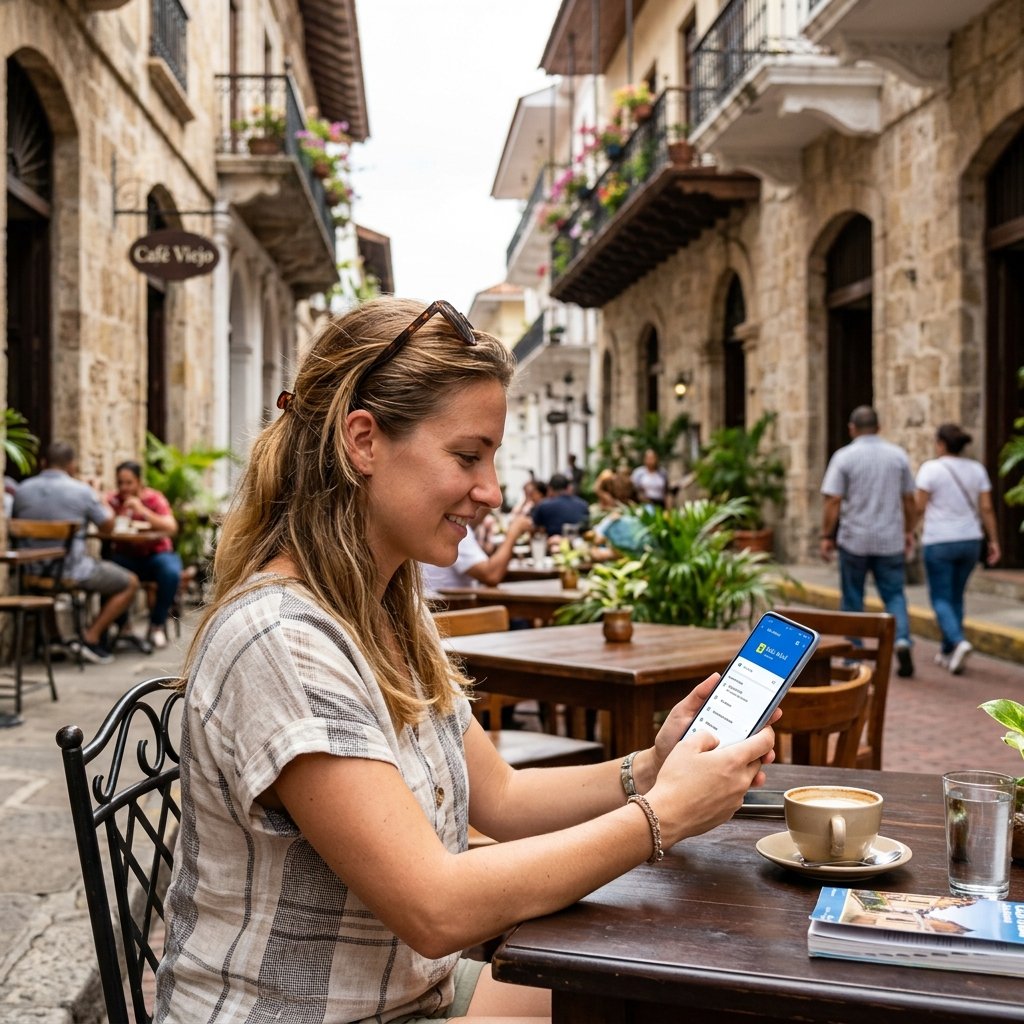
Stay Connected Throughout Panama
From navigating the historic streets of Casco Viejo with maps to hailing an Uber after checking the Panama Canal transit schedule, a reliable mobile internet connection is essential in Panama. Public Wi-Fi is rarely open outside major cafes, and high roaming rates can build up quickly.
The safest and most convenient option is to purchase a high-speed travel eSIM from TravelyData before you travel. With a premium Panama travel eSIM, your phone will connect instantly to local Más Móvil networks when you land. Stay connected, avoid roaming traps, and enjoy your Panama adventure!
Frequently Asked Questions (FAQ)
Can I pay with contactless cards on the Panama Metro?
Yes. The Panama City Metro fare gates have been upgraded to accept contactless Visa and Mastercard credit or debit cards directly, as well as digital wallets like Apple Pay and Google Pay.
Does Panama accept US Dollars?
Yes. The US Dollar (USD) is the official paper currency of Panama. Panama’s local currency, the Balboa, exists only in coins and is pegged 1:1 with the USD, meaning they are used interchangeably.
What is the best mobile network in Panama?
Más Móvil is widely considered to have the best nationwide network coverage and performance in Panama, followed closely by Tigo. Using a travel eSIM that connects to Más Móvil is highly recommended.