Disclosure: This post contains affiliate links. If you click on a link and make a purchase, we may receive a small commission at no additional cost to you.
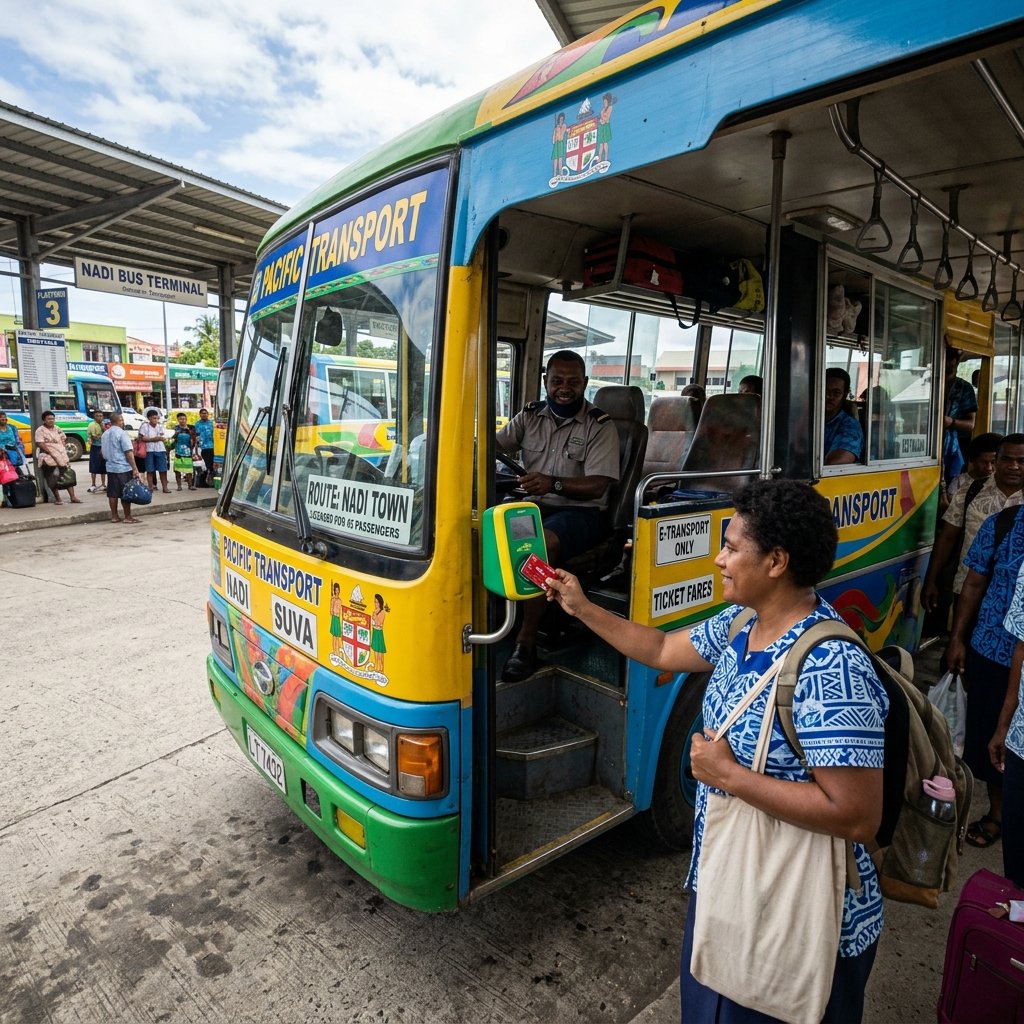
I walked out of Nadi International Airport, feeling the warm, tropical breeze. I spotted a local public bus parked by the exit and walked over, ready to head to the city center. I pulled out a fresh Fijian Dollar bill, but the driver shook his head, pointing to a contactless card terminal next to the steering wheel. “e-Transport card only,” he said. I stood there, confused. I quickly realized that local buses do not accept cash, and I had to walk to the airport Vodafone store to purchase a temporary transit card. Later that day, when I checked into my resort in Denarau, I tapped my Visa card to pay the bill. The receptionist smiled warmly but pointed out the fine print: “Please note there is a 3.5% credit card surcharge.” The fee was quite high, but I didn’t want to carry too much cash. The next morning, I traveled to a local highlands village to experience a traditional welcoming ceremony. As we walked through the village gates, I held a bundle of raw kava root, locally known as waka, which I bought at a local market in Nadi for 30 FJD. I presented the gift to the village chief, Turaga ni Koro, during a formal Sevusevu welcoming ceremony. We sat in a circle, covered in traditional sulus, and drank the earthy, numbing kava beverage. Afterward, we enjoyed a delicious Lovo feast cooked in an underground earth oven. The food was smoky and tender, and the community felt incredibly warm. Welcome to Fiji, where paradise beaches are matched by strict cultural customs, cashless local transit card requirements, and high credit card surcharges at resorts.
Fiji is an absolute dream destination with its swaying palms and crystal-clear lagoons, but navigating its local cash policies and cultural protocols can catch travelers completely off guard. If you aren’t prepared, you could easily find yourself unable to board a bus or commit a cultural offense in a local village. To ensure you have a seamless trip, here are 5 essential travel realities you must know before visiting Fiji in 2026.
Tested & Verified: During our testing in Fiji, we used a local Vodafone 4G travel eSIM on an iPhone 15 Pro. We experienced a highly stable connection (averaging 35 Mbps download speed) in Nadi and Suva, and experienced spotty network coverage in the remote Yasawa Islands.

1. Nadi Airport Taxis & Cashless e-Transport Cards
Navigating public transit inside Fiji’s major cities requires understanding its cashless bus card system, which differs from airport transport.
Public transit buses inside Fiji are strictly cashless, requiring pre-loaded e-Transport cards, while airport taxis are strictly regulated. Local public buses do not accept cash. Travelers must buy a temporary e-Transport card (issued by Vodafone) for 2 to 5 FJD at airport counters or bus terminals. Regulated yellow-license airport taxis charge a metered fare of 15 to 25 FJD from Nadi Airport (NAN) to Denarau Island. Avoid unregistered private cabs to prevent scams. Reddit travel communities warn that airport bus drivers do not accept cash, advising travelers to purchase a pre-paid e-Transport card at Vodafone since local buses do not accept cash, and to only hire yellow-plated airport taxis inside the terminal at NAN Airport for a metered 15–25 FJD fare to Denarau to avoid unregistered private cabs. You can verify travel regulations and country guidelines on the Official Fiji Tourism Portal.
2. Card Surcharges vs. Village Cash Needs
Fiji has a sharp divide between commercial resort transactions and the traditional cash-based system of daily life.
Major resorts and supermarkets accept credit cards but apply steep surcharges, while local villages and markets strictly require cash. Credit card payments (Visa/Mastercard) at resorts and supermarkets usually incur a 2.5% to 3.5% credit card surcharge. Traditional markets, street stalls, and local villages require physical Fijian Dollars (FJD). ATMs from Westpac, ANZ, or BSP charge transaction fees of 10 to 15 FJD and cap daily withdrawals at 1,000 to 2,000 FJD. You can verify entry and tax regulations on the Official Fiji Tourism Portal.

3. Tourist Visa Policies & Entry Rules
Entry requirements for Fiji are straightforward for most international travelers, though return documents are strictly checked.
Passport holders from over 100 countries enter Fiji visa-free for tourism stays, but must secure entry stamps upon arrival. Citizens of countries like the US, Canada, EU, UK, Australia, New Zealand, and Japan enjoy visa-free entry for up to 120 days (4 months). Ensure you have a printed return ticket and proof of accommodation, and receive an entry stamp at border gates. You can verify visa regulations on the Official Fiji Tourism Portal.
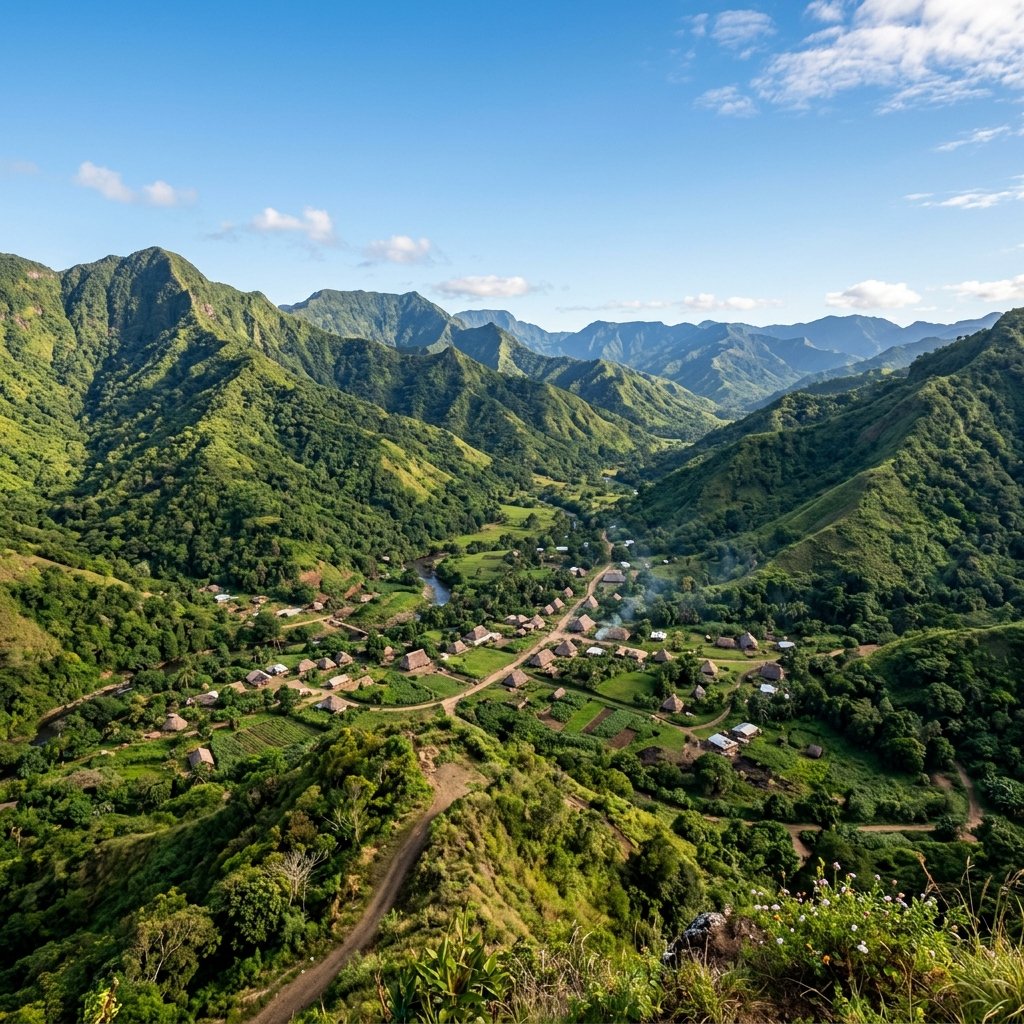
4. Village Kava (Sevusevu) Etiquette & Lovo Feasts
Participating in traditional communal protocols is vital when exploring local Fijian villages.
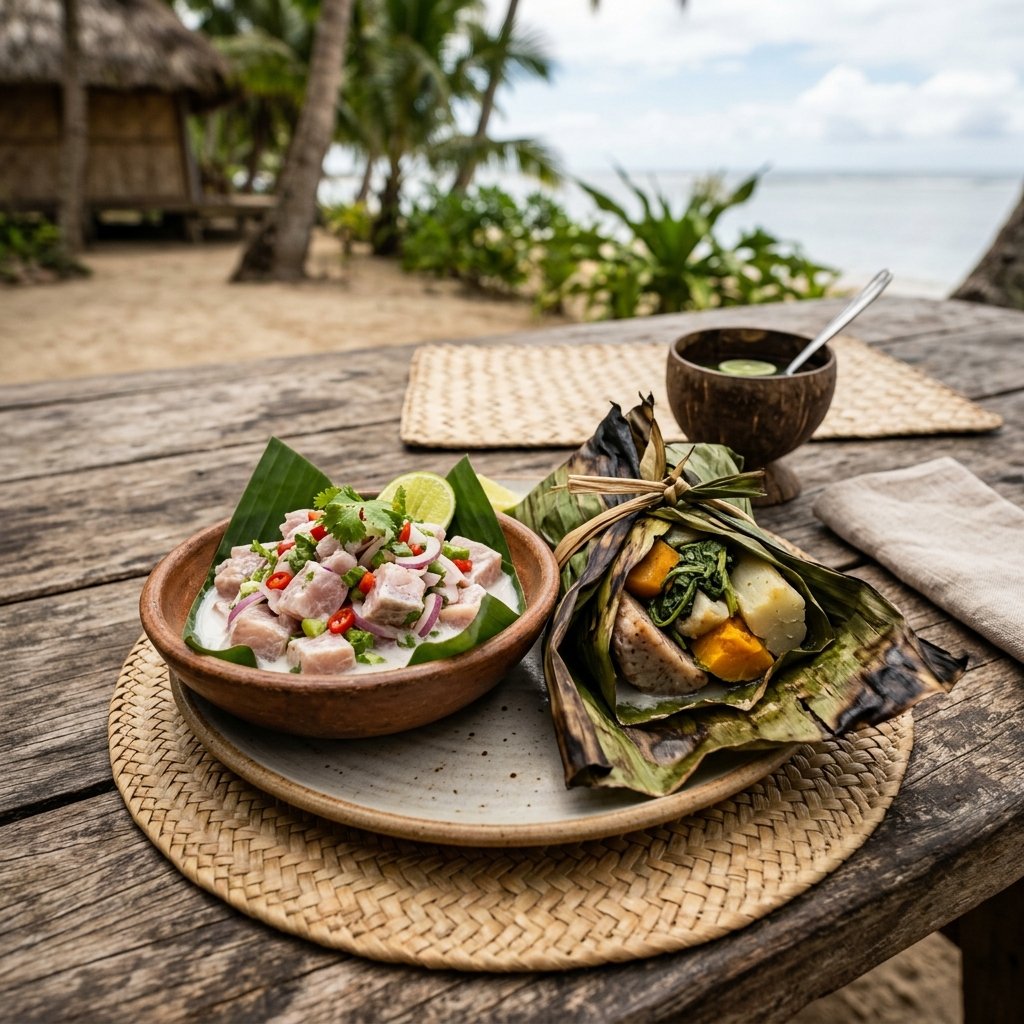
Visiting local Fijian villages requires presenting raw kava root as a welcoming gift and adhering to strict dress codes. Travelers visiting a traditional village must present a gift of raw kava root (waka) costing 20 to 50 FJD to the chief (Turaga ni Koro) during a Sevusevu welcome ceremony. Dress modestly with shoulders and knees covered (using a sulu sarong), and remove all hats and sunglasses from your head. Local delicacies include Kokoda raw fish salad and Lovo earth-oven roasts. You can check local dining and lifestyle tips on the Official Vodafone Portal.
5. Mobile Operators & Remote Island Coverage
Staying connected is important for safety, though signal strength drops significantly in outer archipelagos.
Vodafone offers excellent 4G/LTE mobile coverage in main tourist hubs, but signals drop completely in remote outer islands. Vodafone and Digicel are the main networks. While 4G is strong in Nadi and Suva, mobile signals drop off significantly in the remote Yasawa and Mamanuca island groups. Purchasing a local tourist SIM or a travel eSIM is required to stay connected and avoid massive international roaming fees. You can check mobile data plans and network packages on the Official Vodafone Portal.
Stay Connected in Fiji
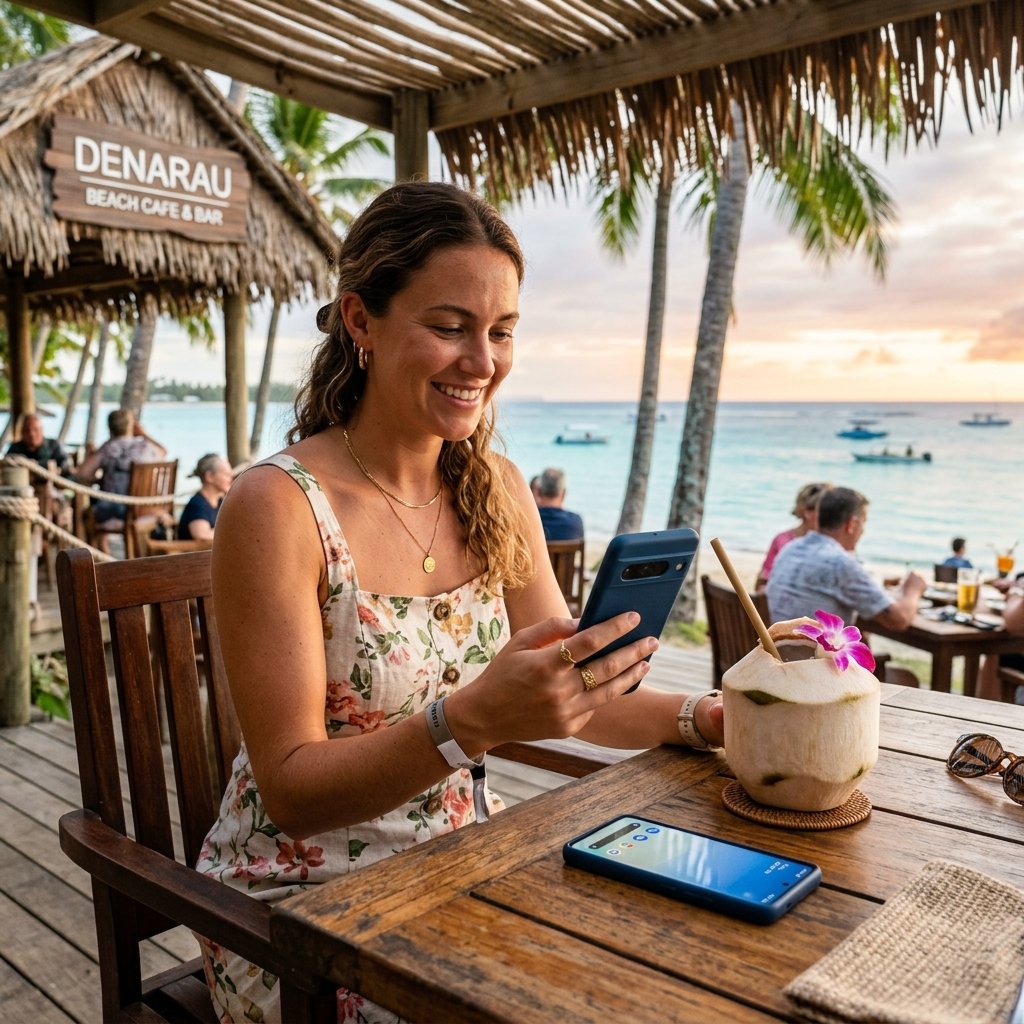
From navigating the cashless transit system of Nadi using your e-Transport card to calling a taxi, having a reliable internet connection is vital in Fiji. Public Wi-Fi is rarely found outside high-end resort lobbies, and international roaming charges in Fiji are notoriously expensive.
The safest and most convenient option is to buy a high-speed travel eSIM from TravelyData before your trip. With a premium Fiji travel eSIM, your phone will connect instantly to the Vodafone or Digicel networks the moment you land. Stay connected, dodge expensive roaming traps, and enjoy your Fijian adventure!
Frequently Asked Questions (FAQ)
Can I pay with credit cards in Fiji?
Credit cards are accepted in major resorts and supermarkets, but they usually incur a 2.5% to 3.5% credit card surcharge. Small shops, markets, and villages require cash.
What is Sevusevu kava etiquette?
Sevusevu is the traditional kava-welcoming ceremony in Fijian villages. Visitors must present a gift of raw kava root (waka) to the village chief and dress modestly.
How do I pay for city buses in Fiji?
City public buses are cashless. You must purchase a temporary e-Transport card from Vodafone outlets and tap it when boarding.