Disclosure: This post contains affiliate links. If you click on a link and make a purchase, we may receive a small commission at no additional cost to you.
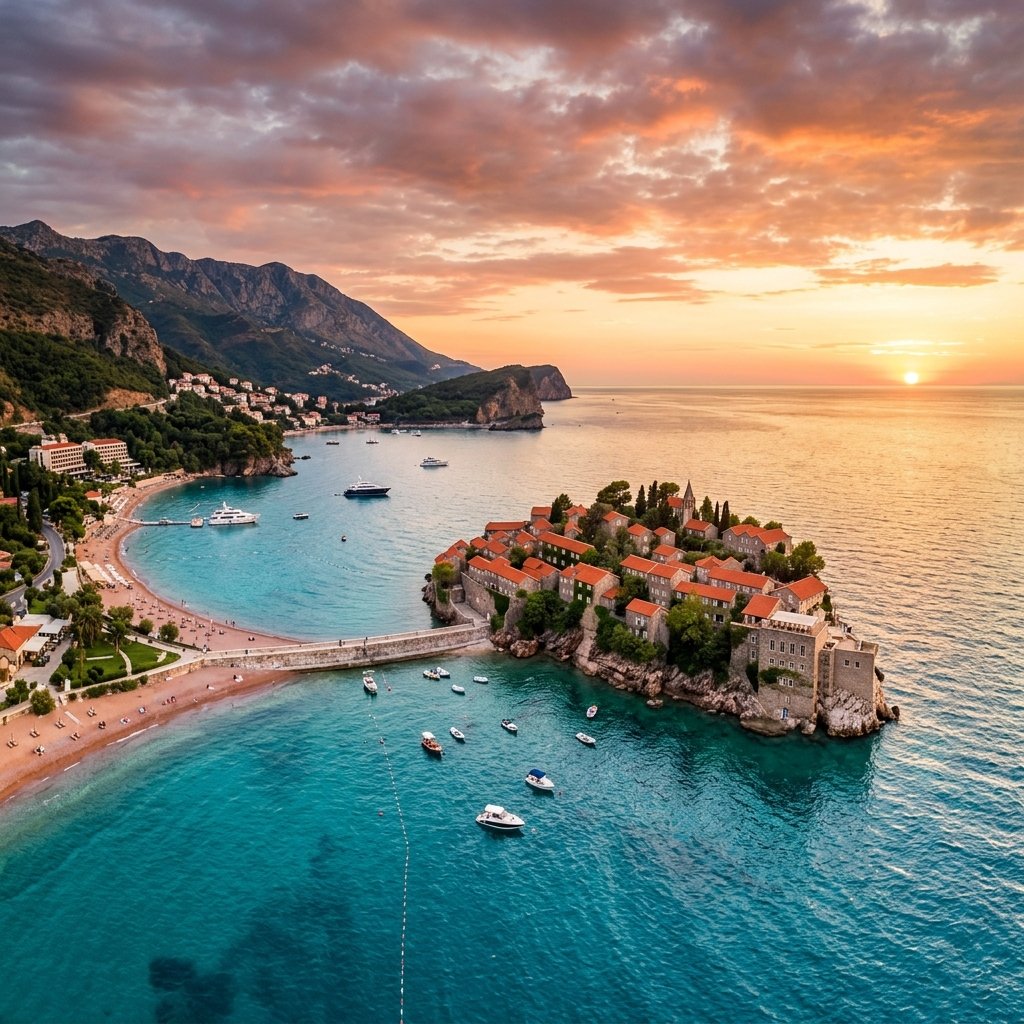
I walked out of Podgorica Airport, dragging my suitcase toward the empty parking lot. I quickly realized there were no public buses running to the city center. I approached a taxi parked by the curb. The driver quoted me a flat rate of 40 EUR. I knew this was double the standard fare, but I had no other options. I climbed in, paid in cash when we arrived, and set off to explore the capital. Podgorica felt quiet and walkable. Later that day, I walked into a modern supermarket, tapped my credit card to buy supplies, and boarded an intercity bus to the coastal town of Kotor. I paid the 1 EUR platform fee at the station ticket counter, thinking about how easy digital transactions are. But the next morning, inside Kotor’s historic stone walls, I walked into a tiny bakery, smelling the warm, freshly baked cheese burek. I ordered a slice and pulled out my Visa card. The baker shook his head. “Cash only. Euros, please,” he said. I opened my wallet to find only a few cents left. The nearest ATM was blocked by a long line of tourists, and I was stuck without any way to pay. Welcome to Montenegro, a country that uses the Euro unilaterally but remains deeply cash-dominant in its daily interactions.
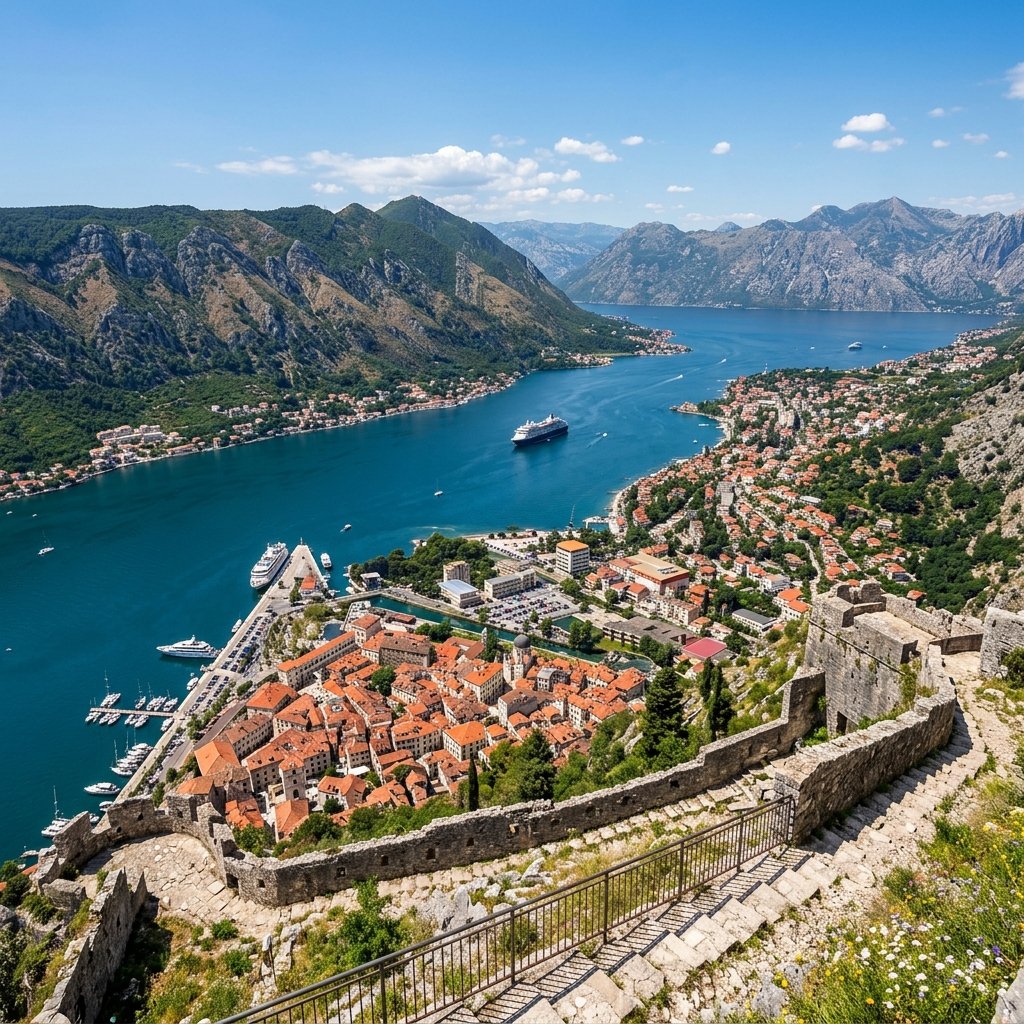
Montenegro is a stunning destination where dramatic mountains meet the turquoise Adriatic Sea, but its unique financial system can easily trap tourists. If you aren’t prepared, you could find yourself unable to pay for local taxis, bakeries, or the tourist tax. To ensure you have a seamless trip, here are 5 essential travel realities you must know before visiting Montenegro in 2026.
Tested & Verified: During our testing in Montenegro, we used a local MTEL 4G travel eSIM on an iPhone 15 Pro. We experienced a highly stable connection (averaging 45 Mbps download speed) in Podgorica and Kotor, and maintained basic 4G connectivity in Durmitor National Park.
1. Podgorica Airport Taxi & Intercity Bus Transit
Navigating public transit inside Montenegro’s capital city requires understanding its lack of public transport, which differs from intercity transit.
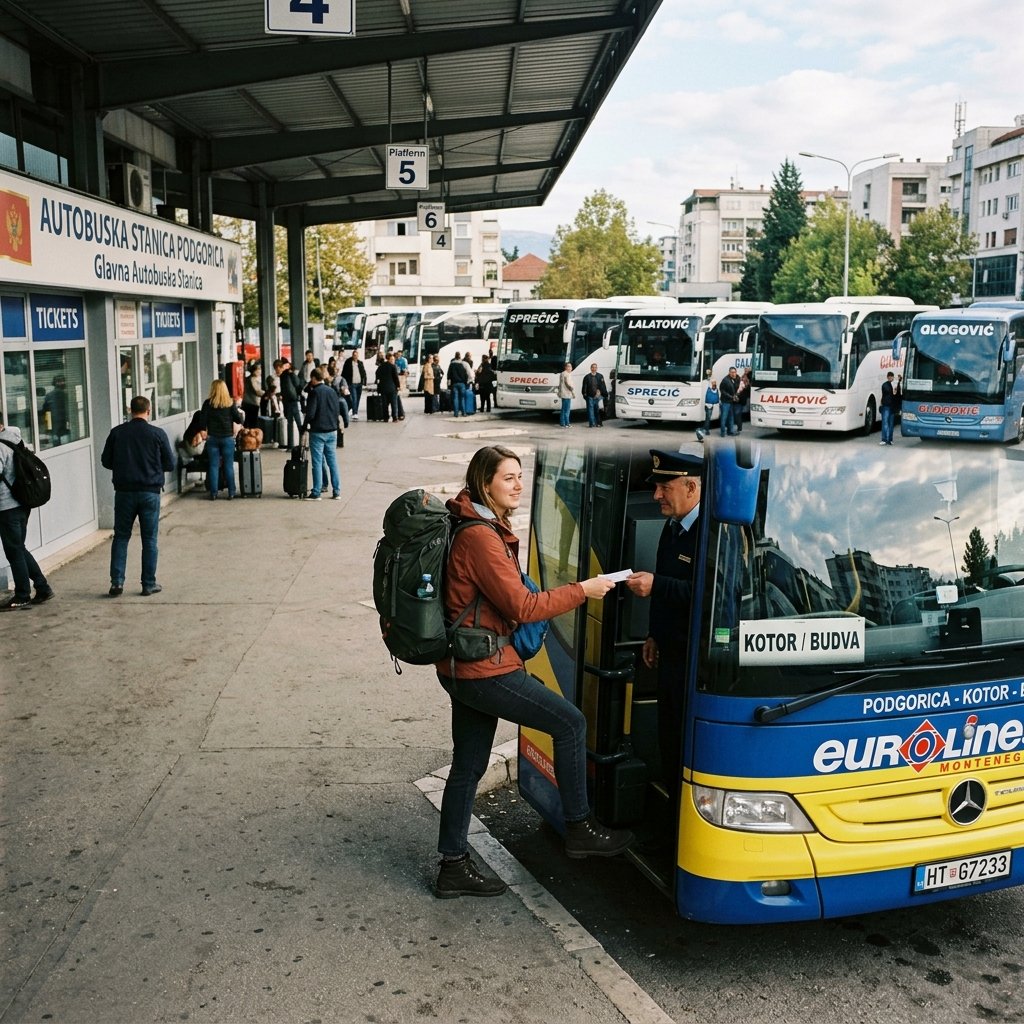
No public bus connects Podgorica Airport to the city center, and intercity bus tickets incur mandatory platform access fees. Taxis from Podgorica Airport (TGD) to the city charge a flat rate of 15 to 20 EUR. Avoid random street cabs that charge up to 40 to 50 EUR by pre-booking a vehicle. Additionally, Podgorica’s Main Bus Station adds a mandatory 1 EUR platform fee (peronizacija) to every intercity ticket purchased at the counter. Reddit travel threads warn about these taxi scams at Podgorica Airport, advising visitors to pre-book a taxi for a flat 15–20 EUR rate instead of paying 40–50 EUR to random street cabs, and warning about the 1 EUR platform fee (peronizacija) added to every intercity bus ticket. You can check local travel advisories and country info on the Official Montenegro Tourism Portal.
2. Euro Cash Currency Dominance vs. Credit Cards
Montenegro has a sharp divide between commercial digital payments and the traditional cash-based system of daily life.
Montenegro unilaterally uses the Euro as its currency, but local shops, bakeries, and taxis strictly require physical cash. While Montenegro unilaterally adopted the Euro (EUR), it is not a member of the EU or eurozone. Credit cards are accepted at large supermarkets (Voli, Idea) and hotels, but bakeries (pekara), local green markets, and taxis do not accept cards. ATMs from major banks like Erste or CKB accept foreign cards but charge local access fees of 3 to 5 EUR per transaction, with withdrawal limits capping at 200 to 500 EUR. You can verify entry and transit regulations on the Official Montenegro Tourism Portal.
3. Visa Exemptions & Mandatory White Card Registration
Montenegro offers straightforward entry requirements for many international visitors, though local registration laws are strict.
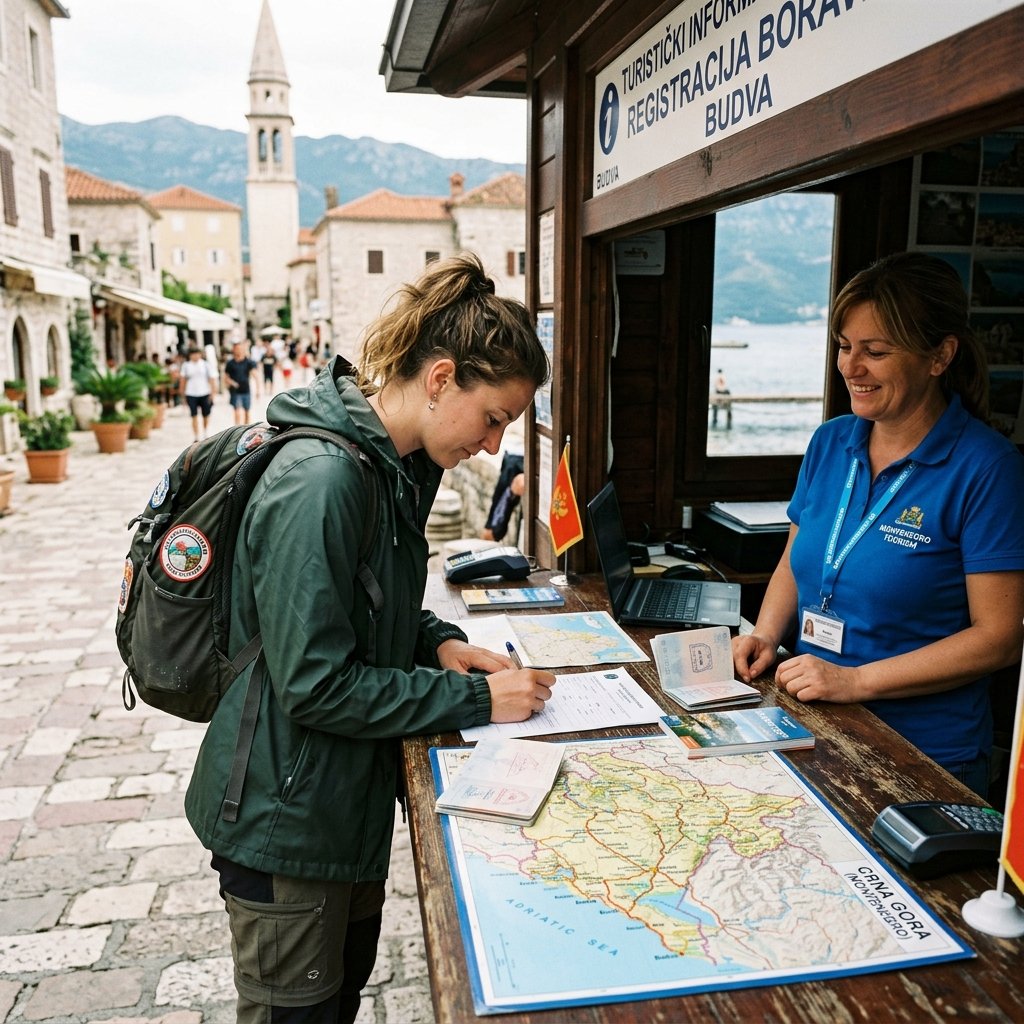
Most tourists can enter Montenegro visa-free, but all travelers must register their stay and pay a daily tourist tax within 24 hours of arrival. Citizens of over 60 countries (including the US, Canada, EU, UK, Australia, and Japan) enter Montenegro visa-free for up to 90 days. However, you must register at a local tourist info office or police station within 24 hours of arrival to obtain a “White Card” (Prijava boravka) and pay the tourist tax of exactly 1 EUR per day. Hotels usually handle this, but if staying in an Airbnb, you must register yourself to avoid heavy fines at the border. You can check entry regulations and tourist registration details on the Official Montenegro Tourism Portal.
4. Gastronomy & Cultural Etiquette
Montenegrin culture and dining are heavily influenced by the country’s rugged geography and agricultural traditions.
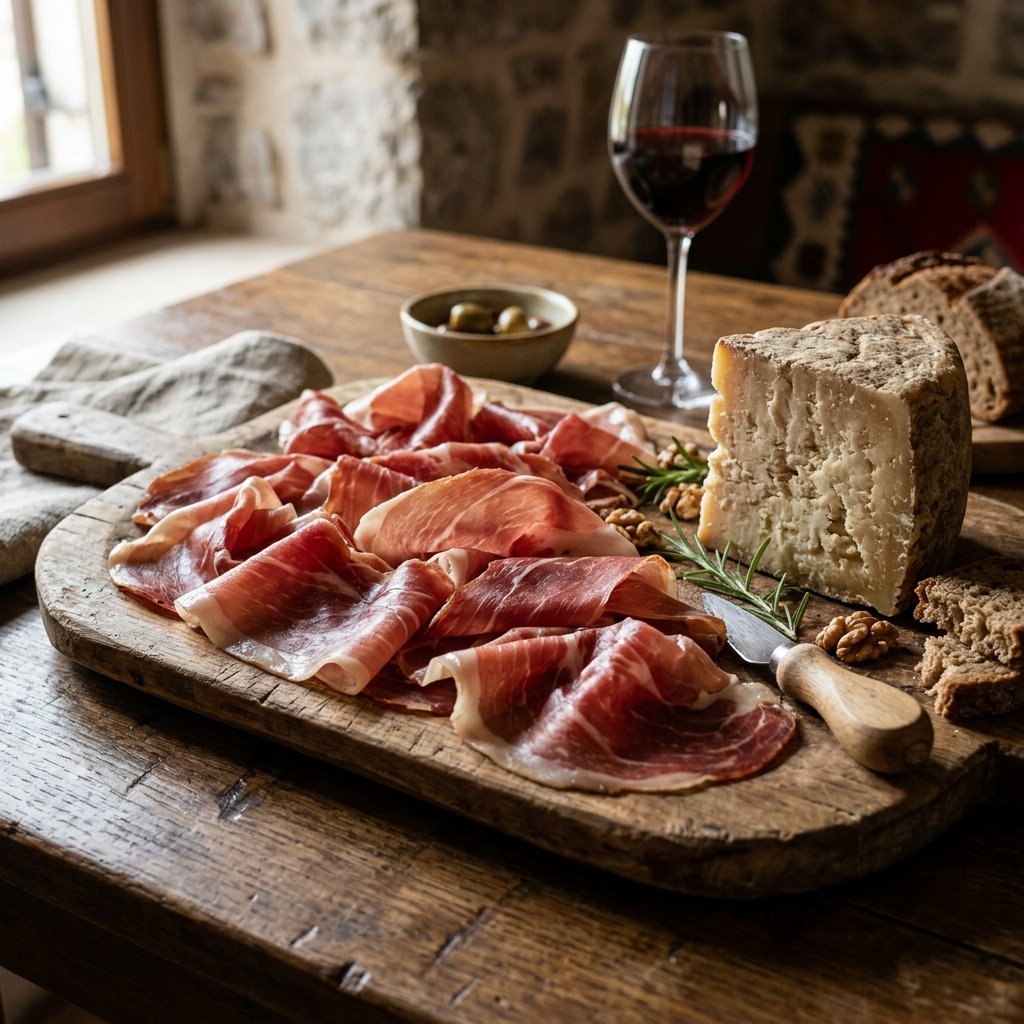
Dining in Montenegro features rich mountain cheeses, dry-cured meats, and a prominent indoor smoking culture. Local specialties include Njegoški pršut (smoked prosciutto), Crnogorski sir (salted cheese), and Kačamak (cornmeal porridge). A traditional platter of pršut and cheese at a local restaurant costs between 10 to 15 EUR. Note that indoor smoking remains widely permitted in cafes and restaurants throughout the country. You can read local dining and travel tips on the Official Crnogorski Telekom Portal.
5. Mobile Networks & The Non-EU Roaming Trap
Staying connected is vital when hiking in Montenegro, but standard European roaming packages will not work here.
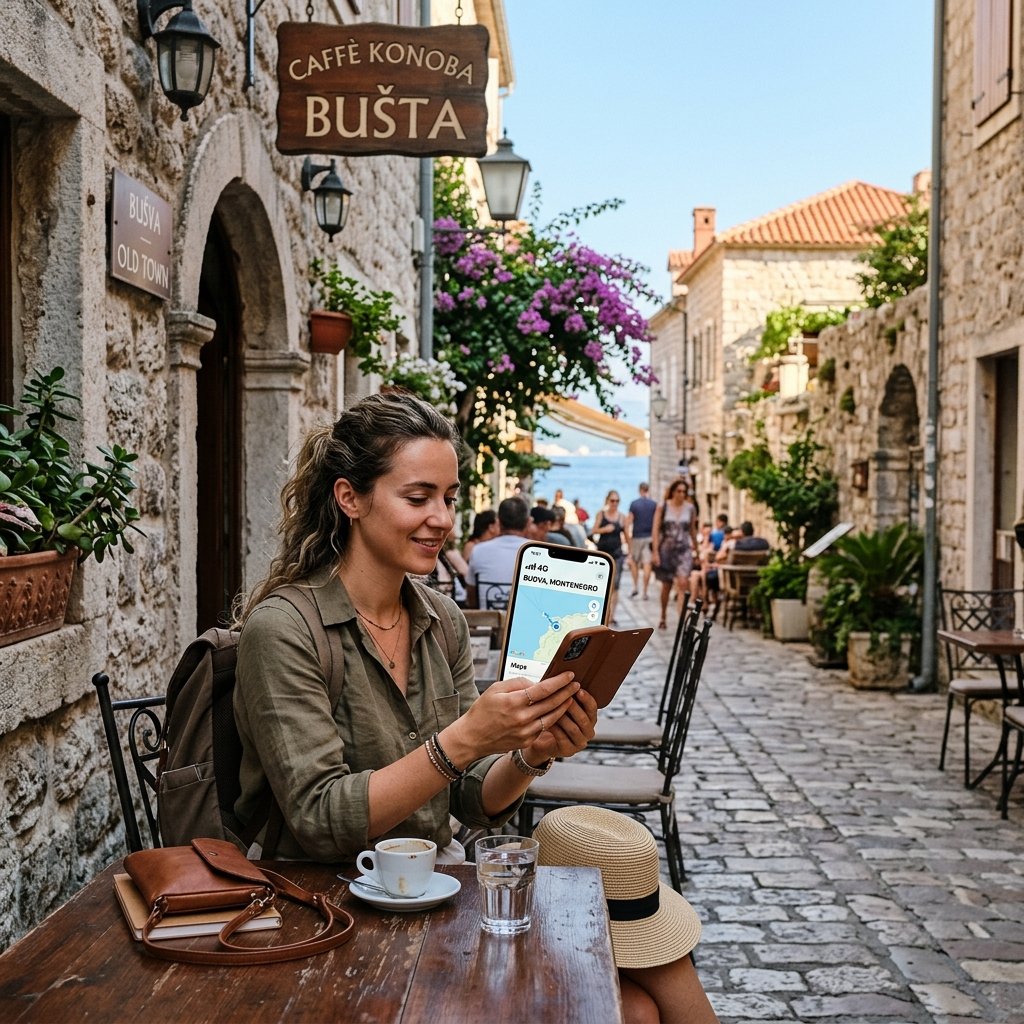
Montenegro is outside the EU/EEA roaming zone, meaning standard European roaming packages will result in extremely high data fees. The three primary mobile networks are One, M:tel, and Crnogorski Telekom. Because Montenegro is not part of the EU, standard European roaming packages do not apply, and data roaming can cost up to 15 EUR per MB. Using a local tourist SIM or a travel eSIM is the best way to avoid massive bills. You can verify mobile data plans and packages on the Official Crnogorski Telekom Portal.
Stay Connected Under the Balkan Skies
From navigating the cashless transit limits of Podgorica to booking your intercity bus tickets online, having a reliable internet connection is vital in Montenegro. Public Wi-Fi is rarely found outside coastal tourist centers, and international roaming charges in Montenegro are notoriously expensive.
The safest and most convenient option is to buy a high-speed travel eSIM from TravelyData before your trip. With a premium Montenegro travel eSIM, your phone will connect instantly to the M:tel or One networks the moment you land. Stay connected, dodge expensive roaming traps, and enjoy your Montenegrin adventure!
Frequently Asked Questions (FAQ)
Does Montenegro use the Euro?
Yes, the official currency of Montenegro is the Euro (EUR), although the country is not officially part of the European Union or the eurozone.
What is the White Card registration?
All foreign visitors must register their stay with the local police or tourist office within 24 hours of arrival and pay a 1 EUR daily tourist tax.
Can I pay with credit cards in Montenegro?
Credit cards are accepted in large supermarkets and hotels. However, small bakeries, taxis, local green markets, and guesthouses strictly require cash.