Disclosure: This post contains affiliate links. If you click on a link and make a purchase, we may receive a small commission at no additional cost to you.
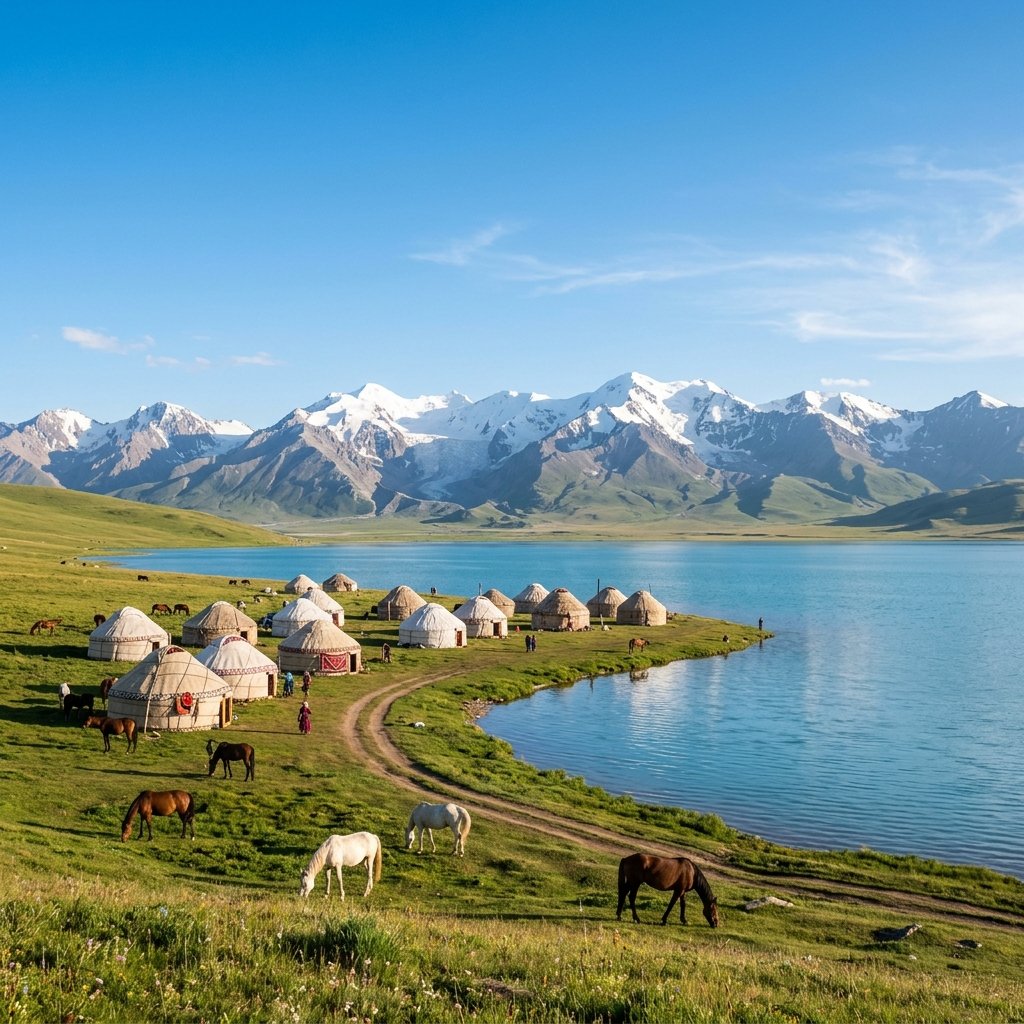
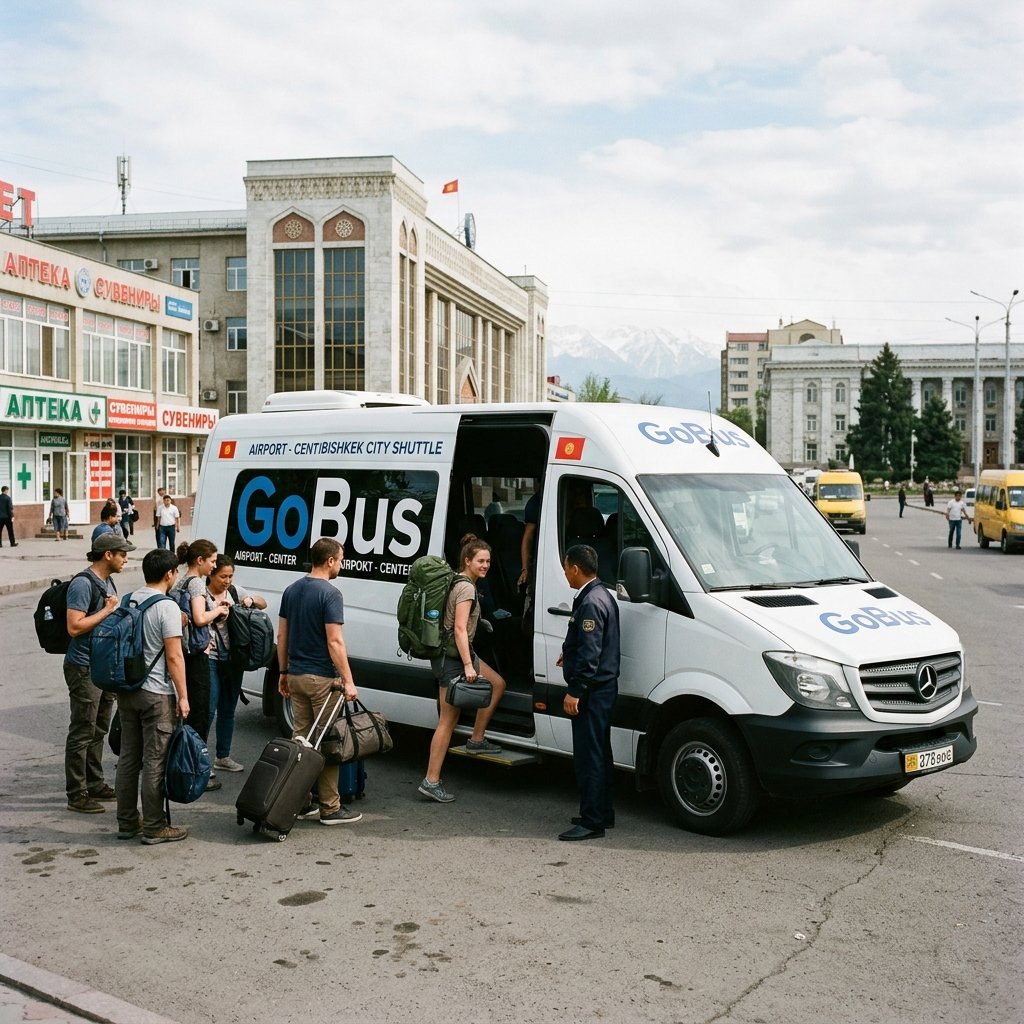
I walked out of Bishkek’s Manas International Airport, pulling my luggage toward the bus stop. I found a GoBus shuttle that would take me directly to the city center. I climbed aboard, tapped my credit card on the payment terminal, and sat down. “Easy,” I thought. “Kyrgyzstan is incredibly digital and convenient.” When I checked into my hotel near Ala-Too Square, they accepted my Visa card with no issues. But the real reason I came to Kyrgyzstan was to trek through the Tian Shan mountains and sleep in traditional nomadic yurts. The next day, I took a taxi to the Western Bus Station, paid cash to the driver, and headed to Lake Song-Kul. That evening, in a beautiful valley surrounded by snow-capped mountains, my local host family prepared a hot meal. I wanted to pay for my stay and buy a bowl of fermented mare’s milk. I pulled out my credit card. The host laughed softly and shook his head. “No cards here, my friend. Only Som,” he said. I opened my wallet to find only a few small notes. I was miles away from any bank, at 3,000 meters above sea level, with a piece of plastic that was completely useless. Welcome to Kyrgyzstan, where the capital is increasingly cashless, but the mountains remain strictly cash-only.
Kyrgyzstan is one of the most beautiful and rugged destinations in Central Asia, but its dual economic reality can catch travelers off guard. If you aren’t prepared, you can easily find yourself unable to pay for yurts, taxis, or food in the mountains. To ensure you have a seamless trip, here are 5 essential travel realities you must know before visiting Kyrgyzstan in 2026.
Tested & Verified: During our testing in Kyrgyzstan, we used a local Mega 4G travel eSIM on an iPhone 15 Pro. We experienced a highly stable connection (averaging 35 Mbps download speed) in Bishkek, and maintained basic 4G connectivity in Karakol town.
1. Bishkek Buses & Cashless Transit
Navigating public transit inside Kyrgyzstan’s capital city requires understanding its cashless payment system, which differs from intercity travel.
Public transit inside Bishkek is cashless via the Tulpar system, while intercity travel relies on cash-only shared marshrutkas. A cashless Tulpar transit card costs 50 KGS and a single ride on a city bus or trolleybus costs exactly 17 to 20 KGS. However, intercity shared minibuses (marshrutkas) departing from Bishkek’s Western Bus Station to Issyk-Kul or Karakol do not accept cards; you must pay the fare in cash. If you plan to explore Bishkek, buy a Tulpar card on day one, but keep cash som ready for longer journeys. You can verify visa and entry requirements on the Official Kyrgyzstan Evisa Portal.
2. Bishkek Cashless vs. Rural Mountain Cash Reality
Kyrgyzstan has a sharp divide between the capital city’s digital infrastructure and the traditional cash-based system of the countryside.
While international credit cards are accepted in Bishkek’s supermarkets and cafes, physical cash is mandatory in rural mountainous areas. Supermarkets like Globus and modern cafes in Bishkek accept Visa cards (Mastercard is less widely accepted). In contrast, yurt camps, national parks like Ala-Archa, and mountain trekking routes only accept Kyrgyzstani Som (KGS). ATMs in Bishkek from Demir Bank or KICB charge withdrawal fees of 150 to 300 KGS and limit foreign card transactions to 10,000 to 15,000 KGS. Reddit hiking forums warn that cards are completely useless outside the capital. They recommend withdrawing sufficient KGS cash from Demir Bank ATMs in Bishkek before heading to Song-Kul Lake or entering mountain trekking routes to avoid running out of funds. You can check visa guidelines on the Official Kyrgyzstan Evisa Portal.
3. Tourist Visa Exemptions & Eviza Portal
Kyrgyzstan has opened its borders to many international visitors, offering easy entry requirements for short-term tourism.
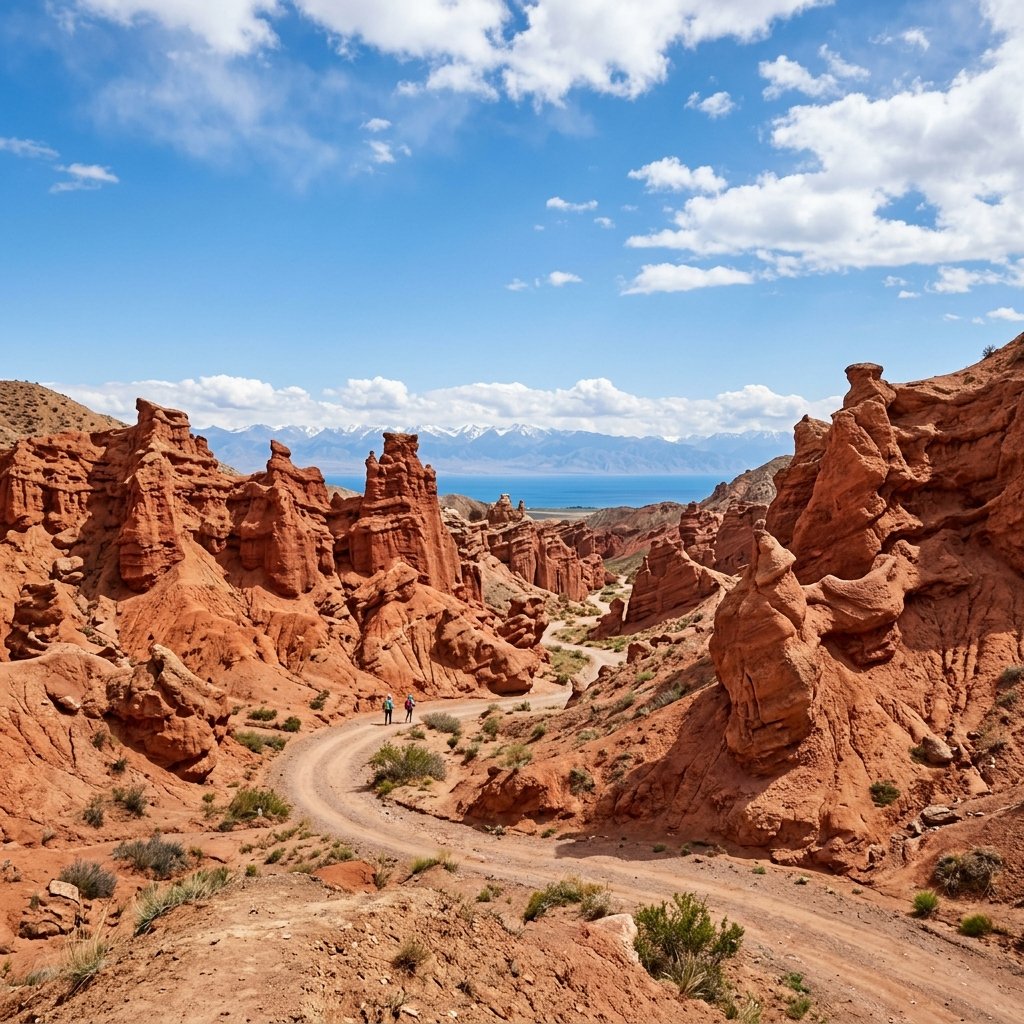
Citizens of many nations can enter Kyrgyzstan visa-free for tourism, while others must apply online via the official e-visa portal. Travelers from over 40 countries (including the US, Canada, EU, UK, and Australia) enjoy visa-free entry for up to 60 days. Nationalities that are not exempt must secure an e-visa via the official governmental portal, which typically costs 30 to 50 USD for a 30-day stay. You should verify your visa requirements and submit applications on the Official Kyrgyzstan Evisa Portal.
4. Nomadic Yurt Etiquette & Traditional Gastronomy
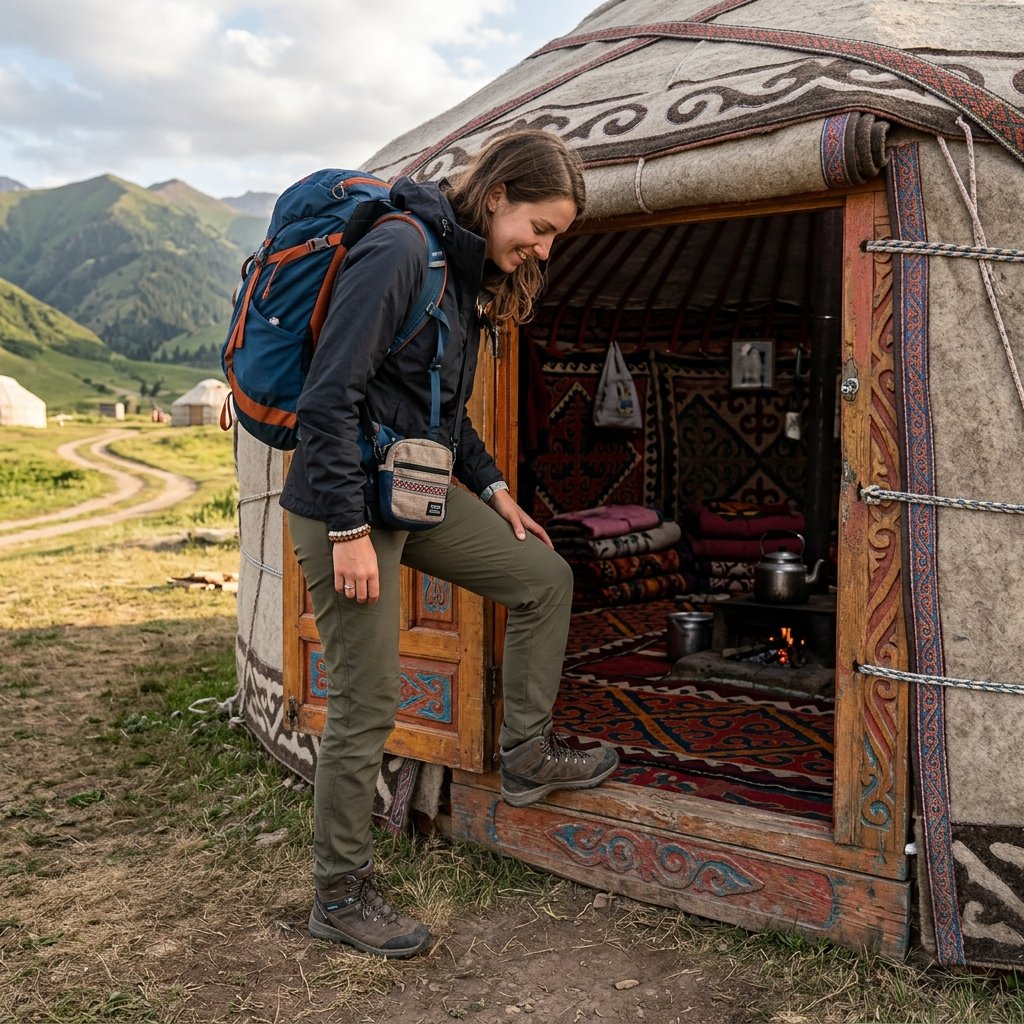
作客 traditional yurts (nomadic tents) is a highlight of visiting Kyrgyzstan, but you must follow local cultural rules.
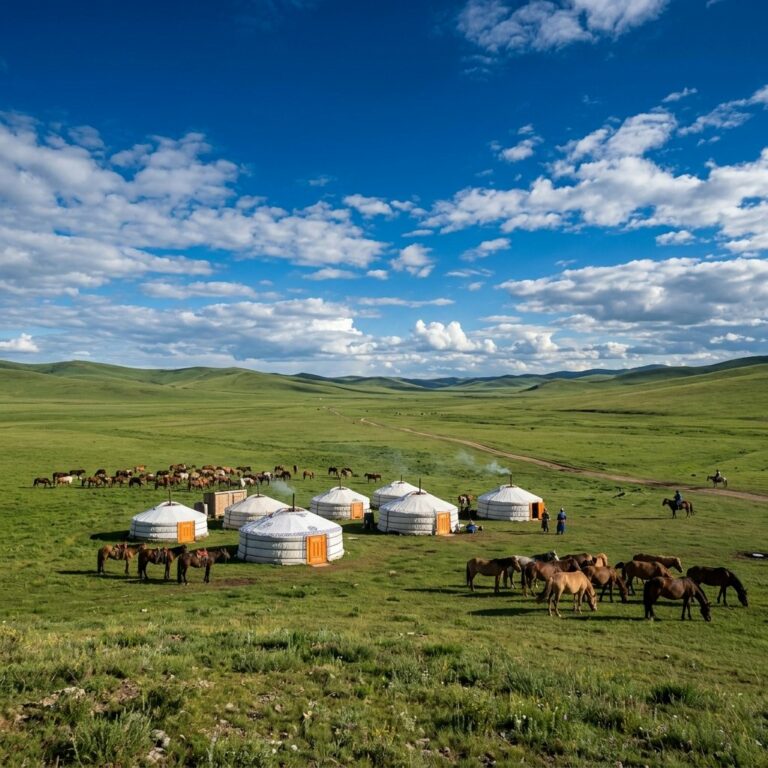
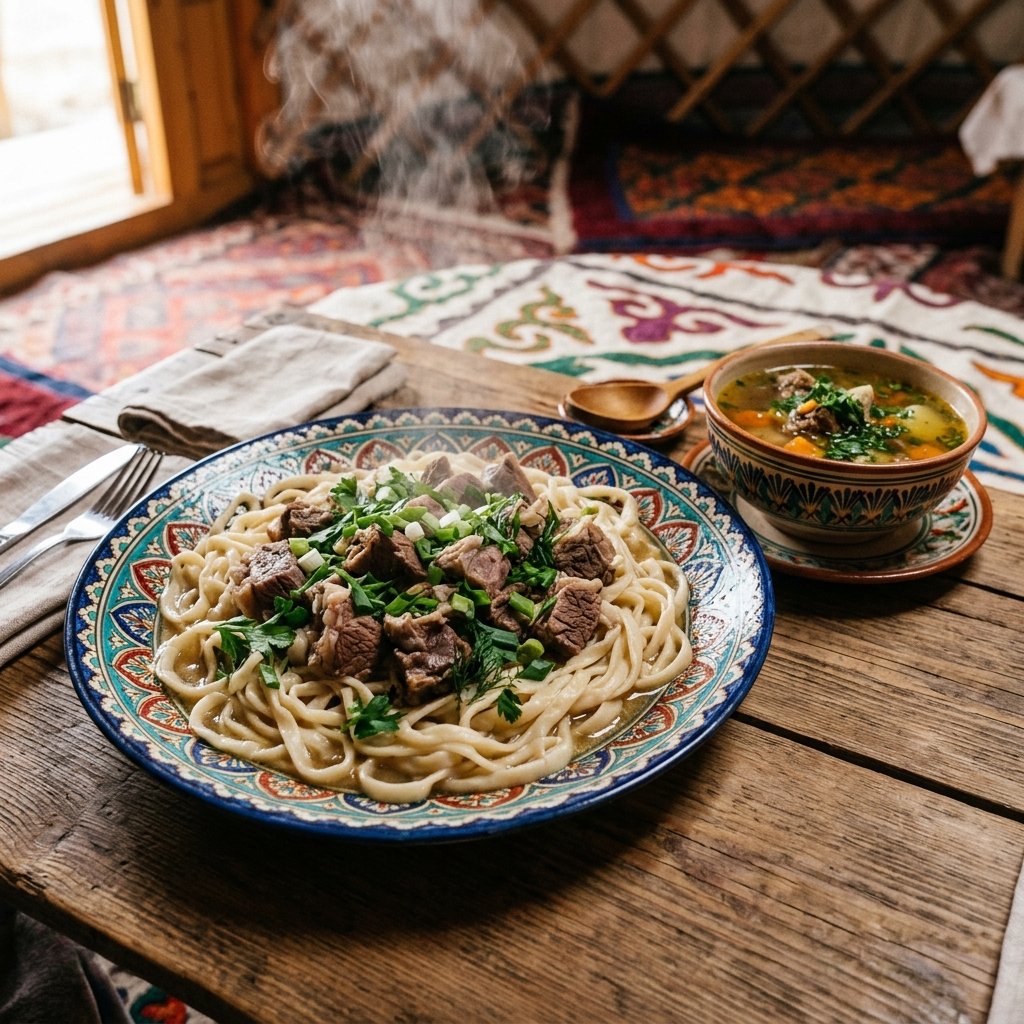
Staying in yurts requires strict respect for nomadic customs, and local dining centers around heavy meat dishes and dairy products. When entering a yurt, never step on the wooden threshold (boogo) of the door frame. Walk clockwise inside, and always accept food or drink bowls with your right hand. A traditional plate of Beshbarmak (boiled meat and hand-pulled noodles) or a bowl of Shorpo soup at a local cafe costs between 300 to 500 KGS. Respecting these rules is a sign of honor to your Kyrgyz hosts. You can check local cultural travel guidelines on the Official Kyrgyzstan Evisa Portal.
5. Mobile Networks & Mountain Coverage
Staying connected is vital for safety when hiking in Kyrgyzstan, but the mountainous terrain affects network availability.
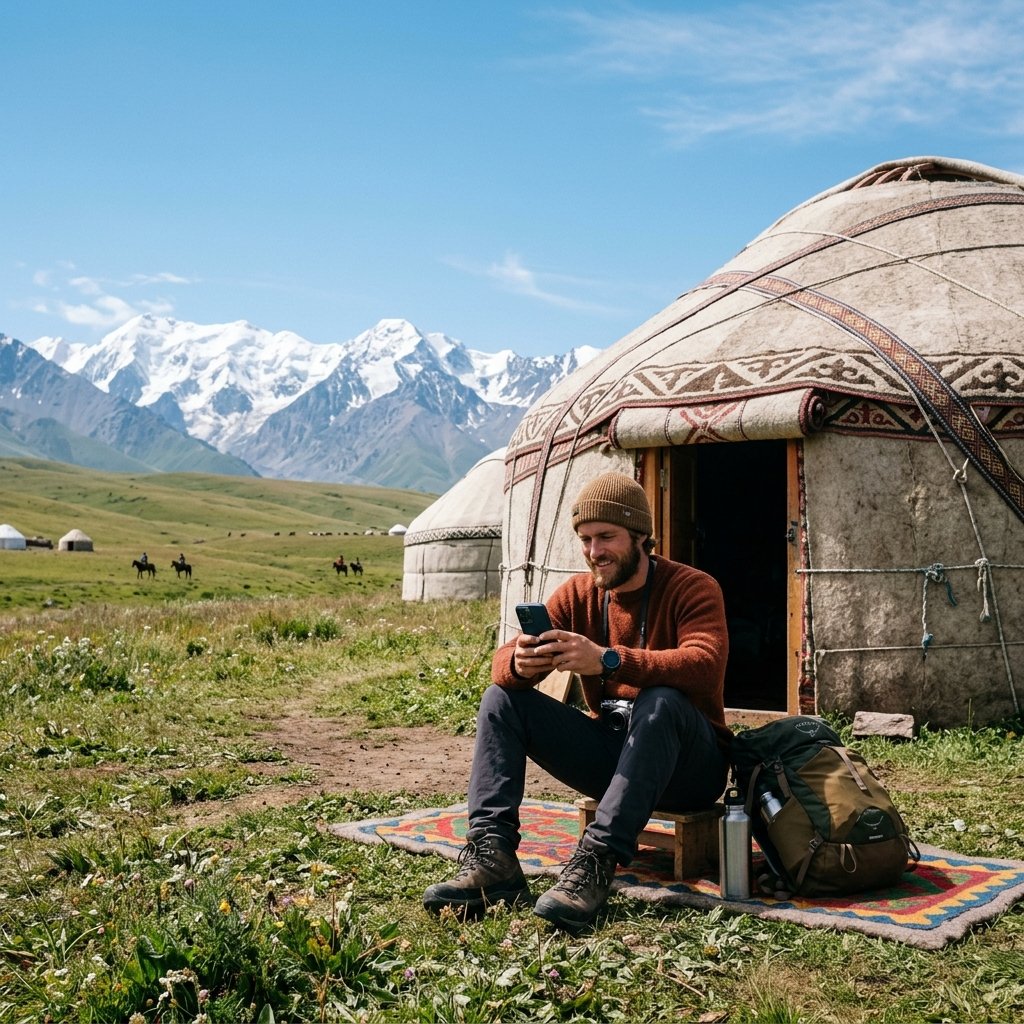
Mobile networks are competitive and cheap in cities, but mountainous terrains make cellular signals highly spotty or nonexistent in rural areas. The three main operators are Mega, Beeline, and O!. While 4G is fast in Bishkek, signals disappear completely in high-altitude valleys like Song-Kul. Because foreign carrier roaming fees in Kyrgyzstan are extremely high, a travel eSIM or local SIM card is required to stay connected. You can check banking rules and ATMs on the Official Demir Bank Portal.
Stay Connected Amidst the Peaks
From navigating the cashless transit system of Bishkek using your Tulpar card to booking yurts near Lake Song-Kul, having a reliable internet connection is vital in Kyrgyzstan. Public Wi-Fi is rarely found outside the capital, and international roaming charges in Kyrgyzstan are notoriously expensive.
The safest and most convenient option is to buy a high-speed travel eSIM from TravelyData before your trip. With a premium Kyrgyzstan travel eSIM, your phone will connect instantly to the Mega or O! networks the moment you land. Stay connected, dodge expensive roaming traps, and enjoy your Kyrgyz adventure!
Frequently Asked Questions (FAQ)
Can I pay with credit cards in Kyrgyzstan?
Yes, in Bishkek, credit cards are accepted in major supermarkets and modern cafes. However, cash is required in rural areas and yurt camps.
What is the yurt threshold rule?
Never step on the wooden threshold of a yurt’s doorway. It is considered disrespectful and a sign of bad luck to the hosts.
Which network has the best mountain coverage?
Mega offers the widest mobile network coverage across rural and mountainous regions of Kyrgyzstan.