Disclosure: This post contains affiliate links. If you click on a link and make a purchase, we may receive a small commission at no additional cost to you.
I walked out of Belgrade Nikola Tesla Airport, dragging my suitcase toward the bus stop. I found the A1 shuttle minibus, stepped inside, paid the driver 400 RSD in cash, and sat down. When I arrived in Belgrade city center, everything felt incredibly modern. The cafes in Stari Grad accepted my Visa card, and I could pay for the city trolleybuses simply by tapping my contactless credit card on the validator. “Serbia is completely cashless,” I told myself. A few days later, I took the high-speed Soko train to Novi Sad, tapping my phone to purchase the ticket online. But my plans changed when I decided to visit Tara National Park and explore rural villages. The next morning, I walked into a small bakery in a quiet mountain town, smelling the fresh cheese burek. I ordered breakfast and pulled out my credit card. The bakery clerk smiled apologetically. “No card. Dinars only,” she said. I checked my wallet to find only a few foreign coins. There was no ATM in sight, and the local bus back to Belgrade only accepted cash. Welcome to Serbia, where the capital embraces digital payments, but the country’s heart—its local bakeries, open-air green markets, and mountain trails—still runs strictly on cash.
Serbia is a fascinating mix of historical charm and modern digital systems, but its dual economic reality can trap unprepared travelers. If you aren’t prepared, you can easily find yourself unable to pay for intercity transport, local bakeries, or countryside markets. To ensure you have a seamless trip, here are 5 essential travel realities you must know before visiting Serbia in 2026.
Tested & Verified: During our testing in Serbia, we used a local MTS 4G travel eSIM on an iPhone 15 Pro. We experienced a highly stable connection (averaging 50 Mbps download speed) in Belgrade and Novi Sad, and maintained reliable coverage along the Soko high-speed train routes.
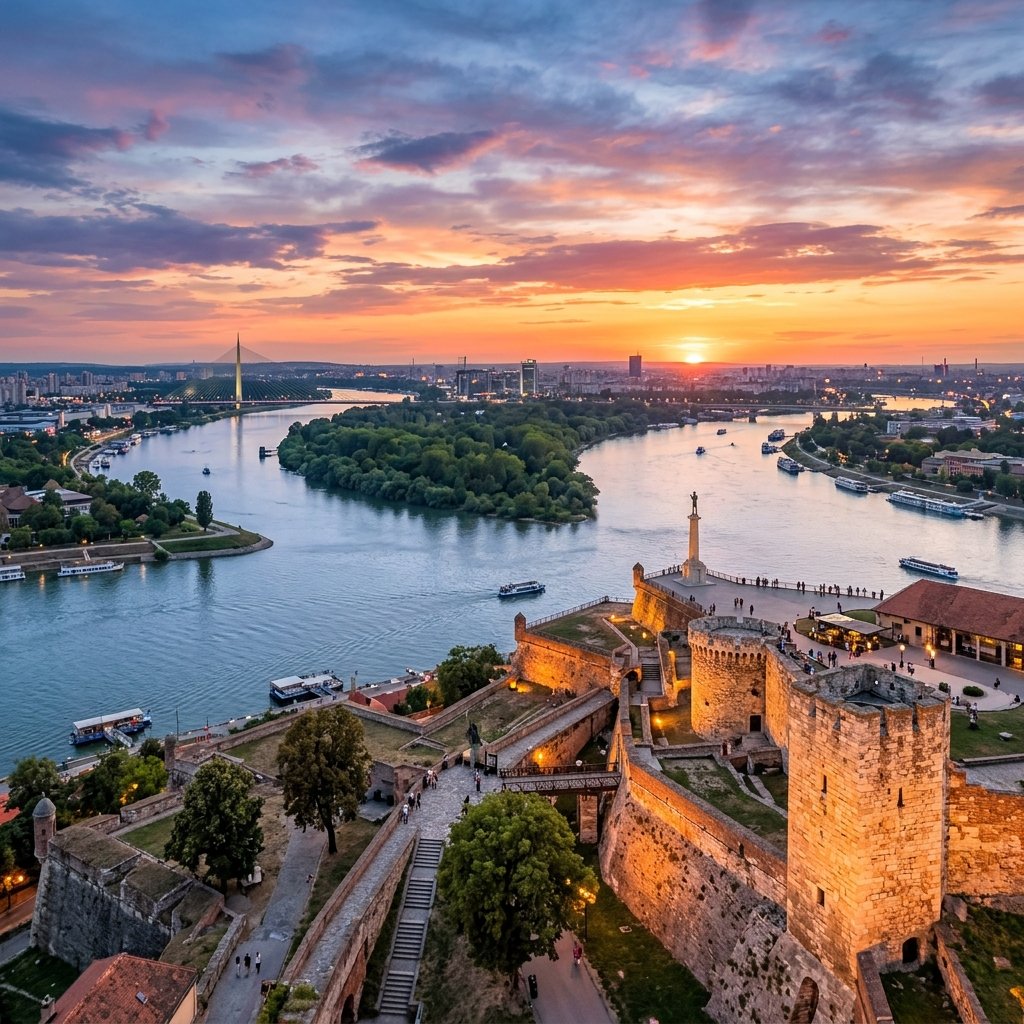
1. Belgrade City Buses & Soko High-Speed Rail
Navigating public transit inside Serbia’s capital city requires understanding its cashless payment system, which differs from intercity rail.
Public transit inside Belgrade is strictly cashless via contactless cards or mobile apps, while intercity trains are easily booked online. Belgrade city buses and trams do not accept cash; you must tap a contactless card on the validator, pay via the Beograd Plus app, or pay via SMS, with a single ticket costing exactly 50 RSD. For intercity transit, Srbija Voz operates passenger services, including the famous Soko high-speed train that connects Belgrade to Novi Sad in just 36 minutes. You can check high-speed train schedules and buy tickets on the Official Srbija Voz Portal.
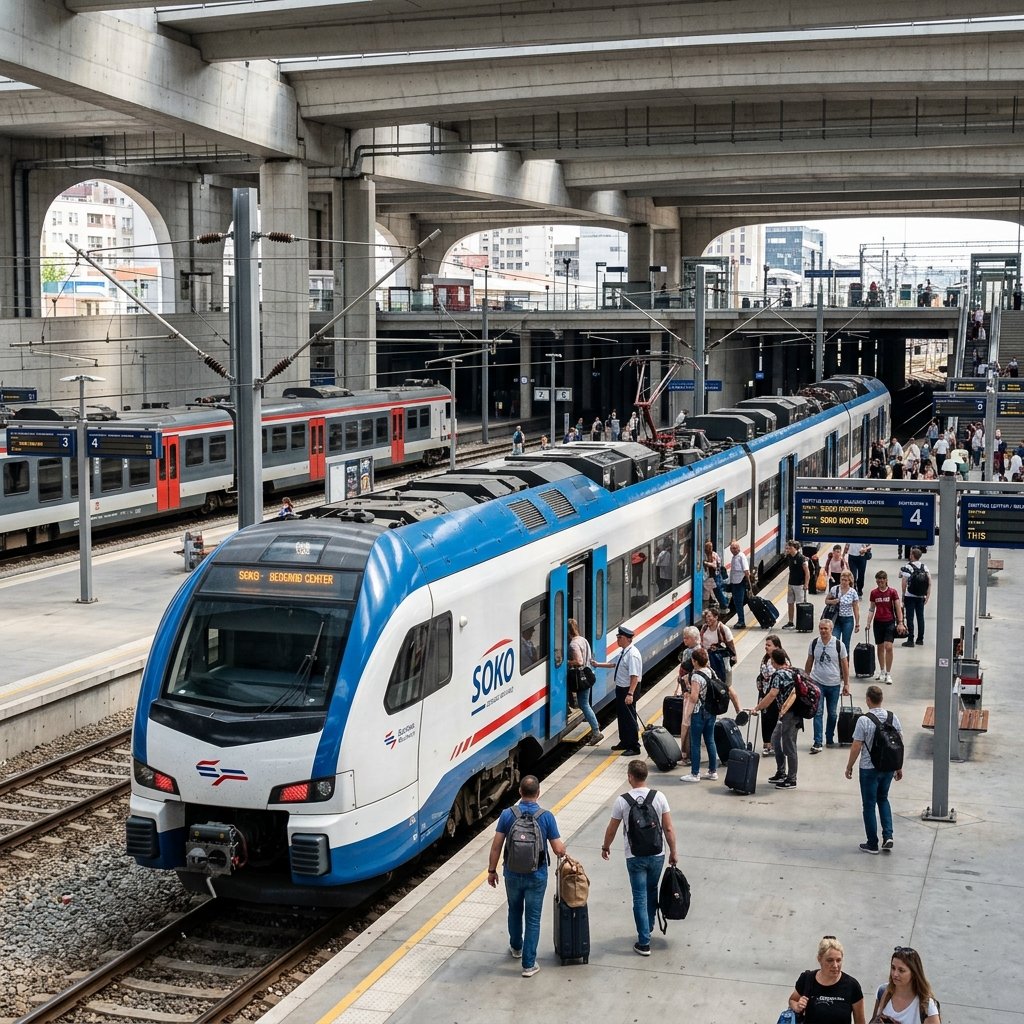
2. Belgrade Cashless vs. Local Market & Village Cash Reality
Serbia has a sharp divide between the capital city’s digital infrastructure and the traditional cash-based system of the countryside.
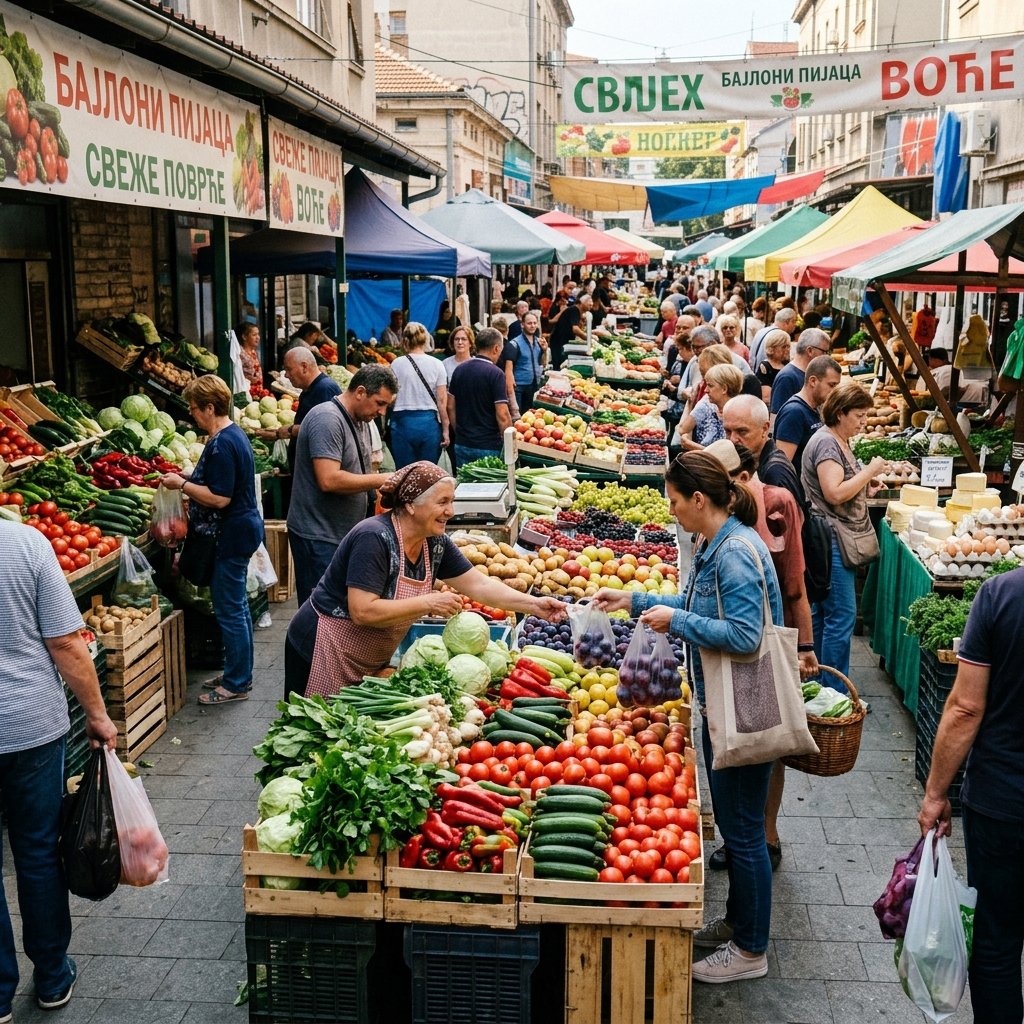
International credit cards are widely accepted in Belgrade’s commercial outlets, but physical cash is mandatory in local markets and rural mountain towns. Supermarkets like Maxi and cafes in Belgrade accept Visa and Mastercard. However, traditional open-air green markets (pijaca), small local bakeries (pekara), and national parks like Tara require physical Serbian Dinars (RSD). ATMs from major banks like Intesa or OTP charge withdrawal fees and typically limit foreign card transactions to 20,000 to 40,000 RSD. Reddit travel threads warn about taxi scams at Belgrade’s Nikola Tesla Airport, advising visitors to use CAR:GO or official Pink Taxi apps instead of street cabs. They also emphasize that Belgrade city buses do not accept cash, meaning contactless cards or the Beograd Plus app must be set up beforehand. You can check train schedules and buy tickets on the Official Srbija Voz Portal.
3. Tourist Visa Exemptions & Border Controls
Serbia has simple entry requirements for many international travelers, though custom controls remain strict.
Most international tourists can enter Serbia visa-free for short stays, though custom declarations remain active at border entries. Citizens of many nations (including the US, Canada, EU, UK, Australia, and Japan) can enter Serbia visa-free for tourist stays of up to 90 days. Upon arrival at border control, ensure your passport receives an entry stamp, and be ready to declare cash funds if carrying more than 10,000 EUR. You can verify visa regulations on the Official Srbija Voz Portal.
4. Cafe Culture & Traditional Gastronomy
Dining and socializing in Serbia revolves around historic cafes and heavy meat-based dishes.
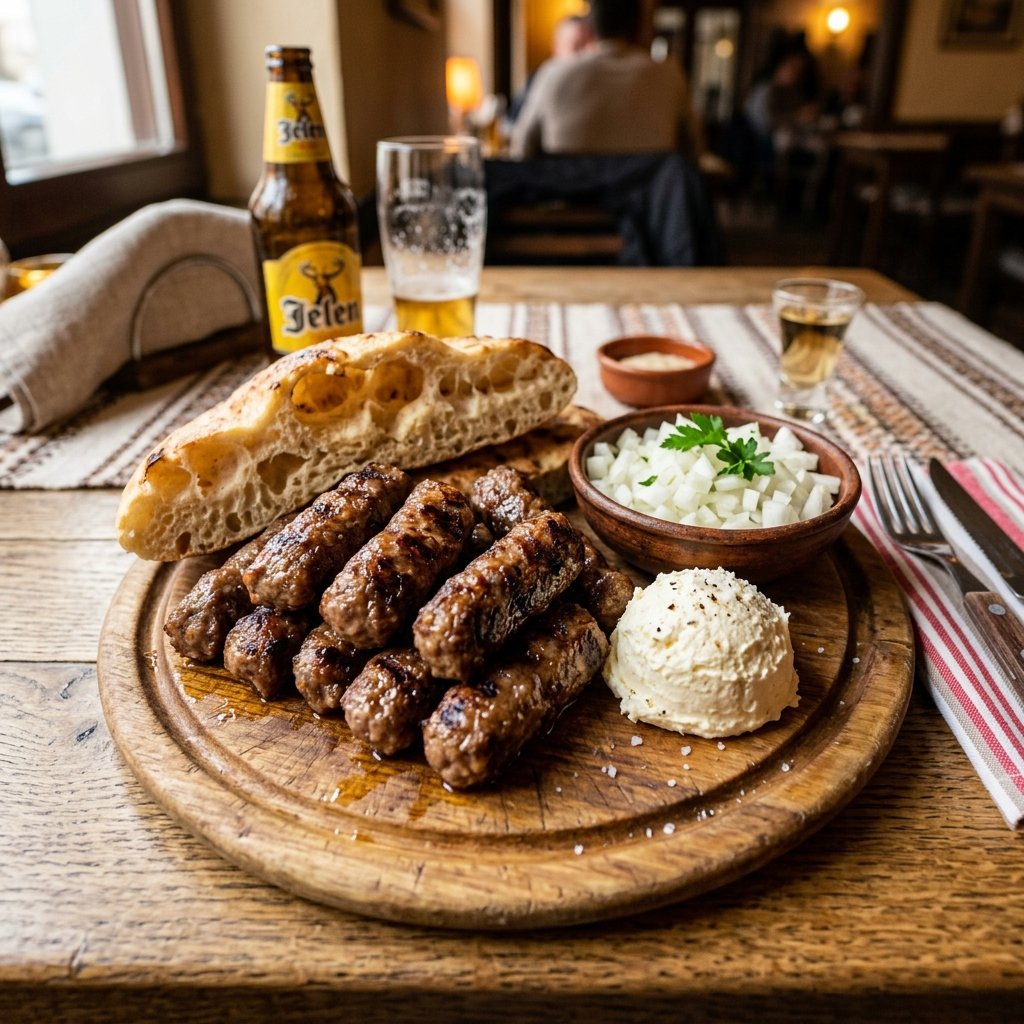
Dining in Serbia revolves around rich meat delicacies, while socializing centers on spending hours in local coffee houses. Traditional restaurants (kafana) serve specialties like Ćevapi (minced meat rolls) with somun flatbread and Kajmak clotted cream. A hearty portion of Ćevapi costs between 600 to 900 RSD at local establishments. Tipping of about 10% is expected at sit-down restaurants. You can check local dining and lifestyle tips on the Official MTS Portal.
5. Mobile Networks & The Non-EU Roaming Trap
Staying connected is vital when navigating Serbia, but standard European roaming packages will not work here.
Serbia operates outside the EU/EEA roaming agreements, making local SIM cards or travel eSIMs mandatory to avoid high roaming fees. The three major mobile operators are MTS, Yettel, and A1. Because Serbia is not in the EU, standard European roaming packages do not apply, resulting in charges as high as 10 USD per MB for roaming. A travel eSIM or local tourist SIM provides cheap, instant 4G data. You can check mobile data plans and eSIM packages on the Official MTS Portal.
Stay Connected Across Serbia
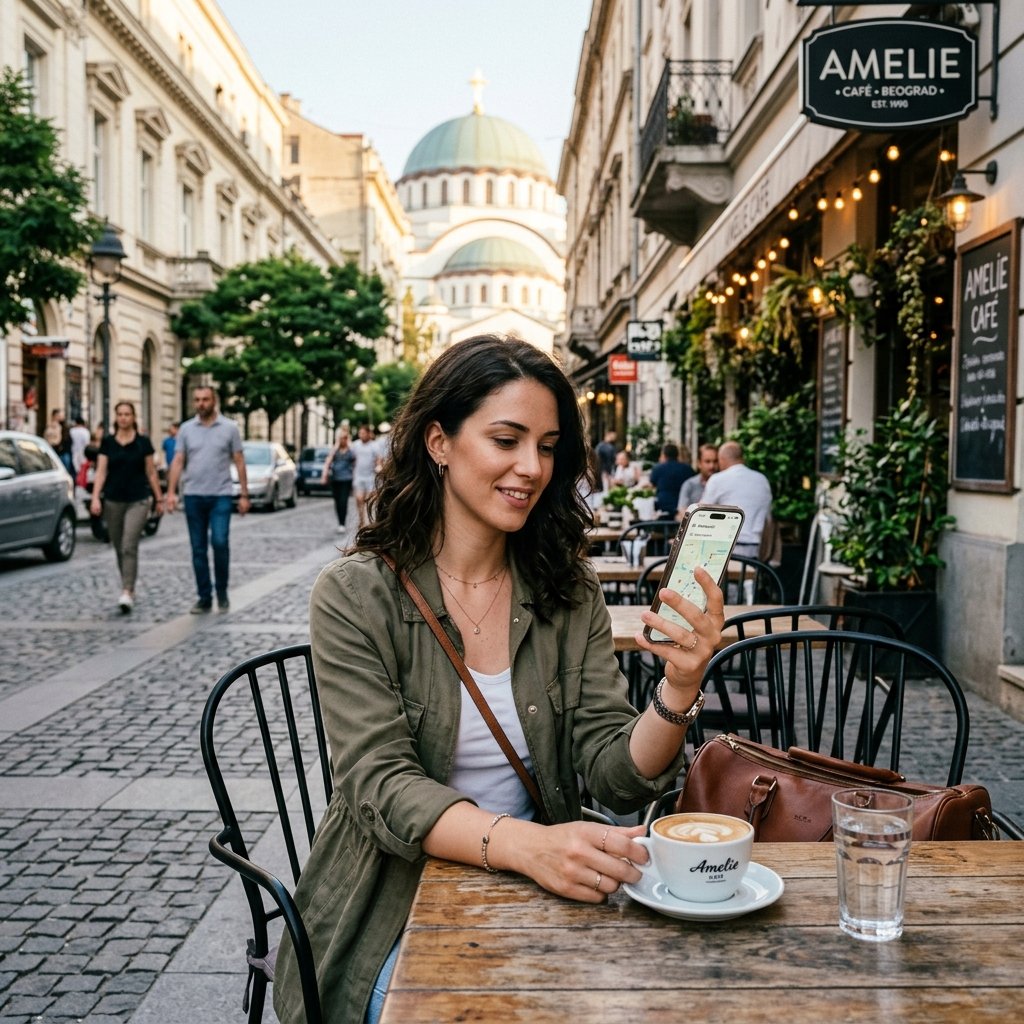
From navigating the cashless transit system of Belgrade using your contactless credit card to booking Soko train tickets online, having a reliable internet connection is vital in Serbia. Public Wi-Fi is common in Belgrade cafes, but not secure, and international roaming charges in Serbia are notoriously expensive.
The safest and most convenient option is to buy a high-speed travel eSIM from TravelyData before your trip. With a premium Serbia travel eSIM, your phone will connect instantly to the MTS or Yettel networks the moment you land. Stay connected, dodge expensive roaming traps, and enjoy your Serbian adventure!
Frequently Asked Questions (FAQ)
Can I pay with credit cards in Belgrade?
Yes, credit cards (Visa and Mastercard) are widely accepted in Belgrade’s supermarkets, cafes, and hotels. Contactless payments are also accepted on city buses.
Does Serbia use the Euro?
No, the official currency of Serbia is the Serbian Dinar (RSD). Euros are not accepted for daily transactions.
Do EU roaming packages cover Serbia?
No, Serbia is not part of the EU or EEA. Standard European roaming rates do not apply, and using data roaming can result in high fees.