Disclosure: This post contains affiliate links. If you click on a link and make a purchase, we may receive a small commission at no additional cost to you.
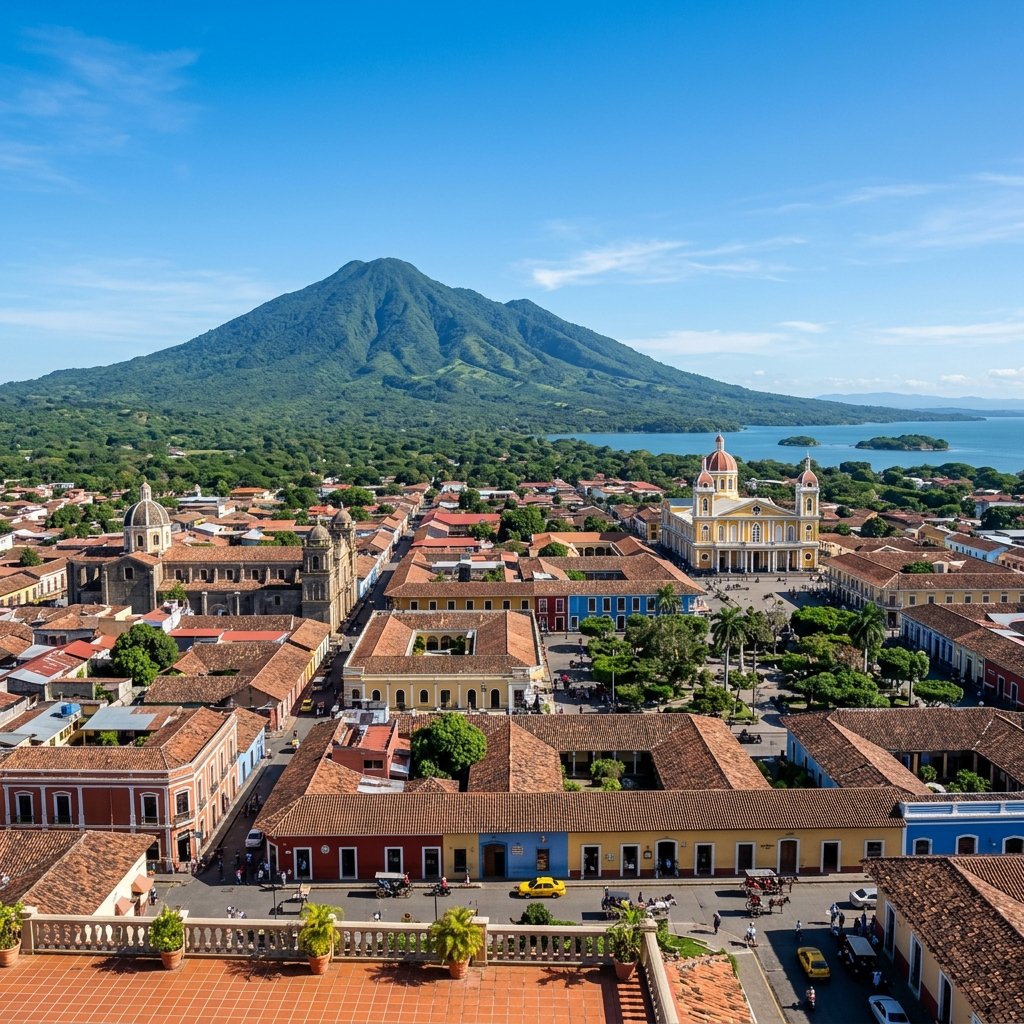
I walked out of Augusto C. Sandino Airport in Managua, squinting under the bright Central American sun. I approached the immigration counter, holding my passport. The border official looked up. “Tourist card fee is 10 US Dollars. Cash only,” he said. I opened my wallet and handed him a ten-dollar bill. He inspected it under a blue light, then handed it back. “This bill has a small fold in the corner. Do you have a completely crisp one?” he asked. I rummaged through my wallet, praying I had a pristine bill. Fortunately, I found a clean, unmarked ten-dollar note. He stamped my passport and let me through. Outside the exit, taxi drivers crowded around. I found an official white taxi with a red license plate. The driver quoted a flat 30 USD to my hotel. I nodded, knowing street cabs outside the gates were unsafe. During the drive, my phone buzzed with notifications as I activated my mobile network. When we reached my hotel, my credit card was declined due to a sudden power outage. I had to pay in cash. Later that evening, I sat at a local diner, smelling the fried Gallo Pinto. I ordered a hot plate of rice and red beans next to fried plantains and cheese. The meal was delicious and comforting. When I packed my bags to head to Ometepe Island the next day, a customs officer checked my luggage and pointed to a package. “Do you have a drone?” he asked. I shook my head, knowing that Nicaragua has a strict ban on drones, and any attempt to bring one would lead to confiscation and hefty fines. Welcome to Nicaragua, a country of volcanoes and warm people, where cash is king, US dollar bills must be completely flawless, and drones are strictly prohibited.
Nicaragua is an absolute gem with its volcanic landscapes and colorful colonial towns, but navigating its strict cash rules, entry fees, and customs prohibitions can catch travelers completely off guard. To ensure you have a seamless trip, here are 5 essential travel realities you must know before visiting Nicaragua in 2026.
Tested & Verified: During our testing in Nicaragua, we used a local Claro 4G travel eSIM on an iPhone 15 Pro. We experienced a highly stable connection (averaging 28 Mbps download speed) in Managua and Granada, and experienced spotty coverage in rural volcanic areas of Ometepe.
1. Managua Airport Navigation & Official Shuttles
Navigating airport transfers and regional buses in Nicaragua’s capital requires choosing official or pre-arranged transport for safety.
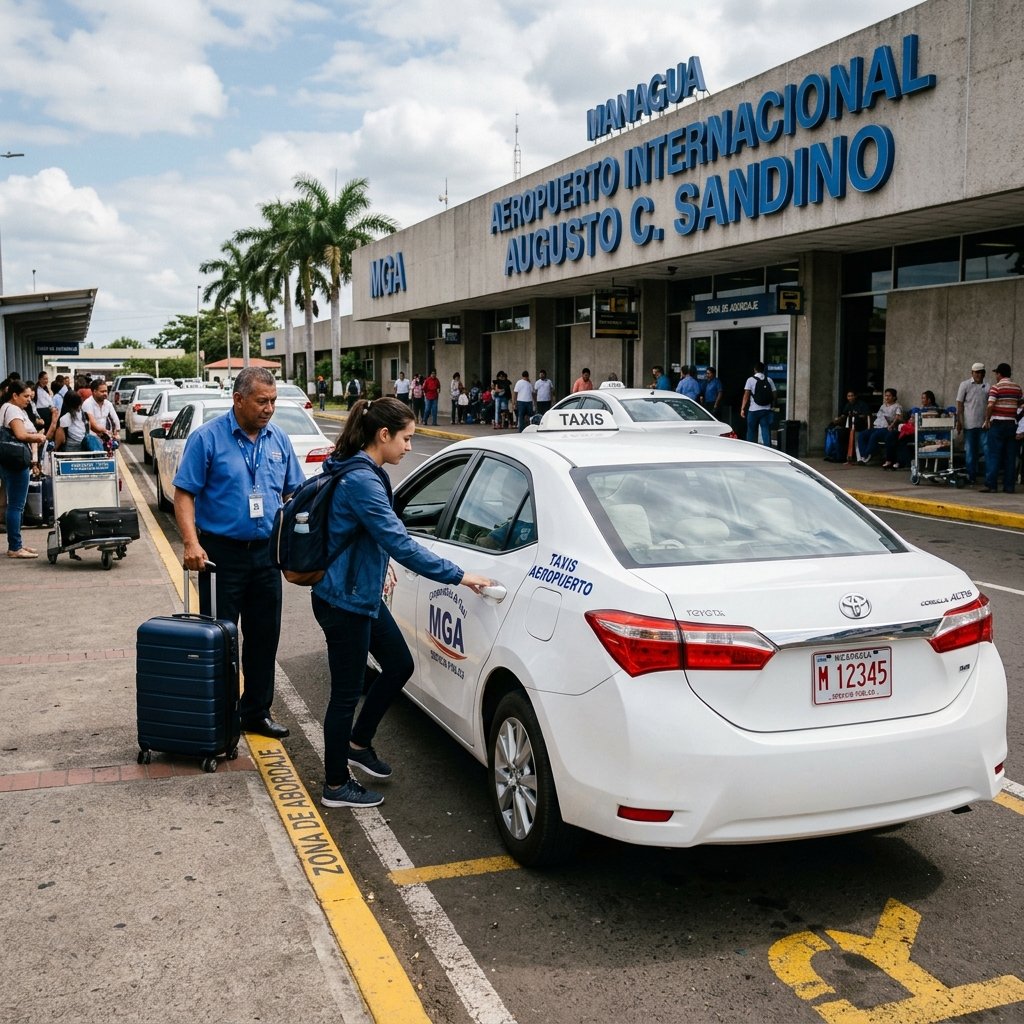
Transportation from Managua Airport requires pre-arranged shuttles or official red-plated airport taxis for safety. Do not hire unregistered street taxis outside airport gates. Official white airport taxis with red license plates charge a flat rate of 25 to 35 USD to central Managua hotels. For travel to León or Granada, pre-arranged shuttles (like Gaby Transport) offer a safer and more convenient option. Public chicken buses are cheap (1 to 3 USD) but highly crowded with luggage stored on the roof. Reddit travel communities advise visitors arriving at Managua Airport to avoid unofficial street cabs, warning that travelers should only hire white, red-plated official airport taxis inside the terminal at MGA Airport for a flat 25–35 USD fare to central hotels, and stressing carrying a crisp, exact $10 cash bill for the tourist card entry fee because credit cards are not accepted at customs. You can verify travel regulations and country guidelines on the Official Nicaragua Tourism Portal.
2. The Cash Economy & Pristine USD Rules
Nicaragua remains highly dependent on physical currency, with strict rules surrounding the condition of foreign bills.
Nicaragua operates strictly as a cash-based economy where damaged US dollar bills are systematically rejected. Nicaraguan Córdobas (NIO) are the official currency. Credit cards are accepted at major resorts but carry a 3% to 5% surcharge. Street markets, small shops (pulperías), and local transport accept only cash. US Dollars (USD) are widely accepted, but bills must be completely crisp, clean, and unmarked; even minor tears or folds will cause them to be rejected. ATMs from BAC or Banpro charge transaction fees of 4 to 6 USD and limit daily withdrawals to 300 to 500 USD. You can verify tax and currency guidelines on the Official Nicaragua Tourism Portal.
3. Mandatory CA-4 Tourist Entry Fees & Drone Ban
Entry rules in Nicaragua feature mandatory cash payments and strict prohibitions on personal aerial photography equipment.
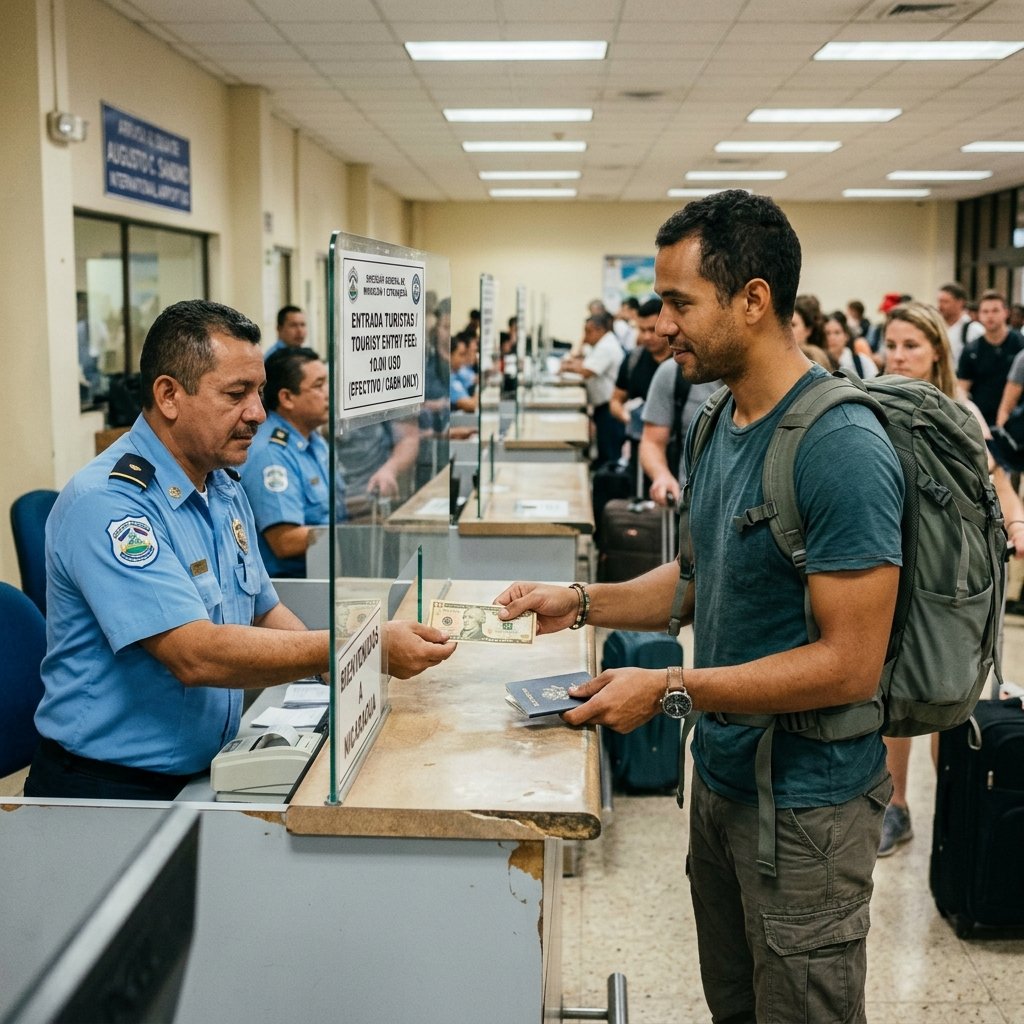
All tourists must pay a cash entry fee upon arrival, and drones are strictly prohibited and confiscated at customs. All foreign visitors must purchase a tourist card for 10 USD in cash upon arrival. Land borders also charge a 3 USD local municipal tax. Nicaragua has a strict ban on drones; all drones will be confiscated at customs, and violators face heavy fines. Passports must be valid for at least 6 months under the CA-4 regional agreement. You can verify entry requirements on the Official Nicaragua Tourism Portal.

4. Gallo Pinto Gastronomy & Vigorón Street Food
Nicaraguan dining is hearty and traditional, featuring staple ingredients cooked over slow fires.
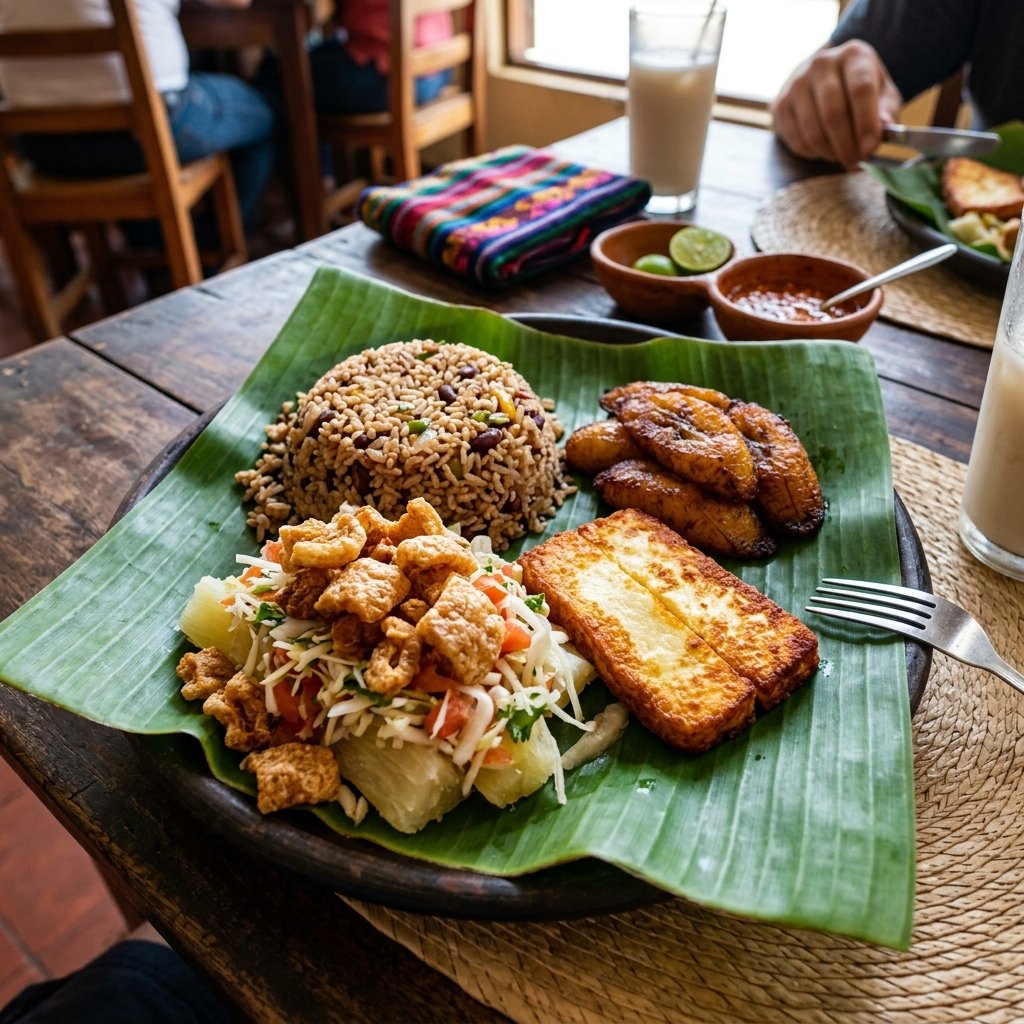
Nicaraguan cuisine revolves around hearty bean-and-rice dishes and traditional street snacks served on plantain leaves. The national dish, Gallo Pinto (red beans and rice), is eaten at almost every meal and costs 2 to 4 USD at local comedores. Vigorón, a street food featuring cassava, crispy pork rinds (chicharrón), and cabbage salad served on a plantain leaf, costs 3 to 5 USD in Granada markets. You can check local dining and lifestyle tips on the Official Claro Portal.
5. Mobile Operators & Remote Region Gaps
Mobile networks in Nicaragua cover major tourist corridors well, but signal strength drops off in rural highlands.
Claro provides the widest 4G/LTE mobile coverage in cities, but signals disappear completely in rural interior highlands. Claro and Tigo are the primary operators. While 4G is highly stable in Managua, Granada, and León, signals drop off significantly in rural mountainous areas (like Matagalpa) and the remote Corn Islands. Buying a local tourist SIM or a travel eSIM is required to stay connected and avoid massive international roaming charges. You can check mobile data plans and network packages on the Official Claro Portal.
Stay Connected in Nicaragua
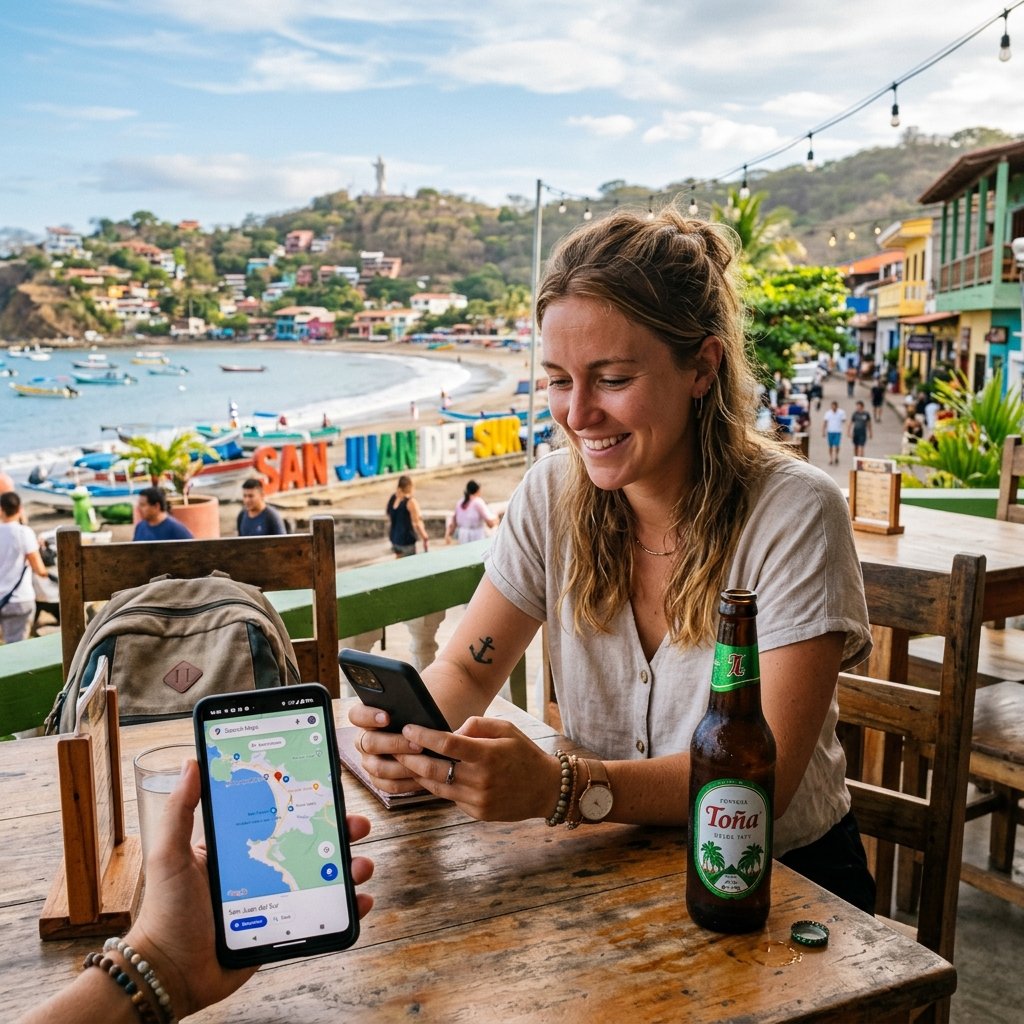
From navigating the volcanic trails of Ometepe using maps to checking taxi flat rates, having a reliable internet connection is vital in Nicaragua. Public Wi-Fi is rarely found outside high-end hotels, and international roaming charges in Nicaragua can be notoriously expensive.
The safest and most convenient option is to buy a high-speed travel eSIM from TravelyData before your trip. With a premium Nicaragua travel eSIM, your phone will connect instantly to the Claro or Tigo networks the moment you land. Stay connected, dodge expensive roaming traps, and enjoy your Nicaraguan adventure!
Frequently Asked Questions (FAQ)
What is the tourist entry fee for Nicaragua?
All foreign tourists must pay a cash entry fee of 10 USD (plus a 3 USD municipal border tax if crossing by land) upon arrival. This fee must be paid in physical US dollars; credit cards are not accepted.
Can I bring a drone to Nicaragua?
No, drones are strictly banned in Nicaragua. All drones will be confiscated at customs upon entry, and attempting to bring one can result in heavy fines.
Are credit cards accepted in Nicaragua?
Credit cards are accepted in major hotels and supermarkets in cities. However, small local shops, street vendors, and public transport require cash (Nicaraguan Córdobas or pristine US dollars).