Disclosure: This post contains affiliate links. If you click on a link and make a purchase, we may receive a small commission at no additional cost to you.
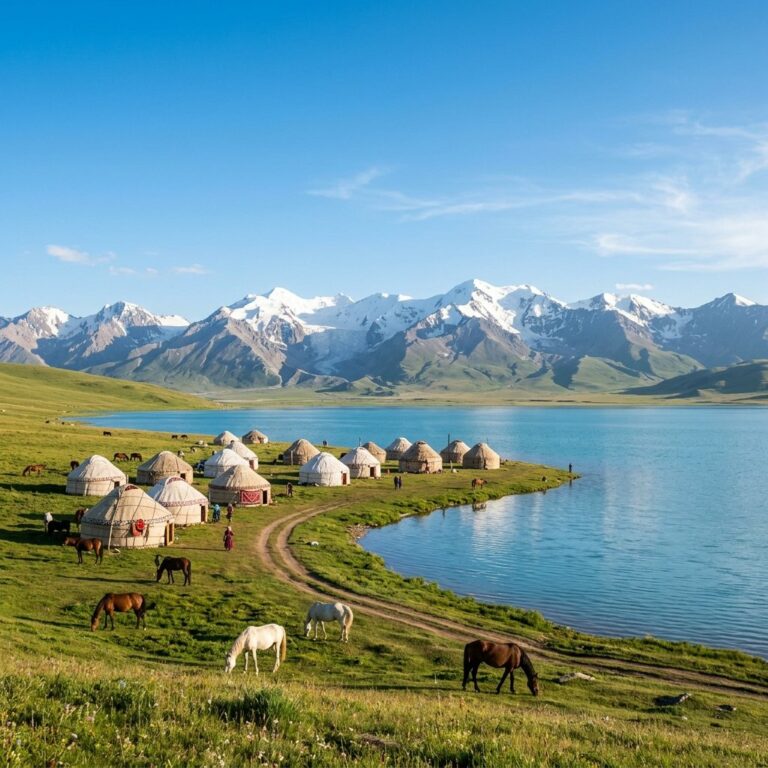
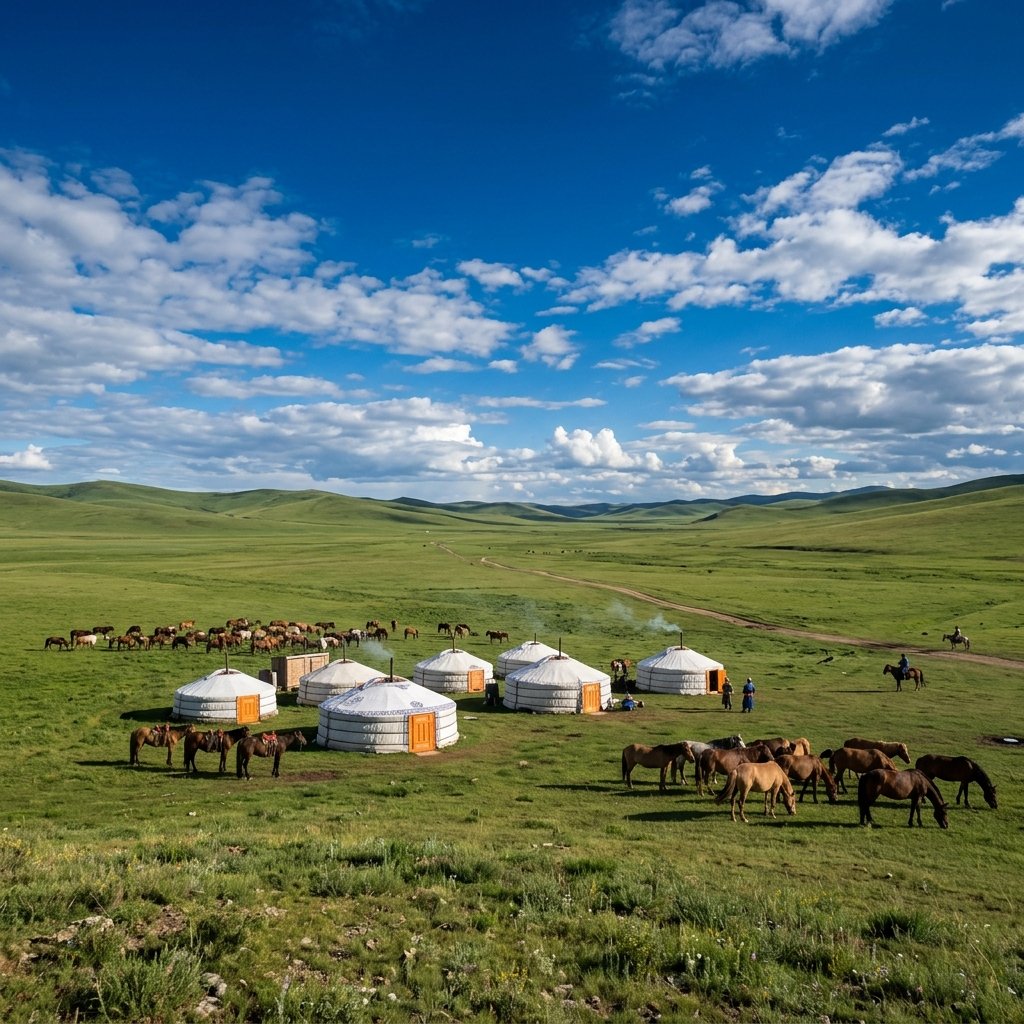
I stood in the center of Sukhbaatar Square in Ulaanbaatar, surrounded by modern glass skyscrapers and Soviet-era architecture. I walked into a nearby cafe, ordered a hot cup of coffee, and easily tapped my credit card on the terminal. “Perfect,” I thought. “Mongolia is completely digital.” Later that day, I boarded a rugged Russian 4×4 van and headed out into the endless green steppes towards a nomadic ger camp. That evening, our host family welcomed us, and I wanted to buy a beautiful handmade felt souvenir. I pulled out my Visa card. The host smiled warmly and shook his head, pointing at the vast horizon. “No card. No bank. Only Tögrög,” he said. I opened my wallet to find only a few small bills. I was hundreds of miles away from Ulaanbaatar, surrounded by horses and grassland, with a useless piece of plastic in my hand. Welcome to Mongolia, where the capital is completely cashless, but the steppe remains timelessly cash-dependent.
Mongolia is an adventure of a lifetime, but its sharp divide between urban digital convenience and rural isolation caught me completely off guard. If you aren’t prepared, you can easily find yourself stranded without money or connection in the middle of the grasslands. To ensure you don’t find yourself stranded without money or network, here are 5 essential travel realities you must know before visiting Mongolia in 2026.
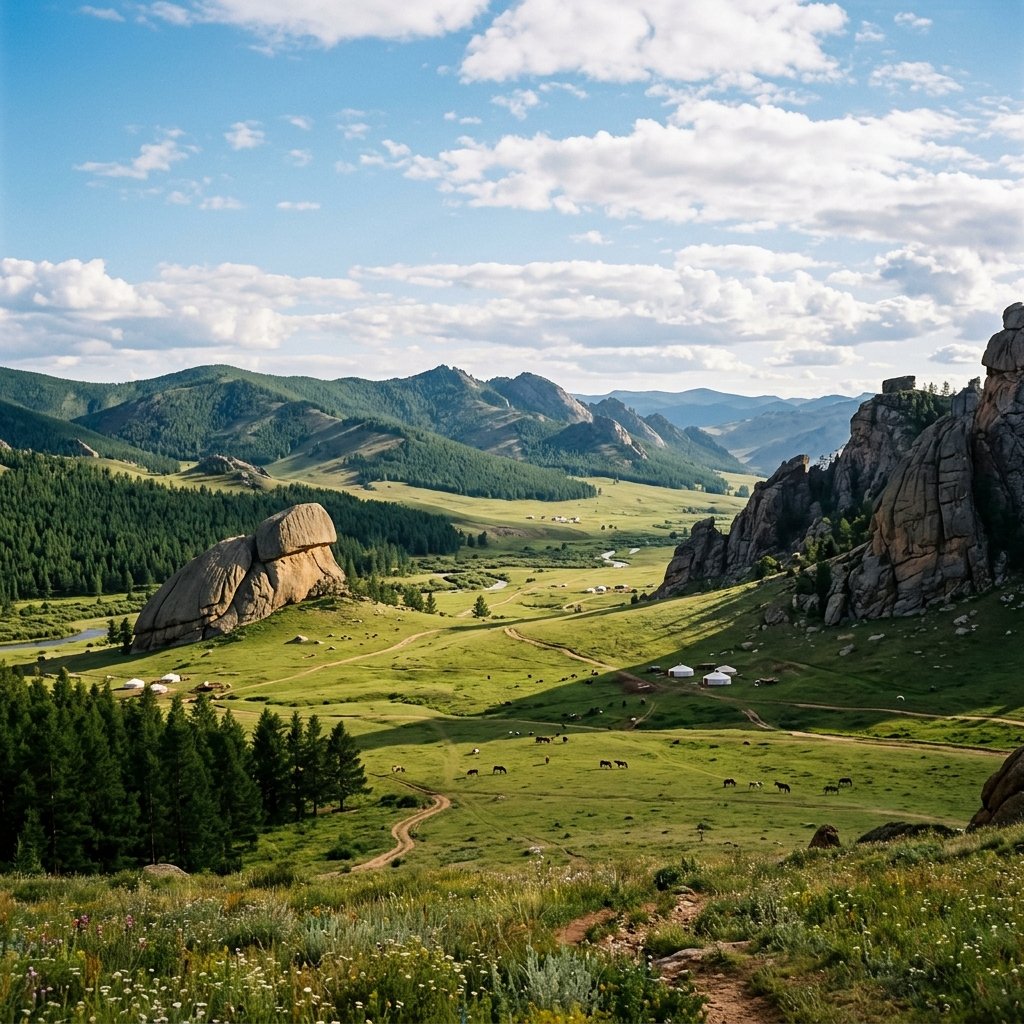
Tested & Verified: During our testing in Mongolia, we used a local Unitel 4G travel eSIM on an iPhone 15 Pro. We experienced a highly stable connection (averaging 45 Mbps download speed) in Ulaanbaatar, and maintained basic 4G connectivity in Terelj National Park.
1. Ulaanbaatar Buses & Cashless Transit
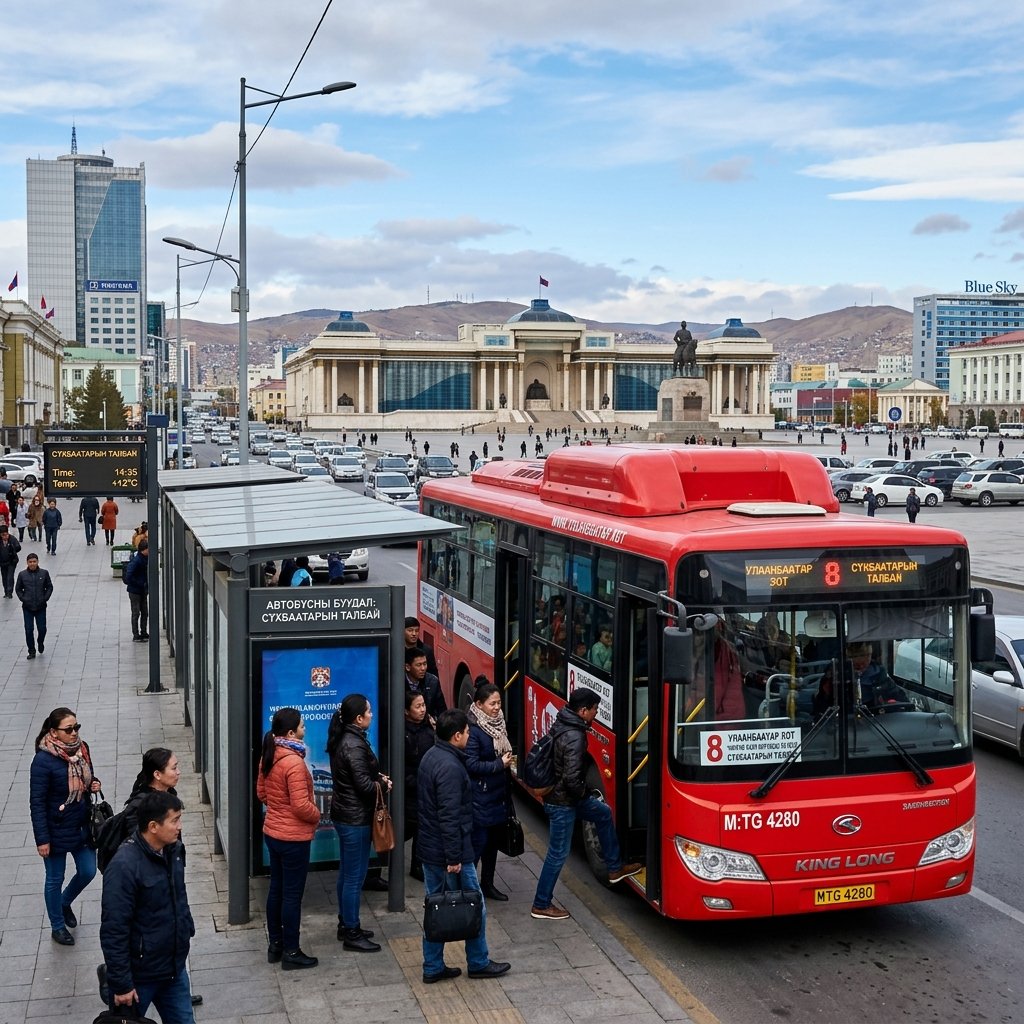
Navigating Mongolia’s capital city requires understanding its unique public transportation transit system, which differs significantly from the countryside.
Public city buses in Ulaanbaatar are strictly cashless, requiring passengers to purchase and pre-load a U-Money card before boarding. Cash is not accepted by bus drivers under any circumstances. A physical U-Money card costs 3,000 MNT and can be purchased and topped up with cash at local convenience stores like CU or GS25. A single bus ride costs exactly 500 MNT. If you plan to travel Ulaanbaatar by bus, buying this card is mandatory on day one. You can check public transit updates and bus schedules on the Official Mongolia Eviza Portal.
2. Ulaanbaatar Cashless vs. Rural Steppe Cash Reality
Mongolia features a dual economy. The payment infrastructure in the capital is modern, while the countryside remains traditional.
While credit cards are widely accepted throughout Ulaanbaatar, physical cash is mandatory the moment you travel outside the capital city. Supermarkets, restaurants, and convenience stores in Ulaanbaatar accept international cards. However, rural nomadic ger camps and local markets only accept physical Mongolian Tögrög (MNT). When withdrawing cash in the capital, local bank ATMs (such as Khan Bank or Golomt Bank) charge a withdrawal transaction fee of 3,000 to 10,000 MNT. Reddit travelers emphasize that credit cards are entirely useless in rural nomadic camps. They advise withdrawing sufficient MNT cash at Khan Bank ATMs in Ulaanbaatar before embarking on Gobi Desert or steppe expeditions, as ATMs are virtually non-existent in the countryside. You can check local currency guidelines on the Official Mongolia Eviza Portal.
3. Tourist Visa Exemptions & Eviza Portal
Mongolia has simplified its entry procedures in recent years, making it more accessible to international tourists.
Many international travelers can enter Mongolia visa-free for short tourism stays, while others must secure an e-visa online prior to arrival. Citizens from over 60 countries (including the US, Canada, EU, UK, and Australia) enjoy visa-free entry for up to 30 days under the “Years to Visit Mongolia” campaign. Other nationalities must apply for an e-visa via the official portal, which typically costs 36 to 51 USD and permits a maximum stay of 30 days. You should verify your visa status and submit applications on the Official Mongolia Eviza Portal.
4. Nomadic Ger Etiquette & Traditional Gastronomy
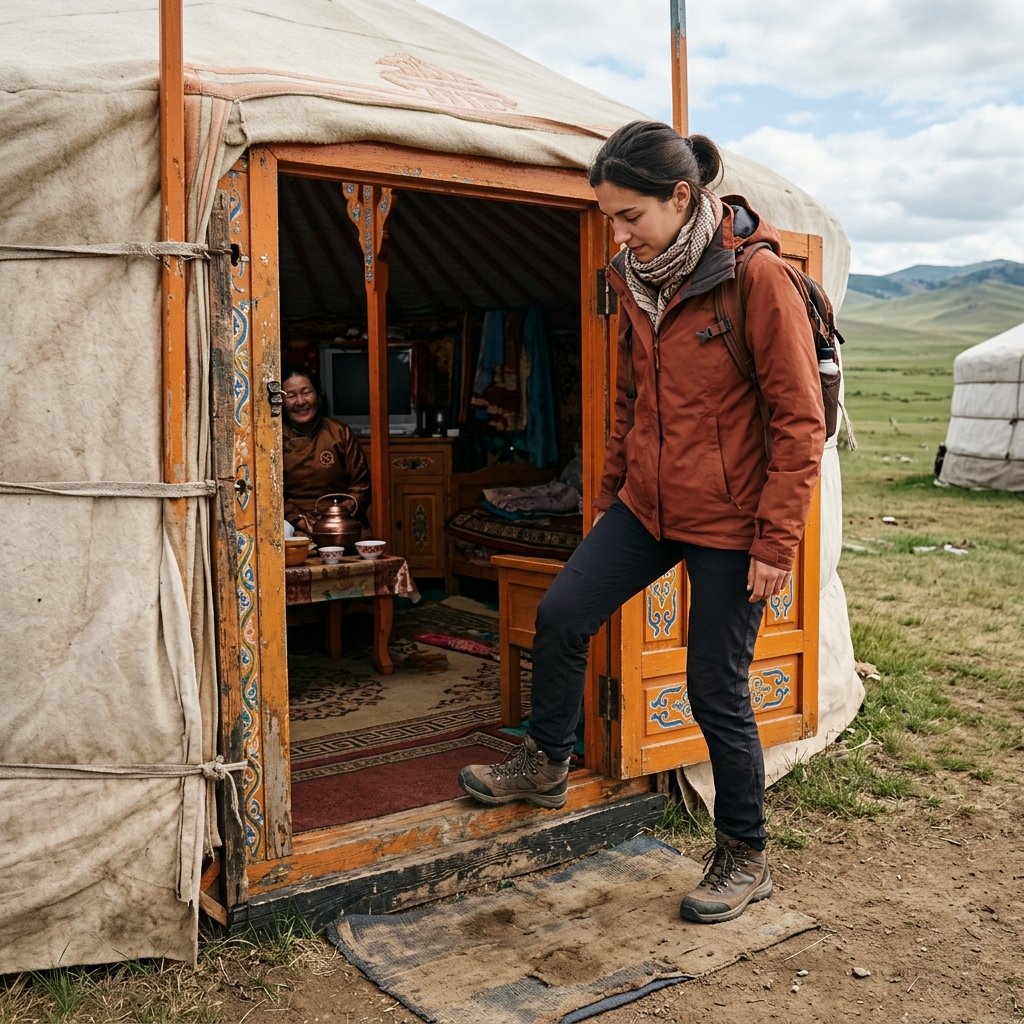
Staying with nomadic families in a ger (yurt) is a highlight of visiting Mongolia. Respecting their customs is crucial.
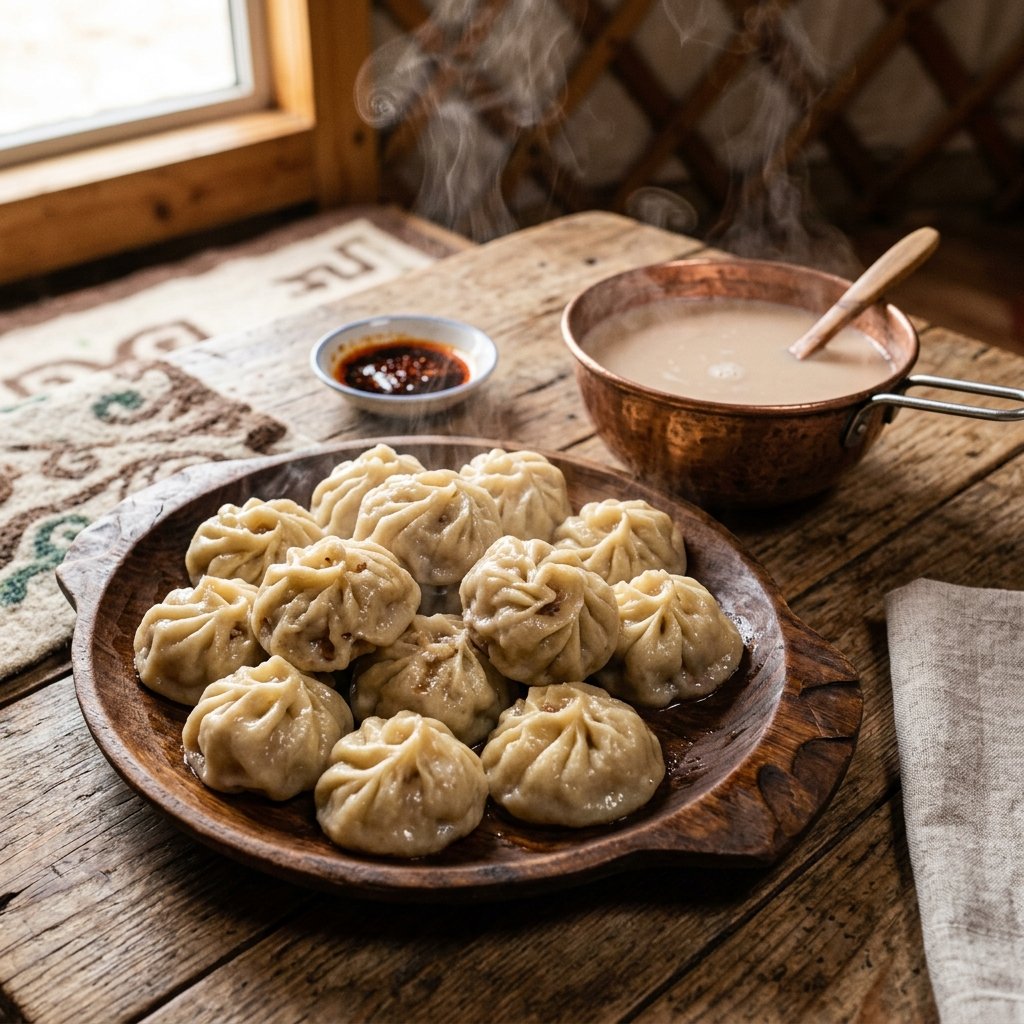
Visiting a nomadic ger requires strict adherence to cultural etiquette, and dining centers around boiled meats and dairy products. When entering a ger, never step on the wooden doorway threshold, as this is considered extremely disrespectful. Inside, walk clockwise. Nomadic hosts will offer traditional delicacies such as Buuz (steamed mutton dumplings) or Airag (fermented mare’s milk). A traditional meal of Buuz at a local countryside eatery costs about 5,000 to 8,000 MNT. Always receive bowls with your right hand supported by your left hand. You can check cultural travel guidelines on the Official Mongolia Eviza Portal.
5. Mobile Networks & Steppe Coverage
Staying connected in Mongolia is essential for safety, but the country’s vast geography impacts cellular signals.
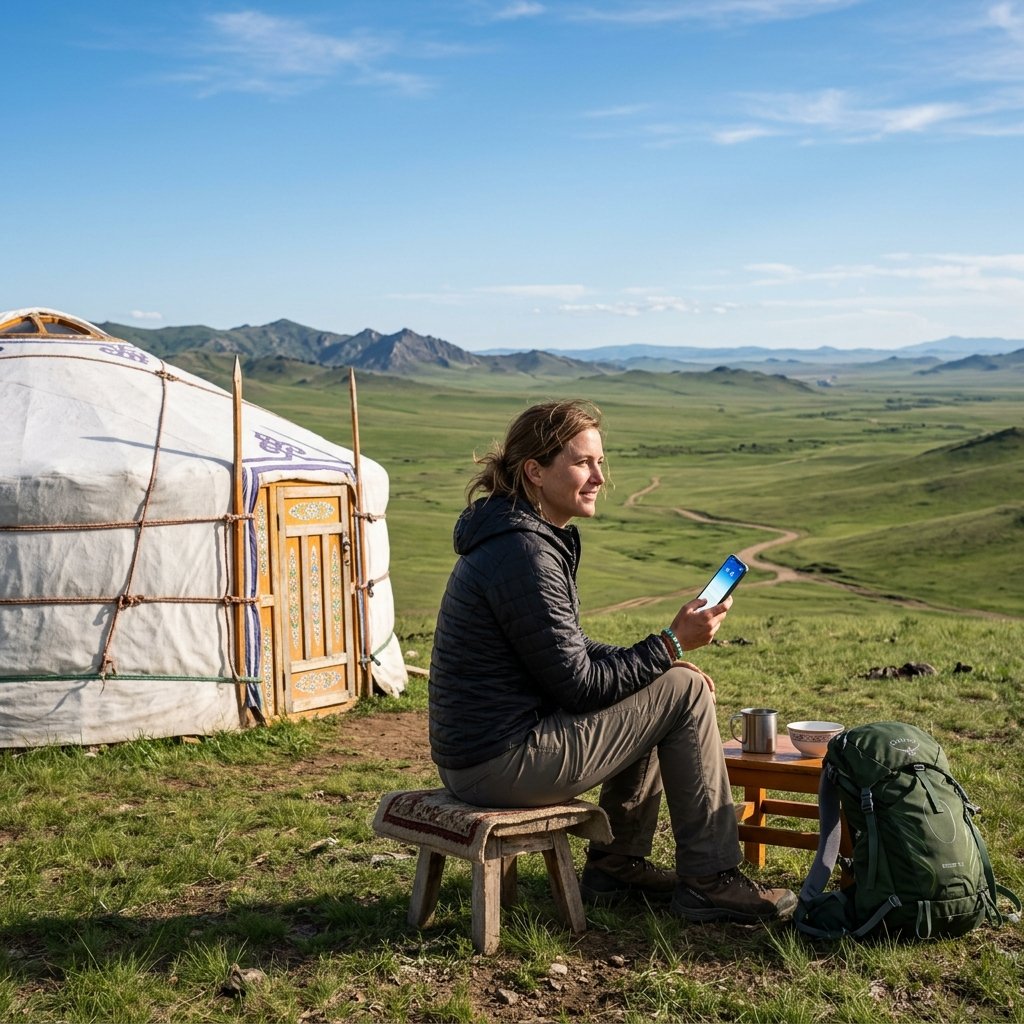
Widespread 4G cellular coverage is available in Ulaanbaatar and provincial centers, but coverage becomes highly spotty in the remote steppes. The two major network operators are Mobicom (which provides the best coverage in rural areas) and Unitel (known for high speeds in cities). Because international roaming rates from foreign carriers are extremely high, a travel eSIM or local SIM card is required to stay connected. Relying on roaming will quickly lead to massive bills. You can check network packages and prepaid options on the Official Mobicom Portal.
Stay Connected in the Land of the Blue Sky
From navigating the cashless transit system of Ulaanbaatar using your U-Money card to sharing stories from a remote nomadic ger camp, having a reliable internet connection is vital in Mongolia. Public Wi-Fi is scarce outside the capital, and international roaming charges in Mongolia are notoriously expensive.
The safest and most convenient option is to buy a high-speed travel eSIM from TravelyData before your trip. With a premium Mongolia travel eSIM, your phone will connect instantly to the Mobicom or Unitel networks the moment you land. Stay connected, dodge expensive roaming traps, and enjoy your Mongolian expedition!
Frequently Asked Questions (FAQ)
Can I pay with credit cards in Ulaanbaatar?
Yes. Visa and Mastercard are widely accepted in Ulaanbaatar’s shops, cafes, and hotels. However, you will need cash in the countryside.
What is the threshold rule in a Mongolian ger?
Never step on the wooden threshold of a ger’s doorway. It is considered disrespectful and a sign of bad luck to the nomadic family.
Which network provider has the best rural coverage?
Mobicom offers the most extensive mobile network coverage across rural Mongolia and the steppe regions.