Disclosure: This post contains affiliate links. If you click on a link and make a purchase, we may receive a small commission at no additional cost to you.
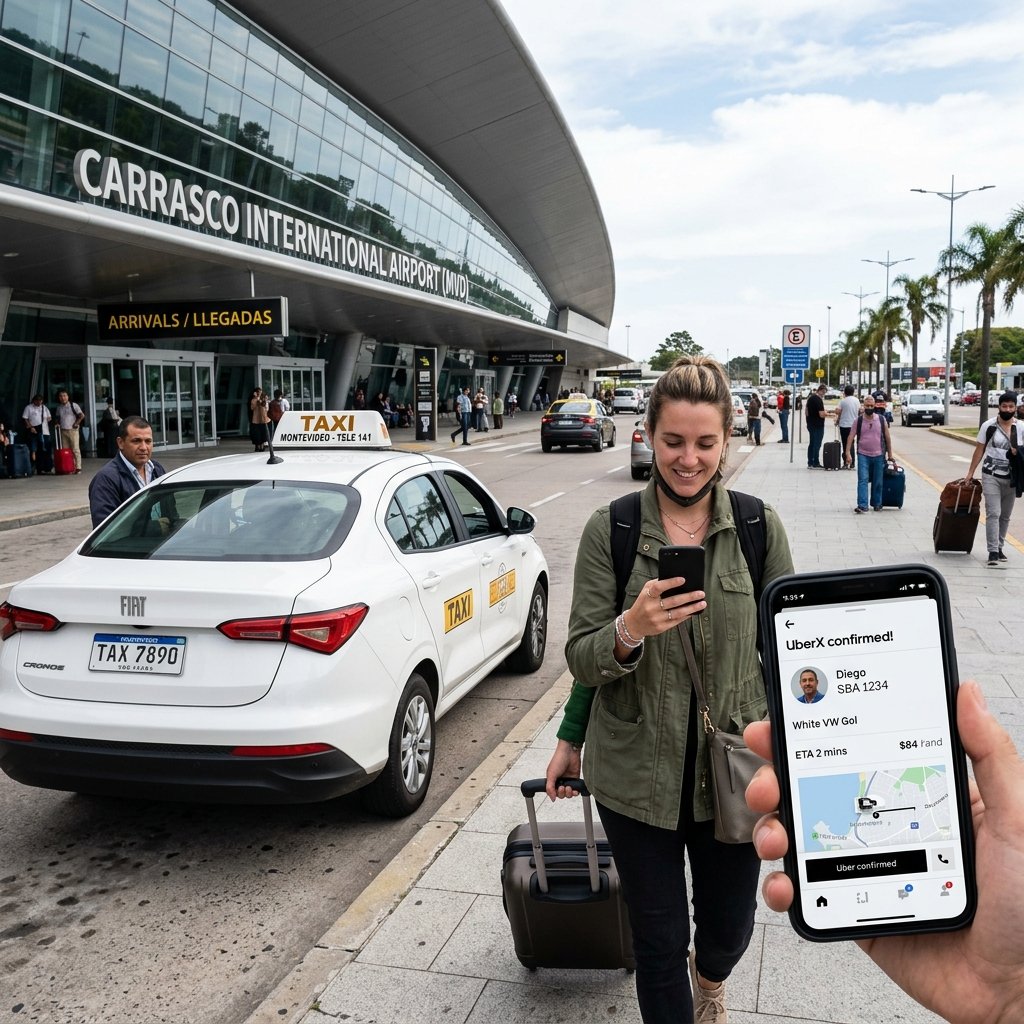
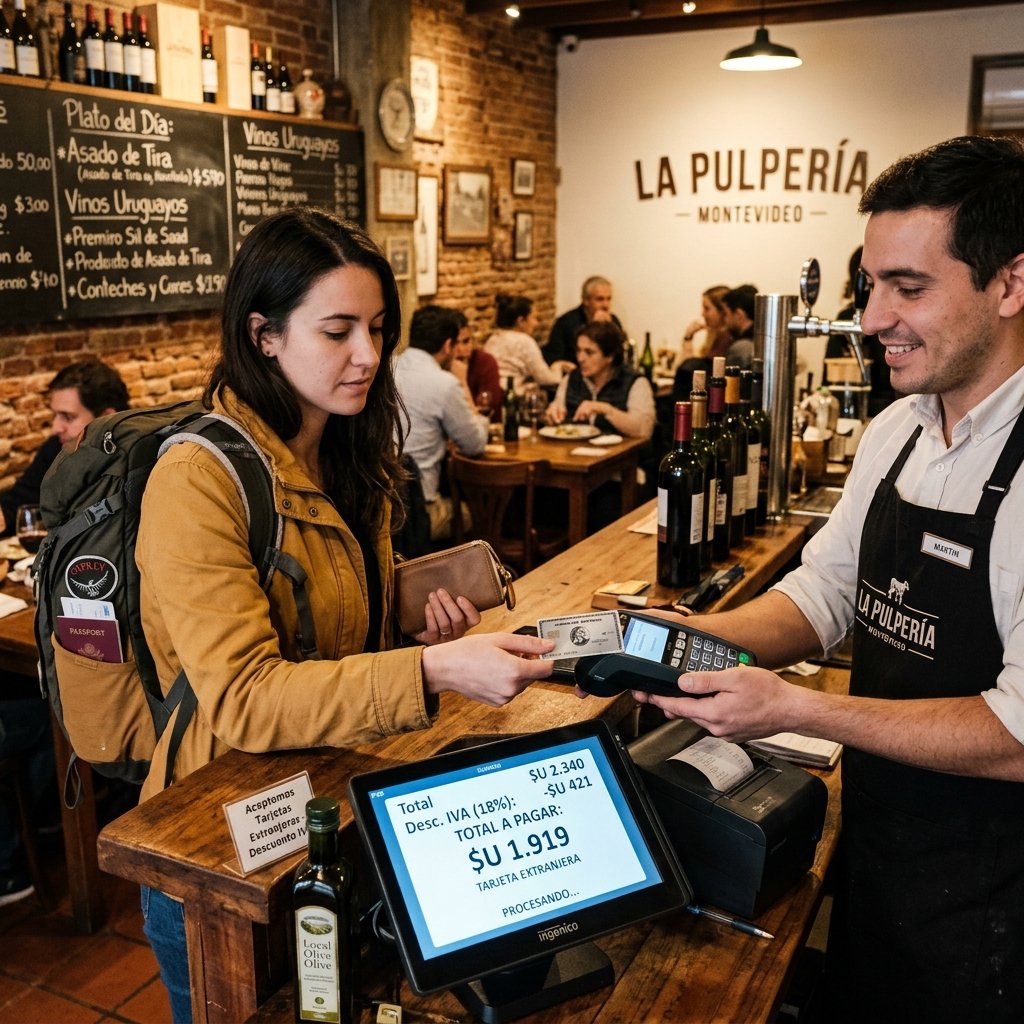
I walked out of Montevideo Carrasco Airport, ready to start my Uruguayan journey. I opened my phone and called an Uber. A friendly local driver arrived within minutes. As we drove along the beautiful beachside Rambla, he explained that Uruguay is highly card-friendly. “You won’t need much cash here,” he smiled. Later that evening, I sat at a cozy parrilla restaurant in the Old Town, smelling the wood-fired asado. I ordered a massive chivito steak sandwich with fries and a glass of Tannat wine. When the bill arrived, I tapped my international Visa card. When the receipt printed, I noticed a significant discount: the total was much lower than the menu price. The waiter explained that under Uruguay’s Ley de Inclusión Financiera, paying with a foreign credit card automatically triggers an immediate 18% to 22% VAT refund at restaurants. I smiled, realizing that paying in cash would have been much more expensive! The next morning, I walked to a local bakery, carrying my newly purchased mate cup and thermos. I noticed almost everyone on the street was carrying a mate flask under their arm. I ordered a sweet medialuna pastry and paid with my card. The total was only 2 USD, but the card terminal processed it instantly without any surcharge. Welcome to Uruguay, a progressive country where credit cards are welcomed everywhere, foreign cardholders enjoy automatic tax discounts at restaurants, and sharing mate is a daily social ritual.
Uruguay is one of South America’s most stable and progressive destinations, but its unique tax laws, local transit ticketing, and digital payment features can easily surprise unprepared tourists. To ensure you have a seamless trip, here are 5 essential travel realities you must know before visiting Uruguay in 2026.
Tested & Verified: During our testing in Uruguay, we used a local Antel 5G travel eSIM on an iPhone 15 Pro. We experienced a highly stable connection (averaging 120 Mbps download speed) in Montevideo and Punta del Este, and experienced spotty coverage in remote interior rural ranches.

1. Carrasco Airport Navigation & Montevideo Ride-Hailing
Navigating airport transfers and metropolitan buses in Uruguay’s capital is simple when you avoid standard terminal taxi lines.
Montevideo has reliable ride-hailing services, making them a safer and significantly cheaper alternative to airport street taxis. Regulated airport taxis outside Carrasco Airport (MVD) charge a high flat rate of 1,600 to 2,000 UYU (approx. 40–50 USD) to central Montevideo. Ride-hailing apps like Uber or Cabify are fully legal and cost between 700 to 900 UYU (approx. 18–23 USD). In Montevideo, public buses accept cash (60 UYU), but the fare drops to 48 UYU if you load cash onto a local STM transit card. Reddit travel communities advise visitors arriving at Montevideo Airport to skip the expensive flat-rate terminal street taxis (1,600–2,000 UYU) and use Uber or Cabify apps instead (700–900 UYU). You can verify travel regulations and country guidelines on the Official Uruguay Tourism Portal.
2. The Cashless VAT Discount Law (Tax Free)
Uruguay runs a unique cashless incentive system that makes cash transactions more expensive for foreign visitors.
Foreign travelers in Uruguay receive an automatic tax refund at restaurants and car rentals when paying with credit or debit cards. Under the Ley de Inclusión Financiera, paying at restaurants, hotels, or car rental services with a foreign credit or debit card automatically deducts a 9% to 22% VAT refund (typically 18% to 22% for dining) at the point of sale. Paying in cash means you lose this discount and pay more. Cash is only needed for small tips (10% is standard in cash) or street markets (Ferias). Reddit travel communities highlight this credit card VAT refund law, noting that paying with credit cards is cheaper than cash for dining and car rentals due to the automatic 9%–22% discount. You can verify entry and tax regulations on the Official Uruguay Tourism Portal.
3. Tourist Visa Policies & Entry Rules
Visa entry requirements in Uruguay are highly welcoming, with minimal red tape for major international visitors.
Uruguay offers straightforward tourist entry rules, allowing visa-free entry for up to 90 days for many passport holders. Passport holders from countries like the US, Canada, EU, UK, Australia, New Zealand, and Japan can enter Uruguay visa-free for tourism stays of up to 90 days. Passports must be valid for at least 6 months, and you must declare cash amounts exceeding 10,000 USD at customs. You can verify visa regulations on the Official Uruguay Tourism Portal.
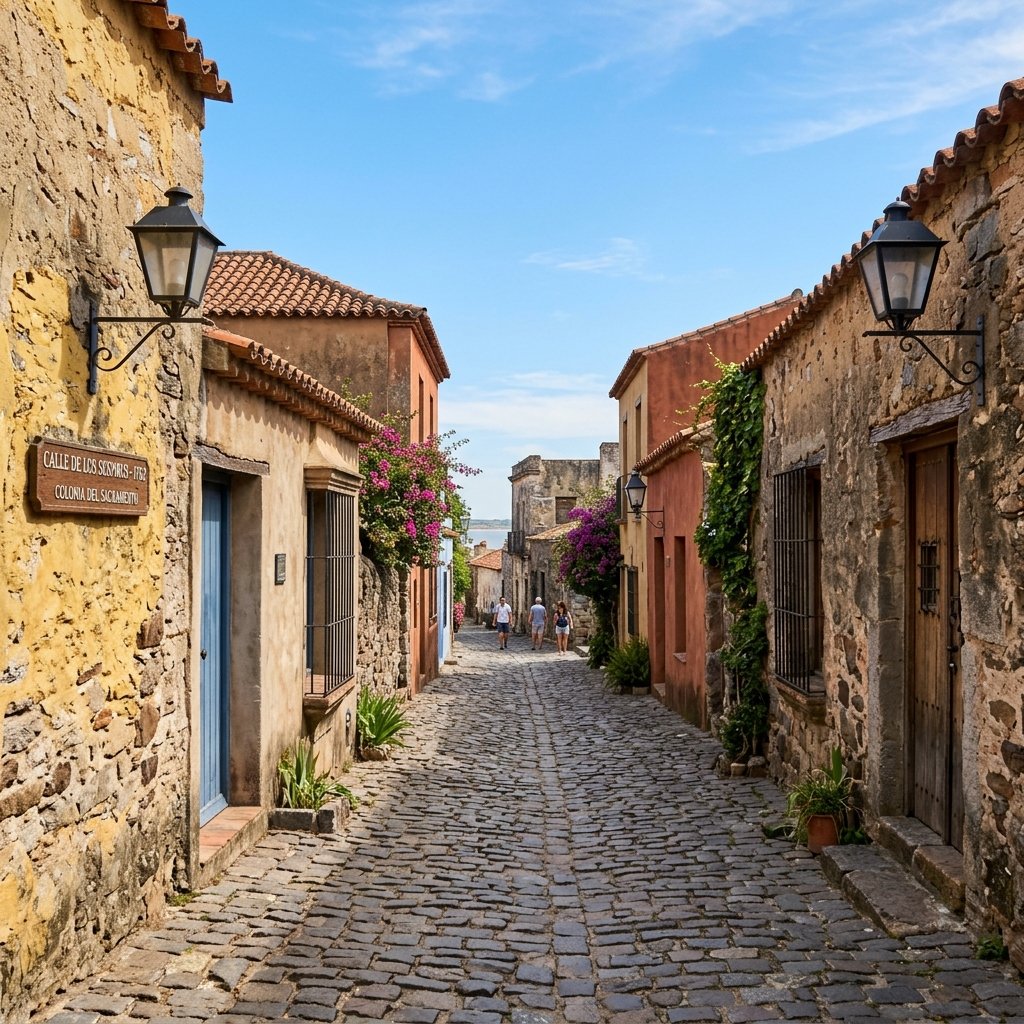
4. Mate Gourd Rituals & Chivito Gastronomy
Dining habits in Uruguay revolve around massive steak platters and an essential social herbal tea culture.
Uruguayan gastronomy features massive steak sandwiches and barbecues, accompanied by a deeply rooted social kava-like tea ritual. The national sandwich, Chivito, features a giant stack of steak tenderloin, ham, bacon, mozzarella, and egg, costing 350 to 500 UYU (approx. 9–13 USD) at local spots. Yerba mate is the national herbal tea consumed out of a hollowed gourd through a metal bombilla straw. Sharing mate is a standard social custom. You can check local dining and lifestyle tips on the Official Antel Portal.

5. Mobile Operators & Remote Interior Gaps
Staying connected in Uruguay is highly efficient, though mobile speed varies between the coast and rural plains.
Antel provides lightning-fast 5G/4G coverage in coastal cities, but mobile signals drop off in rural interior ranches. Antel (the state-owned operator) offers the best coverage and speed, alongside Movistar and Claro. While 5G is exceptionally fast in Montevideo, Colonia, and Punta del Este, mobile data coverage can become very weak or non-existent in deep rural areas. Buying a tourist SIM or a travel eSIM is highly recommended. You can check mobile data plans and network packages on the Official Antel Portal.
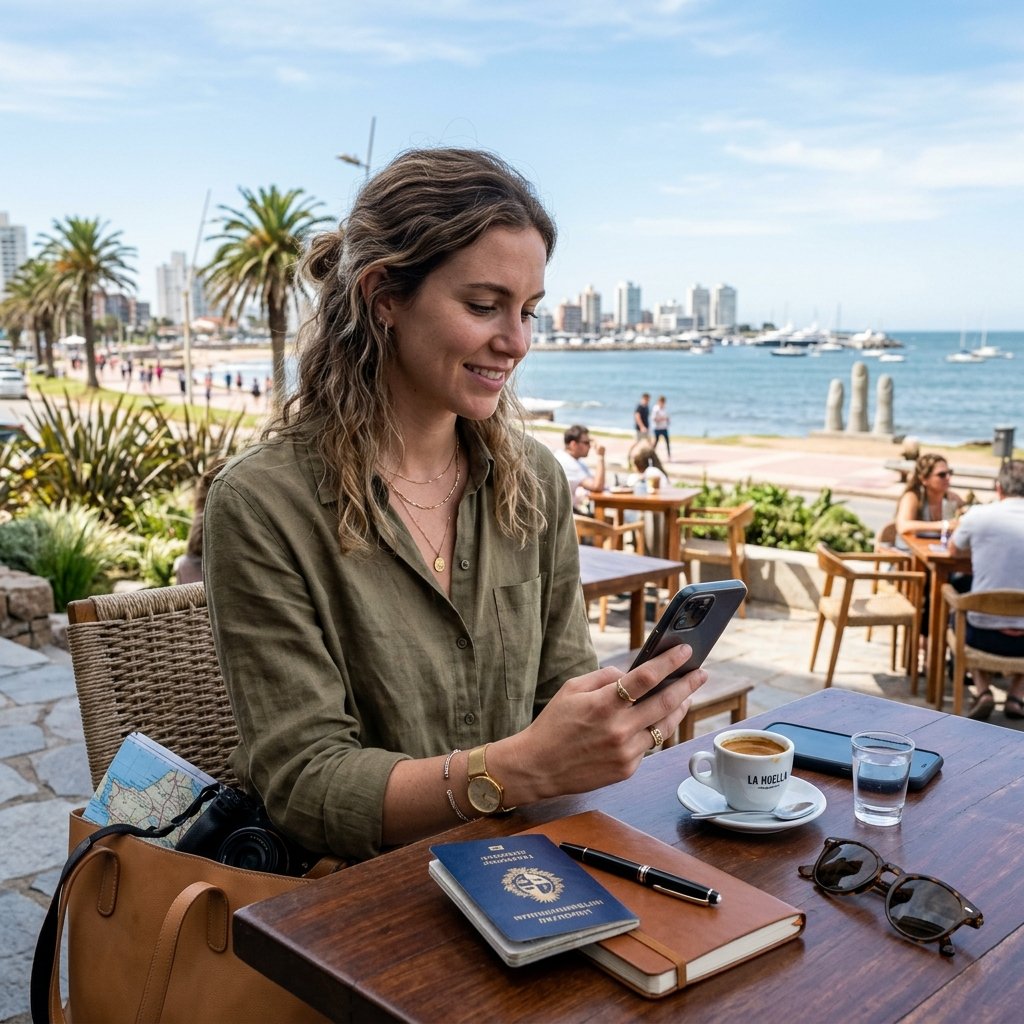
Stay Connected in Uruguay
From navigating the streets of Montevideo using ride-hailing apps to showing your automatic VAT refund receipts, having a reliable internet connection is vital in Uruguay. Public Wi-Fi is rarely found outside high-end cafes, and international roaming charges in Uruguay can be highly expensive.
The safest and most convenient option is to buy a high-speed travel eSIM from TravelyData before your trip. With a premium Uruguay travel eSIM, your phone will connect instantly to the Antel or Movistar networks the moment you land. Stay connected, dodge expensive roaming traps, and enjoy your Uruguayan adventure!
Frequently Asked Questions (FAQ)
Do I get a tax discount using credit cards in Uruguay?
Yes. Foreign credit or debit cards trigger an automatic 9% to 22% VAT refund (depending on the service, usually 18% to 22% at restaurants) directly at the terminal payment swipe.
How do I pay for city buses in Montevideo?
Buses accept cash (60 UYU), but the fare is cheaper (48 UYU) if you buy a local STM card and load it with cash at metropolitan kiosks.
What is Yerba Mate etiquette?
Yerba mate is a traditional herbal tea. It is shared socially using a single metal straw (bombilla) and gourd. Do not touch or stir the straw when handed a mate.