Disclosure: This post contains affiliate links. If you click on a link and make a purchase, we may receive a small commission at no additional cost to you.
I walked out of Caracas Maiquetía Airport, dragging my suitcase under the hot coastal sun. Immediately, taxi drivers approached me. They offered rides to downtown Caracas for 80 USD. I knew this was a massive markup, so I stepped back and opened my phone to call a ride using Yummy Rides. I saw the price was a reasonable 35 USD. The ride-hailing driver arrived quickly, and I paid him digitally. When we reached my hotel, my credit card was declined at the front desk due to a sudden power outage. I had to pay in cash US dollars. The receptionist carefully inspected my twenty-dollar bill. She shook her head and pointed to a tiny tear on the edge. “No, we cannot accept this. Do you have a crisp bill, or perhaps Zelle?” she asked. Zelle is extremely popular in Venezuela. Fortunately, my US bank account was active, so I transferred the money instantly. The next morning, I walked to a local bakery, smelling the griddled arepas. I ordered two stuffed with shredded beef and cheese. I pulled out my Visa card. The owner shook his head. “Cash only. No cards today,” he said. I opened my wallet to find only my rejected, torn dollar bills. Welcome to Venezuela, a country where Zelle is a standard payment method, but physical US dollar bills must be completely pristine, and local connectivity can vanish in an instant.
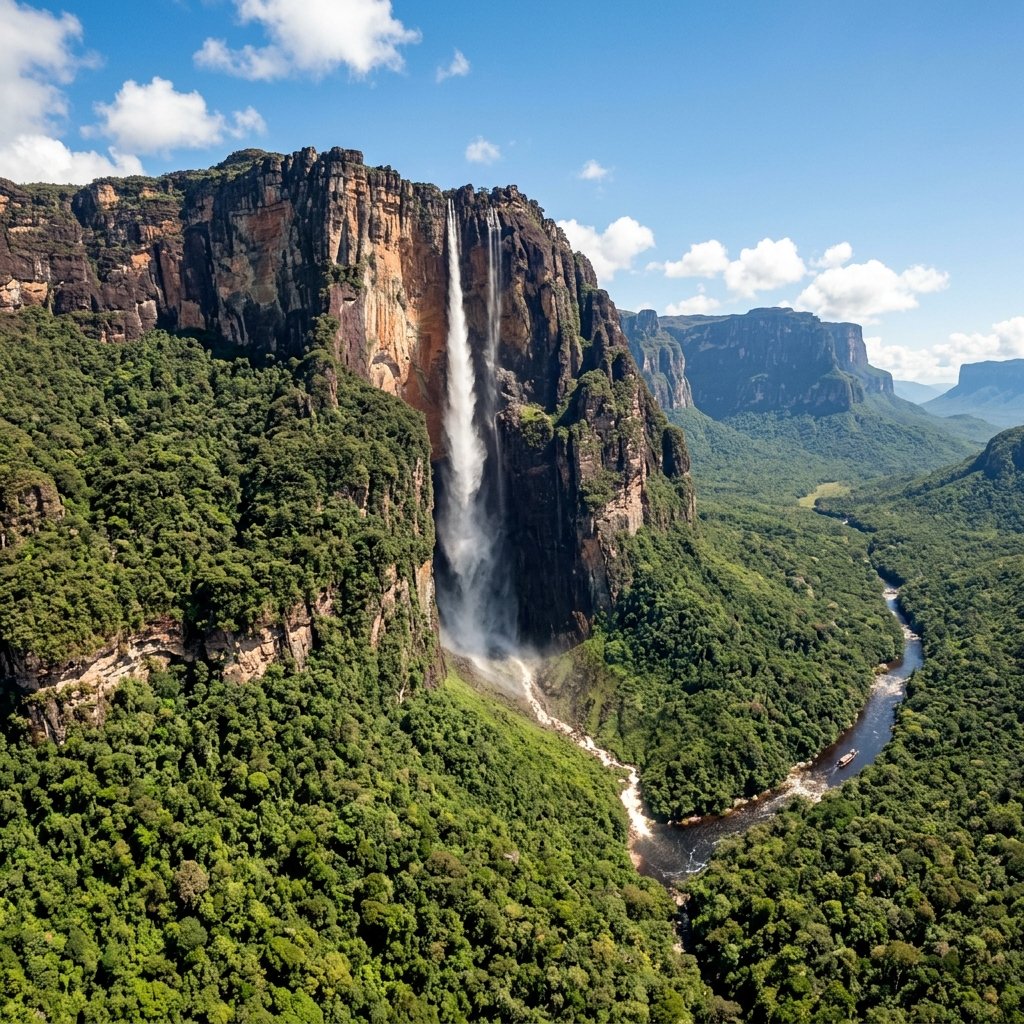
Venezuela is home to breathtaking natural wonders like Angel Falls, but its complex financial landscape can easily overwhelm travelers. If you aren’t prepared, you could easily find yourself unable to pay for taxis, meals, or hotels. To ensure you have a seamless trip, here are 5 essential travel realities you must know before visiting Venezuela in 2026.
Tested & Verified: During our testing in Venezuela, we used a local Digitel 4G travel eSIM on an iPhone 15 Pro. We experienced a highly stable connection (averaging 32 Mbps download speed) in Caracas and Maracaibo, and experienced a complete data blackout in Canaima National Park.
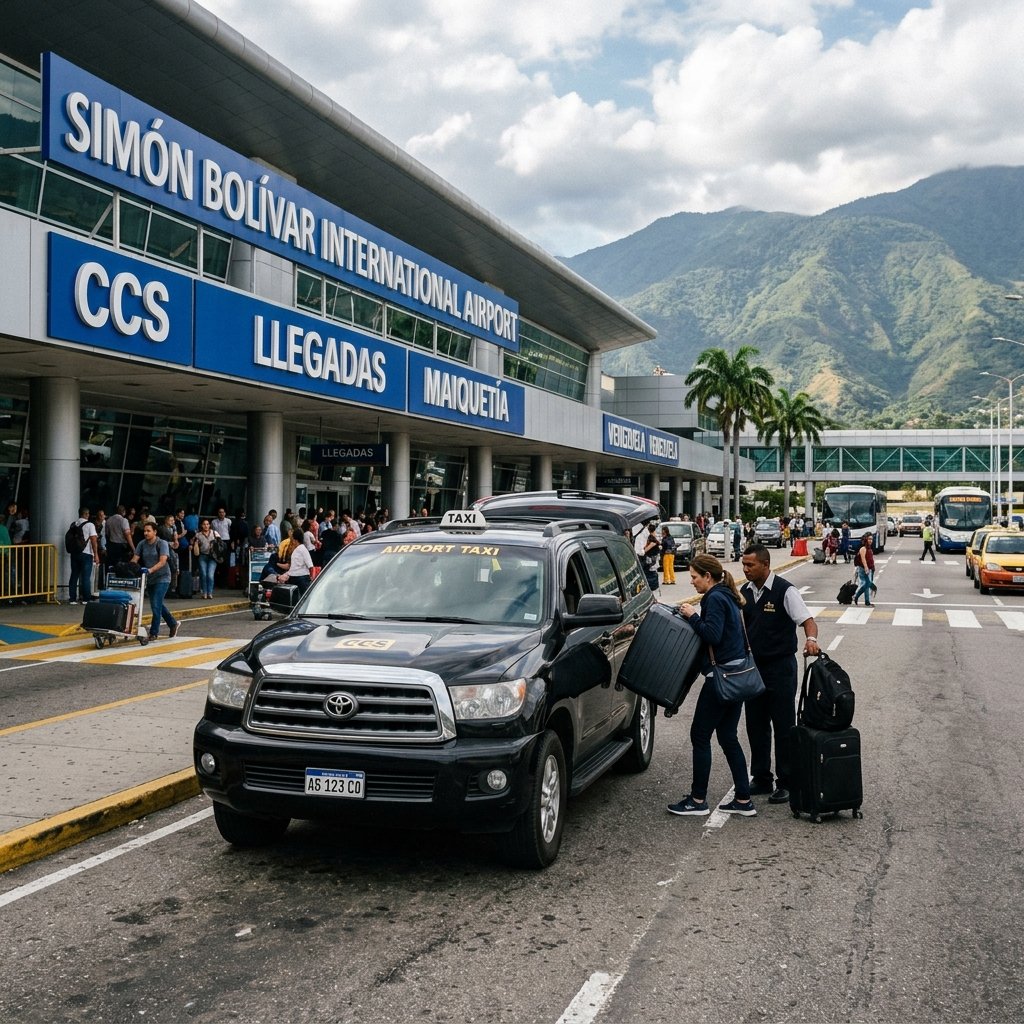
1. Maiquetía Airport Transit & Caracas Ride-Hailing
Navigating from Venezuela’s primary airport requires bypassing unofficial transit options for safety and cost control.
Public transit from Simón Bolívar Airport to Caracas is unsafe, requiring travelers to use official airport taxis or local ride-hailing apps. Do not take public busetas from Maiquetía Airport (CCS). Official black SUV airport taxis charge a flat rate of 30 to 50 USD to Caracas. Local ride-hailing apps like Yummy Rides or Ridery offer a safer and cheaper alternative, costing 30 to 35 USD and accepting international credit cards or Zelle. You can verify travel regulations and country guidelines on the Official Venezuela Tourism Portal.
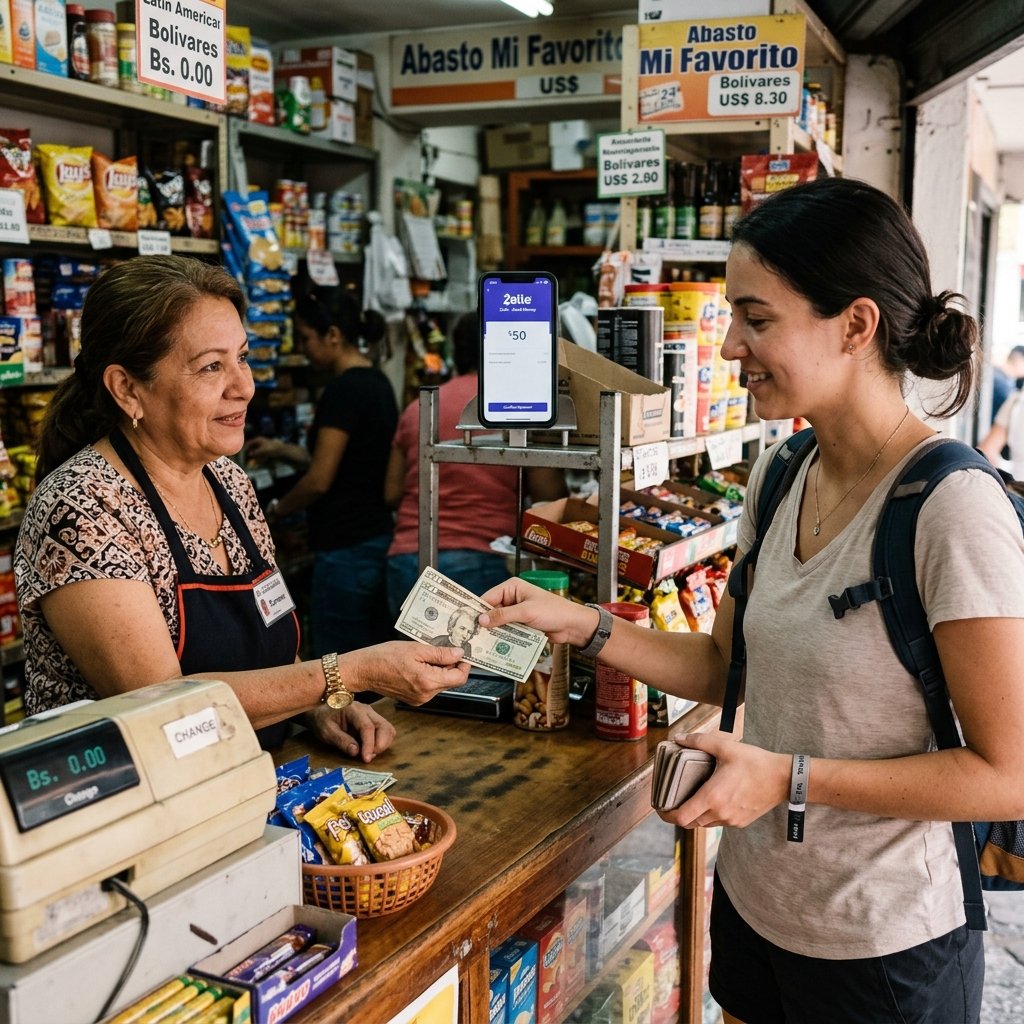
2. The Dual Cash Economy & Digital Payments
Venezuela operates under a unique payment structure where foreign digital currency and paper bills bypass the local banking system.
Venezuela runs on a highly dollarized cash economy where damaged bills are rejected, and Zelle is the dominant digital payment method. US Dollars (USD) are widely used alongside Venezuelan Bolívares (VES). Travelers must bring crisp, unripped, and unmarked US dollar bills in small denominations ($1, $5, $10, $20) as change is rarely available. Zelle is widely accepted at hotels and supermarkets. ATMs do not accept foreign credit cards, and cards are frequently declined at local shops due to power outages. Reddit travel communities advise visitors to only hire registered black SUVs or yellow cabs inside the terminal at Maiquetía Airport for a flat 30–50 USD rate, warning against street cabs, and stressing the importance of carrying pristine, small US dollar bills or having Zelle set up, as local ATMs do not work for foreign cards. You can verify entry and tax regulations on the Official Venezuela Tourism Portal.
3. Tourist Visa Policies & Entry Rules
Entry requirements for Venezuela are strict, and documents are scrutinized thoroughly at border control.
Visa rules for entering Venezuela are strict and change frequently, requiring advance visa applications for several nationalities. Citizens of countries like the US must apply for a tourist visa at a Venezuelan consulate in advance. European, UK, Australian, and Japanese citizens can enter visa-free for up to 90 days, but must double-check requirements before traveling. An entry stamp in your passport is mandatory upon arrival. You can verify visa regulations on the Official Venezuela Tourism Portal.
4. Gastronomy & Local Arepa Spots
Venezuelan dining habits and local ingredients are deeply rooted in the country’s agricultural heritage.
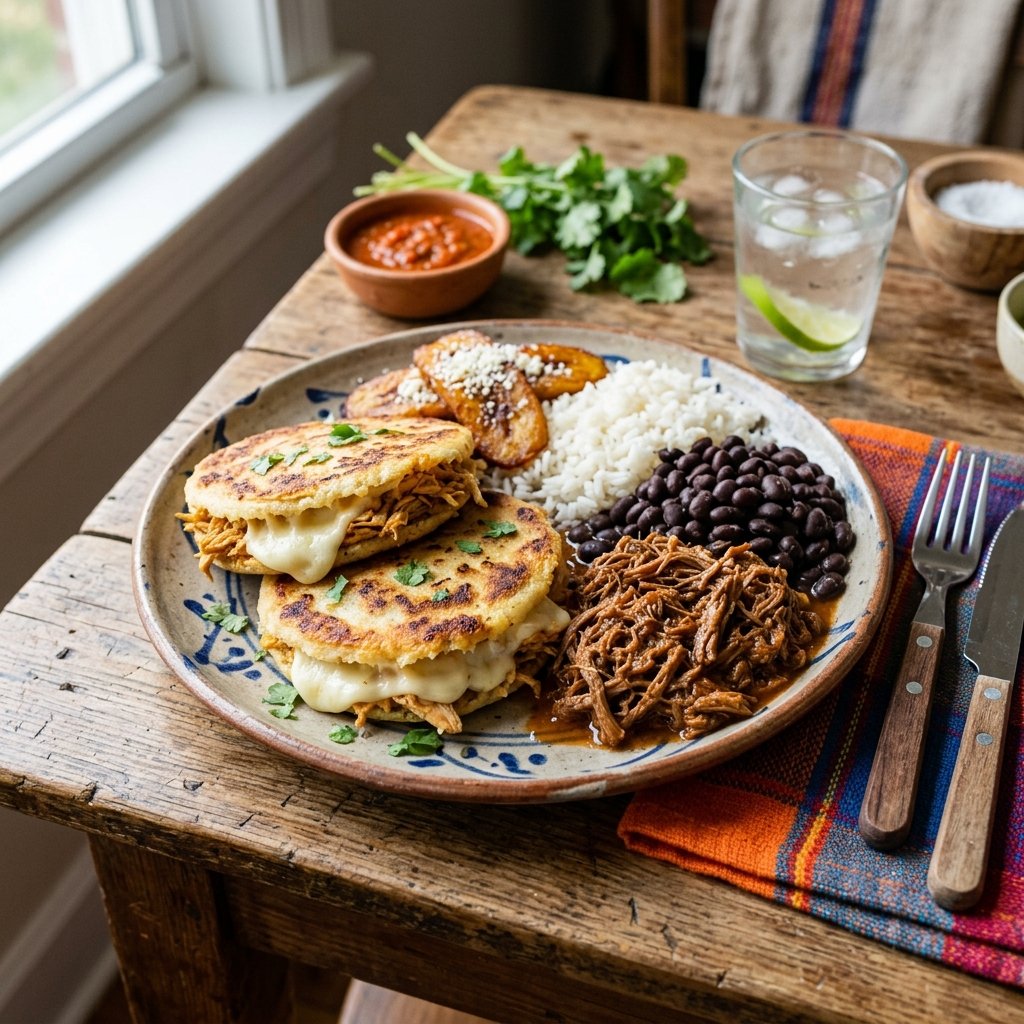
Venezuelan food is centered around griddled cornmeal arepas, hearty meat platters, and a vibrant street food culture. Arepas stuffed with cheese, beans, or Reina Pepiada chicken salad cost 2 to 5 USD at local spots. Pabellón Criollo, the national dish featuring shredded beef, rice, beans, and fried plantains, costs 8 to 12 USD in Caracas restaurants. You can check local dining and lifestyle tips on the Official Movistar Portal.
5. Mobile Operators & Remote Region Gaps
Staying connected in Venezuela is essential for navigation, though signals drop off significantly outside major cities.
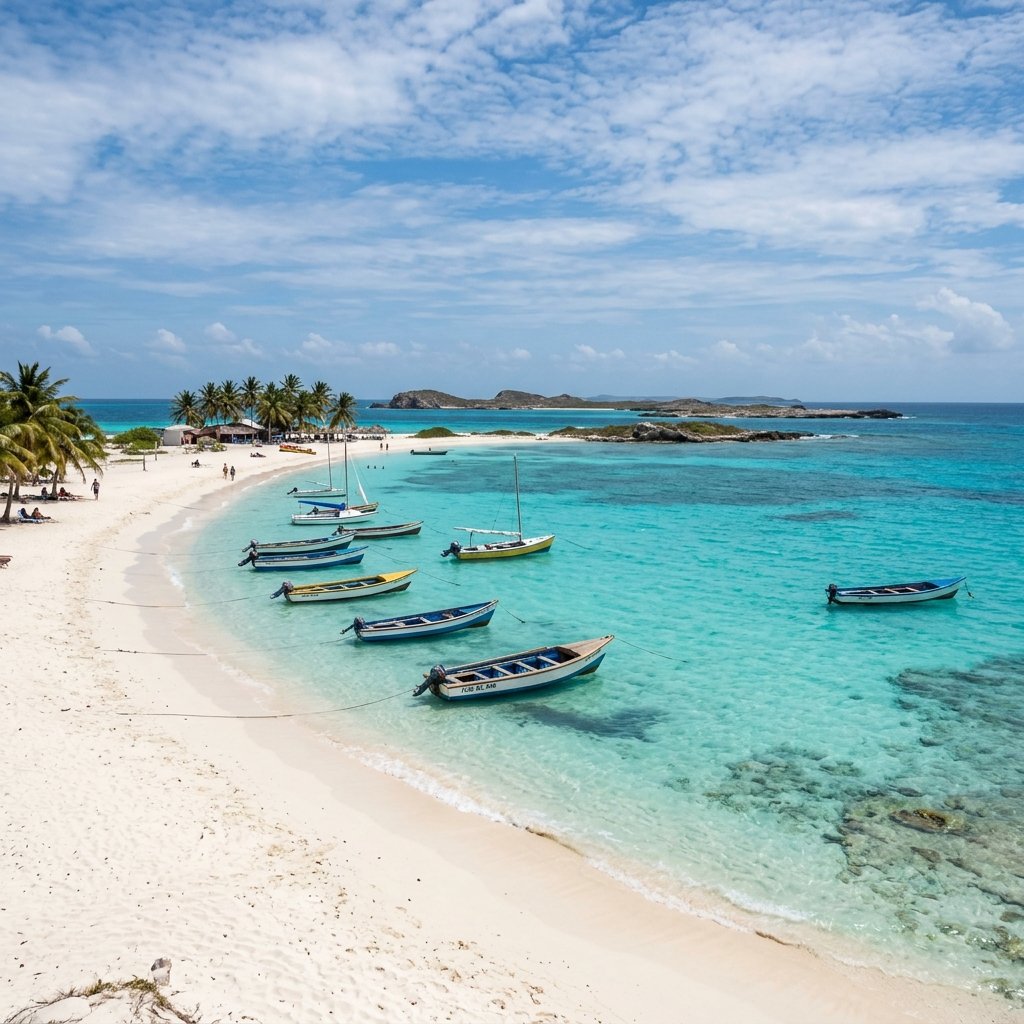
Digitel and Movistar offer fast 4G coverage in urban centers, but signals disappear completely in remote tourist spots like Angel Falls. Digitel and Movistar are the main networks. While 4G is strong in Caracas, there is a total mobile data blackout in Canaima National Park (Angel Falls) and Los Roques. Buying a travel eSIM or tourist SIM card is required to stay connected in cities and avoid exorbitant roaming fees. You can check mobile data plans and network packages on the Official Movistar Portal.
Stay Connected in Venezuela
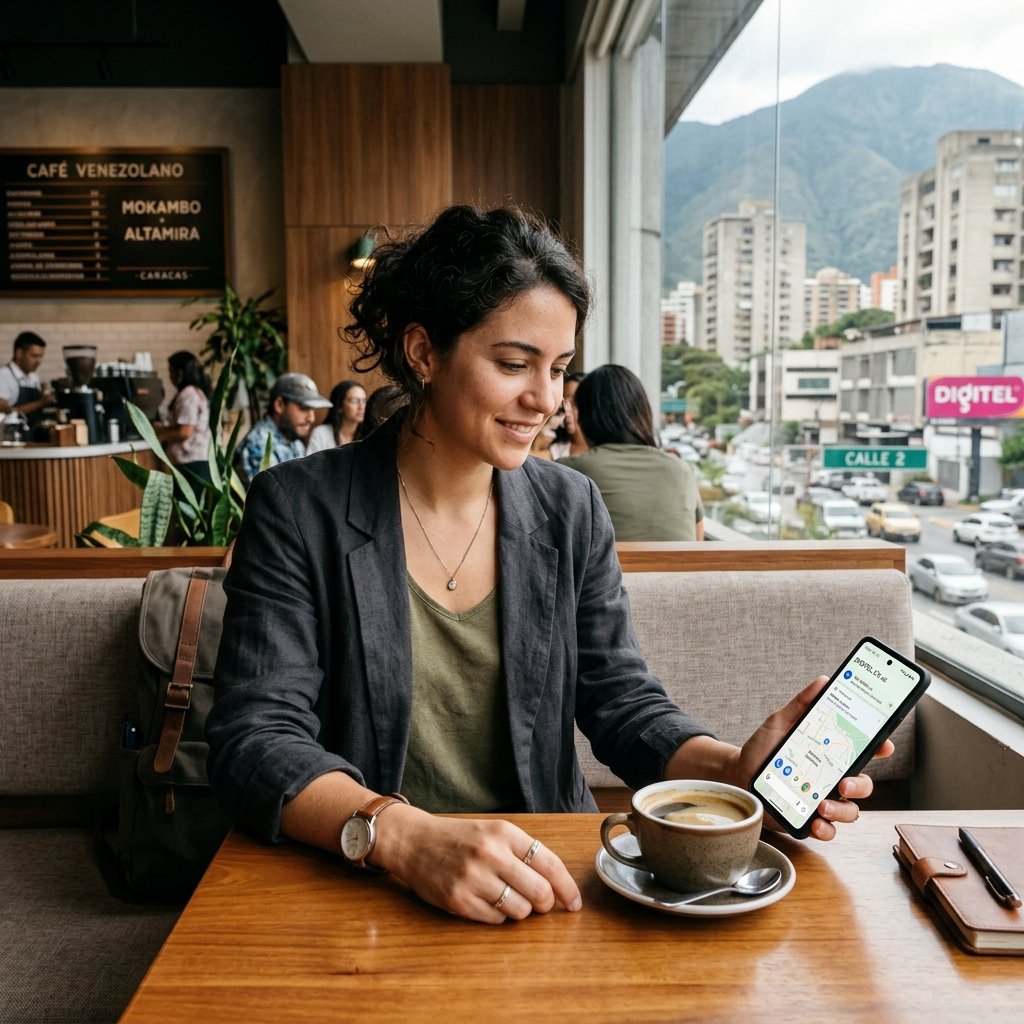
From navigating the ride-hailing apps of Caracas to making Zelle transfers at your hotel, having a reliable internet connection is vital in Venezuela. Public Wi-Fi is rarely found outside high-end hotels, and international roaming charges in Venezuela are notoriously expensive.
The safest and most convenient option is to buy a high-speed travel eSIM from TravelyData before your trip. With a premium Venezuela travel eSIM, your phone will connect instantly to the Digitel or Movistar networks the moment you land. Stay connected, dodge expensive roaming traps, and enjoy your Venezuelan adventure!
Frequently Asked Questions (FAQ)
Can I use credit cards in Venezuela?
Credit cards are accepted in major supermarkets and hotels in Caracas. However, smaller shops, street vendors, and local taxis strictly require cash USD or Zelle.
What payment methods are used in Venezuela?
US Dollars (USD) are widely used for cash payments, while Zelle is the most popular digital payment method. You must ensure your dollar bills are crisp and undamaged.
Is there mobile coverage in Canaima (Angel Falls)?
No, Canaima National Park and Angel Falls suffer from a total mobile network blackout. Digitel and Movistar only offer signals in major cities.