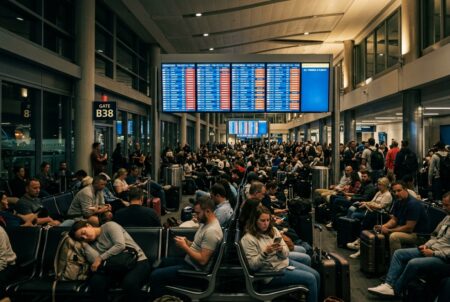
Honduras Travel Summary: Touchdown at Palmerola International (XPL) requires avoiding high-priced flat-rate airport taxis ($60-$80 USD) by taking the official Palmerola Connect shuttle bus (200 HNL / $8 USD) to Tegucigalpa. Honduras is cash-dominated: local restaurants and transport require Honduran Lempiras (HNL), and any USD bills used must be completely pristine without tears or folds. For immediate connection, activate a TravelyData eSIM which auto-switches between Tigo’s wide rural network and Claro’s urban speeds.
Honduras, a country defined by the stunning Bay Islands reefs, high-altitude cloud forests, and the ancient stone carvings of Copán, is one of Central America’s most rewarding destinations. But traveling here successfully requires adapting to distinct logistics. From landing 70 kilometers outside the capital to dealing with strict cash rules, knowing the reality on the ground makes the difference between a smooth adventure and a series of stressful roadblocks.
Arriving at Palmerola International (XPL): The Comayagua Distance Surcharge and Tegucigalpa Shuttle Rules
Arriving at Palmerola International Airport (XPL) requires careful transit planning. With the airport located 70 km away from Tegucigalpa, travelers must choose between expensive flat-rate official airport taxis or the budget-friendly Palmerola Connect shuttle bus, while ridesharing apps face local pickup restrictions.
Stepping out of the modern arrivals hall at Palmerola, you will immediately notice the distance from the capital. Unlike the old Toncontín Airport (TGU), which was inside the city, Palmerola sits in the valley of Comayagua. The local taxi cooperative charges a steep flat rate of $60 to $80 USD (about 1,500 to 2,000 HNL) for a ride to Tegucigalpa. If you are traveling solo or on a budget, this is a massive surcharge. On my first trip, I almost fell for the aggressive drivers at the terminal curb before spotting the official Palmerola Connect counter inside the terminal.
The Palmerola Connect shuttle bus is the smartest choice. For just 200 HNL (~$8 USD), it offers a comfortable, air-conditioned ride directly to Tegucigalpa’s Metromall, with departure times timed to match arriving commercial flights. If you prefer ridesharing, Uber is active in Tegucigalpa and San Pedro Sula. However, due to tension with the local taxi union, Uber drivers are not permitted to pick up passengers at the terminal curb. You must walk past the taxi zone to the main short-term parking lot or near the airport entrance gates to meet your driver. A rideshare fare from XPL to Tegucigalpa typically costs between $35 and $50 USD depending on demand.
For those landing at Ramón Villeda Morales International Airport (SAP) in San Pedro Sula, the distance to the city center is much shorter (about 15 km). Official airport taxis charge a flat rate of $15 to $20 USD, while Uber offers rides for $5 to $10 USD. Whichever airport you choose, having reliable internet the moment you land is essential for coordinating rides and navigating local maps. Buying a physical SIM at the terminal kiosks requires queuing and scanning your passport for local KYC registration. Pre-activating a TravelyData eSIM before your departure ensures you have high-speed data the second you land, allowing you to bypass the queues and book your transit instantly.
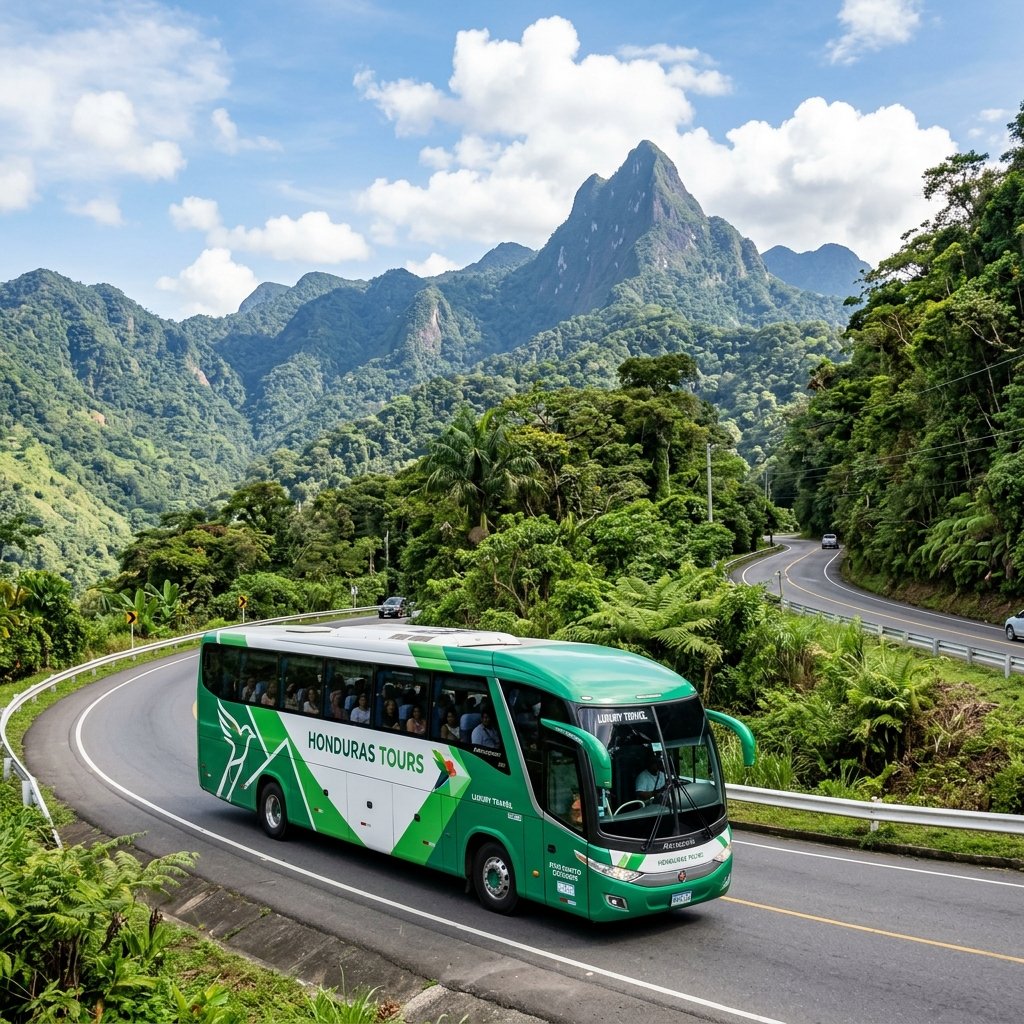
Why Cash is King and USD Banknotes Must Be Pristine in Honduras
Honduras runs heavily on physical cash, making Honduran Lempiras essential for daily purchases. While US Dollars are accepted in tourist spots, merchants enforce an incredibly strict “pristine bill” rule, routinely rejecting any banknote with minor wear or folds.
While credit cards are widely accepted at hotels, supermarket chains, and high-end malls in Tegucigalpa or San Pedro Sula, they are useless at local street markets, comedores, and public buses. For daily expenses, you must carry Honduran Lempira (HNL) cash. Be aware that foreign transaction fees may apply, and some local merchants add a 2% to 4% surcharge for credit card payments.
In tourist-heavy hubs like the Bay Islands (Roatán and Utila) or the Copán Ruins, US Dollars are widely accepted alongside Lempiras. However, there is a major catch: the bills must be in absolute mint condition. During my stay in West End, Roatán, a beachside cafe refused to accept a crisp $20 bill simply because it had a tiny 2-millimeter fold at the corner. Merchants are terrified of counterfeit bills and banks refusing worn currency, so they reject any USD bill that is not brand new, flat, and unmarked. Always check your change and keep your USD cash flat in a secure cardholder.
💬 What the Reddit Community Says (Updated January 2026)
“Don’t rely on ATMs in small Honduran towns. They frequently run out of cash on weekends, and power outages can temporarily take them offline. Also, don’t even try paying with a torn $5 or $10 bill; merchants will spot a tiny crease from a mile away and reject it immediately. Bring pristine, small-denomination USD bills ($1, $5, and $10) and exchange them for Lempiras at banks or official casas de cambio for the best rates.” — r/honduras travel thread
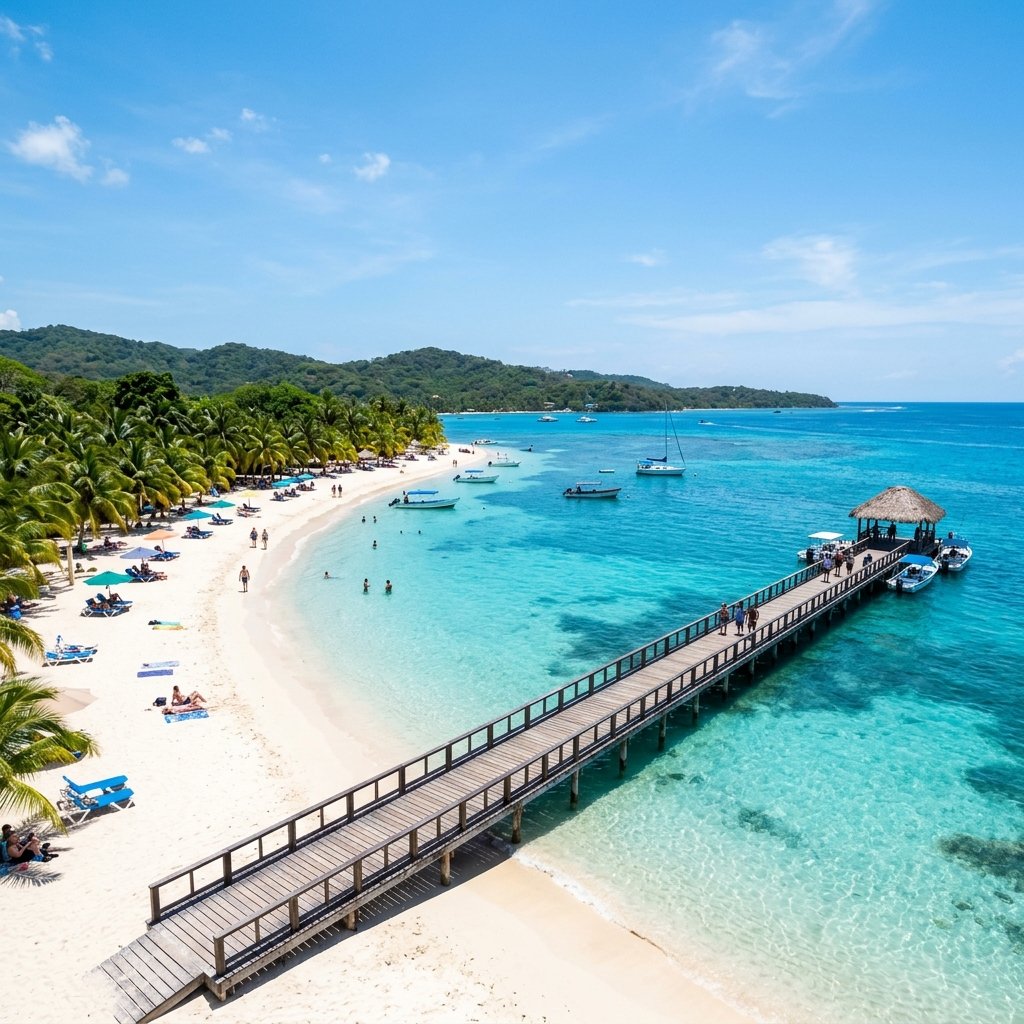
Exploring Copán and Roatán: Tigo vs Claro Network Coverage
Staying connected as you travel between the ancient ruins of Copán and the coral reefs of Roatán requires choosing the right network. Cellular coverage varies significantly by region, making a flexible mobile solution critical for regional transit.
Honduras has two major mobile operators: Tigo and Claro. Tigo Honduras (operated by Millicom) holds the largest market share and offers the most extensive coverage in rural areas, the highway corridors, and the Caribbean Bay Islands. If you are exploring the mountainous region around the Copán Ruins or diving in Roatán, Tigo provides the most reliable signal. Claro Honduras, on the other hand, is known for fast LTE speeds in major urban centers like Tegucigalpa and San Pedro Sula, but can have weak spots in remote rural valleys.
If you plan to cross borders into neighboring countries, staying connected is even more vital. You can read our guides for Guatemala, El Salvador, and Nicaragua to coordinate your regional CA-4 border crossings. Rather than purchasing individual local SIM cards at each border and registering your passport repeatedly, a TravelyData eSIM automatically switches to the best local carrier—whether Tigo or Claro—for seamless, KYC-free connection across Honduras and Central America.
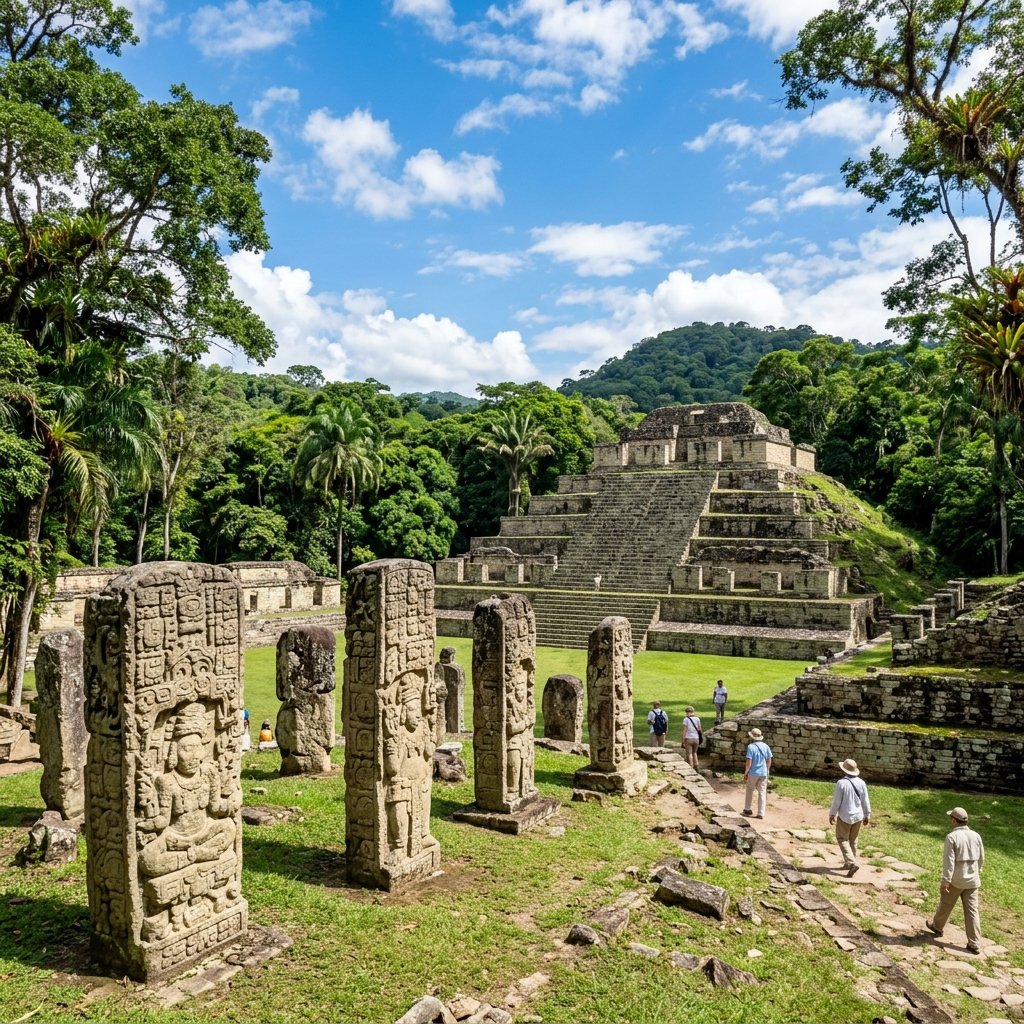
Honduran Dining Etiquette and Traditional Dishes: Respecting Local Table Customs
Experiencing the rich culinary heritage of Honduras requires understanding local dining customs and table etiquette. Respecting tipping norms and eating local specialties correctly ensures a warm and welcoming experience.
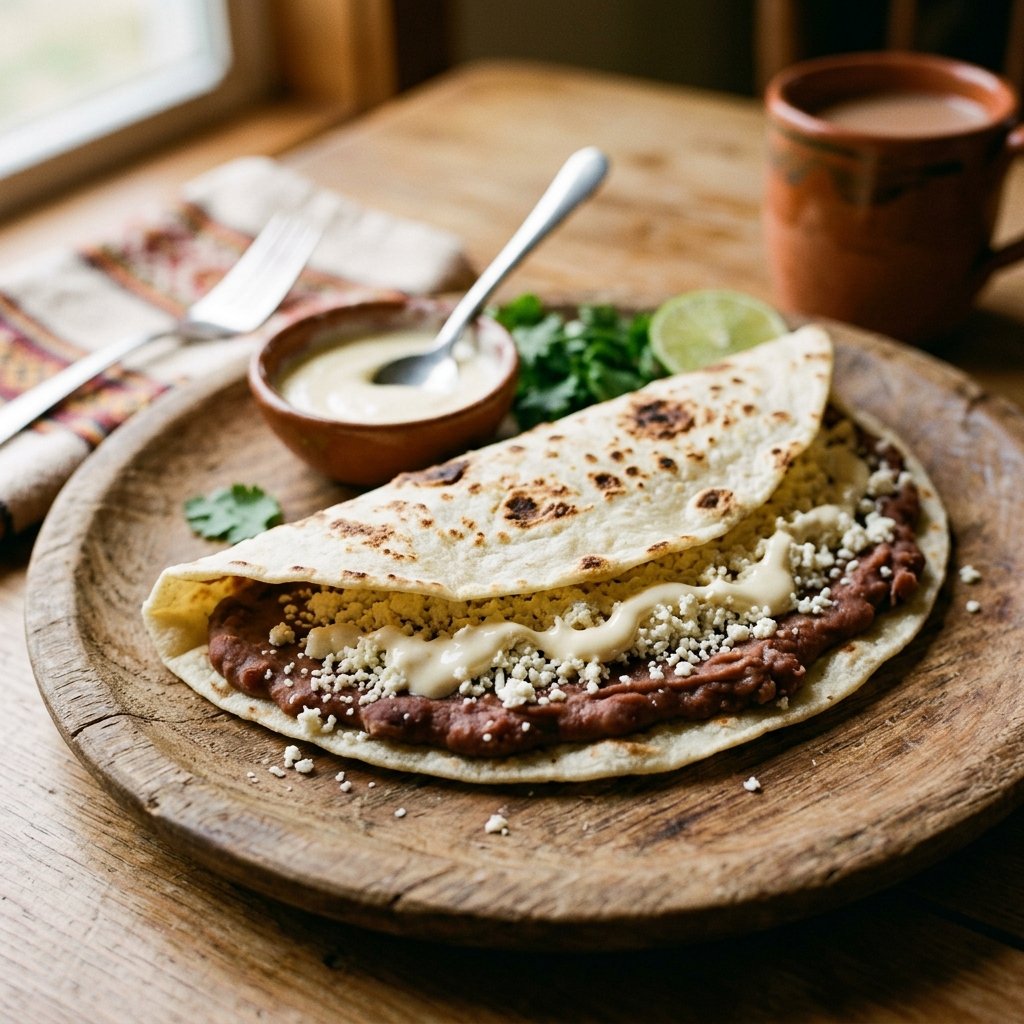
Honduran cuisine is flavorful and hearty. The national staple is the baleada—a thick flour tortilla folded over warm refried red beans, crumbled local cheese (queso seco), and mantequilla crema. Baleadas are always eaten using your hands. Using a knife and fork to eat a baleada is a telltale sign of an inexperienced tourist. For a full meal, order a plato típico, which includes grilled beef, red beans, sweet plantains, avocado, and fresh corn tortillas. A typical meal at a local comedor costs between 120 and 200 HNL ($5 to $8 USD).
When dining at sit-down restaurants in tourist areas, check your bill carefully. A 10% voluntary service charge (servicio) is frequently included in the total. If it is already added, you do not need to tip extra. If it is not included, leaving a 10% tip in cash is customary. For official government travel requirements, safety alerts, and entry guidelines, consult the official Honduras tourism portal before booking your tickets.
Frequently Asked Questions
Is there Uber in Tegucigalpa or San Pedro Sula?
Yes, Uber operates in Tegucigalpa and San Pedro Sula. However, due to taxi union restrictions, drivers cannot pick up passengers at the Palmerola terminal curb. You must walk to the main parking lot or near the airport gates to meet your driver.
Can I pay with US Dollars in Honduras?
US Dollars are widely accepted in Roatán, Copán, and major hotels. However, they must be in pristine, perfect condition with no folds or tears. For street markets, transport, and small towns, Honduran Lempiras (HNL) are strictly required.
Which SIM card is best for Roatán and Copán?
Tigo Honduras has the best rural coverage and signal strength in Roatán and Copán, while Claro is fast in major cities. A TravelyData eSIM automatically switches between both networks to ensure optimal coverage without queueing for passport registration.
 Honduras eSim