Disclosure: This post contains affiliate links. If you click a link and make a purchase, we may receive a small commission at no extra cost to you.
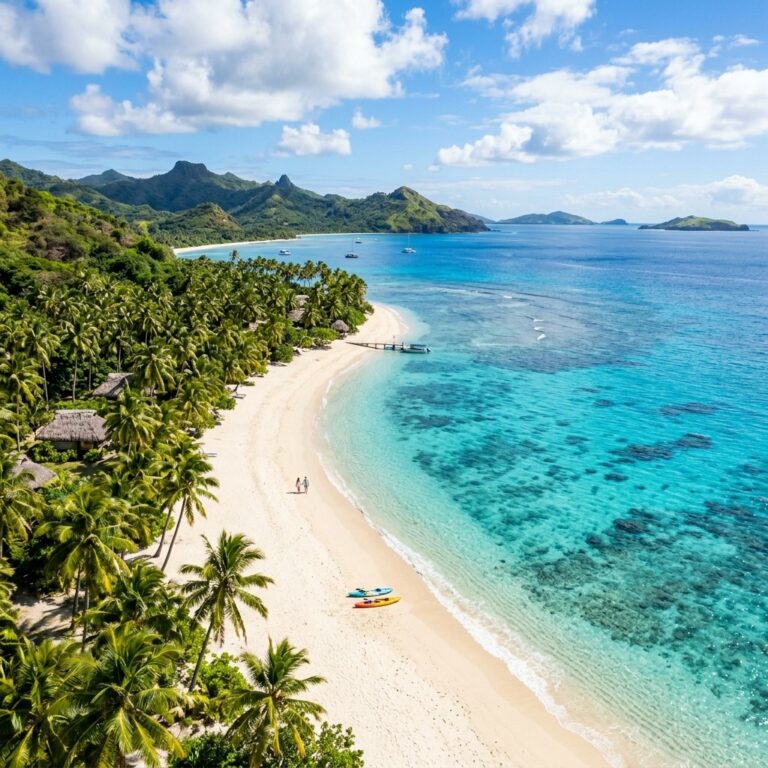
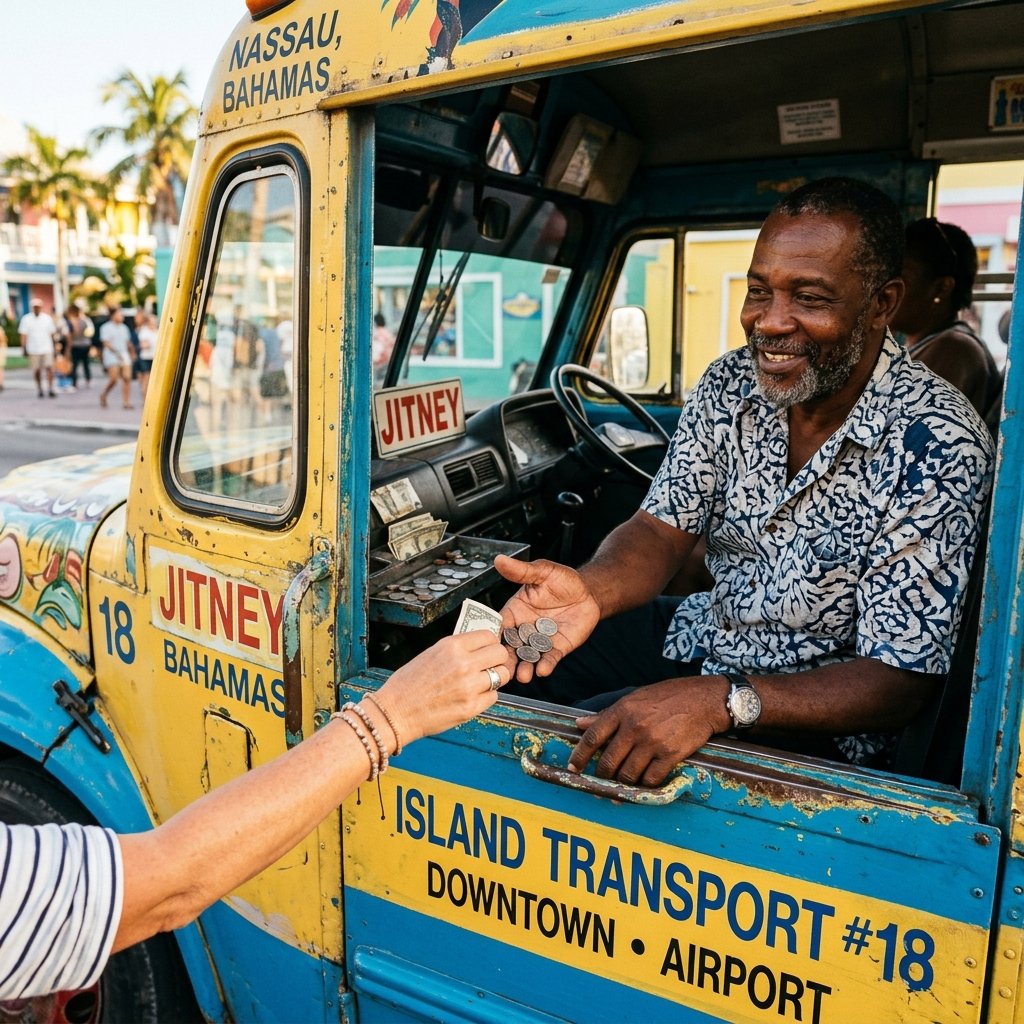
My first morning in Nassau started with a ride on a local “jitney.” I flagged down the small No. 10 mini-bus on Bay Street, rode it down to Potter’s Cay Dock, and handed the driver exactly $1.50 in coins as I stepped off. Under the bridge, I walked straight to McKenzie’s to watch the cook prepare a fresh conch salad. Right before my eyes, he sliced the raw conch, mixed it with chopped onions, tomatoes, and bell peppers, and squeezed fresh sour orange and key lime juice over it. It was incredibly fresh. I paid with a crisp $5 US bill, and the vendor handed me back my change in Bahamian dollars. The local Bahamian dollar is pegged 1:1 with the US Dollar, so they circulate interchangeably. However, once you leave the islands, those Bahamian notes are nearly impossible to exchange, so carrying low-denomination US cash is key. Later, trying to get online, I found out that while the local network Aliv has great 4G coverage, setting up a local eSIM in their physical stores is a slow, bureaucratic hassle. I ended up jumping on a water taxi over to Paradise Island, enjoying the ocean breeze. Welcome to the Bahamas, a sun-drenched archipelago where jitneys are flagged down by hand, conch is chopped fresh, and local data is best sorted out before you land.
The Bahamas is a dream destination of clear waters, sandy beaches, and vibrant culture, but its unmetered taxis, specific cash habits, and local sim card logistics can catch first-time travelers off guard. To ensure a stress-free tropical escape, here are 5 essential travel realities you must know before visiting the Bahamas in 2026.
Tested & Verified: During our tests in Nassau and Paradise Island, we connected with a local Aliv 4G network connection on an iPhone 15 Pro. We experienced stable speeds averaging 24 Mbps around the main tourist areas, though signal coverage became weak or non-existent in remote Exuma Cays.
1. Riding the Jitney: Nassau’s Pocket-Friendly Transit
Navigating Nassau is highly affordable if you skip the private cabs and jump on the local bus system instead.
Nassau’s public mini-buses, known as jitneys, are the most affordable way to travel, costing just $1.50 per ride in cash. Taxis in the Bahamas are unmetered, and fares are determined by government-set zone rates that drivers often try to inflate. For budget travel, jitneys run daily from about 6:30 AM to 6:30 PM. There are no fixed timetables; you simply flag down the bus along the road and pay the driver in cash when you get off. Carrying exact change is highly recommended, as drivers cannot change large bills. For longer trips across Paradise Island or inter-island ferry services, you can check routes and timetables on the Official Bahamas Tourism Portal.
2. USD and BSD Cash Rules: Carrying Small Bills
While the currency peg makes transactions simple, a few cash habits are critical to avoid ending up with unexchangeable currency.
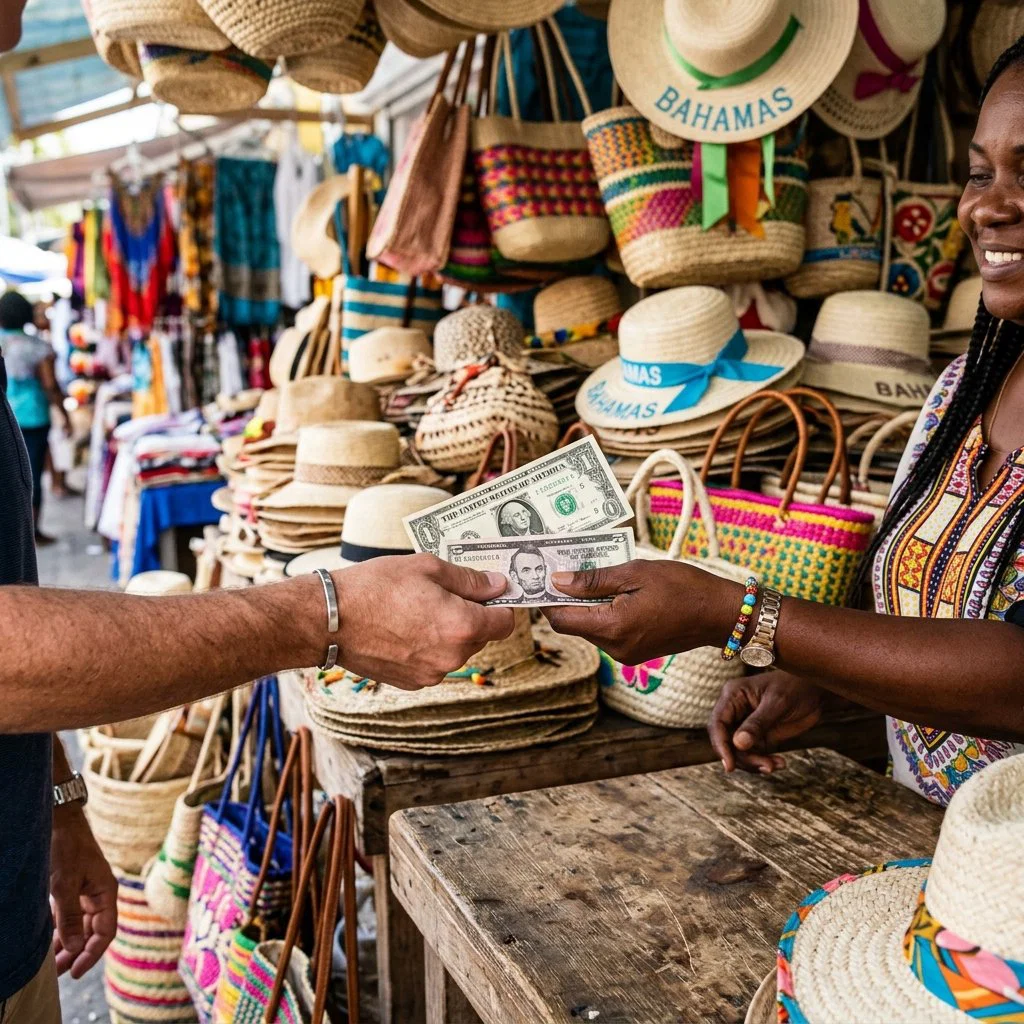
The Bahamian Dollar (BSD) is pegged 1:1 with the US Dollar (USD), and you should carry small USD bills to pay local vendors. USD bills are accepted everywhere interchangeably with Bahamian dollars. However, change is almost always given in Bahamian bills and coins. Since BSD cannot be easily exchanged back to USD outside the Bahamas, active travelers on Reddit recommend spending your Bahamian currency before departing. Carry low-denomination cash ($1, $5, and $10 bills) for street vendors, water taxis, and tips, as credit cards are rarely accepted outside resorts. Note that many restaurants automatically include a 15% service charge on the bill. You can find currency guidelines and custom regulations on the Official Bahamas Tourism Portal.
3. McKenzie’s Potter’s Cay: Fresh Conch Salad Art
No trip to the Bahamas is complete without tasting the national dish prepared fresh at local docks.
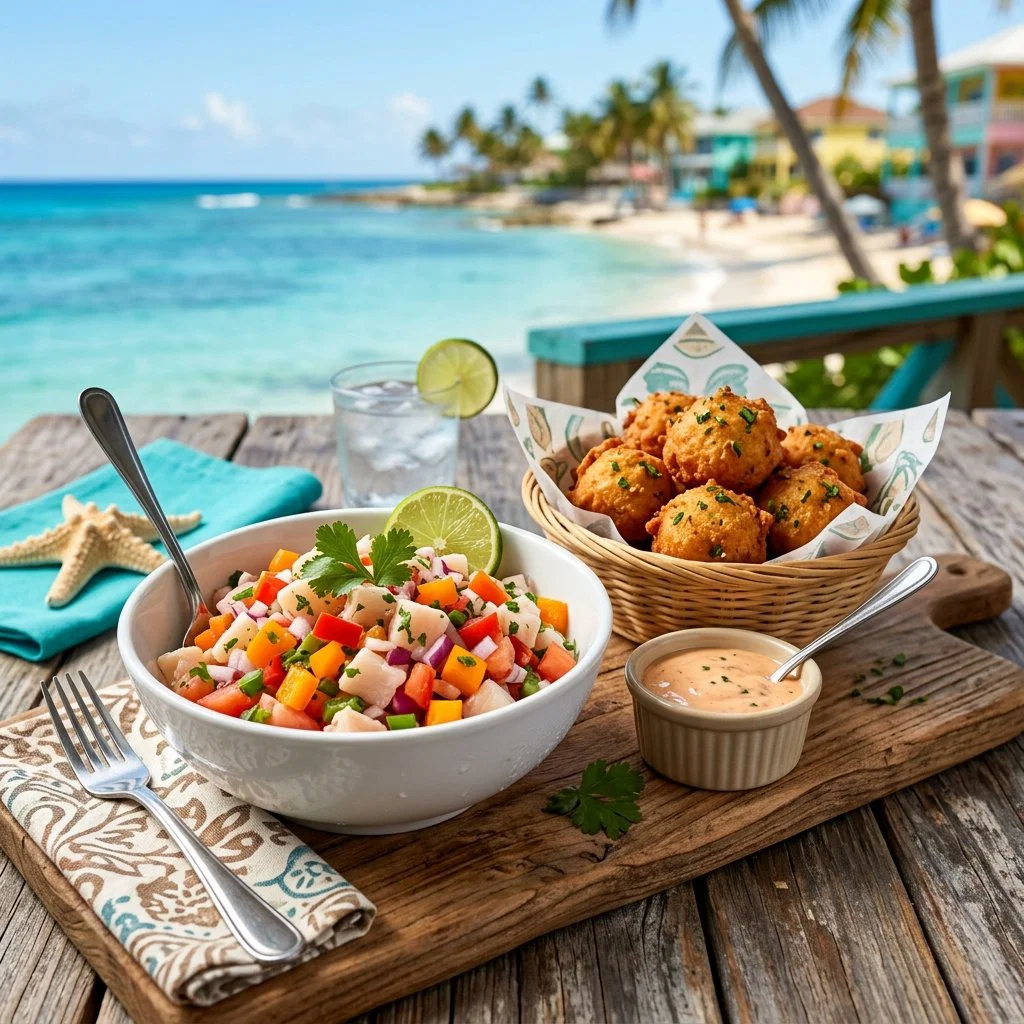
The national dish of the Bahamas is conch salad, and watching it chopped fresh to order at Potter’s Cay is a must-see culinary experience. Conch is a local sea snail with a sweet, mild flavor. At authentic stalls like McKenzie’s at Potter’s Cay or Oh Andros at Arawak Cay, the conch is chopped live in front of you, mixed with onions, tomatoes, sweet peppers, and marinated in sour orange and lime juice. A fresh conch salad costs around $10.00 to $15.00. Food communities on TripAdvisor strongly advise avoiding pre-mixed conch salads. You can browse regional culinary guides on the Aliv Carrier Site.
4. Water Taxis & Out Island Crossings
Moving between the main islands and Paradise Island requires knowing the specific ferry ticket systems.
Water taxis run between Nassau and Paradise Island for $4.00 to $6.00 one way, requiring cash payment before boarding. These ferries depart regularly from Woodes Rogers Wharf near the cruise terminal once they are full. For travel to the Out Islands, Bahamas Ferry Services operates regular passenger and car ferries from Potter’s Cay Dock. Fares vary depending on the distance, and booking tickets in advance is recommended during peak travel seasons. You can check ferry schedules and port information on the Official Bahamas Tourism Portal.
5. Mobile Data: Aliv LTE vs. local eSIM Hassles
Staying connected while exploring the islands is easy, provided you avoid the local retail store registration lines.
Aliv offers the most modern 4G/LTE mobile network in the Bahamas, but registering a local eSIM in-store involves slow, bureaucratic delays. Aliv and BTC are the two main telecom providers. While Aliv provides excellent LTE speeds in Nassau, Freeport, and main beaches, travelers consistently report that buying a local SIM card at the airport or in-store requires passport registration and long wait times. Signal coverage drops significantly in remote parts of the Exuma Cays or Out Islands. To stay connected immediately upon arrival for maps and messaging, purchasing a pre-configured travel eSIM is highly recommended. You can review network specifications and data plans on the Aliv Carrier Site.
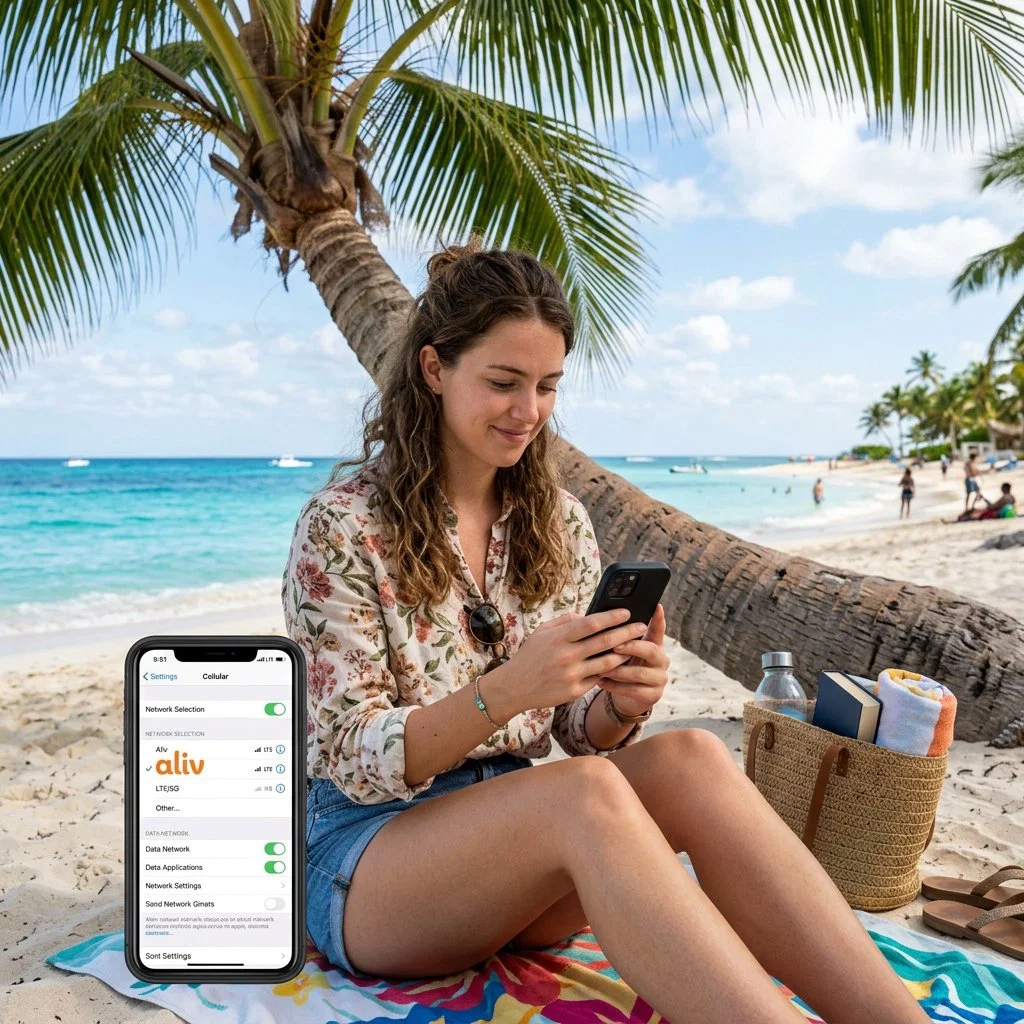
Stay Connected Throughout the Bahamas
From navigating the Nassau streets with maps to finding the ferry schedules at Potter’s Cay, having a reliable internet connection is crucial in the Bahamas. Resort Wi-Fi is often slow or limited to hotel lobby areas, and international roaming charges can add up quickly.
The easiest and most convenient option is to purchase a high-speed travel eSIM from TravelyData before you land. With a premium Bahamas travel eSIM, your phone will connect instantly to Aliv’s high-speed 4G/LTE network when you arrive. Stay connected, share your beach photos, and enjoy your Bahamas escape!
Frequently Asked Questions (FAQ)
Can I use US Dollars in the Bahamas?
Yes. The US Dollar (USD) is pegged 1:1 with the Bahamian Dollar (BSD) and is accepted everywhere interchangeably. You do not need to exchange currency, but change is usually given in Bahamian Dollars.
How do you pay for the jitney in Nassau?
You pay the driver in cash when you get off the bus. The standard fare is $1.50 per ride, and you should carry exact change as drivers cannot easily break large bills.
Which network is better in the Bahamas, Aliv or BTC?
Aliv generally offers faster and more reliable 4G/LTE data speeds in populated areas like Nassau and Paradise Island, while BTC offers wider coverage across some of the more remote Out Islands.