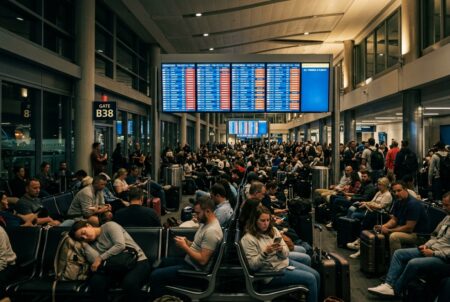
Stepping out of the arrivals hall in a new country usually triggers a familiar sequence of tasks: find the rideshare pickup, grab some local cash, and get online. In Guatemala City, however, the rules of this transit game are uniquely shaped by local dynamics. From taxi union gatekeeping at the airport to the strict rules governing USD cash and the shared borders of the CA-4 visa zone, navigating Guatemala requires a few key insights to avoid common pitfalls.
Guatemala Travel Summary: Avoid high flat-rate airport taxi monopolies ($15–$20 USD to Zone 10) at La Aurora International Airport (GUA) by walking to the Departures Level (Salidas) on the second floor to meet your Uber driver. Guatemala is heavily cash-dependent; local markets and street transport require Guatemalan Quetzales (GTQ). To stay connected across the country, a TravelyData eSIM automatically switches between Tigo’s unmatched rural network and Claro’s high-speed urban signals without passport registration queues.
Touchdown at La Aurora (GUA): Uber Pickups, Airport Taxi Monopolies, and Setting Up Tigo eSIMs
To bypass the high flat rates of airport taxi cartels at La Aurora International Airport (GUA), travelers should walk to the Departures Level (Salidas) on the second floor or meet their rideshare driver near the short-term parking lot. Traditional airport taxis guard the ground-floor arrivals curb aggressively, making it difficult for rideshare drivers to pick up passengers there. Getting online immediately via a TravelyData eSIM enables you to coordinate your rideshare pickup instantly, avoiding the high prices and long lines at physical carrier kiosks inside the terminal.
Guatemala is a signatory to the Central America-4 (CA-4) Border Control Agreement, which also includes El Salvador, Honduras, and Nicaragua. Under this agreement, tourists receive a single unified 90-day stay upon entering the region. The 90-day visa clock continues to tick when crossing borders between CA-4 nations and does not reset when you cross from Guatemala into El Salvador or Honduras. Overstaying will result in cash fines at land borders or airport customs upon exit.
When my flight landed at La Aurora, the sea of yellow airport taxis lined up outside the arrivals exit seemed like the easiest way out. However, a quick check of the app showed a rideshare rate to my hotel in Zone 10 was less than half of the flat rate quoted by the taxi booth. After a brief message exchange with my rideshare driver, I headed up the escalator to the second-floor Departures terminal. The driver pulled up smoothly among the departing passengers, avoiding any friction with the taxi drivers below.
Staying connected while traveling through the country is essential for booking transport and checking routes. While Tigo (Guatemala) on Wikipedia dominates rural areas, and Claro (Guatemala) on Wikipedia is excellent in cities, buying a local physical SIM card requires waiting in line to scan your passport under local digital registration laws. Using a TravelyData eSIM allows you to connect automatically to the strongest signal available without submitting personal documentation or passport scans.
Navigating the Cash Economy: Escaping Skimming Risks at 5B ATMs and Small quetzal Rules
Guatemala is a cash-dominant society where physical Guatemalan Quetzales (GTQ) are strictly required for public transport, tuk-tuks, street food, and rural markets. While high-end hotels and restaurants in Guatemala City and Antigua accept credit cards, they often add a 3% to 5% processing fee. When withdrawing cash, avoid standalone street ATMs belonging to the ubiquitous “5B” network due to high card skimming risks; instead, use ATMs located inside secure bank branches like Banco Industrial or BAC Credomatic.
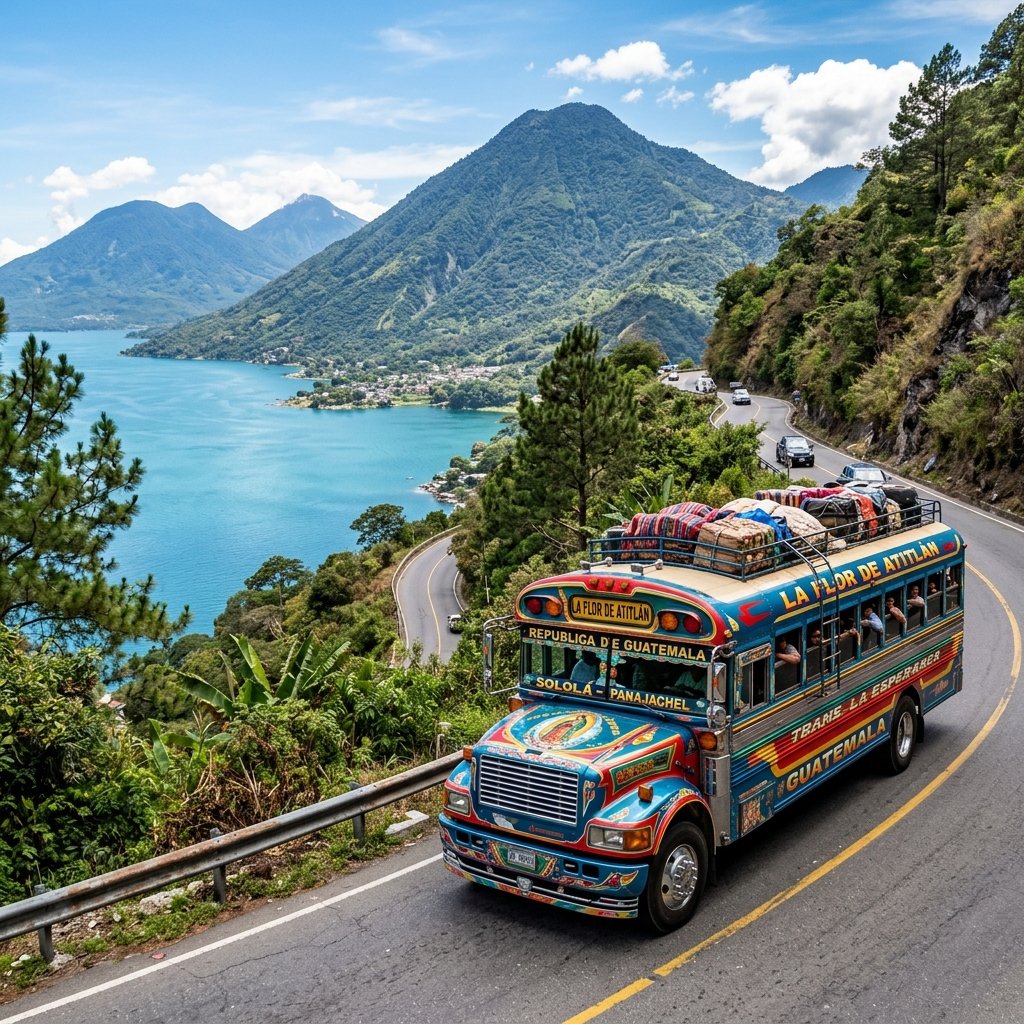
Active members on local travel subreddits emphasize that carrying cash in small denominations (10, 20, and 50 Quetzal bills) is vital. Street vendors and tuk-tuk drivers in Antigua and Lake Atitlán rarely have change for 100 or 200 Quetzal banknotes. Additionally, travelers warn that while US Dollars are sometimes accepted, any bill with even a tiny tear, fold, or ink mark will be rejected instantly by local merchants.
I experienced this firsthand while browsing the textiles at the outdoor market of Chichicastenango. After finding a beautifully woven scarf, the vendor politely declined my 100 Quetzal bill because she had no change. I had to walk to a nearby bank branch to break the note. Since then, I always keep a pocket of 10 and 20 Quetzal bills for local purchases. For ATM withdrawals, I stick strictly to bank lobbies to keep my card details secure.
Exploring the Highlands: Claro vs Tigo Network Coverage from Antigua to Tikal ruins
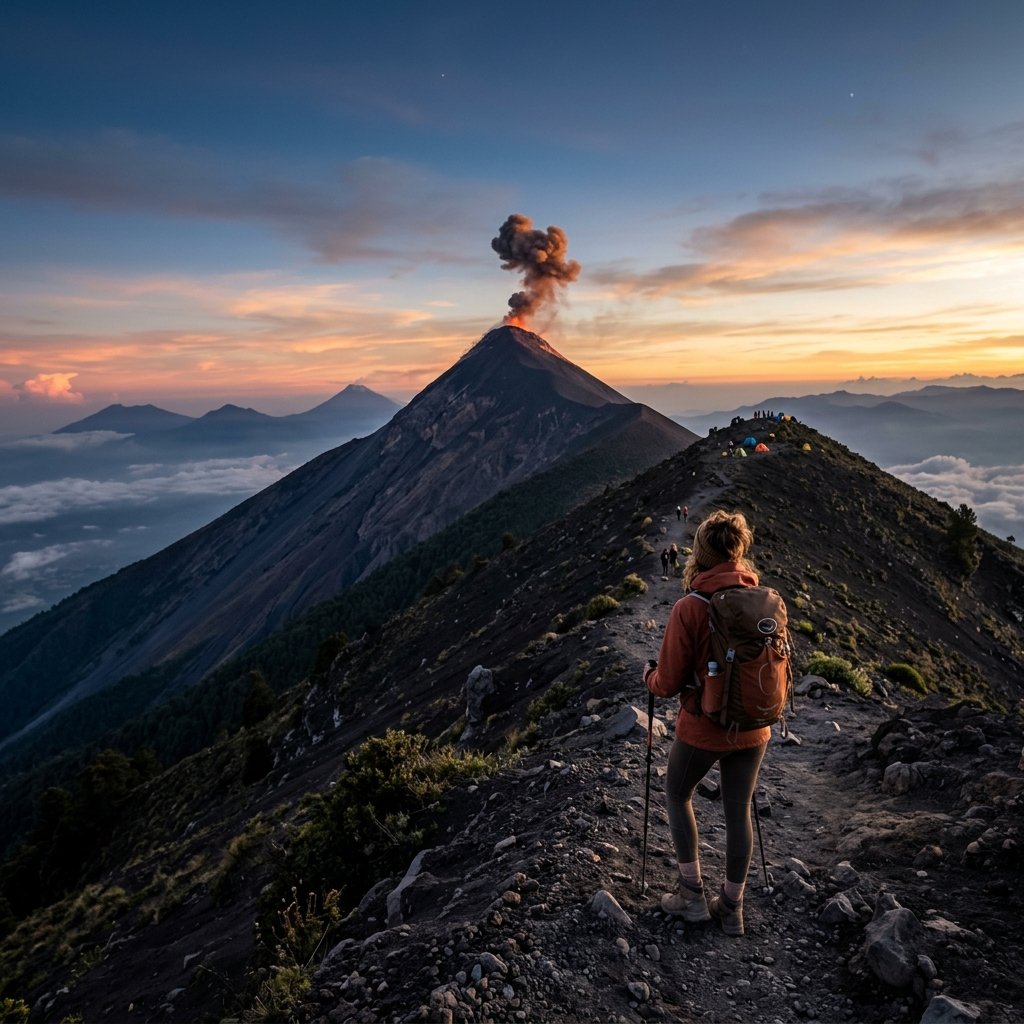
Tigo is the recommended mobile carrier for travelers exploring rural regions, as it provides superior coverage along highland highways, Lake Atitlán villages, Semuc Champey, and the remote Tikal ruins. Claro offers excellent high-speed signals in urban zones like Guatemala City and Antigua, but its network coverage drops off quickly once you head into the mountains. Having an eSIM that auto-switches between both networks ensures you remain connected while coordinating transport and exploring remote sites.
When planning day trips, it is useful to check local routes on neighboring destinations. For instance, if you are traveling overland into El Salvador, you can refer to our El Salvador travel guide to understand the Chivo wallet system and neon bus routes. For those crossing east, our detailed Honduras travel guide covers the Palmerola Connect bus system and cash Lempira rules, while our Nicaragua travel guide provides tips on using the InDrive app and local Claro/Tigo coverage. If you are crossing north, check out our Mexico cashless guide for details on Tarjeta MI taps and street taco cash rules.
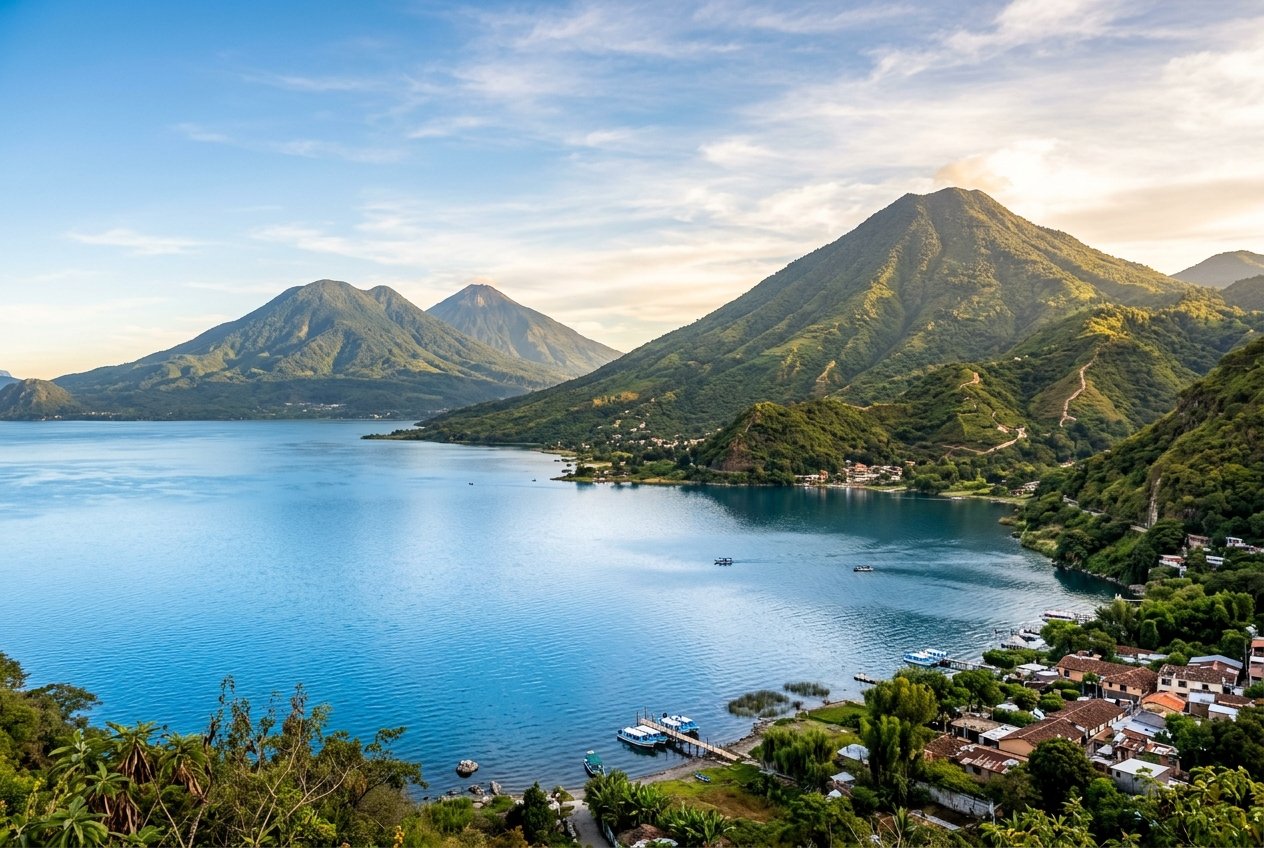
During my trip to Lake Atitlán, I stayed in a small cliffside cabin near Santa Cruz. While my friends with city-focused SIM cards struggled to load Google Maps, my device connected to a strong signal, allowing me to easily message local water taxi (lancha) drivers. This reliable connectivity was even more critical during early morning hikes up the Indian Nose trail to watch the sunrise over the lake’s volcanoes.
Gastronomy & Cultural Etiquette: Tasting Pepián Stew and Highland Table Rules
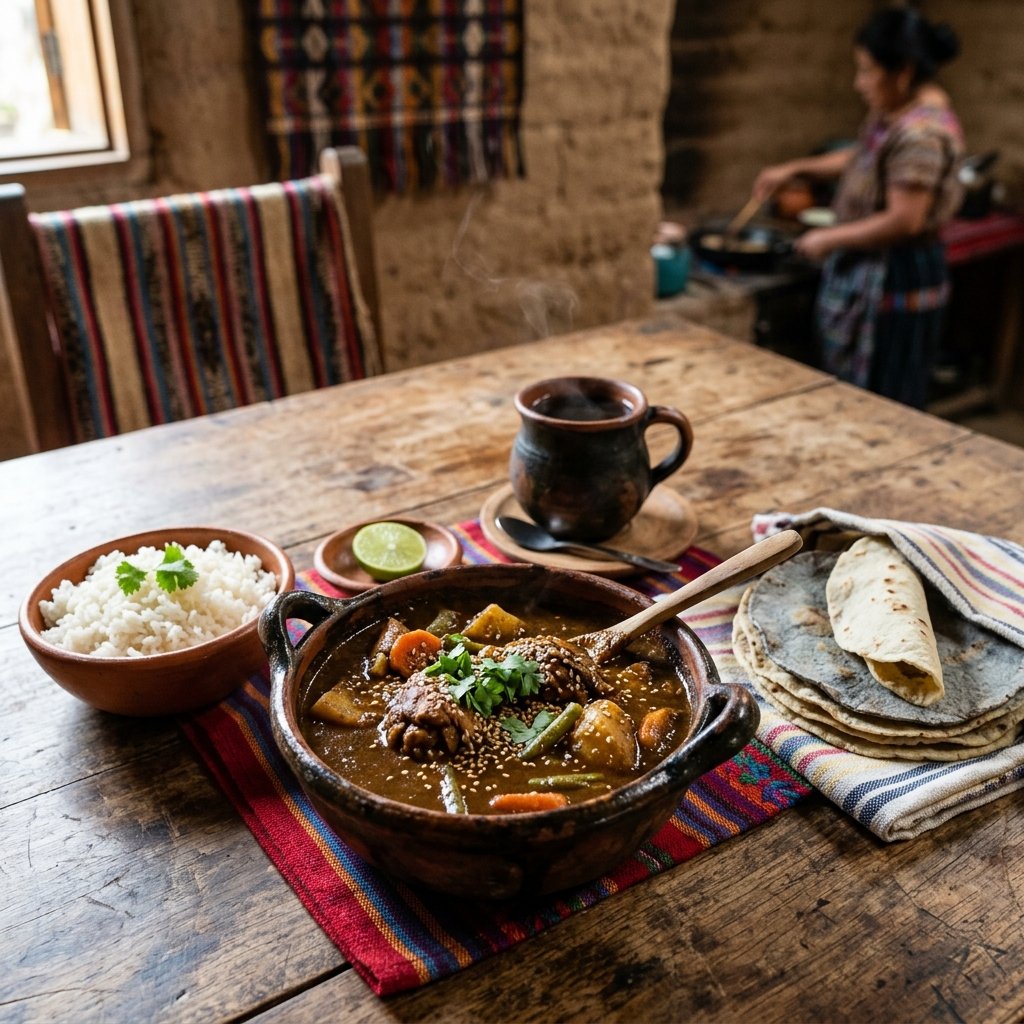
Guatemalan dining etiquette emphasizes respect for local culinary traditions, particularly when sharing local stews like Pepián, which is traditionally eaten with handmade corn tortillas. Pepián is a rich, slow-cooked meat stew made with toasted seeds and chilies, widely recognized as one of the national dishes. When dining in local spots (comedores), it is custom to tear pieces of warm corn tortillas by hand to scoop up the stew rather than using forks, which is appreciated by local hosts.
In mid-range and high-end restaurants, a 10% voluntary tip (propina sugerida) is usually included on the bill. It is always polite to double-check the bill before adding extra cash to avoid tipping twice. In smaller local eateries, tipping is not expected but leaving a few extra Quetzales is a warm gesture. If you plan to travel further across the region, explore our global destinations hub to plan your connectivity and guides for neighboring countries.
Sitting in a family-run comedor in Antigua, the rich aroma of toasted pumpkin seeds and chilies filled the room. The owner served the steaming Pepián chicken stew alongside a basket of hot, handmade corn tortillas. Watching the locals, I tore a warm piece of tortilla, wrapped it around a tender piece of chicken, and scooped up the thick sauce. It was a delicious introduction to the culinary heritage of the Guatemalan highlands.
Frequently Asked Questions
- How do I get an Uber at Guatemala City Airport?
Uber drivers cannot pick up passengers at the ground-floor arrivals curb due to airport taxi union restrictions. Walk up the escalators to the second-floor Departures terminal (Salidas) or head near the short-term parking lot to meet your driver. - Is credit card widely accepted in Guatemala?
Guatemala is highly cash-based. Credit cards are accepted in major hotels, supermarkets, and restaurants in tourist areas, but they often add a 3% to 5% transaction surcharge. You will need cash (Quetzales) for small shops, tuk-tuks, chicken buses, and street food. - Which mobile network is best for Lake Atitlán and Tikal?
Tigo Guatemala has the widest network coverage and is the most reliable network in rural highlands, Lake Atitlán villages, and Tikal. Claro works well in cities but drops in remote areas. A TravelyData eSIM automatically switches between Tigo and Claro to keep you connected.
 Guatemala eSim