
El Salvador Travel Summary: Saint Óscar Arnulfo Romero International Airport (SAL) connects to San Salvador via official white taxis charging a flat $30–$40 cash fare. Uber costs $18–$25, but pickups are restricted at the arrivals curb; you must meet drivers at the departures level or main parking lot. Physical US Dollar cash in small bills ($1, $5, $10) is mandatory for public transport, street food (pupuserías), and tips. While Bitcoin is legal tender, cash remains king. For network access, a TravelyData eSIM automatically switches between Tigo and Claro for seamless 4G/5G coverage without local passport registration.
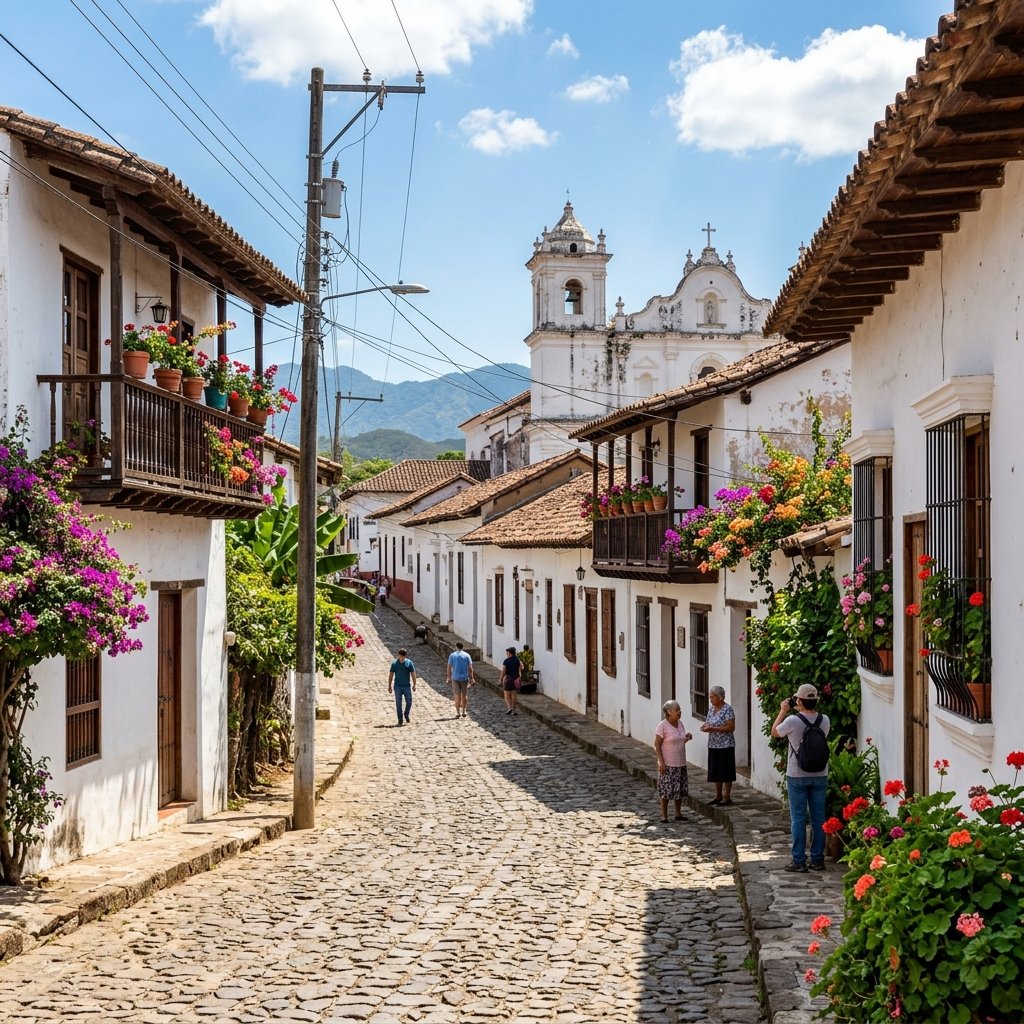
El Salvador, a volcanic jewel in Central America, is undergoing a massive transformation. From the legendary surf breaks of El Zonte to the colonial architecture of Suchitoto, it has become one of the most talked-about destinations in the region. However, while the country is modernizing rapidly—even adopting Bitcoin as legal tender—international travelers often face unexpected practical challenges. Navigating airport taxis, handling local currency, and setting up reliable mobile data require knowing a few specific rules that are rarely shared in official brochures.
Factual Proof: US Dollar and Bitcoin Beach Realities
Under the Monetary Integration Law of 2001, the official currency of El Salvador is the US Dollar ($ USD). In 2021, Bitcoin (BTC) was also declared legal tender. However, visitors expecting a completely digital, card-based, or cryptocurrency-only economy will be disappointed. Small pupuserías, taxi drivers, and local buses do not accept credit cards or Bitcoin, making physical cash in small bills ($1, $5, and $10) a absolute necessity for daily transactions. ATMs are widely available but charge out-of-network fees ranging from $4 to $6 per withdrawal.
Arriving at Comalapa International (SAL): Deciphering official white cabs and Uber pick-up lanes
Upon landing at El Salvador International Airport Saint Óscar Arnulfo Romero y Galdámez (SAL), located about 40 kilometers south of San Salvador, your first challenge is securing transportation to the city. The most straightforward option is the official airport taxi cooperative. These white cabs charge a flat, regulated rate of $30 to $40 to most zones in San Salvador, and you must pay the driver in physical USD cash. Always confirm the price before getting in, or pay at the official taxi counter inside the terminal.
If you prefer using ridesharing apps, Uber is active in San Salvador. An Uber ride from the airport to the city center typically costs between $18 and $25, offering a significant discount compared to standard taxis. However, there is a catch: the local taxi cooperative actively blocks Uber drivers from picking up passengers at the arrivals curb. To meet your Uber driver, you will need to walk past the arrivals exit and head up to the departures level (Departures/Salidas) or walk over to the main airport parking lot. Coordinate with your driver via the app chat to avoid police fines or driver cancellations.
Why small US dollar bills and cash rules dominate El Salvador (and the Bitcoin/Chivo Wallet reality)
While the Chivo Wallet app and Bitcoin signs are visible throughout the country, cash remains the absolute ruler of Salvadoran commerce. Credit and debit cards are standard in San Salvador’s shopping malls, chain hotels, and upscale restaurants in San Benito. However, if you are purchasing street-side pupusas, buying fresh fruit at local markets, or paying for bus fare, cards and Bitcoin are completely useless. Always keep a stack of small US Dollar bills ($1, $5, and $10) handy. Tendering a $50 or $100 bill at a small shop is a recipe for refusal; vendors rarely have enough change, and counterfeit bills are a major concern, leading to intense scrutiny of large bills.
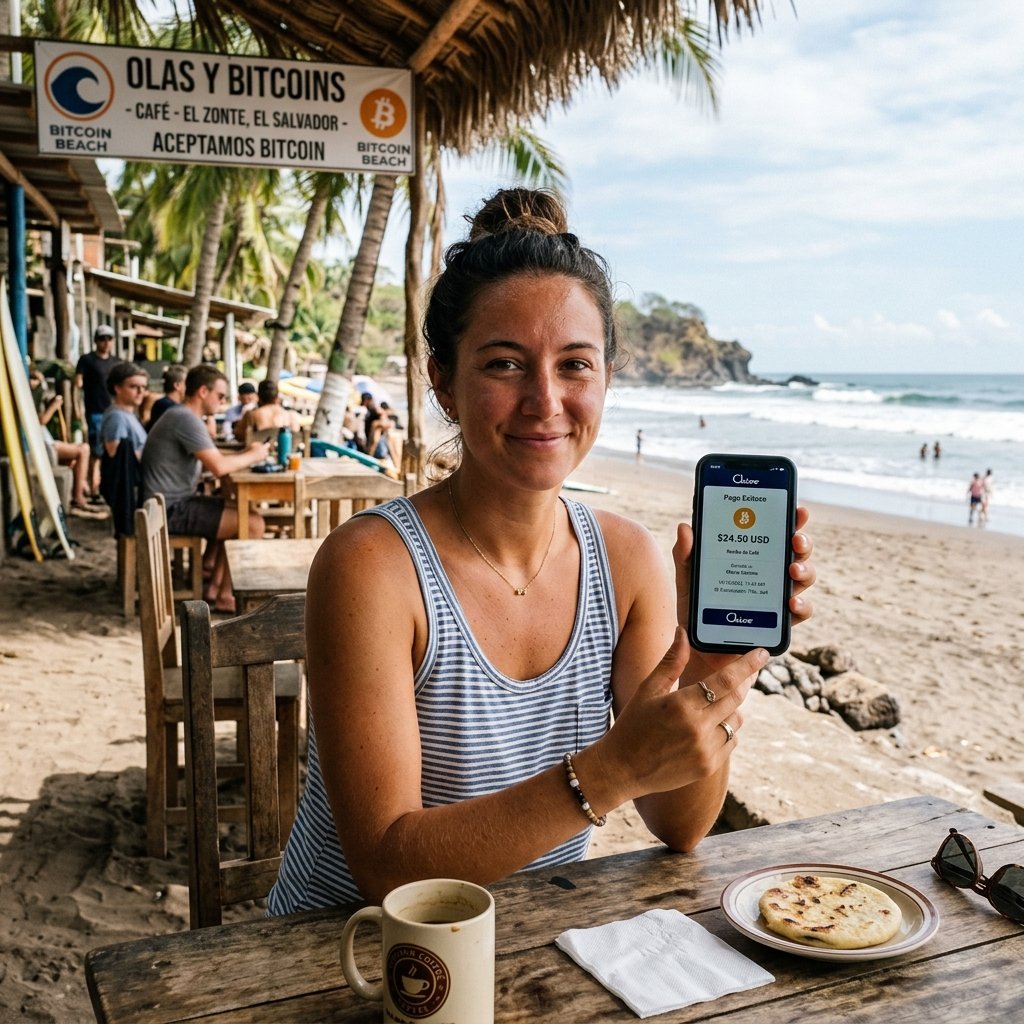
Bitcoin is widely accepted in specific tourist enclaves, most notably in El Zonte, branded globally as “Bitcoin Beach.” Here, you can pay for hotels, surf lessons, and local meals using Bitcoin lighting networks. Outside of these coastal tourist bubbles, however, local merchants might have the Chivo terminal but often experience connectivity issues, app crashes, or simply prefer USD cash. Do not count on Bitcoin as your primary funding source; treat it as an interesting experimental payment option and keep physical cash as your backup.
“Don’t rely on Bitcoin for everything. While it’s legal tender, small pupuserías and bus drivers only take physical cash (US Dollars). Always keep a stack of $1, $5, and $10 bills. If you try to pay a $2 bus fare with a $50 bill, you will be rejected.” — r/elsalvador traveler tip
Exploring San Salvador: Public colorful buses and local payment minimums
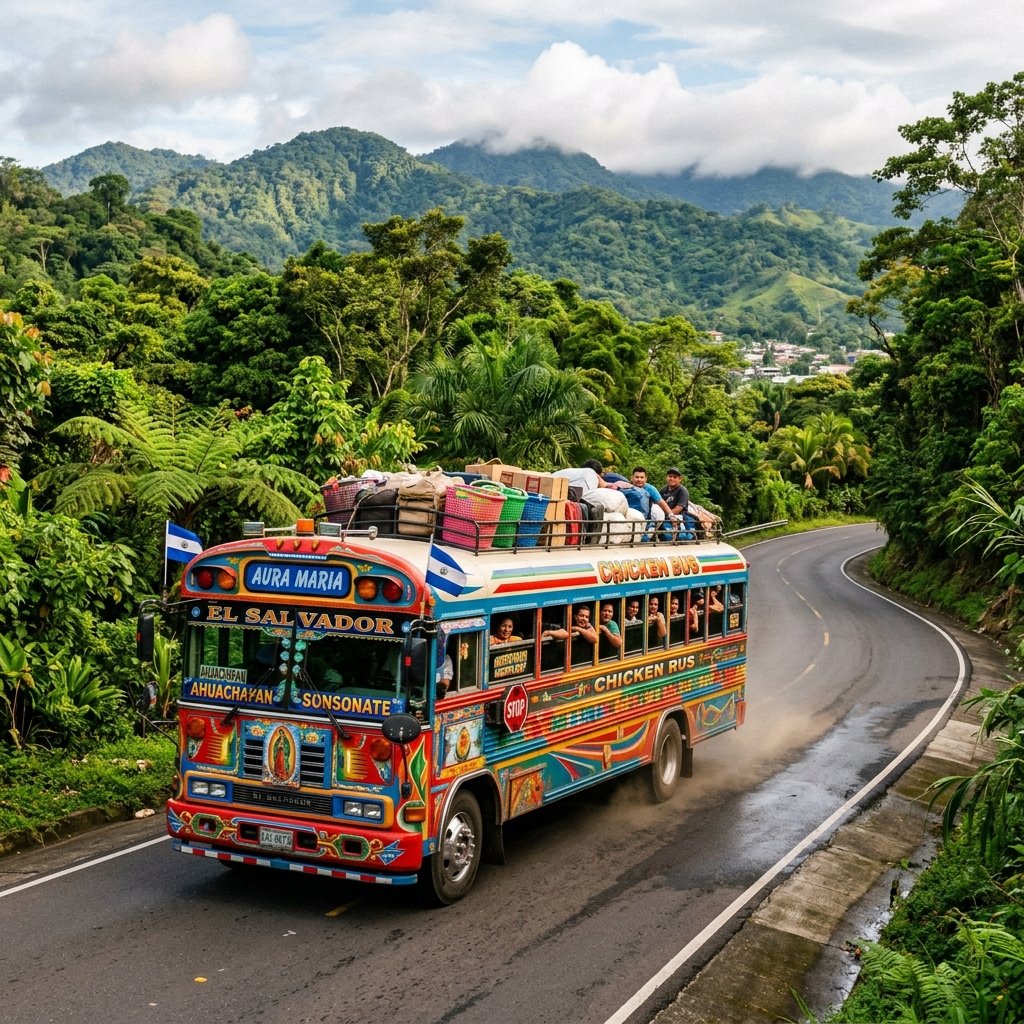
San Salvador’s colorful public buses (known locally as “chicken buses”) are an adventure in themselves. Charging between $0.25 and $0.50, they are incredibly cheap but often crowded, noisy, and fast-paced. You must pay the driver or conductor in exact coins or small bills. These buses do not accept cards, apps, or Bitcoin, and drivers will not make change for large bills.
For mobile connectivity, the local market is dominated by Tigo El Salvador and Claro El Salvador. Tigo offers the widest overall coverage, particularly if you plan to explore rural mountain paths or remote beaches in the east. Claro provides high-speed LTE and 5G networks in urban zones and the main tourist corridors. Buying a local prepaid SIM card requires visiting a brand store with your physical passport, waiting in line, and registering your identity under local telecom laws.
A TravelyData eSIM simplifies your trip by activating instantly when your plane lands. It automatically hooks into the strongest signal between Tigo and Claro, giving you seamless, uninterrupted internet access as you travel between San Salvador, the beaches of La Libertad, and neighboring countries. If you are planning a broader Central American journey, your connectivity remains seamless as you cross borders to explore the colorful volcanic hikes of Guatemala, cross the CA-4 transit zone into Honduras, or travel south to navigate the cashless transit rules of Nicaragua. Make sure to review our global eSIM Destinations Hub to secure data packages for your entire Central American itinerary.
Pupusa etiquette and Salvadoran tavern dining: Eating with your hands like a local
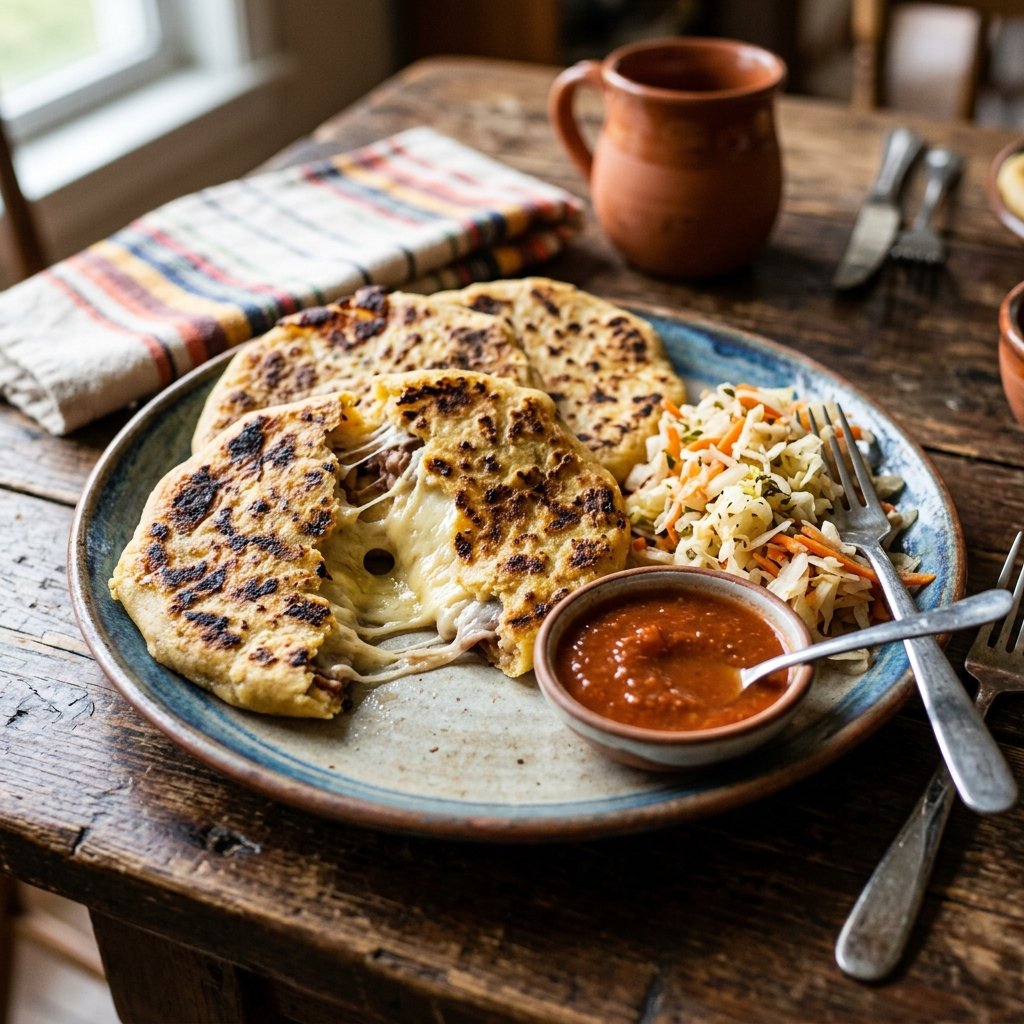
Dining in El Salvador is a highlight of any trip, and you cannot leave without visiting a local pupusería. Pupusas are thick, hand-patted corn or rice tortillas stuffed with cheese (queso), refried beans (frijoles), or ground pork (chicharrón). There is one cardinal rule of pupusa etiquette: **never eat them with a fork and knife**. Locals eat pupusas exclusively with their hands, tearing off a piece, adding a pinch of *curtido* (pickled cabbage relish) and a splash of tomato salsa, and eating it. Using utensils is considered an immediate giveaway that you are a tourist and is met with polite amusement.
When dining at sit-down restaurants or local taverns, a 10% service charge (listed on the menu or bill as *propina*) is commonly added to the total. Always check your bill carefully before leaving an extra tip to avoid double-tipping the waitstaff. In smaller, informal pupuserías and market stalls, tipping is not expected, but leaving small USD coins is appreciated for friendly service.
How do I get from El Salvador Airport (SAL) to San Salvador?
Official airport taxis cost a flat $30–$40 cash to the city. Uber is cheaper at $18–$25, but you must head up to the departures level or main parking lot to meet your driver, as they are blocked from the arrivals curb by the taxi cooperative.
Can I pay for everything with Bitcoin in El Salvador?
No. While Bitcoin is legal tender, cash (US Dollars) is required for public transport, street food, and tipping. Bitcoin is accepted in coastal surf zones like El Zonte (Bitcoin Beach), but cash is king elsewhere.
Which mobile network is best in El Salvador?
Tigo offers the widest overall coverage, particularly in rural and coastal areas, while Claro provides high speeds in cities. A TravelyData eSIM automatically switches between Tigo and Claro for the best possible network connection.
 El Salvador eSim