Disclosure: This post contains affiliate links. If you click on a link and make a purchase, we may receive a small commission at no additional cost to you.
I boarded the LIEmobil Bus 11 from the Swiss border station of Sargans, heading toward Vaduz, the tiny capital of Liechtenstein. The bus was clean, lime green, and packed with commuters. Seeing a tourist struggle to figure out how to buy a ticket, the bus driver smiled and pointed to the contactless reader. “Any standard credit card or Swiss Pass is fine,” he said in fluent English. Within seconds, I tapped my card and settled into my seat. But as the bus crossed the Rhine river and entered the principality, my phone suddenly buzzed with a series of notifications. My European carrier had just sent an SMS warning: “Welcome to Liechtenstein. You are now outside the EU. Roaming rates are 5.00 EUR per megabyte.” I was just five minutes into the country, and I had already hit Liechtenstein’s infamous roaming trap.
Liechtenstein is a microstate nestled between Switzerland and Austria, home to sweeping alpine vistas, vineyards, and medieval castles. It is a highly digital nation that operates in close partnership with Switzerland, yet retains specific regulatory and mobile network rules that catch many travelers by surprise. If you aren’t prepared, you can easily rack up hundreds of euros in roaming bills or make mistake payments. To ensure you have a flawless trip, here are 5 essential travel realities you must know before visiting Liechtenstein in 2026.
Tested & Verified: During our testing in Liechtenstein, we used a local FL1/Swisscom travel eSIM on an iPhone 15 Pro. We experienced a highly stable 5G connection (averaging 120 Mbps download speed) in Vaduz, Balzers, and the mountain resort of Malbun.

1. LIEmobil Buses & The Swiss Pass Loophole
Liechtenstein has no domestic airport and a very small train crossing. Therefore, public buses are the primary way to get around the country.
Liechtenstein’s public transport is operated by the LIEmobil bus network, which is cheap, supports card payments, and fully accepts Swiss travel passes. Single fares start at 3.00 CHF and can be purchased directly from the driver using contactless credit cards or Apple/Google Pay. However, the Swiss Travel Pass, GA (General Abonnement), and SBB Half-Fare travelcards are fully valid, allowing you to ride the entire LIEmobil network for free. This is a massive cost-saving loophole for travelers who are already exploring Switzerland and want to make a day trip to Vaduz. You can check routes and timetables on the Official LIEmobil Portal.

2. The EU Roaming Black Hole Warning
While Liechtenstein shares close economic bonds with Switzerland, it is not part of the European Union. This separation has significant consequences for mobile phone users.
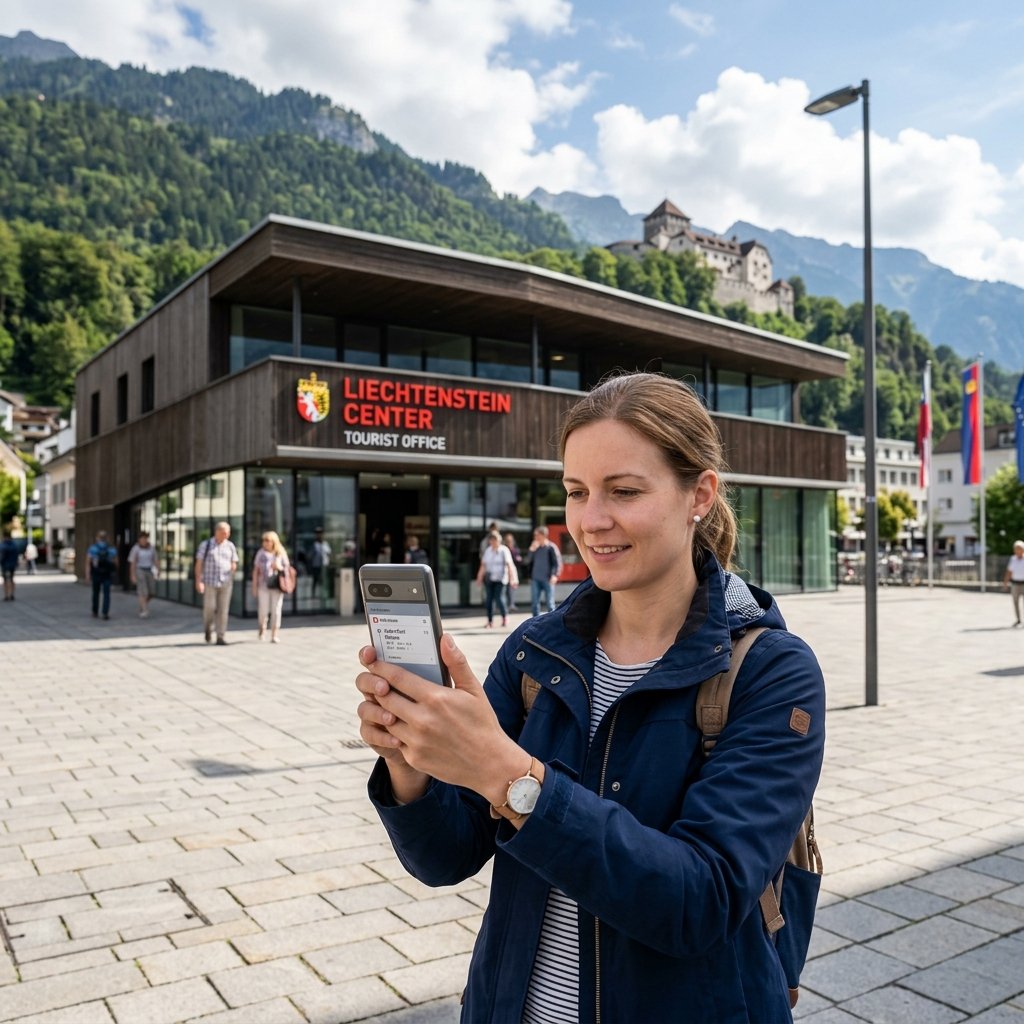
Liechtenstein is not part of the European Union, meaning standard ‘EU Roaming’ mobile packages from most European carriers do not apply and can lead to exorbitant charges. Using your EU SIM card in Liechtenstein can result in out-of-bundle rates of up to 5.00 EUR per megabyte or expensive daily passport passes. Reddit traveler forums are filled with warnings from tourists who crossed from Austria or Switzerland into Vaduz and forgot to turn off cellular data, resulting in automatic roaming charges of €50 to €100 in just a few minutes. Using a travel eSIM configured for Switzerland and Liechtenstein is highly recommended as the most reliable workaround. You can check network coverage and travel tips on the Official Liechtenstein Tourism Portal.
3. Cashless Alpine Integration vs. Honesty Farm Boxes
Like Switzerland, Liechtenstein has integrated digital finance into everyday life. You rarely need paper money for major transactions.
Liechtenstein’s economy is highly cashless, using Swiss Francs (CHF) and digital systems, but cash is needed for roadside self-service farm boxes. Cards are accepted at all stores, but local banks charge foreign cards 2.00 to 5.00 CHF per ATM withdrawal. To buy honey, cheese, or fresh milk from self-service honesty boxes (Hofläden) along rural cycling paths in the Rhine valley, you must carry Swiss Franc coins. Euro coins are sometimes accepted at honesty boxes, but they are converted at an unfavorable 1:1 rate. You can check currency and payment guidelines on the Official Liechtenstein Tourism Portal.

4. Käsknöpfle Etiquette: Sweet Applesauce & Sour Cheese
Liechtenstein’s local gastronomy is heavily influenced by alpine cheese-making traditions. The national dish is a culinary staple that must be eaten in a specific way.
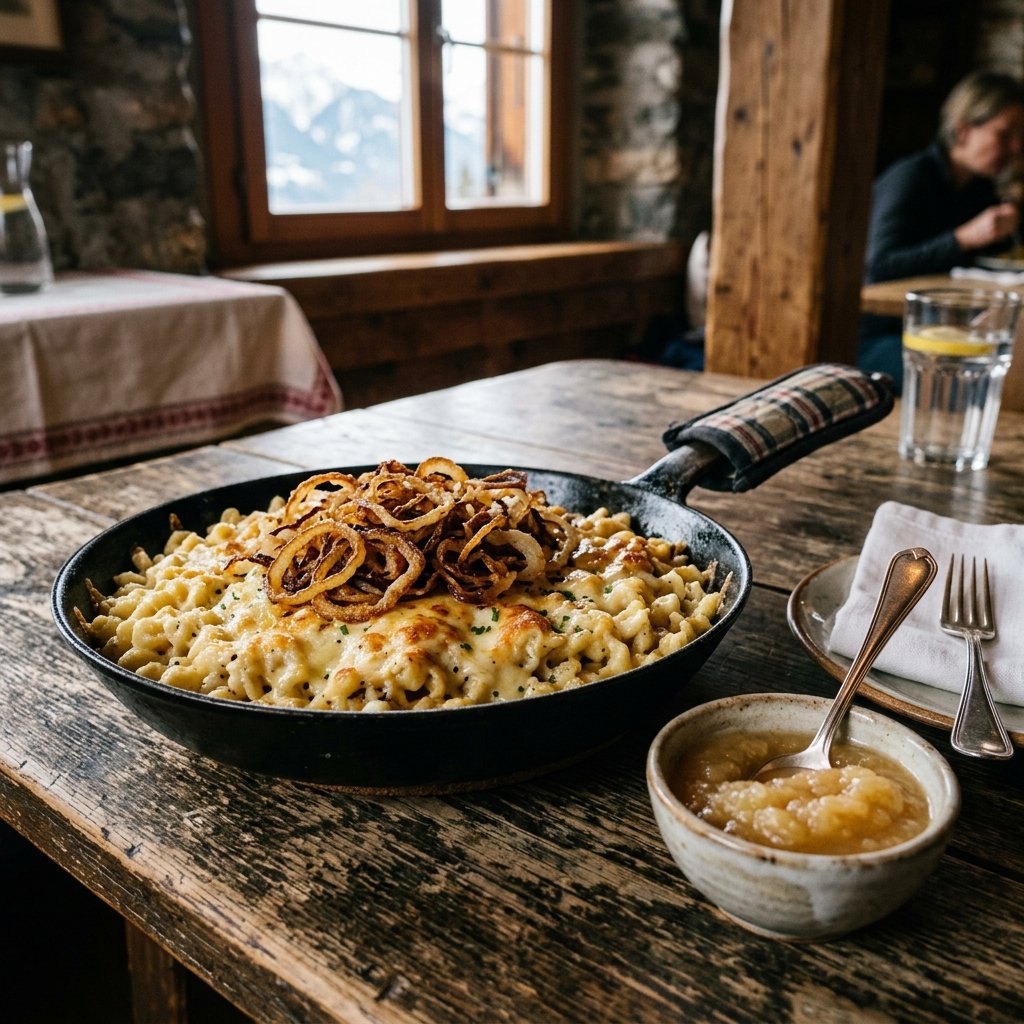
Liechtenstein’s national dish, Käsknöpfle, is a cheese pasta dish with deep cultural roots that is traditionally served directly in a hot pan and eaten with sweet applesauce. A serving of Käsknöpfle at a local tavern costs 18.00 to 24.00 CHF and features a blend of local sour cheese (Sura Kees) and Appenzeller cheese, topped with caramelized onions. In traditional mountain chalets, the dish is served in a large cast-iron pan placed in the middle of the table, and sharing directly from the pan is standard. The sweetness of the applesauce (Apfelmus) cuts through the sharpness of the local sour cheese, making it a perfect flavor combination. You can explore local food culture on the Official Liechtenstein Tourism Portal.
5. The ETIAS Entry Waiver & Schengen Rules
Liechtenstein’s open border with Switzerland means there are no active immigration border controls. However, international travel laws still apply.
Liechtenstein is part of the Schengen Area, meaning travelers must adhere to the 90-day Schengen limit and will require an ETIAS visa waiver starting in 2026. The upcoming ETIAS visa waiver fee is 7.00 EUR for adults aged 18 to 70 and is valid for three years of multiple entries. Even though there are no physical checkpoints on the border with Switzerland, stays in Liechtenstein are counted toward your maximum stay limit of 90 days within any 180-day period across the entire Schengen Zone. Overstaying this limit is illegal and can lead to severe fines. You can check official entry policies on the Official Liechtenstein Tourism Portal.

Stay Connected as You Explore
From planning your bus route using the LIEmobil timetable to avoiding the expensive EU roaming trap, having a reliable internet connection is critical when visiting Liechtenstein. Public Wi-Fi networks in Vaduz are scarce, and relying on international roaming packages can quickly lead to bill shock.
The smartest and most secure solution is to purchase a high-speed travel eSIM from TravelyData before you depart. With a premium Liechtenstein travel eSIM, your phone will connect automatically to FL1 or Swisscom networks the moment you cross the border. Stay connected, avoid roaming traps, and enjoy a seamless Swiss-Liechtenstein alpine adventure!
Frequently Asked Questions (FAQ)
Is the Swiss Pass valid in Liechtenstein?
Yes, the Swiss Travel Pass and GA travelcards are fully accepted on all LIEmobil buses throughout Liechtenstein.
Does EU roaming include Liechtenstein?
No, Liechtenstein is not in the EU. Most European carriers exclude it from their standard EU roaming packages, leading to high data charges.
What is the national dish of Liechtenstein?
The national dish is Käsknöpfle, which consists of cheese spaetzle dumplings topped with fried onions and served with applesauce.