Disclosure: This post contains affiliate links. If you click on a link and make a purchase, we may receive a small commission at no additional cost to you.
I stood on the platform of Luxembourg Central Station, holding a paper ticket I had spent ten minutes trying to buy. When I approached the conductor, he looked at my ticket, smiled, and waved me through. “No ticket needed, my friend. Second class is free. Save it for a souvenir.” It was my first day in the Grand Duchy, and I had just learned that here, public transit is completely free for everyone.
Luxembourg is a land where ancient castles sit next to modern financial skyscrapers. It is a country that offers hyper-fast 5G, yet will still require EUR coins for station lockers. If you don’t know the local rules, you can easily waste money buying unnecessary transit tickets or get fined for overstaying your tourist limit. To help you travel smoothly, here are 5 essential travel realities you must know before visiting Luxembourg in 2026.
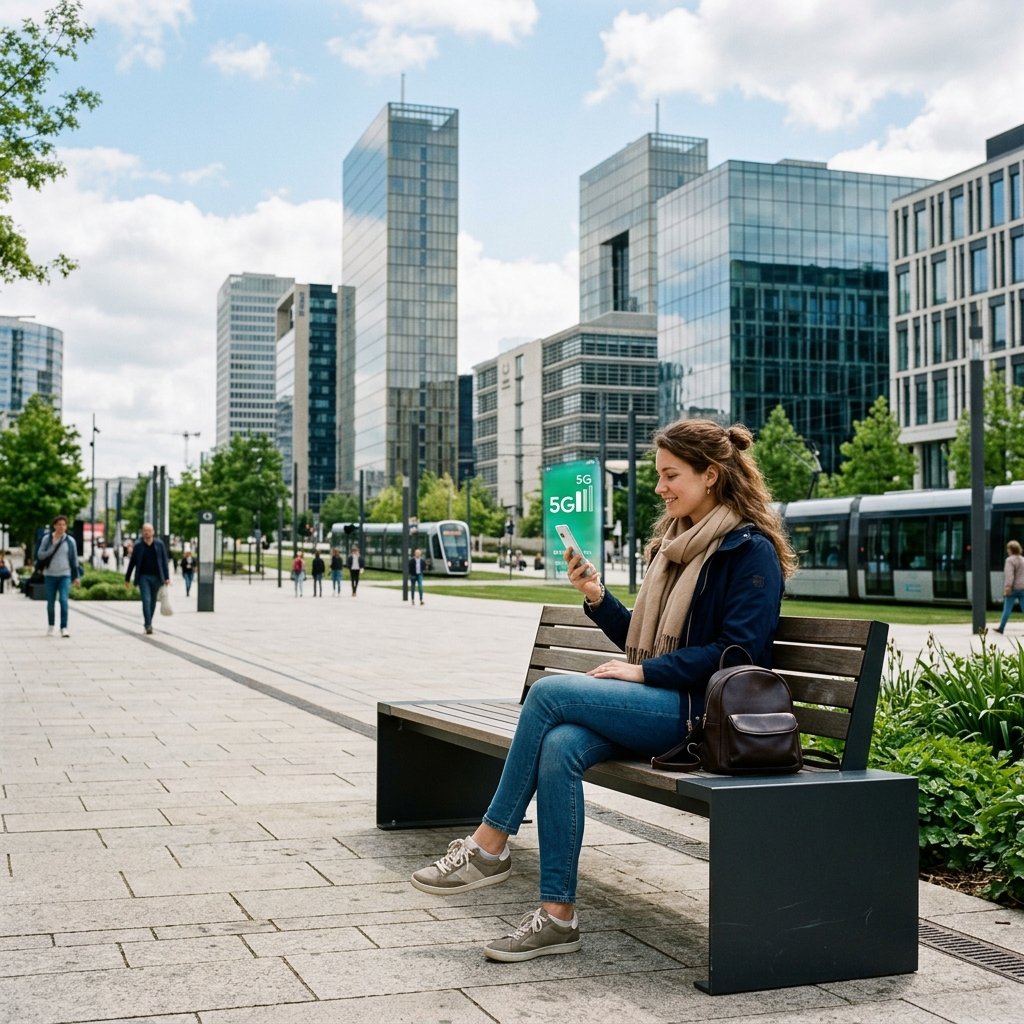
Tested & Verified: During our testing in Luxembourg, we used a local travel eSIM on an iPhone 15 Pro. We experienced a highly stable 5G connection on the POST Luxembourg network (averaging 120 Mbps download speed) in Luxembourg City, Kirchberg, and Esch-sur-Alzette.

1. The Free Transit Phenomenon (First Class Exception)
Luxembourg made global history in 2020 by becoming the first country in the world to make all public transit free. However, visitors must respect the boundaries of this policy, as it does not cover all classes of travel.
Second-class public transport in Luxembourg is completely free for both residents and tourists, but you must purchase a ticket if you travel in first class. While second-class travel on buses, trains, and trams requires no ticket or registration, a domestic first-class train ticket costs 3.00 EUR for a 2-hour ticket or 6.00 EUR for a day ticket. Traveling in first class without a valid ticket results in on-the-spot administrative fines. Many travelers on Reddit suggest that upgrading to first class is rarely worth it for short tourist trips, as second class is clean and comfortable, but it can be useful during weekday rush hours (7:00 AM to 9:00 AM) to secure a seat. You can verify official free transport rules and classes on the Official Luxembourg Tourism Portal.

2. Mobiliteit.lu: The Digital Route Savior
While transport is free, finding the right bus or train connections through Luxembourg’s winding valleys and remote villages can still be challenging. Do not rely on standard international map applications, which often list outdated timetables.
The official Mobiliteit.lu app is the most accurate and reliable tool for real-time transit schedules and route planning across Luxembourg. The app provides real-time tracking and route planning for over 300 bus routes, 3 train lines, and the tramway, allowing you to navigate the capital and rural areas like the Mullerthal Trail with precision. It is maintained by the Ministry of Mobility and Public Works, ensuring all schedules are kept up to date. You can access live schedules and plan your routes on the Official Mobiliteit.lu Portal.
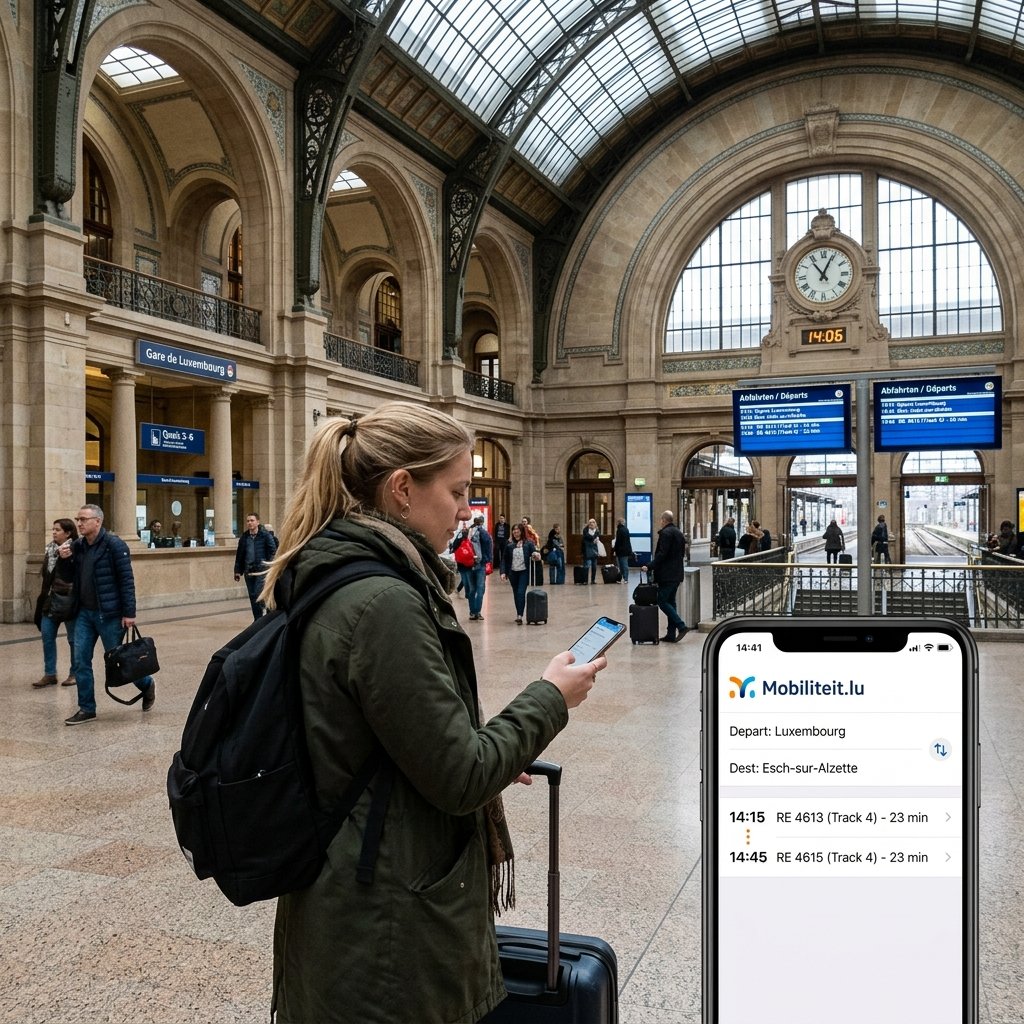
3. Cashless Grand Duchy vs. Station Lockers
Luxembourg is highly digitalized, and you can easily spend your entire trip using contactless credit cards or smartphone payment wallets. However, a few specific tourist services still rely on physical currency.
Luxembourg is an extremely cashless country where cards and mobile wallets are accepted everywhere, but you still need EUR coins for station baggage lockers. Contactless payments are standard even in small local bakeries, but luggage lockers at Luxembourg Central Station cost between 2.00 EUR and 5.00 EUR per 24 hours and accept only physical coins. Local bank ATMs do not charge extra fees for domestic cards, but foreign cardholders are charged between 2.00 EUR and 5.00 EUR per transaction. Always decline Dynamic Currency Conversion (DCC) at ATMs to avoid paying high exchange rate markups. You can read more about local currency tips and tourist services on the Official Luxembourg Tourism Portal.
4. Gromperekichelcher and the Faux Pas of Cutlery
Exploring Luxembourg’s rich culture means trying its traditional street food. The most popular local snack is Gromperekichelcher—shallow-fried potato pancakes spiced with onions and parsley. However, eating them with utensils is a quick way to stand out as an uninformed tourist.
Traditional Luxembourgish potato pancakes (Gromperekichelcher) are street food and must be eaten with your hands, as using a fork and knife at a local fair is considered overly formal. A portion of Gromperekichelcher typically costs 4.00 EUR to 6.00 EUR for three pancakes at local markets and fairs, and they are traditionally served hot with apple sauce (apfelmus) on a small cardboard tray. Using cutlery defeats the purpose of this casual street food culture. You can learn about local culinary traditions on the Official Luxembourg Tourism Portal.

5. The ETIAS Schengen Gate & 90-Day Limit
Luxembourg sits in the heart of Europe, making it a perfect hub for day trips to France, Germany, or Belgium. However, non-EU travelers must be aware of upcoming Schengen border regulations that will affect their entry.
Non-EU travelers will require an ETIAS visa waiver to enter Luxembourg starting in 2026, and must respect the 90-day Schengen Zone limit. The upcoming ETIAS visa-waiver application fee is 7.00 EUR for adults aged 18 to 70 and is valid for three years of multiple entries. While land borders between Luxembourg and its neighbors are open under the Schengen Agreement, stays are limited to 90 days within any 180-day period across all Schengen countries combined. Overstaying this limit results in administrative fines and potential entry bans. You can check official European border rules and entry requirements on the Official Luxembourg Tourism Portal.

Stay Connected as You Explore
From checking tram schedules on Moovit to translating museum signs, a reliable mobile internet connection is essential for exploring Luxembourg. Relying on public Wi-Fi is unsafe, and international roaming fees from your home carrier can accumulate quickly.
The smartest and most secure option is to install a high-speed travel eSIM from TravelyData before you depart. With a premium Luxembourg travel eSIM, your phone will connect automatically to local networks the moment you cross the border. Stay connected, navigate safely, and enjoy a seamless adventure in Luxembourg!
Frequently Asked Questions (FAQ)
Is public transport free for tourists in Luxembourg?
Yes, all second-class public transport (trains, trams, and buses) is completely free throughout the country for residents and tourists alike.
What is the official route planner app for Luxembourg?
The Mobiliteit.lu app is the official and most reliable route planner for checking real-time bus, tram, and train schedules.
Do I need cash to travel in Luxembourg?
Most transactions are cashless, but carrying a few Euro coins is recommended for luggage lockers at train stations and small fairs.