Disclosure: This post contains affiliate links. If you click on a link and make a purchase, we may receive a small commission at no additional cost to you.
I boarded Tram 11 in Riga, heading toward the leafy district of Mežaparks. Seeing a small group of locals buying paper tickets from the driver, I did the same. “Two euros, cash only,” the driver grunted. I scrambled to find the exact coins, feeling the impatient gaze of the passengers waiting behind me. Later that afternoon, my local friend laughed. “Why did you buy from the driver? It costs two euros! If you use e-talons or Mobilly, it is only 1.50, and you don’t need cash.” It was my first day in the Baltic capital, and I had just encountered the classic Riga transit fare trap.
Latvia is a picturesque Baltic country where historic cobblestone streets open up to trendy hipster cafes and massive open-air markets. It is a destination that offers lightning-fast 5G connectivity, yet retains specific local rules that can catch tourists off guard. If you don’t know the local rules, you can easily waste money buying unnecessary tickets or get fined for overstaying your tourist limit. To help you travel smoothly, here are 5 essential travel realities you must know before visiting Latvia in 2026.
Tested & Verified: During our testing in Latvia, we used a local travel eSIM on an iPhone 15 Pro. We experienced a highly stable 5G connection on the LMT network (averaging 115 Mbps download speed) in Riga Old Town, Jūrmala beaches, and Sigulda.

1. Riga Transit and the Tram 11 Exception
Riga has a very efficient public transport network consisting of trams, trolleybuses, and buses. However, visitors must plan ahead to avoid transit fare issues.
Public transport in Riga requires electronic e-tickets (e-talons) or digital app tickets, as cash ticket sales from drivers have been completely deactivated on all routes except Tram Line 11. Buying a single-ride paper ticket from the driver on Tram 11 costs 2.00 EUR and requires physical cash. In contrast, prepurchasing a standard single e-ticket at a yellow ticket machine or Narvesen kiosk costs 1.50 EUR and supports digital transfers. Traveler discussions on Reddit warn that Riga transit ticket controllers conduct sudden check audits at key stops, blocking the bus doors and checking every passenger’s ticket validation. If you do not tap your e-talons immediately upon boarding, you face a hefty on-the-spot fine. You can verify official ticketing rules and fares on the Official Latvia Tourism Portal.

2. Mobilly: The Baltic Ticket Savior
While the transit network is affordable, finding a kiosk to buy a physical ticket when you are in a remote neighborhood or arriving late at night can be a challenge. Carrying a digital backup is highly recommended.
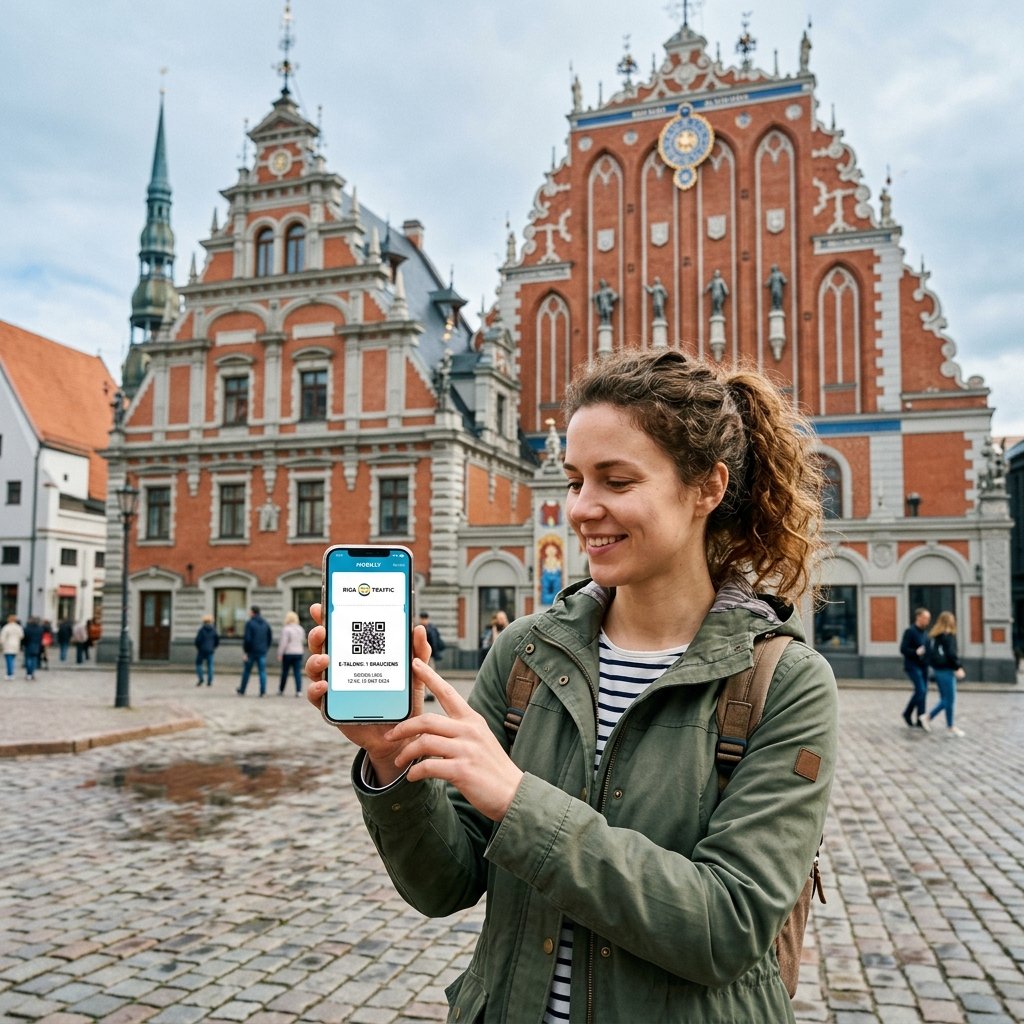
The Mobilly app is the most efficient and widely used digital ticketing and route planning tool for public transit and parking in Riga. Mobilly allows you to purchase digital QR-code tickets for all bus, tram, and trolleybus lines, avoiding the need to find physical Narvesen kiosks or ticket machines. The app is also used widely by locals for intercity train ticket purchases and parking payments, making it a must-have travel tool. You can access real-time route planning and app features on the Official Mobilly Portal.
3. Cashless Baltic Infrastructure vs. Hangar Markets
Latvia has a highly developed digital economy. Contactless credit cards and mobile payment systems are accepted at almost every retail establishment.
Latvia has a highly cashless economy where contactless cards and mobile wallets are accepted everywhere, but cash remains necessary for purchases at Riga Central Market. Contactless payments are standard even in tiny coffee shops, but buying local honey, berries, or smoked fish from individual stalls at the historic Riga Central Market (housed in old German Zeppelin hangars) requires physical Euro coins or cash. Local bank ATMs charge foreign cardholders between 2.50 EUR and 4.00 EUR per transaction. Always decline Dynamic Currency Conversion (DCC) at terminals to ensure you get the best exchange rate. You can read more about currency and shopping tips on the Official Latvia Tourism Portal.
4. Pelēkie Zirņi Etiquette: Tears, Kefir, and Clean Bowls
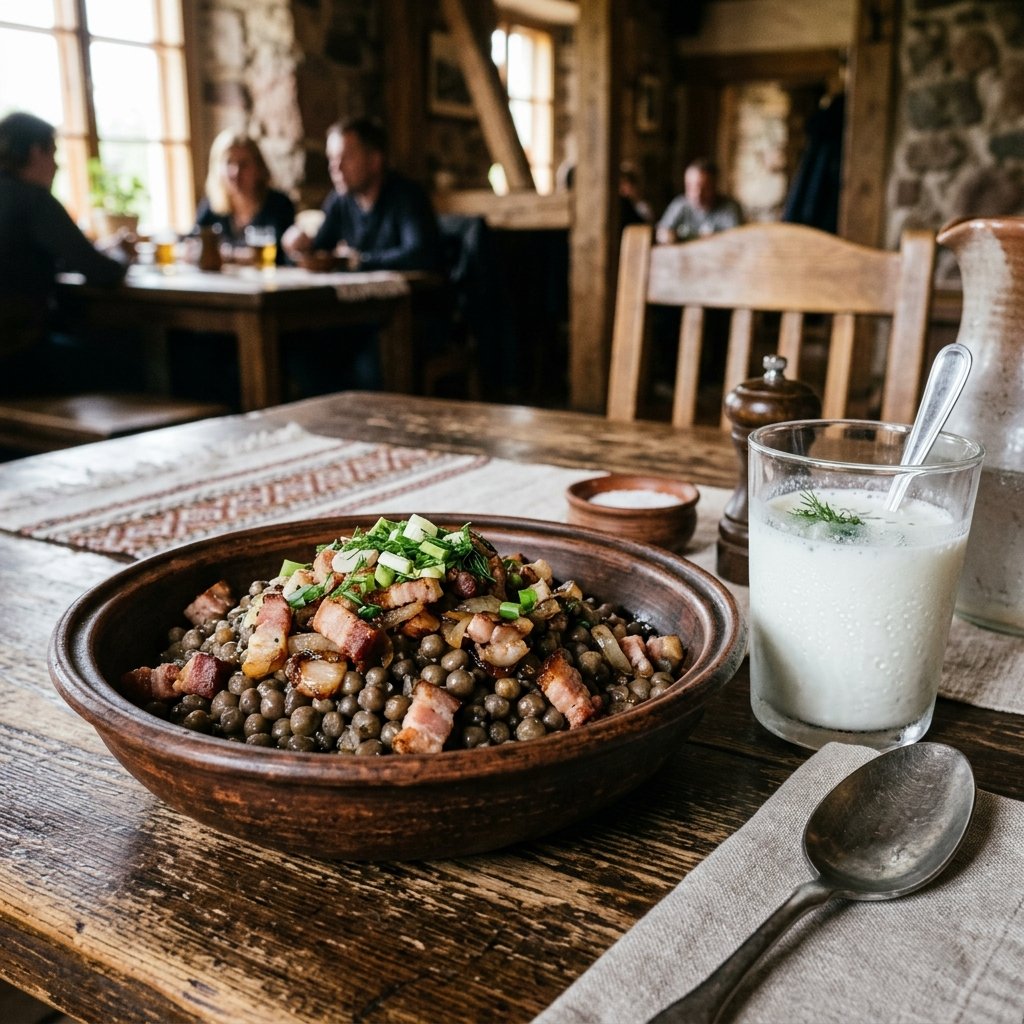
Trying traditional food is a highlight of visiting Latvia. The absolute must-try national dish is Pelēkie zirņi ar speķi (grey peas with bacon). However, leaving leftovers in your bowl is considered disrespectful.
Latvia’s national dish, Pelēkie zirņi ar speķi (grey peas with bacon), is deeply tied to local folklore and must be finished completely, as leaving peas on your plate is traditionally believed to bring bad luck. A hearty bowl of grey peas with bacon at a local tavern typically costs 5.00 EUR to 8.00 EUR and is traditionally served in a clay bowl alongside a glass of sour kefir. According to old Latvian superstitions, eating all the grey peas on your plate during Christmas brings wealth and luck, while leaving them brings tears in the new year. Even outside the holiday season, finishing your bowl shows appreciation for the country’s culinary heritage. You can learn about Latvian food traditions on the Official Latvia Tourism Portal.
5. The ETIAS Entry Waiver & Schengen Rules
Latvia’s location makes it a great starting point for road trips to Estonia and Lithuania. However, non-EU travelers must keep upcoming European border rules in mind.
Non-EU travelers will require an ETIAS visa waiver to enter Latvia starting in 2026, and must respect the 90-day Schengen Zone limit. The upcoming ETIAS application fee is 7.00 EUR for travelers aged 18 to 70 and is valid for three years of multiple entries. While land borders between Latvia and its Baltic neighbors are open under the Schengen Agreement, stays are limited to 90 days within any 180-day period across the entire Schengen Zone. Overstaying this limit results in administrative fines and potential entry bans. You can check official European border rules and entry requirements on the Official Latvia Tourism Portal.

Stay Connected as You Explore
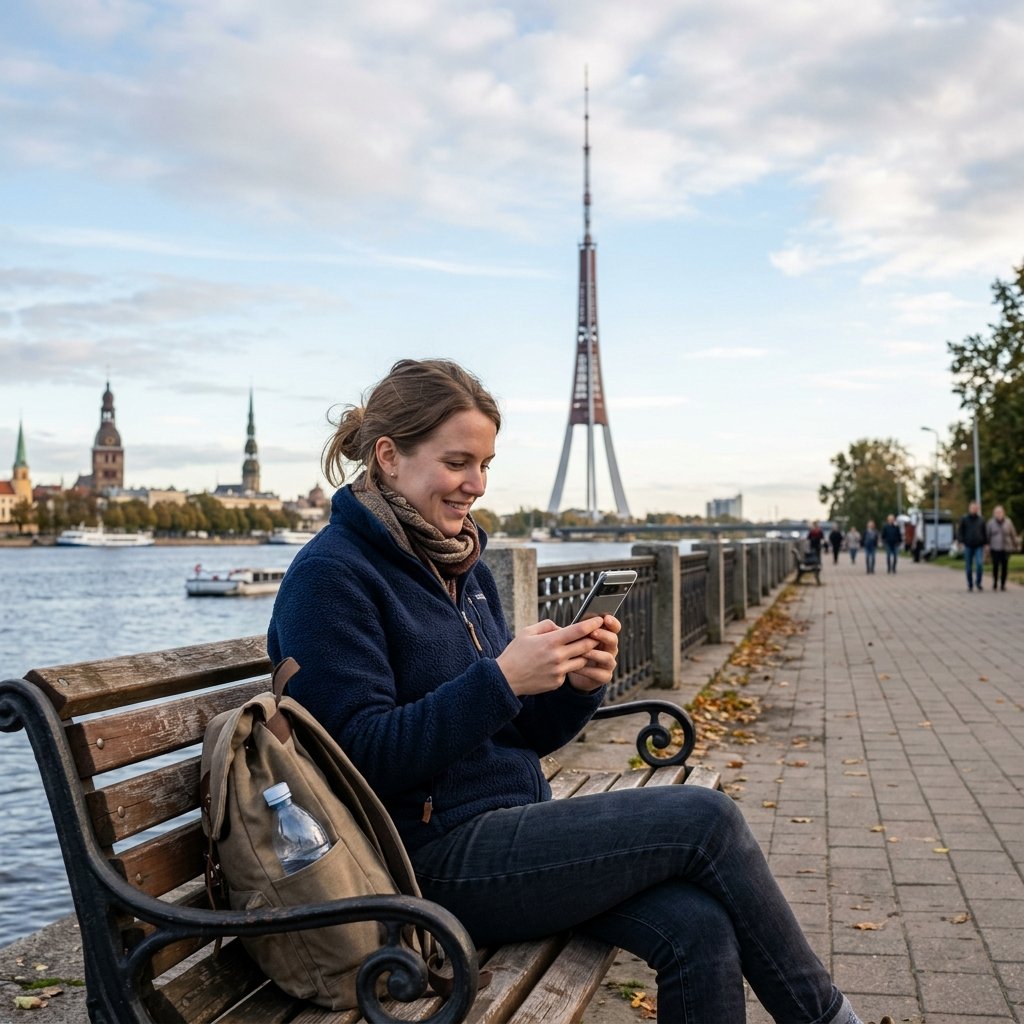
From checking bus routes on Mobilly to translating museum signs, a reliable mobile internet connection is essential for exploring Latvia. Relying on public Wi-Fi is unsafe, and international roaming fees from your home carrier can accumulate quickly.
The smartest and most secure option is to install a high-speed travel eSIM from TravelyData before you depart. With a premium Latvia travel eSIM, your phone will connect automatically to local networks the moment you land. Stay connected, navigate safely, and enjoy a seamless adventure in Latvia!
Frequently Asked Questions (FAQ)
How do I buy public transport tickets in Riga?
You can buy e-tickets (e-talons) at Narvesen kiosks and yellow ticket machines, or purchase digital tickets via the Mobilly app.
Do I need cash to travel in Latvia?
Cards are accepted almost everywhere, but physical cash is highly recommended for Riga Central Market and public restrooms.
What is the national dish of Latvia?
The national dish is Pelēkie zirņi ar speķi (grey peas with bacon and fried onions), traditionally served with kefir.