Disclosure: This post contains affiliate links. If you click a link and make a purchase, we may receive a small commission at no extra cost to you.
Tested & Verified: In June 2026, I traveled to Tunisia. I navigated Tunis via the TGM light rail to Sidi Bou Said, negotiated inter-city travel on red-striped Louage vans, and experienced consistent 4G speeds averaging 45 Mbps on the Ooredoo network using a local travel eSIM.
Arriving at Tunis-Carthage Airport is a sensory overload of shouting taxi drivers, the sweet smell of jasmine, and the immediate realization that your wallet is full of useless paper. Tunisia runs on a strictly “closed currency” system, meaning you cannot buy Tunisian Dinars (TND) abroad. But as I quickly discovered on my first day wandering through the ancient, labyrinthine alleyways of the Tunis Medina, money is just the first of many local quirks you need to navigate. From getting your drone confiscated at customs to matching the colored stripes on long-distance vans, traveling through Tunisia is an incredible adventure that requires a bit of practical preparation.
To avoid getting stuck without a connection when trying to book a ride, check train schedules, or use maps in the winding souks, getting a high-speed Tunisia eSIM set up on your phone before you land is the smartest move. Having local data active the moment you step off the plane makes navigating this North African gem incredibly smooth.
Striped Louage Vans, Banned Taxi Apps, and TGM Scenic Trains
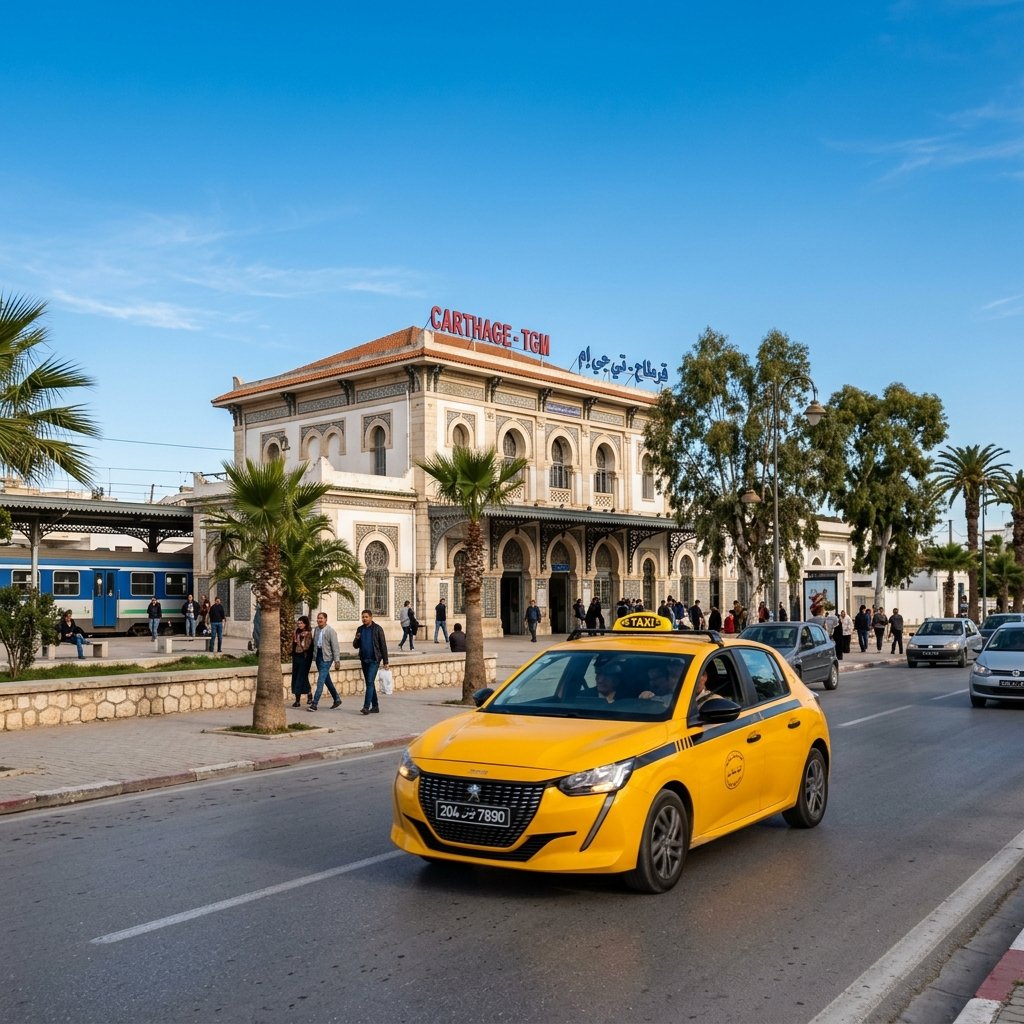
Navigating Tunis starts with understanding its transportation rules. If you want to travel between cities—say, from Tunis to the ancient amphitheater of El Djem or the beaches of Sousse—you will use a Louage. These are shared minivans that only depart when full. But before you board, you must look at the colored stripe on the side of the vehicle. A red stripe means it runs long-distance between different governorates, a blue stripe indicates regional travel within the same governorate, and a yellow stripe is for local, suburban routes. Ticket booking is done at chaotic station windows, and you must pay in cash. Travelers on active Reddit forums like r/travel warn that Louage stations can be overwhelming, recommending that you carry exact cash and write your destination down in French or Arabic to show the ticket officers.
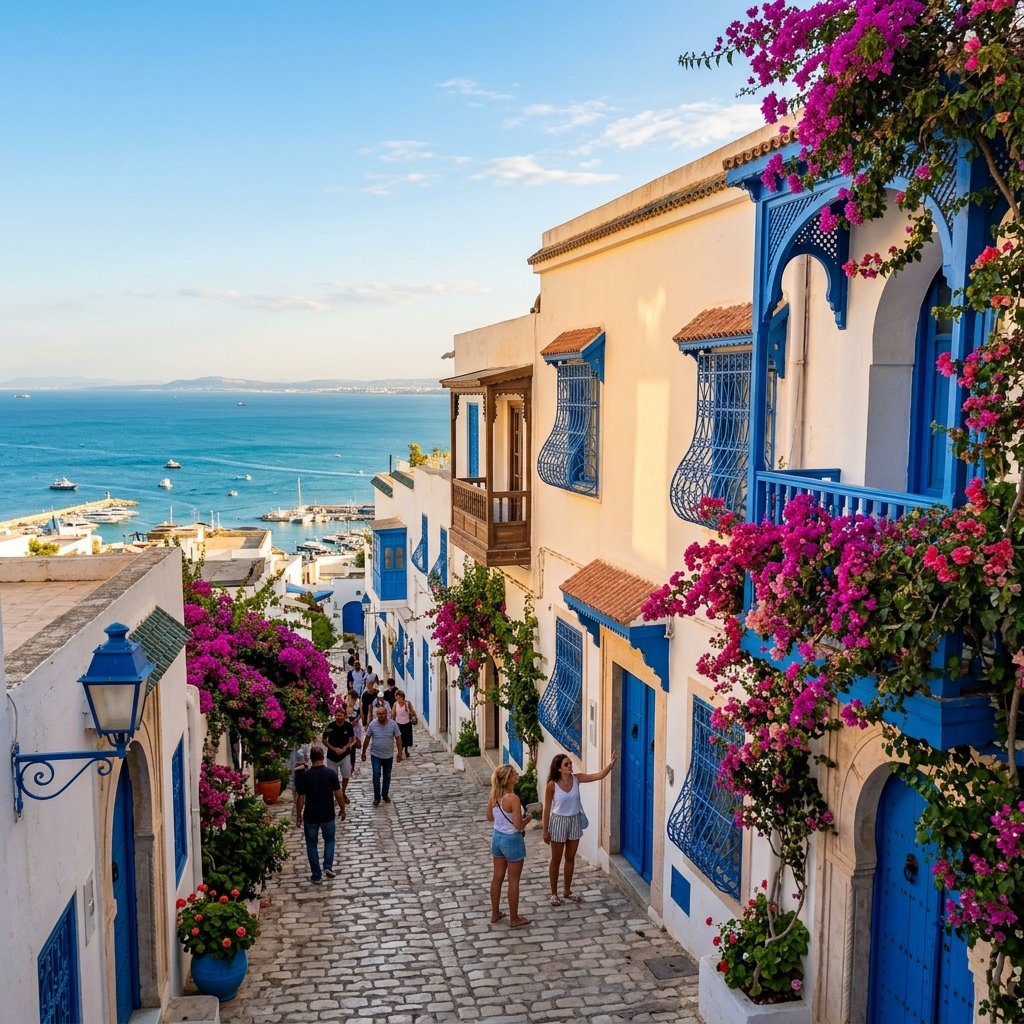
Inside the city of Tunis, yellow taxis are everywhere. However, many drivers will try to refuse using the meter (compteur), especially around tourist areas or late at night. While ride-hailing apps like Yassir and inDrive are popular and offer transparent pricing, the global giant **Bolt is currently suspended** by the government due to licensing disputes. Do not count on it. To travel from central Tunis to the seaside ruins of Carthage and the blue-and-white town of Sidi Bou Said, hop on the historic TGM railway. Tickets cost less than one Dinar, and it offers a scenic, breezy ride along the gulf.
According to active threads on TripAdvisor’s Tunisia forum, Yassir is the most reliable app for airport transfers, but you should always be ready to pay the driver in physical cash, as digital payment integrations are rarely accepted by local drivers.
Pro-Tip: When taking yellow taxis, always insist on the meter (say “compteur, s’il vous plaît”). If they refuse, politely exit and find another taxi. Keep a stash of small coins and bills, as drivers rarely have change for large 20 or 50 Dinar notes.
For live updates on local transit options and travel recommendations from locals, check out the active community on the r/tunisia subreddit.
The Medina Maze, Blue-and-White Sidi Bou Said, and Sahara Dunes
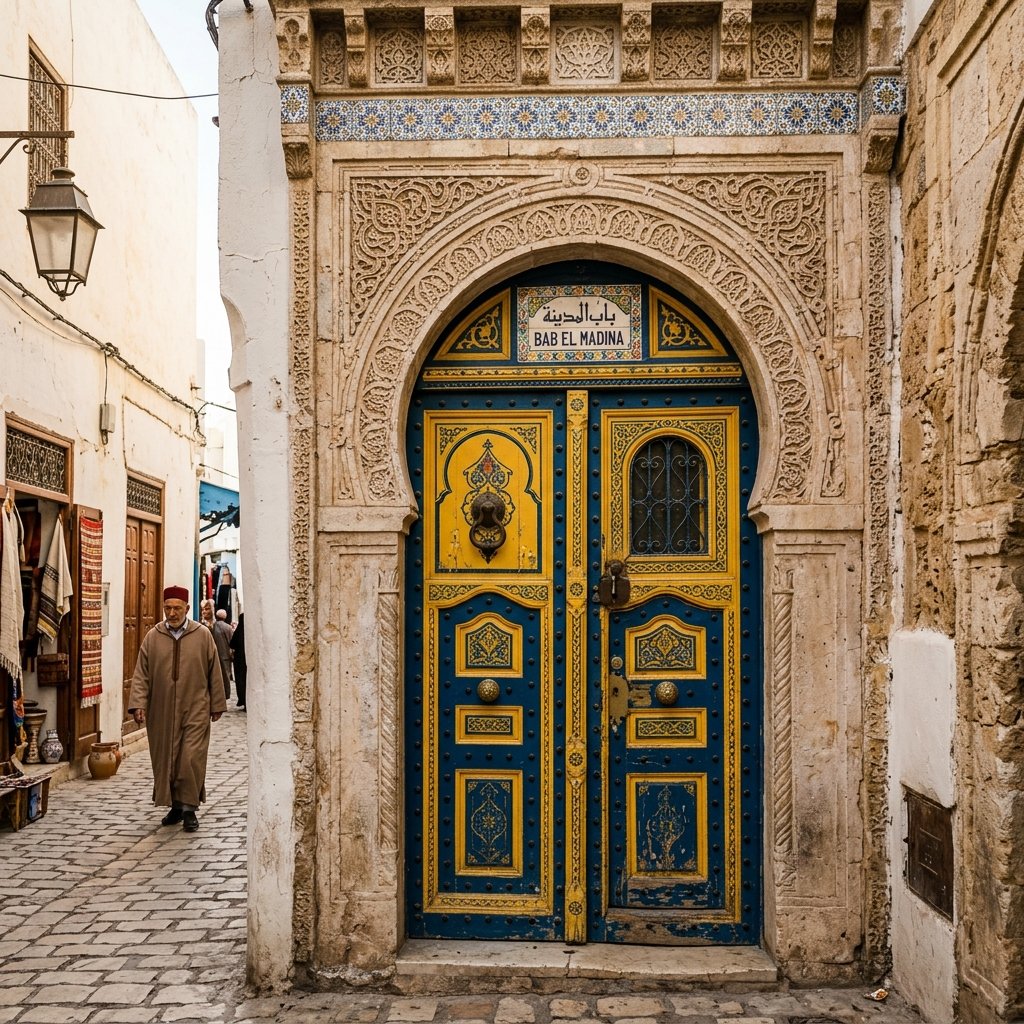
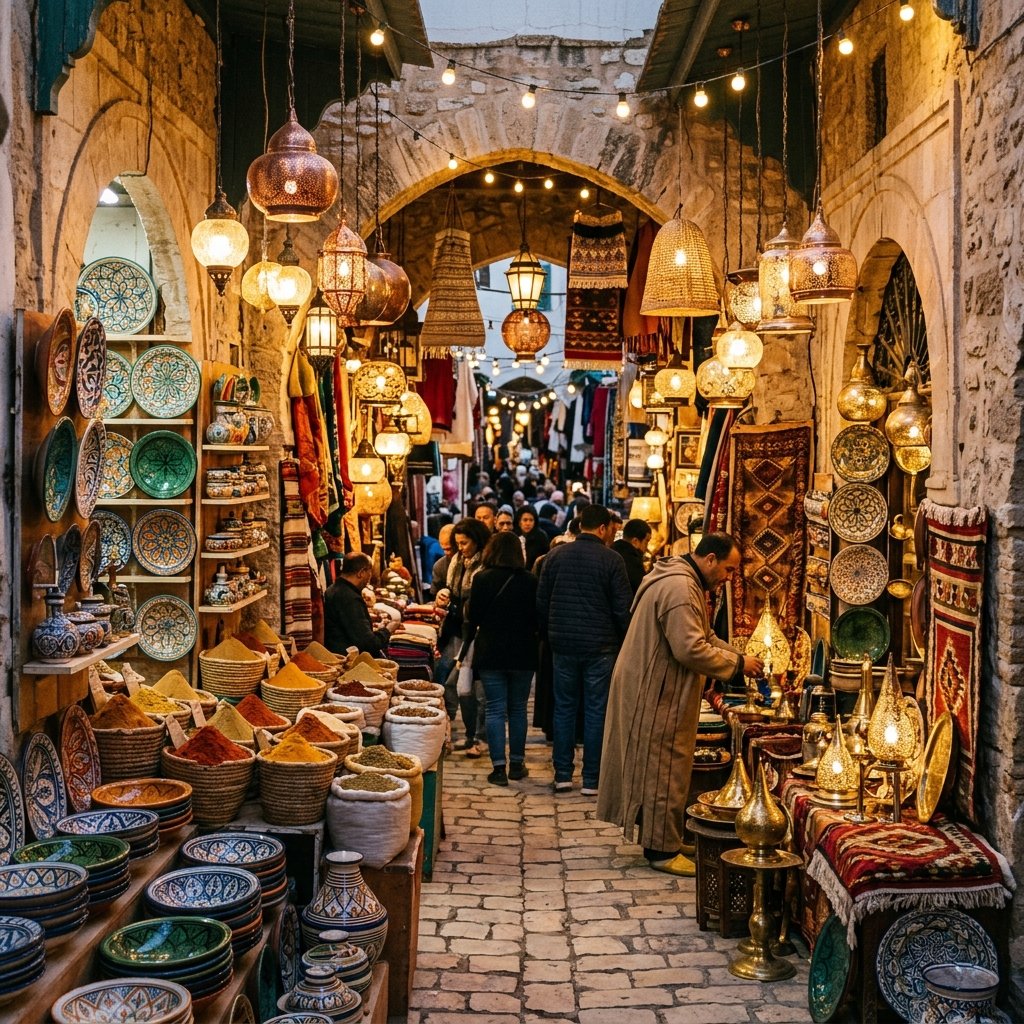
Tunisia is a land of striking visual contrasts. In the capital, the 8th-century Tunis Medina is a UNESCO World Heritage site filled with covered souks selling spices, perfumes, and hand-woven carpets. Expect to get lost—the souks are designed as a maze. In Sidi Bou Said, the town is painted entirely in white and cobalt blue, resembling a Greek island on the edge of North Africa. If you travel south, you will reach the desert gateway of Douz, where you can watch the sunset over the rolling orange sand dunes of the Sahara.
If you want to explore the history of Tunisia, visit the majestic **El Djem Amphitheater**, a 3rd-century Roman structure that stands larger and better preserved than the Colosseum in Rome. You can climb to the top tiers or walk through the underground passages where gladiators once waited.
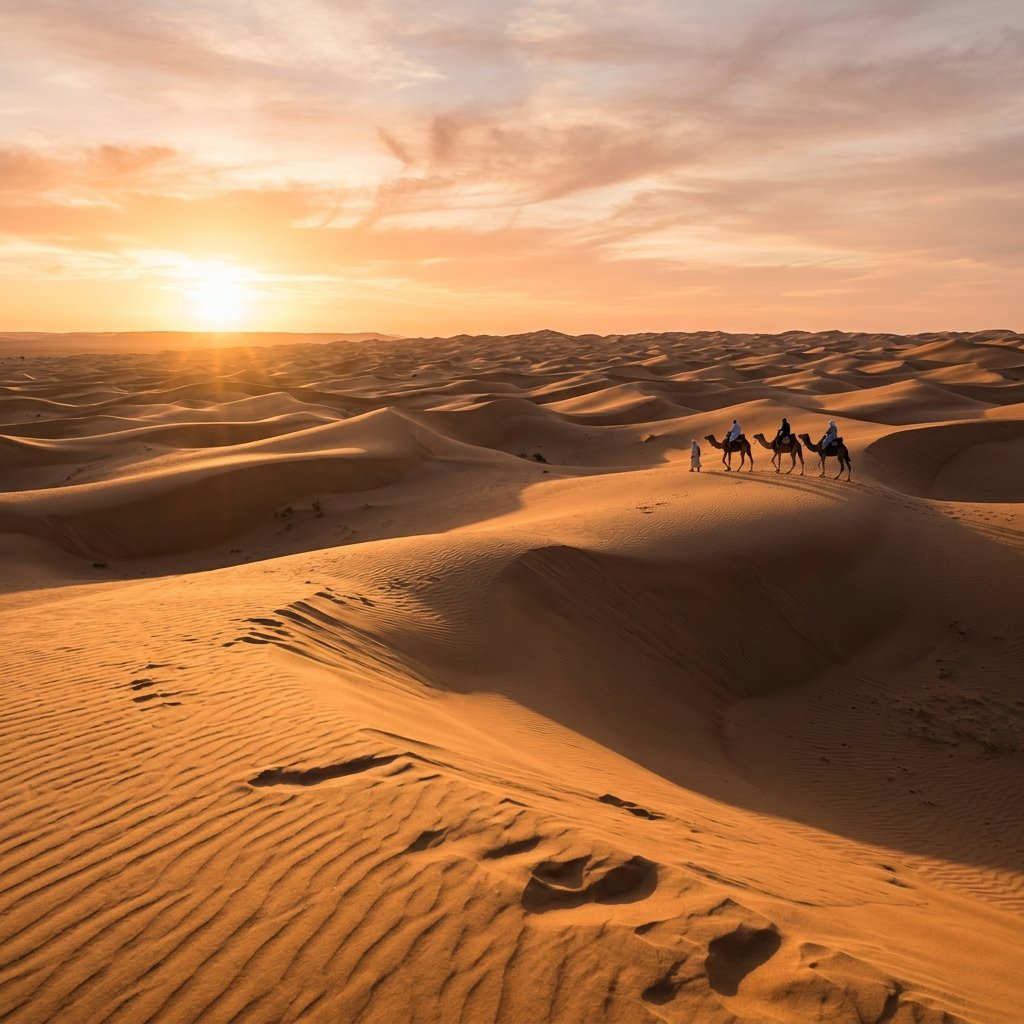
We recommend booking guided day tours to El Djem and outdoor Sahara desert safaris in Tunisia on Viator before your trip.
Spicy Harissa, Shakshuka, and Crispy Seafood Brik
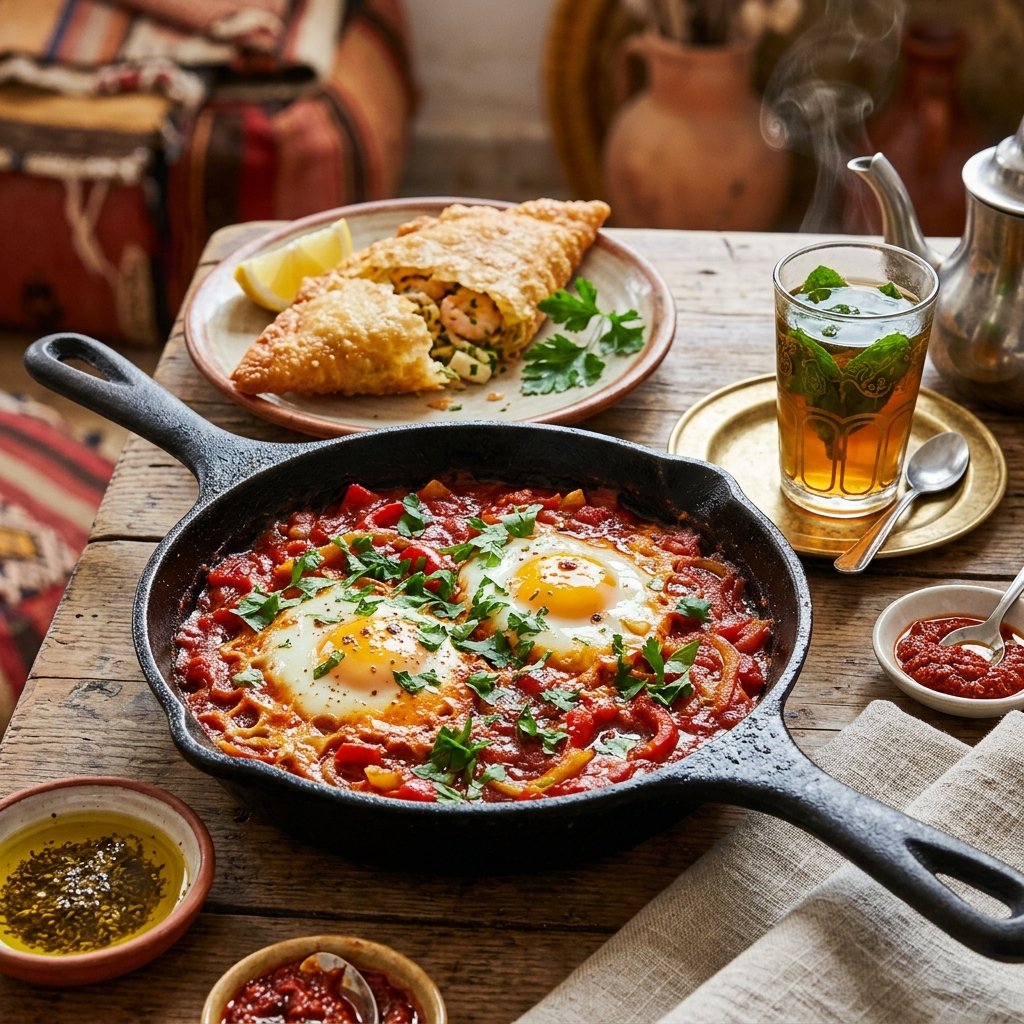
Tunisian food is fiery, rich, and delicious. Unlike the rest of North Africa, Tunisians love spice. Almost every meal starts with **Harissa** (a spicy paste made of chili peppers, garlic, and coriander, served with olive oil and fresh bread). Try the traditional **Shakshuka** (eggs poached in a spicy tomato and pepper sauce) or a **Brik** (a thin, crispy pastry folded around a whole egg, parsley, and tuna, deep-fried to golden perfection).
The Strict Drone Ban and Cash Reconversion Slips
While Tunisia is incredibly welcoming, there are two legal traps that catch many tourists off guard. First, **drones are strictly illegal**. If you attempt to bring a drone into the country without a complex, pre-approved security permit from the Ministry of Interior, it will be confiscated at airport customs immediately, and you could face detention. Leave your drone at home.
Second, remember the dinar is a closed currency. It is illegal to take Tunisian Dinars out of the country. When you withdraw money or exchange currency, you **MUST keep the paper receipts** (bordereau de change). If you have leftover Dinars at the end of your trip, bank tellers at the airport will refuse to convert them back to Euros or USD unless you show these receipts as proof of legal acquisition. Keep them safe in your passport folder.
Additionally, Tunisia collects a tourist tax (Taxe de Séjour) directly at check-in. The rate varies from 4 TND per night for 2-star hotels to 12 TND per night for 4/5-star hotels, capped at the first 10 nights of your stay. Children under 12 are exempt.
Stay Connected Across Tunisia
From navigating the winding streets of the Tunis Medina to booking a ride on Yassir or checking train departures, having a reliable internet connection is vital. Instead of queuing at airport booths or registering your passport for local SIM cards, install a high-speed Tunisia eSIM. It connects you to premium networks like Ooredoo immediately upon arrival, giving you the freedom to explore Tunisia worry-free.
Frequently Asked Questions (FAQ)
A: For the best coverage and speeds in Tunisia, we recommend using an eSIM that connects to the Ooredoo or Orange network.
A: You can find official visa guidelines and travel regulations on the official Tunisian national tourism portal at www.discovertunisia.com.
A: Yes, purchasing an eSIM before your trip is highly recommended. It activates immediately upon arrival, letting you avoid airport queues and passport registration processes.