Winding through the emerald valleys of the Julian Alps, Slovenia feels like a fairy tale, but its modern transit systems and tollways have very real rules that catch travelers off guard. From automated highway cameras to public bus payment restrictions, a few simple navigation quirks can determine whether your trip is a breeze or a series of unexpected fees.
Slovenia Travel Summary: Quick Answer on Rules & Connectivity (2026 Guidelines)
Driving on Slovenia’s highways requires a pre-purchased electronic vignette (e-vinjeta) to avoid automated €300+ fines. LPP city buses accept contactless cards, but only the Urbana card offers free 90-minute transfers. Ensure you have physical cash for the €20 return Lake Bled Pletna boats, and use a multi-carrier eSIM for seamless alpine data.
Slovenia Mobile Network Comparison (2026)
| Carrier / Option | Urban 4G/5G Speeds | Alpine & Rural Coverage | Biometric Status & eSIM Delivery |
|---|---|---|---|
| Telekom Slovenije | Excellent in Cities | Best Coverage in Julian Alps & Gorges | Passport registration required for local prepaid SIMs |
| A1 Slovenija | Very High Speeds | Good Regional Coverage | Passport registration required for local prepaid SIMs |
| Telemach | Solid Urban 5G | Moderate in Mountains | Passport registration required for local prepaid SIMs |
| TravelyData eSIM | Multi-Carrier 4G/5G Network | Seamless Alpine Roaming (Telekom/A1) | Instant Digital Delivery; 0 Passport Registration |
Ljubljana Airport (LJU) Transit Options
| Transport Mode | Price Range | Travel Time | Key Advantage & Booking Tip |
|---|---|---|---|
| Public Bus (Arriva) | €4.10 ($4.50 USD) | 45 – 60 mins | Cheapest; ticket bought on board. Runs hourly. |
| Shared Shuttle (GoOpti) | €10 – €15+ ($11-$17 USD) | 30 – 45 mins | Comfortable, door-to-door. Pre-book online early for best rates. |
| Standard Airport Taxi | €30 – €45+ ($33-$50 USD) | 25 – 35 mins | Fastest; check prices on display and request metered receipt. |

Avoiding Slovenia’s e-Vinjeta Motorway Toll Fines
Driving on Slovenia’s motorways and expressways requires a fully digital e-vinjeta linked to your license plate. Automated ANPR cameras scan vehicles instantly at toll points; entering a toll road without one results in automated fines between €300 and €800.
Under Slovenia’s DARS regulations, e-vignettes are entirely digital and must be purchased before entering motorways. Fines range from €300 to €800, and enforcement officers are legally authorized to seize physical driver’s licenses or ID cards until the fine is paid.
There are no physical vignette stickers or manual toll booths left in Slovenia. The entire motorway network is monitored by high-speed cameras operated by DARS, the national motorway company. You can purchase the e-vinjeta online at the official official Slovenia Tourism Portal linked portals, or physically at Petrol gas stations right before the Austrian, Italian, or Croatian borders.
If you are planning a multi-country road trip, check our neighboring country guides: Austria Vignette Purchase Windows, Italy ZTL Zone Rules, and Croatia Cash-Only Konoba Rules.
Ljubljana Airport Transit: Arriva Public Buses vs. GoOpti Shared Shuttles
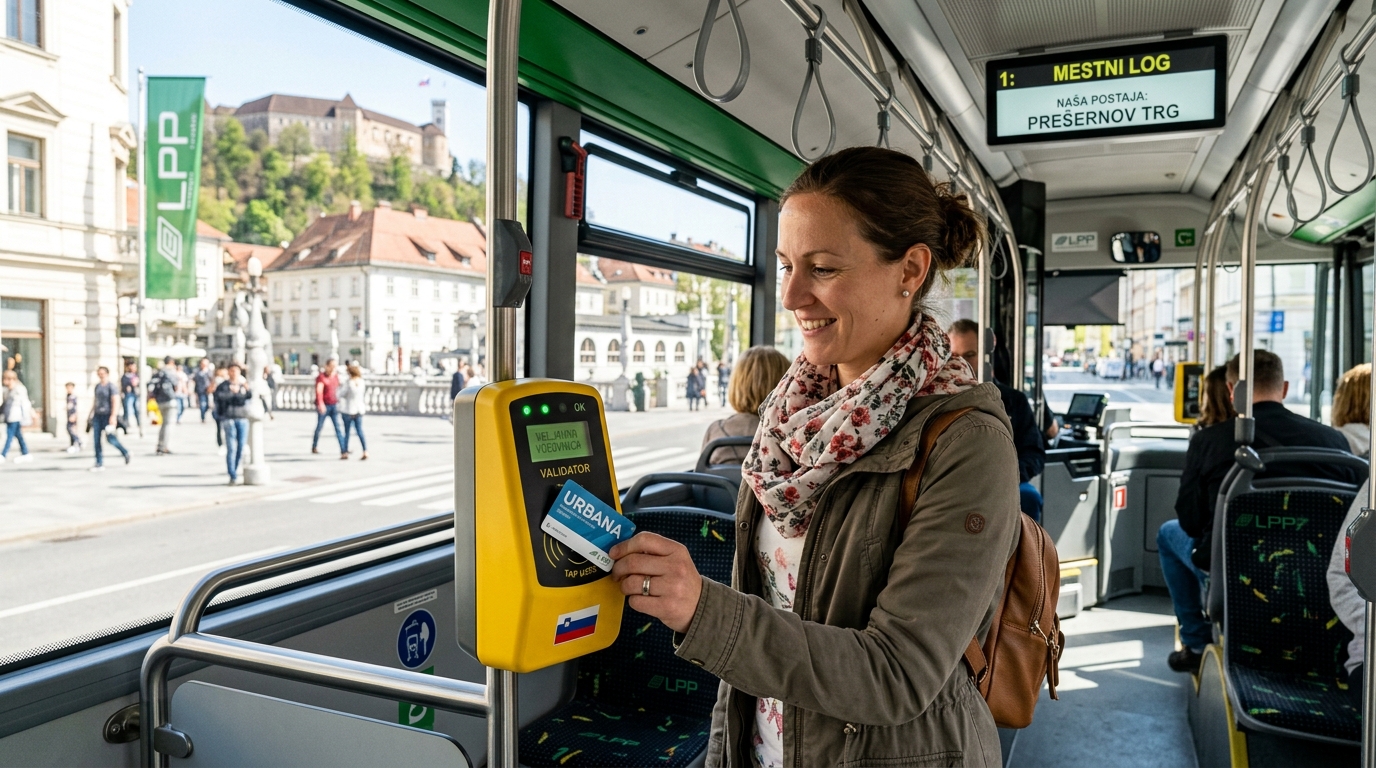
Ljubljana Jože Pučnik Airport (LJU) is located 26 km from the city center. Metered taxis charge €30 to €45+, but travelers can save by taking the hourly Arriva public bus for €4.10 or pre-booking a GoOpti shared shuttle starting at €10 to €15.
Upon landing at LJU airport, ignoring local bus timetables can cost you a hefty taxi surcharge. The most budget-friendly transport is the public bus operated by Arriva, departing from the stop directly outside the arrivals terminal. Tickets cost €4.10 and can be paid with cash or credit card directly to the driver. The ride takes about 45 to 60 minutes to the Ljubljana Central Bus Station.
For door-to-door comfort, shared shuttle services like GoOpti or Nomago offer competitive prices that approach taxi convenience at a fraction of the cost. Pre-booking online is crucial, as last-minute shuttle bookings at airport kiosks are marked up significantly. If you use a metered taxi, always request a receipt and verify that the meter is running to avoid fixed-price tourist surcharges.
Ljubljana City Bus Payment: The Hidden Catch of Contactless Cards on LPP
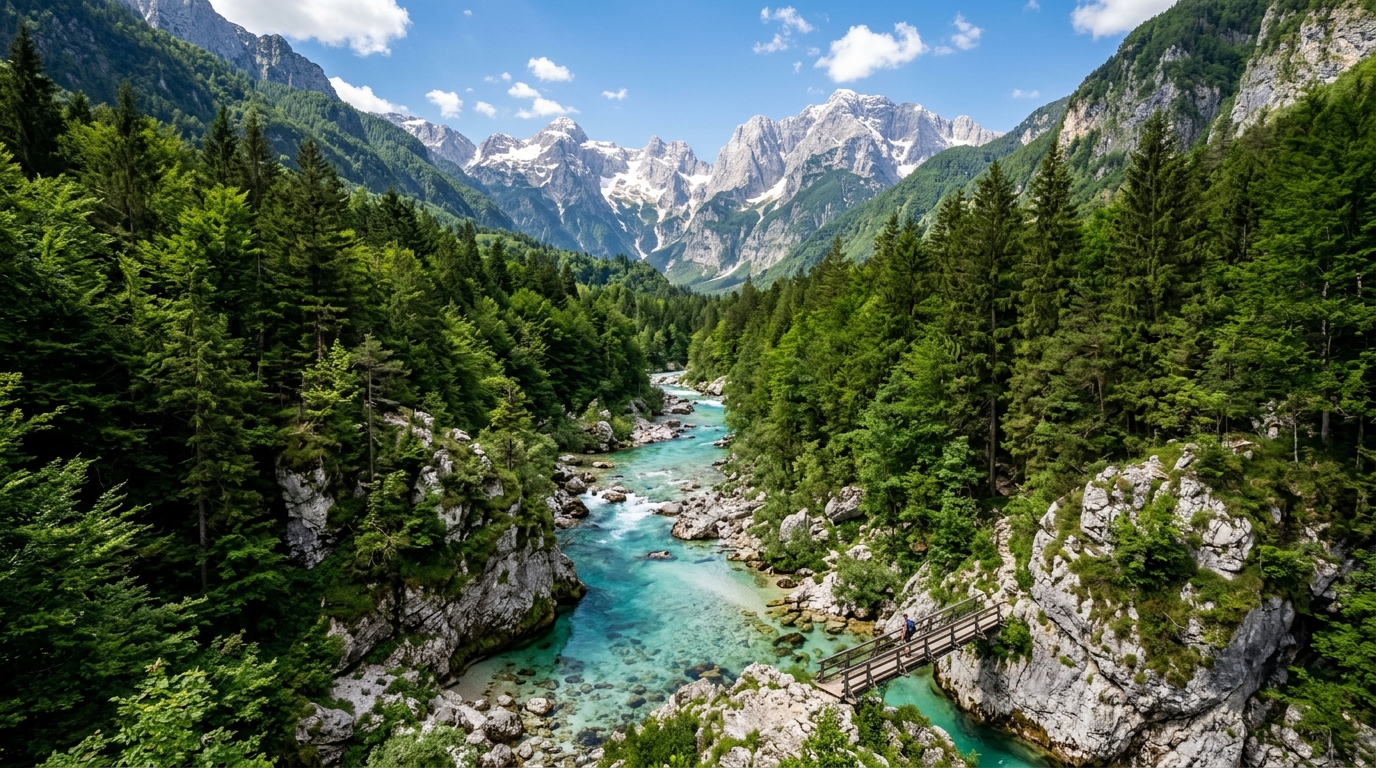
Ljubljana’s LPP city buses accept contactless Visa/Mastercard payments on onboard validators. However, unlike the physical Urbana card or mobile app, contactless credit card taps do not include free 90-minute transfers, meaning each bus transfer incurs a new €1.30 fee.
Ljubljana’s public transport operator, official LPP City Bus Portal, recently upgraded bus validators to accept contactless bank cards and mobile wallets. While this is incredibly convenient for a single trip, you will lose out on free transfers. Tapping your bank card on a second bus within the standard 90-minute window will charge you a second €1.30 fee.
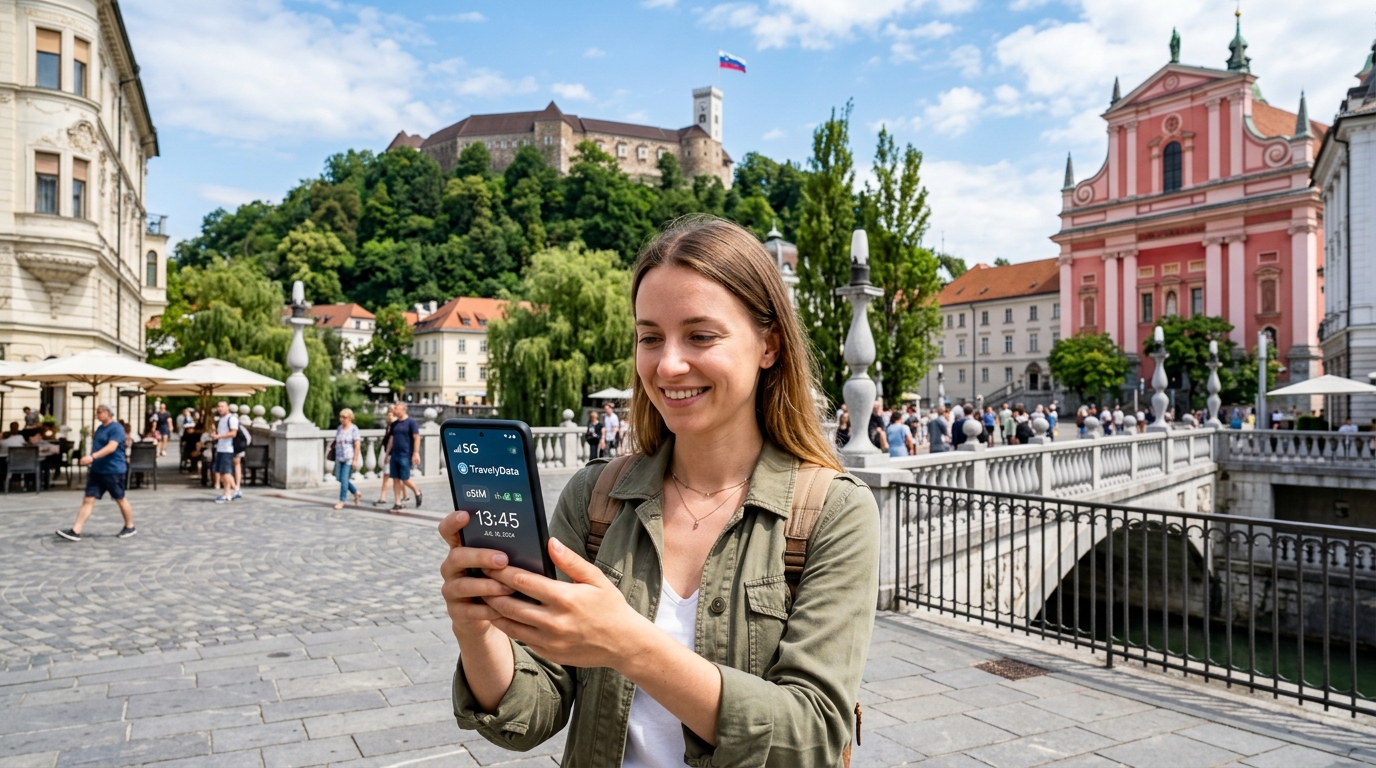
To access free 90-minute transfers across different bus lines, you must purchase a physical yellow Urbana card for €2.00 at kiosks or urban vending machines (Urbanomat) and load it with value, or download the Urbana mobile app. Ensure you keep your phone connected to the internet to use the digital Urbana ticket machine. TravelyData eSIMs connect to A1 and Telekom Slovenije networks instantly, ensuring you can load and scan your digital bus pass without roaming latency.
If you are transiting through other Central European capitals, read our guides on Budapest BKK Transit Scans and Slovakia Tapped Tram Rules.
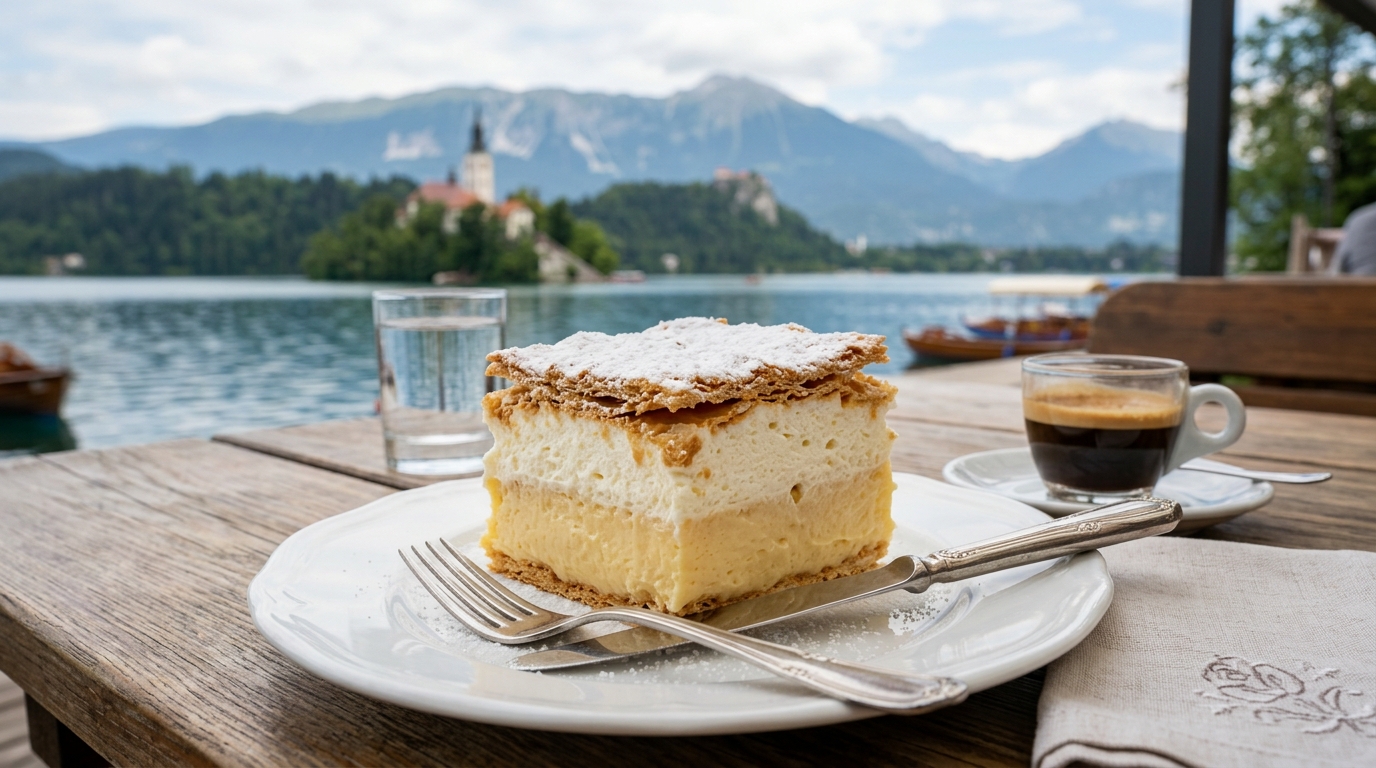
Lake Bled Pletna Boat Trips: Navigating Cash-Only Rules & Alpine Eats
A traditional hand-rowed Pletna boat ride to Bled Island costs €20 per adult (return) and is strictly cash-only. While cafes serving Blejska kremšnita cream cake accept credit cards, cash in Euros is required for the boatmen and mountain huts.
Visiting Lake Bled and tasting the famous Bled cream cake (Blejska kremšnita) is a Slovenian highlight, but local merchants still favor paper currency. Pletna boats are operated by hereditary oarsmen who row passengers to the island’s pilgrimage church. These boatmen charge a fixed €20 return fee and do not carry mobile card terminals—you must have paper Euros ready before boarding.
Additionally, while restaurants in Bled accept card payments, parking meters around the lake often require physical coins. If you plan to hike in the Julian Alps or stay at high-altitude mountain huts (Koča) in Triglav National Park, keep a stash of cash handy for hot stews and overnight stays, as satellite card terminals are highly unreliable in deep mountain valleys.
💬 What the Travel Community Says (Updated 2026 Insights)
“Don’t cross into Slovenia from Austria without buying the e-vinjeta online first! ANPR cameras catch unregistered plates right after the tunnel, and the DARS fine is €300 minimum. Also, if you visit Lake Bled, the Pletna boatmen are strictly cash-only—€20 Euros per person cash is non-negotiable.” — r/sloveniatravel forum post
Frequently Asked Questions About Traveling in Slovenia
How do I buy the Slovenia motorway vignette?
The electronic vignette (e-vinjeta) must be purchased online at the official DARS website (evinjeta.dars.si) or at Petrol service stations before using any highway toll roads. Fines for driving without one range from €300 to €800.
Can I pay with credit card on Ljubljana buses?
Yes, LPP buses accept contactless credit cards, but you will be charged €1.30 per ride. To get free transfers within a 90-minute window, you must use a physical Urbana card or the Urbana mobile app.
Do Lake Bled Pletna boats accept credit cards?
No, the traditional hand-rowed Pletna boats to Bled Island cost €20 per adult (return) and only accept cash in Euros.
Which mobile network has the best coverage in Slovenia?
Telekom Slovenije on Wikipedia has the widest 4G/5G coverage, especially in alpine regions like Triglav. TravelyData eSIM roams seamlessly on Telekom Slovenije and A1 networks for constant connectivity.
 Slovenia eSim