Disclosure: This post contains affiliate links. If you click on a link and make a purchase, we may receive a small commission at no additional cost to you.
I boarded the public trolleybus at Vilnius Airport, pulled out a €10 bill, and handed it to the driver. He looked at me, sighed deeply, shook his head, and pointed to a small box. “Exact change only, or card on the terminal,” he said in broken English. I ended up scrambling through my pockets for coins while other passengers stared. It was my introduction to the public transit system of Lithuania—a country where everything is cashless, except for when you make the mistake of buying tickets directly from the driver.
Lithuania is a beautiful Baltic nation where medieval castles sit next to modern technology hubs. It is a land that offers high-speed 5G connectivity, yet still retains small quirks that can trip up unprepared tourists. If you don’t know the local rules, you can easily waste money buying unnecessary tickets or get fined for overstaying your tourist limit. To help you travel smoothly, here are 5 essential travel realities you must know before visiting Lithuania in 2026.
Tested & Verified: During our testing in Lithuania, we used a local travel eSIM on an iPhone 15 Pro. We experienced a highly stable 5G connection on the Telia network (averaging 110 Mbps download speed) in Vilnius Old Town, Kaunas, and Klaipėda.

1. Vilnius Transit and the Cash Passenger Trap
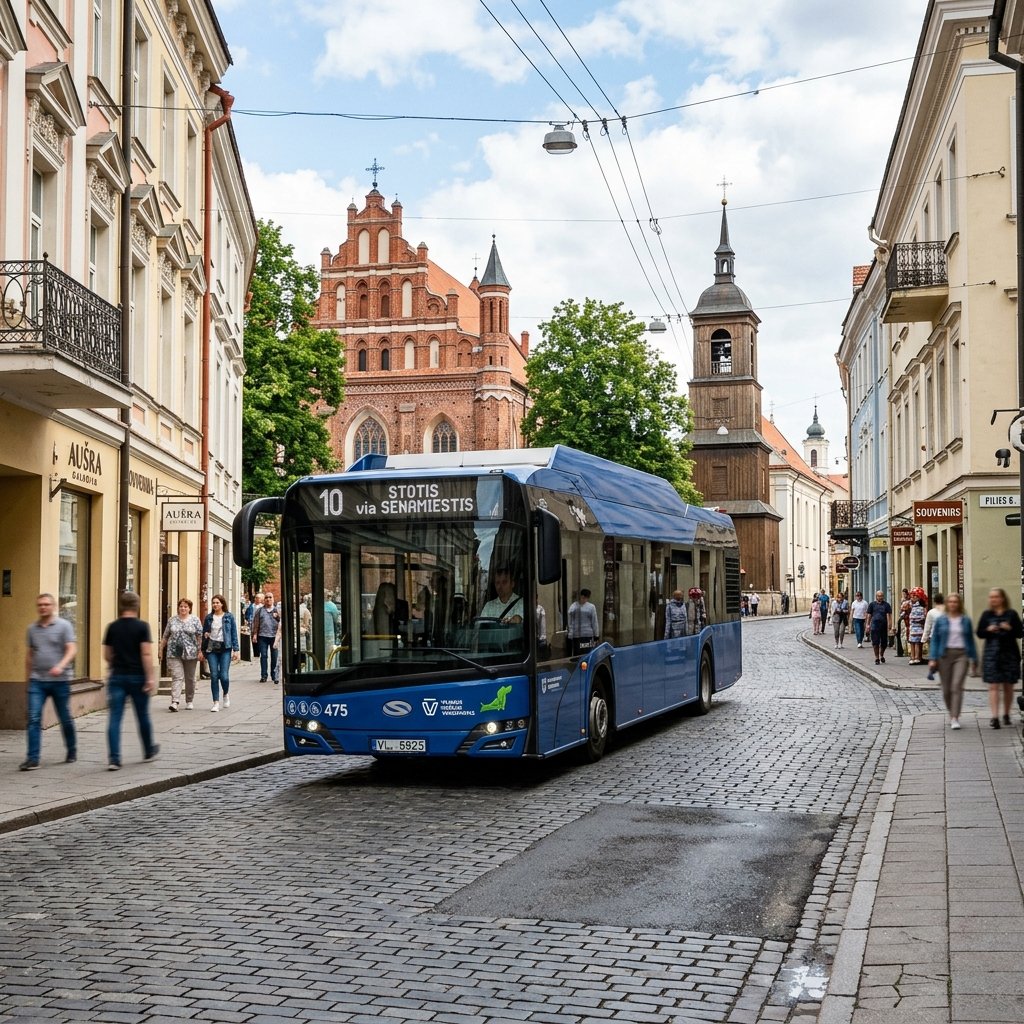
Vilnius has an extensive public transport network of buses and trolleybuses. However, visitors must be careful about how they pay, as the city is trying to phase out physical ticketing.
Public transport in Vilnius is highly digitalized and cheap if you buy tickets via mobile apps, but buying paper tickets directly from the driver requires cash and is significantly more expensive. A single-ride paper ticket purchased from the bus driver costs 1.00 EUR and must be paid in cash (exact change is preferred). In contrast, buying a 30-minute digital ticket via the official mobile app or a Vilniečio kortelė card costs only 0.65 EUR (or 0.90 EUR for a 60-minute ticket) and allows free transfers. According to traveler discussions on Reddit, bus drivers in Vilnius will occasionally refuse to sell tickets if you hand them large bills (like €10 or €20) because they carry limited change, so it is highly recommended to set up your digital ticket before boarding. You can verify official ticketing rules and fares on the Official Lithuania Tourism Portal.
2. Trafi: The Route Planner Champion
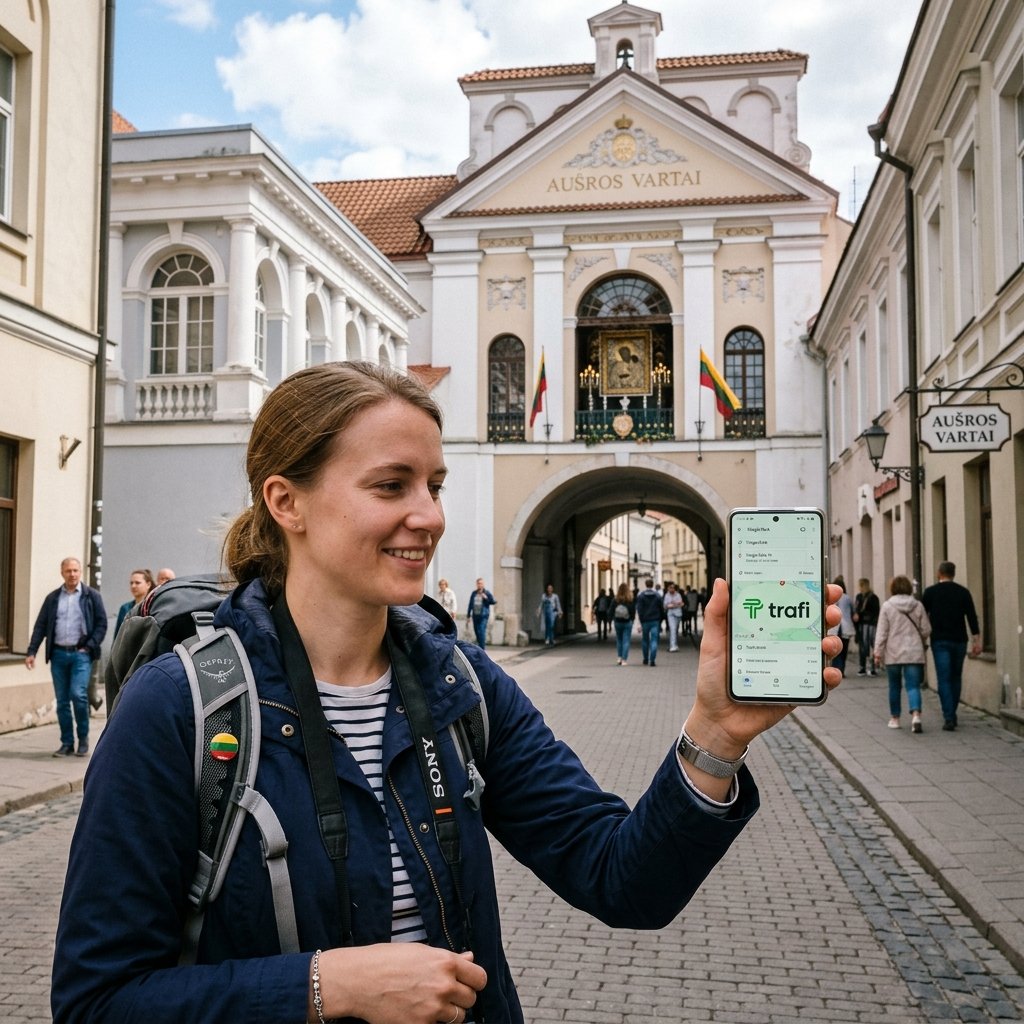
While the transit system is affordable, finding the right bus or trolleybus connection through Vilnius’s medieval Old Town and expanding modern districts can be confusing. Do not rely on standard international mapping tools, which often fail to account for real-time traffic delays.
The Trafi app is the most reliable and widely used application for planning public transit routes and buying mobile tickets in Vilnius. Trafi provides real-time tracking and route planning for over 70 bus and trolleybus routes in the capital, making it far more accurate than international mapping platforms. It is the official route-planning partner of the Vilnius municipality, ensuring all timetable changes and road closures are updated immediately. You can access real-time route planning and app features on the Official Trafi Portal.
3. Cashless Baltic Infrastructure vs. Open Markets
Lithuania has one of the most advanced digital banking systems in Europe. You can easily travel around the country using contactless cards, smartphones, or smartwatches.
Lithuania is a highly cashless economy where cards and mobile wallets are accepted everywhere, but physical cash is still necessary for outdoor markets and public restrooms. Contactless payments are standard even in small coffee shops, but luggage lockers or public restrooms in tourist areas cost 0.50 EUR and accept only coins. Local bank ATMs do not charge extra fees for domestic cards, but foreign cardholders are charged between 2.00 EUR and 4.00 EUR per transaction. Always choose to pay in local currency (EUR) at checkout terminals to avoid paying high exchange rate markups. You can read more about currency and banking tips on the Official Lithuania Tourism Portal.

4. Cepelinai Etiquette: Fork, Sour Cream, and Empty Plates
You cannot visit Lithuania without trying Cepelinai—large, zeppelin-shaped potato dumplings stuffed with meat, curd, or mushrooms. However, using the wrong utensils to eat this national dish is a common tourist mistake.
Traditional Lithuanian potato dumplings (Cepelinai) are soft and should be eaten using only a fork, as using a knife is considered unnecessary and improper. A typical serving of Cepelinai at a local tavern costs 5.00 EUR to 8.00 EUR for a portion of two large dumplings, served hot with sour cream (grietinė) and crispy bacon cracklings (spirgučiai). Using a knife to cut them is seen as a sign that the potatoes are too tough. It is customary to cut them using the side of your fork and mix the potato dough with the cream and bacon. You can explore local food guides on the Official Lithuania Tourism Portal.

5. The ETIAS Entry Waiver & Schengen Rules
Lithuania shares borders with Latvia, Poland, and Belarus, making it a great starting point for Baltic road trips. However, non-EU travelers must keep upcoming border controls in mind.
Non-EU travelers will require an ETIAS visa waiver to enter Lithuania starting in 2026, and must respect the 90-day Schengen Zone limit. The upcoming ETIAS application fee is 7.00 EUR for travelers aged 18 to 70 and is valid for three years of multiple entries. While land borders between Lithuania and its EU neighbors are open under the Schengen Agreement, stays are limited to 90 days within any 180-day period across the entire Schengen Zone. Overstaying this limit results in administrative fines and potential entry bans. You can check official European border rules and entry requirements on the Official Lithuania Tourism Portal.

Stay Connected as You Explore
From checking bus routes on Trafi to translating menus, a reliable mobile internet connection is essential for exploring Lithuania. Relying on public Wi-Fi is unsafe, and international roaming fees from your home carrier can accumulate quickly.
The smartest and most secure option is to install a high-speed travel eSIM from TravelyData before you depart. With a premium Lithuania travel eSIM, your phone will connect automatically to local networks the moment you land. Stay connected, navigate safely, and enjoy a seamless adventure in Lithuania!
Frequently Asked Questions (FAQ)
How do I pay for public transport in Vilnius?
The cheapest way is using the m.Ticket or Trafi app. Buying paper tickets from the driver costs €1.00 and requires cash.
Do I need cash in Lithuania?
Almost all shops accept cards, but you should carry small Euro coins for public restrooms and outdoor markets.
What is the national dish of Lithuania?
Cepelinai (potato dumplings stuffed with meat or cheese, served with sour cream and bacon) is the national dish.