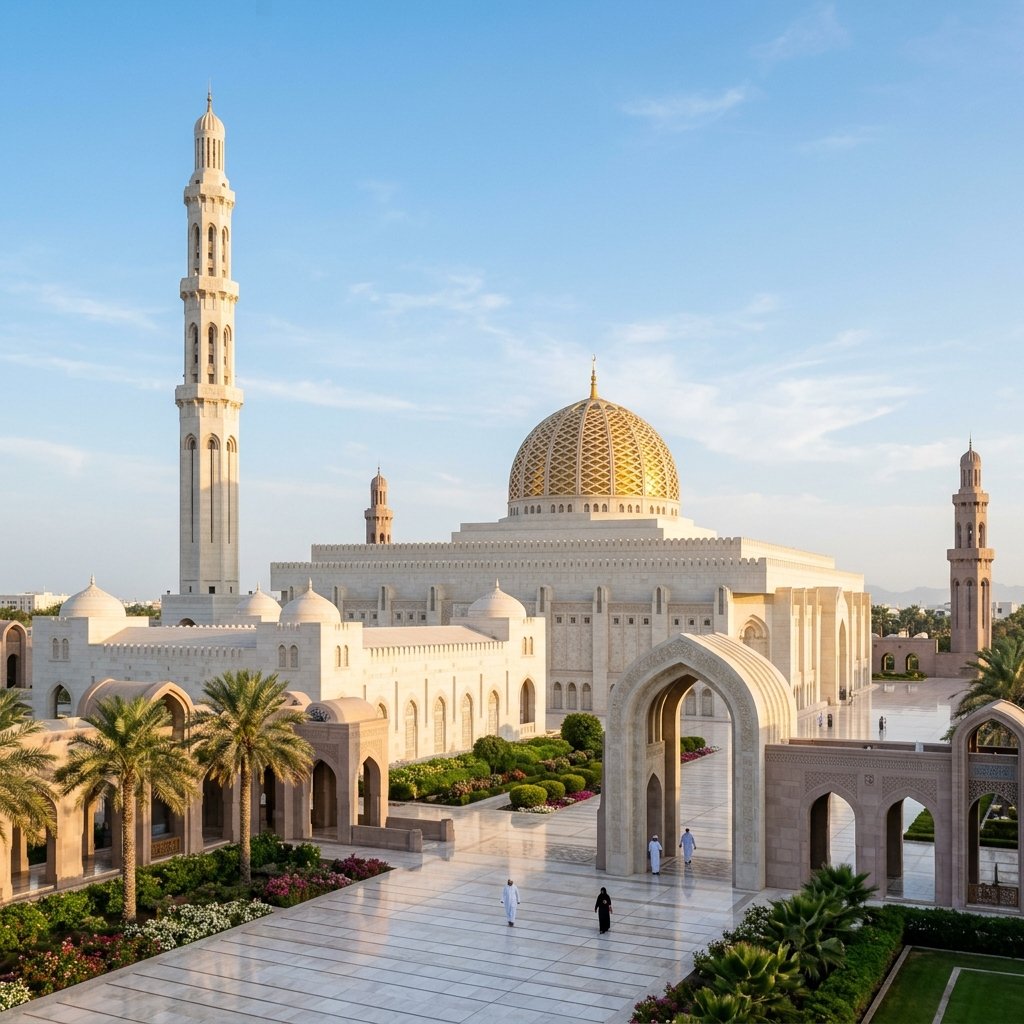
Driving through Muscat at sunset as the golden light reflects off the marble exterior of the Sultan Qaboos Grand Mosque is an unforgettable Arabian experience. However, navigating Oman as an international traveler comes with unique local traffic laws, communications restrictions, and payment realities that catch many tourists unprepared.
Quick Answer: Essential Travel Rules & Connectivity in Oman (2026 Guidelines)
Driving a dirty car on public roads in Oman incurs a strict 10 OMR spot fine from Royal Oman Police, so wash rental cars before returning to Muscat (MCT) airport. Furthermore, Oman restricts local WhatsApp VoIP calling; using an international roaming eSIM automatically bypasses VoIP blocks while avoiding 12 OMR airport taxi tariffs by using the Otaxi app at Departures.
Oman Mobile Network Comparison (2026)
| Carrier / Option | Urban 4G/5G (Muscat/Salalah) | Desert & Mountain Coverage | VoIP Calling & Biometric Status |
|---|---|---|---|
| Omantel | Excellent 5G in Muscat | Best Coverage in Wahiba Sands & Jebel Akhdar | Passport Required; WhatsApp Calls Restricted |
| Ooredoo Oman | Strong Speeds in Cities | Good Highway Coverage | Passport Required; WhatsApp Calls Restricted |
| Vodafone Oman | High-Speed Urban 5G | Limited Highway Coverage | Passport Registration Mandatory |
| TravelyData eSIM | Instant Multi-Carrier (Omantel/Ooredoo) | Seamless Desert & Highway Roaming | Unblocks WhatsApp Calls; 0 Passport Registration |
Muscat Airport (MCT) Transit & Fare Options
| Transport Option | Estimated Cost (OMR) | USD Equivalent | Pickup Location / Key Tip |
|---|---|---|---|
| Official Airport Taxi (Arrivals) | 12 – 15 OMR | $31.00 – $39.00 USD | Fixed airport surcharge applied. Expensive. |
| Otaxi App (Departures Pickup) | 4 – 6 OMR | $10.00 – $15.00 USD | Book via Otaxi app; meet at Departures drop-off level. |
| Mwasalat Public Bus (Line 1 / Line 8) | 0.500 – 1.000 OMR | $1.30 – $2.60 USD | Departs every 30 mins outside main MCT terminal. |
Royal Oman Police Traffic Laws: The 10-Rial Dirty Car Fine and Rental Return Protocols
Driving a dirty or dusty vehicle in Oman is illegal under Royal Oman Police (ROP) traffic regulations and results in an immediate 10 OMR spot fine. Oman takes pride in public cleanliness, and ROP traffic officers actively issue citations to unwashed cars traveling through Muscat, Nizwa, or along coastal highways. If you rent a 4×4 for off-road excursions in Wahiba Sands or Jebel Shams, your car will collect heavy desert dust.
Before returning your rental vehicle to Muscat International Airport (MCT) or driving back into major city centers, stop at a local manual car wash (known locally as Ghasel Sayarat). For 1 to 2 OMR ($2.60–$5.20 USD), workers will wash and dry the exterior in 10 minutes. Keeping the wash receipt in your glovebox serves as proof of compliance if stopped at an ROP checkpoint.
If your Middle Eastern itinerary includes layovers or regional flights through Dubai or Pakistan, consult our Dubai Airport DXB Transit Alert and Pakistan DIRBS & Transit Survival Guide.
Bypassing WhatsApp VoIP Restrictions: Mobile Data Choices Across Omantel and Ooredoo
International roaming eSIMs automatically bypass Oman’s strict local VoIP restrictions, enabling seamless WhatsApp and FaceTime calls without a VPN. Oman’s telecommunications authority restricts unapproved internet calling services on local Wi-Fi networks and local physical SIM cards purchased at the airport. Travelers using local SIMs often discover that WhatsApp voice and video calls fail to connect.
Because TravelyData eSIMs route mobile data through international roaming gateways, your internet traffic is treated as international data traffic. This allows unblocked, high-definition WhatsApp calling back home. Furthermore, physical SIM card purchases at Muscat Airport require passport scans and registration queues.
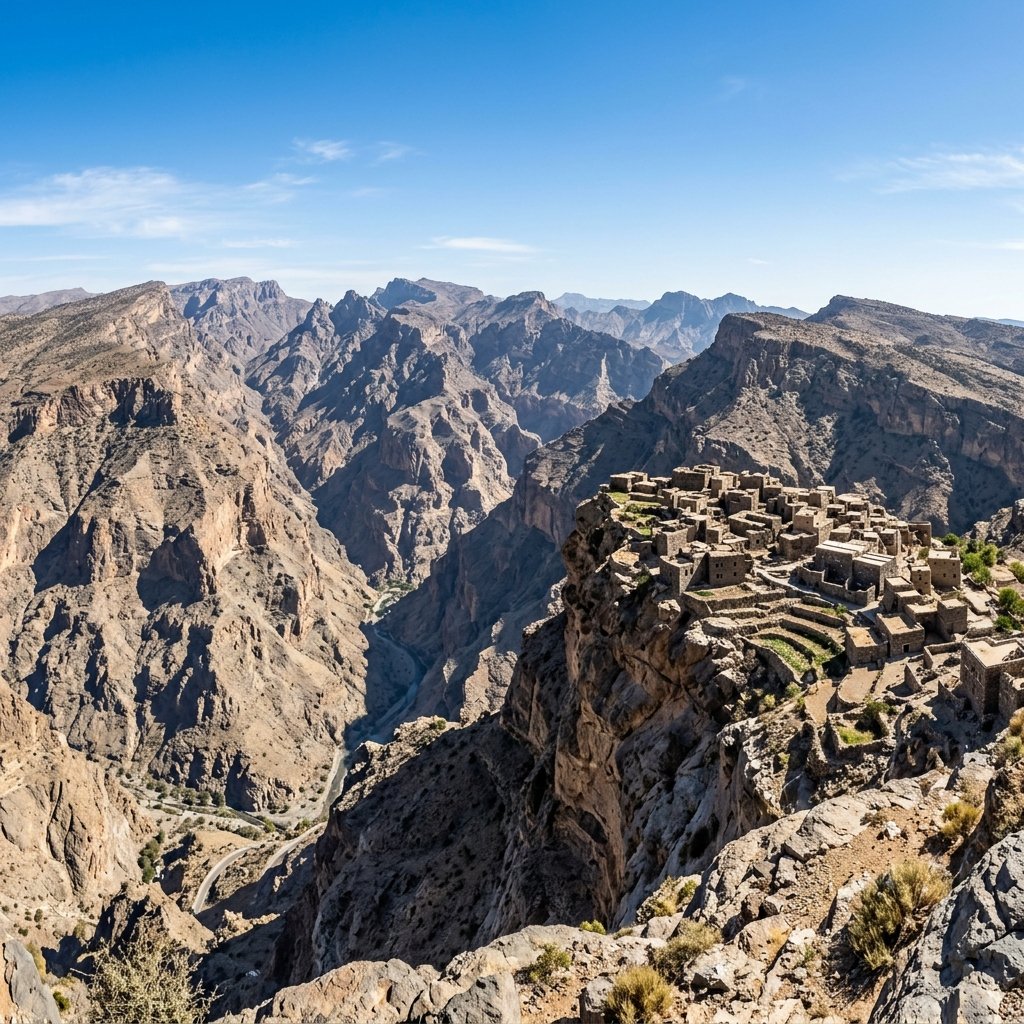
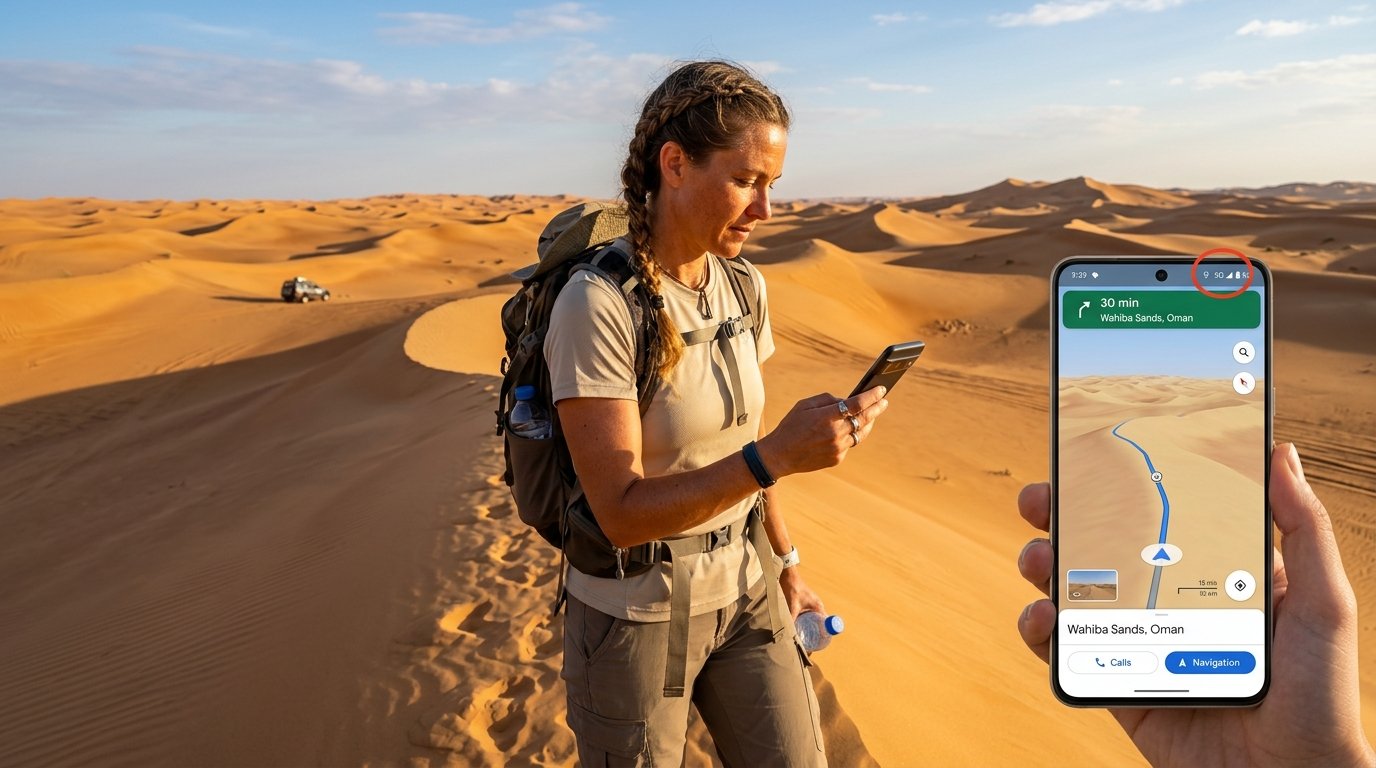
Regarding network coverage, Omantel offers the most reliable signals when exploring remote desert dunes in Wahiba Sands or mountain passes in Jebel Akhdar, while Ooredoo Oman provides fast 5G speeds across Muscat, Sohar, and Salalah.
For broader regional travel across South Asia and the Himalayas, check our guide on Nepal Trekking Regulations and India Border Transit Safety.
Muscat Airport Transit Hacks: Otaxi App vs Traditional Airport Surcharges
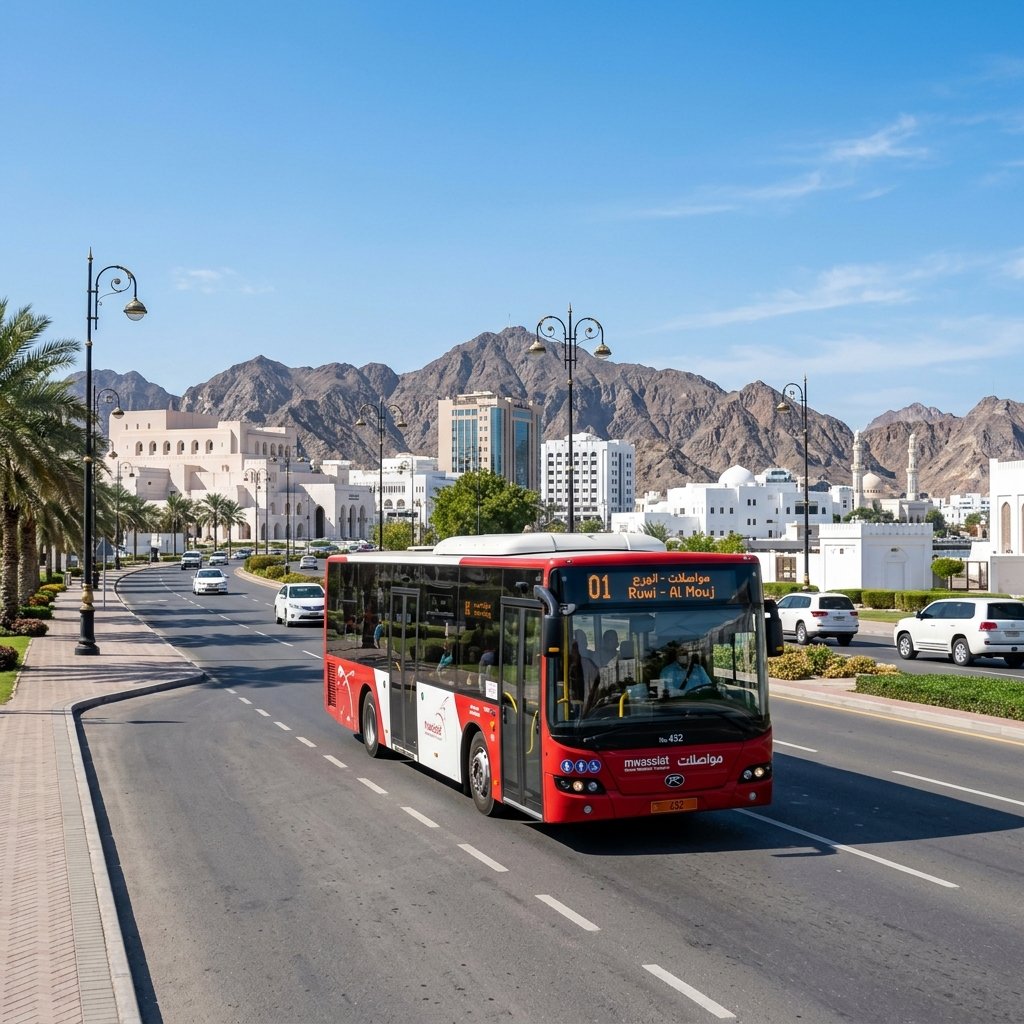
Travelers landing at Muscat International Airport (MCT) can reduce taxi fares by over 60% using the local Otaxi app instead of traditional airport taxis. Official airport taxis lined up directly outside the arrivals hall operate on fixed airport tariffs, charging 12 to 15 OMR ($31–$39 USD) for rides into downtown Muscat or Muttrah.
Global ride-hailing apps like Uber do not operate in Oman. Instead, download the local Otaxi app. To avoid airport pickup surcharges, request your ride on Otaxi and walk up to the Departures (Salidas / Upper Level) drop-off ramp to meet your driver. Fares to Muttrah or Ruwi typically drop to 4–6 OMR ($10–$15 USD).
Alternatively, the public Mwasalat bus network operates clean, air-conditioned coaches (Line 1 to Ruwi and Line 8 to Al Khuwair) directly from the airport bus stop for 0.500 to 1.000 OMR ($1.30–$2.60 USD).
Cash-Only Souqs & Currency Division: Navigating Baisa Notes and Omani Hospitality
Traditional markets in Oman operate strictly on physical cash, where 1 Omani Rial (OMR) is divided into 1,000 baisa. While credit cards are widely accepted at modern hotels, gas stations, and hypermarkets (like Lulu or Carrefour), historic bazaars such as Muttrah Souq in Muscat and Nizwa Fort Souq require cash in local currency.
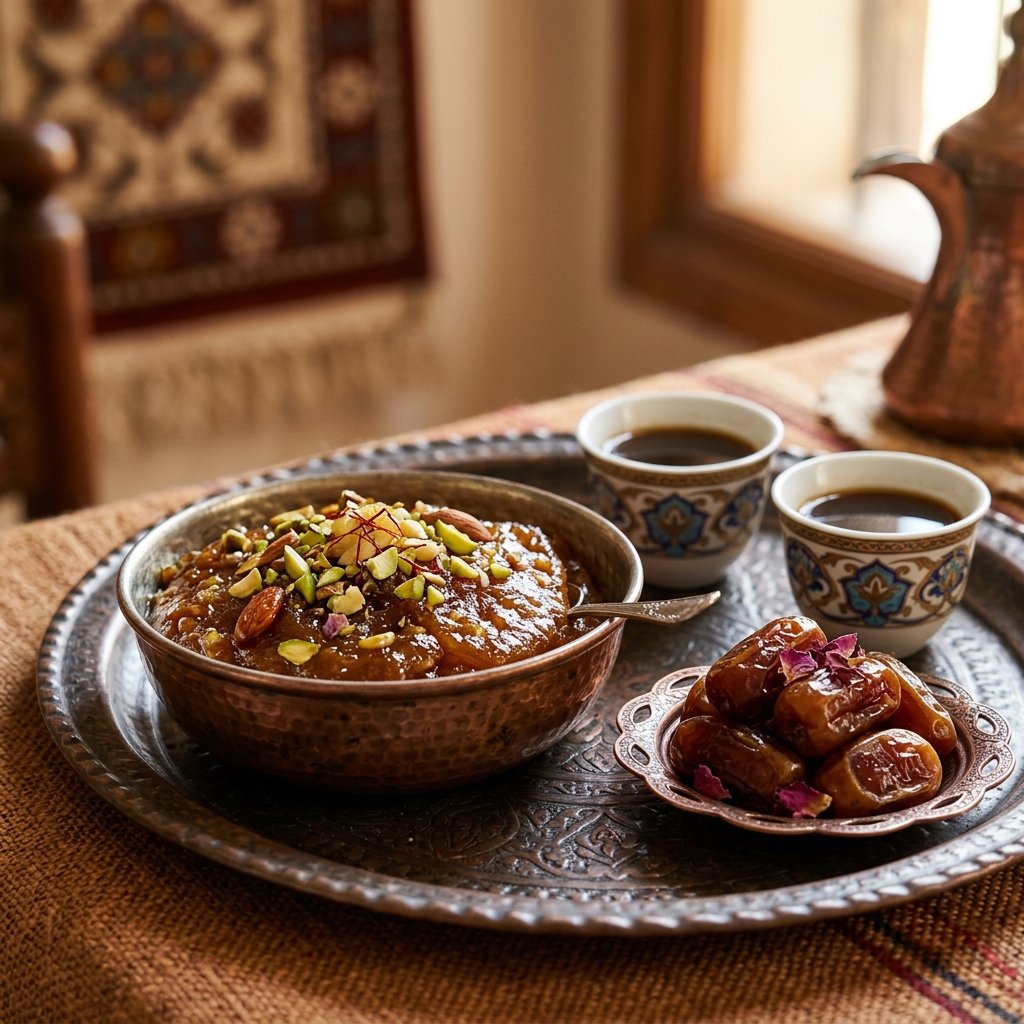
Unlike most world currencies divided into 100 sub-units, the Omani Rial uses a 1,000-baisa system. Banknotes come in 100-baisa, 500-baisa, 1-rial, 5-rial, and 10-rial denominations. When purchasing silver jewelry, frankincense (Luban), or traditional halwa sweets, carrying smaller OMR notes ensures easy transactions.
Omani hospitality (known as Karam) is deeply rooted in local culture. Hosts will frequently offer fresh dates and cardamom-infused Omani coffee (Kahwa). Accepting with your right hand is a sign of respect. For official travel rules, visit the Experience Oman Official Tourism Portal.
💬 What the Travel Community Says (Updated 2026 Insights)
“Don’t take the taxi right outside Muscat airport arrivals—they charge 14 OMR for a 15-minute ride. I used Otaxi at the departure level and paid 5 OMR. Also, get an eSIM before landing; local Wi-Fi blocked my WhatsApp video calls home, but the TravelyData eSIM worked perfectly across Wahiba Sands.” — r/travel community report
Frequently Asked Questions About Traveling in Oman
Can you make WhatsApp calls in Oman?
WhatsApp VoIP calls are restricted on local Omani Wi-Fi and physical SIMs. Using a TravelyData roaming eSIM bypasses VoIP restrictions, allowing normal WhatsApp voice and video calls without needing a VPN.
Is there a fine for driving a dirty car in Oman?
Yes. Royal Oman Police (ROP) issue spot fines of 10 OMR (~$26 USD) for driving dirty or muddy vehicles on public roads. Always wash 4×4 rental cars before returning them to Muscat airport.
Is Uber available in Muscat, Oman?
Uber does not operate in Oman. Travelers should download the local Otaxi app or use Mwasalat public buses for convenient, affordable rides.
Which mobile network has the best coverage in Oman desert areas?
Omantel offers the best coverage in desert and mountain regions like Wahiba Sands and Jebel Akhdar. TravelyData eSIM automatically roams on Omantel and Ooredoo networks.
 Oman eSim