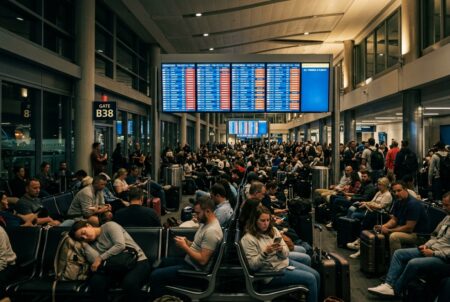
Stepping out of the arrivals terminal at Islamabad International Airport (ISB) after midnight is a sensory awakening. The night air carries the rich aroma of spiced chai and cardamom, accompanied by a chorus of uniformed porters and taxi drivers calling out destinations from Rawalpindi to Peshawar. But amidst the vibrant chaos, international travelers face two immediate digital hurdles: a fierce airport taxi cartel and Pakistan’s strict telecom regulations that can lock foreign phones entirely.
Quick Answer: How to Stay Connected & Navigate Transit in Pakistan (2026 Guidelines)
To bypass Pakistan’s PTA DIRBS mobile tax and IMEI blocking, foreign travelers should use an international roaming eSIM. Physical SIM cards bought at airports trigger a 60-day DIRBS registration timer requiring heavy customs taxes and biometric fingerprint verification. For transit, skip airport arrival taxi hawkers charging 4,000 PKR; use Careem, Yango, or Indrive at the Departures drop-off level for 1,200 PKR.
Pakistan Mobile Carrier Comparison (2026)
| Carrier / Option | Urban 4G/5G Coverage | Northern Areas (Hunza/Skardu) | DIRBS Tax & Biometric Requirements |
|---|---|---|---|
| Jazz 4G | Excellent (Lahore, ISB, Karachi) | Limited / No Signal in High Valleys | Passport & Biometric Mandatory; 60-Day DIRBS Lock |
| Zong 4G | Strong Speeds in Major Cities | Highway Coverage Only | Passport & Biometric Mandatory; DIRBS Registration Needed |
| SCOM (Gilgit-Baltistan) | N/A (Northern Regional) | Exclusive Coverage in Hunza & Skardu | Requires Local Purchase in Gilgit/Skardu |
| TravelyData eSIM | Instant Multi-Carrier (Jazz/Zong) | Automatic Northern Roaming Profile | 100% DIRBS Tax Exempt; 0 Biometric Hassle |
Airport Transfer Options & Estimated Fares
| Transport Mode | Estimated Cost (PKR) | USD Equivalent | Pickup Location / Key Tip |
|---|---|---|---|
| Arrivals Hall Taxi Hawkers | 3,500 – 5,000 PKR | $13.00 – $18.00 USD | Avoid. Highly inflated prices for tourists. |
| Careem / Yango / Indrive | 1,200 – 1,800 PKR | $4.50 – $6.50 USD | Meet driver at Departures (Upper Salidas level). |
| Metrobus (Islamabad Orange Line) | 90 PKR | $0.32 USD | Available 06:00 to 22:00 outside ISB main terminal. |
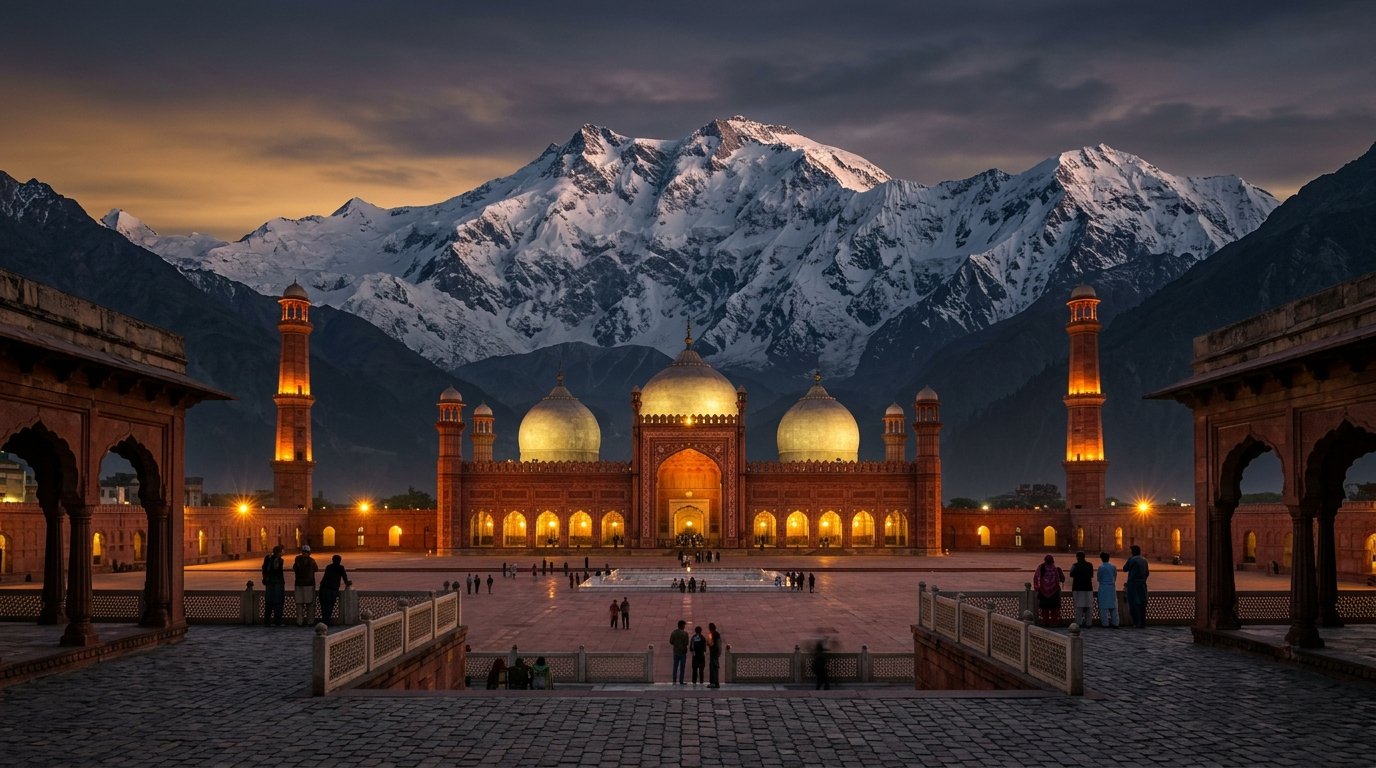
Touchdown in Islamabad & Lahore: Navigating DIRBS Regulations and Airport Ride-Hailing
Foreign visitors in Pakistan can avoid device blocking and unexpected IMEI taxes by utilizing an international roaming eSIM rather than local physical SIM cards. PTA’s DIRBS regulatory system registers every IMEI entering Pakistani networks. While physical local SIMs trigger a mandatory 60-day tax clock and biometric fingerprint scans at official stores, roaming eSIM profiles are legally exempt from DIRBS registration.
When arriving at major hubs like Islamabad International Airport (ISB), Allama Iqbal International Airport in Lahore (LHE), or Jinnah International Airport in Karachi (KHI), navigating ground transit requires smart app usage. Note that Uber officially exited Pakistan and merged operations with Careem. Today, Careem, Yango, and Indrive are the primary ride-hailing applications.
Yellow and black airport taxis stationed outside the arrivals hall often demand fixed rates exceeding 4,000 PKR ($15 USD) for rides into downtown Islamabad or Gulberg in Lahore. To secure standard rates, use airport Wi-Fi or your mobile data to request a ride on Careem or Indrive. Message your driver to meet at the Departures (Salidas / Upper Level) drop-off ramp, where ride-hailing vehicles can stop without incurring arrival parking penalties. Fares typically range between 1,200 and 1,800 PKR ($4.50–$6.50 USD).
For travelers planning multi-country Asian journeys, connecting through major regional transit gateways like Dubai or Doha is common. Check our Dubai Airport DXB Transit Guide if your flight itinerary includes Middle Eastern layovers.
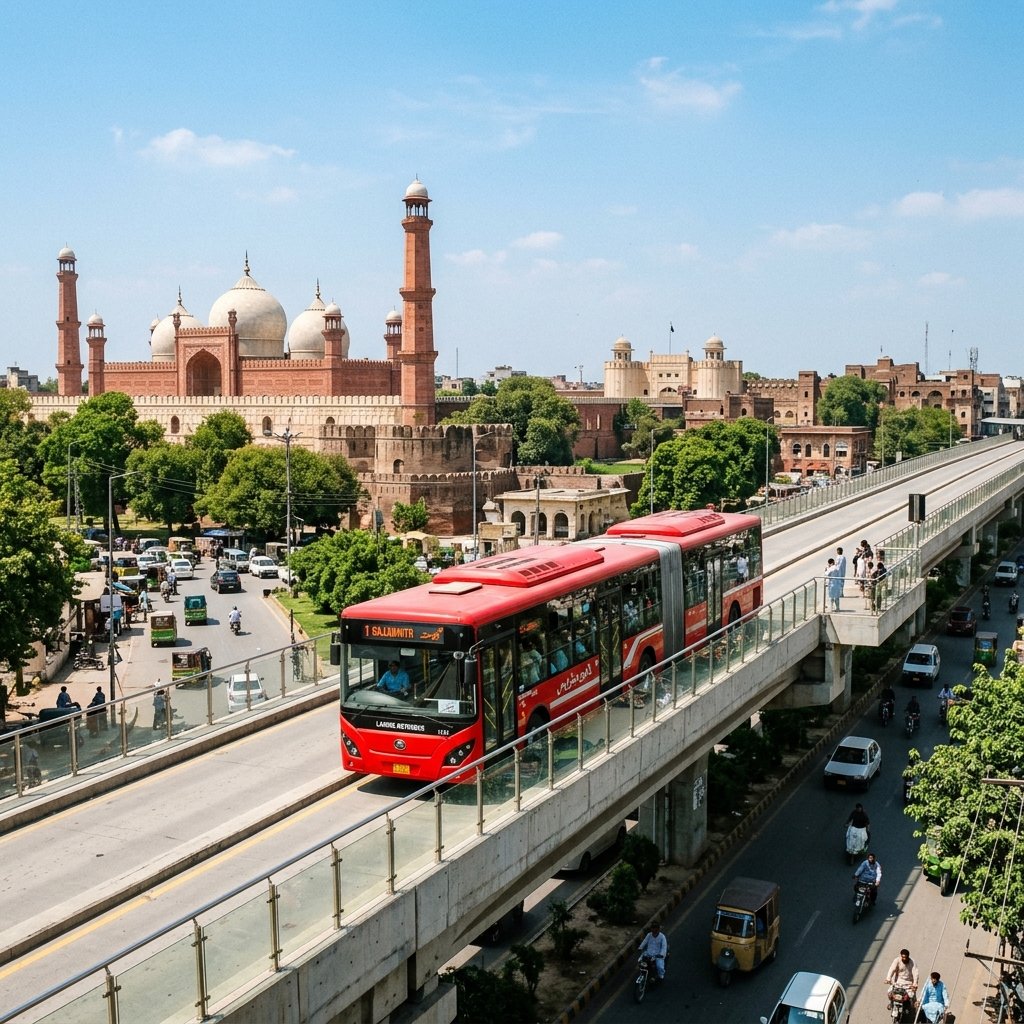
The Mountain Data Connection: Switching to SCOM in Gilgit-Baltistan and Hunza Valley
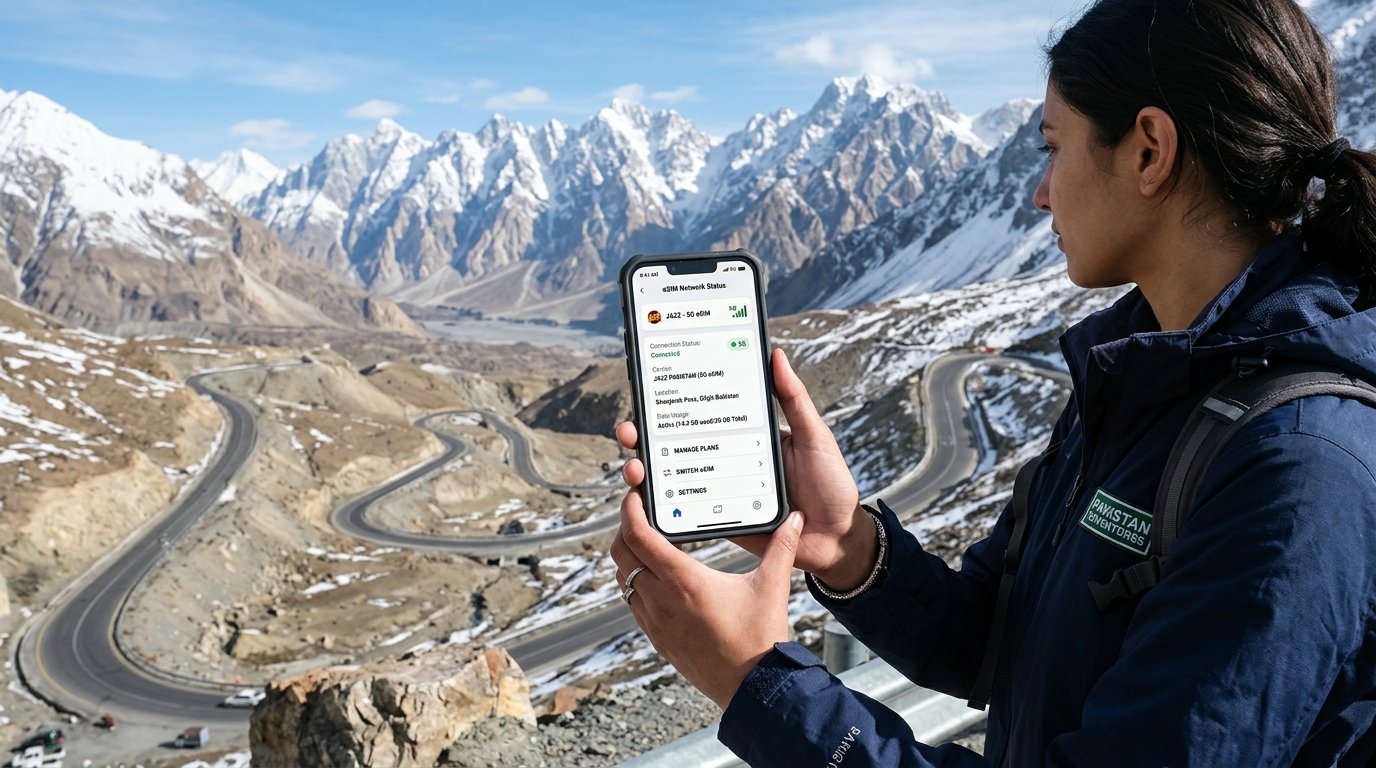
Travelers heading to the northern mountains of Gilgit-Baltistan must prepare for regional telecom shifts where nationwide carriers lose coverage to SCOM. In urban centers like Lahore, Rawalpindi, and Karachi, Jazz and Zong 4G dominate data speeds. However, once you travel past Besham along the Karakoram Highway toward Chilas, Hunza, Skardu, and Fairy Meadows, national signals drop significantly.
The Special Communications Organization (SCOM) operates the primary telecommunications infrastructure in Azad Jammu & Kashmir (AJK) and Gilgit-Baltistan. Physical SCOM SIM cards are sold locally in Gilgit and Skardu bazaars, but purchasing one requires presenting your passport and waiting for regional clearance. A TravelyData eSIM automatically switches between urban partners and northern roaming networks, ensuring continuous data access for GPS navigation and weather updates while trekking near Nanga Parbat or Attabad Lake.
If your South Asian itinerary extends to neighboring Himalayan destinations, review our comprehensive Nepal Trekking Permits & Laws Guide and India Border Transit Security Advisory for cross-border insights.
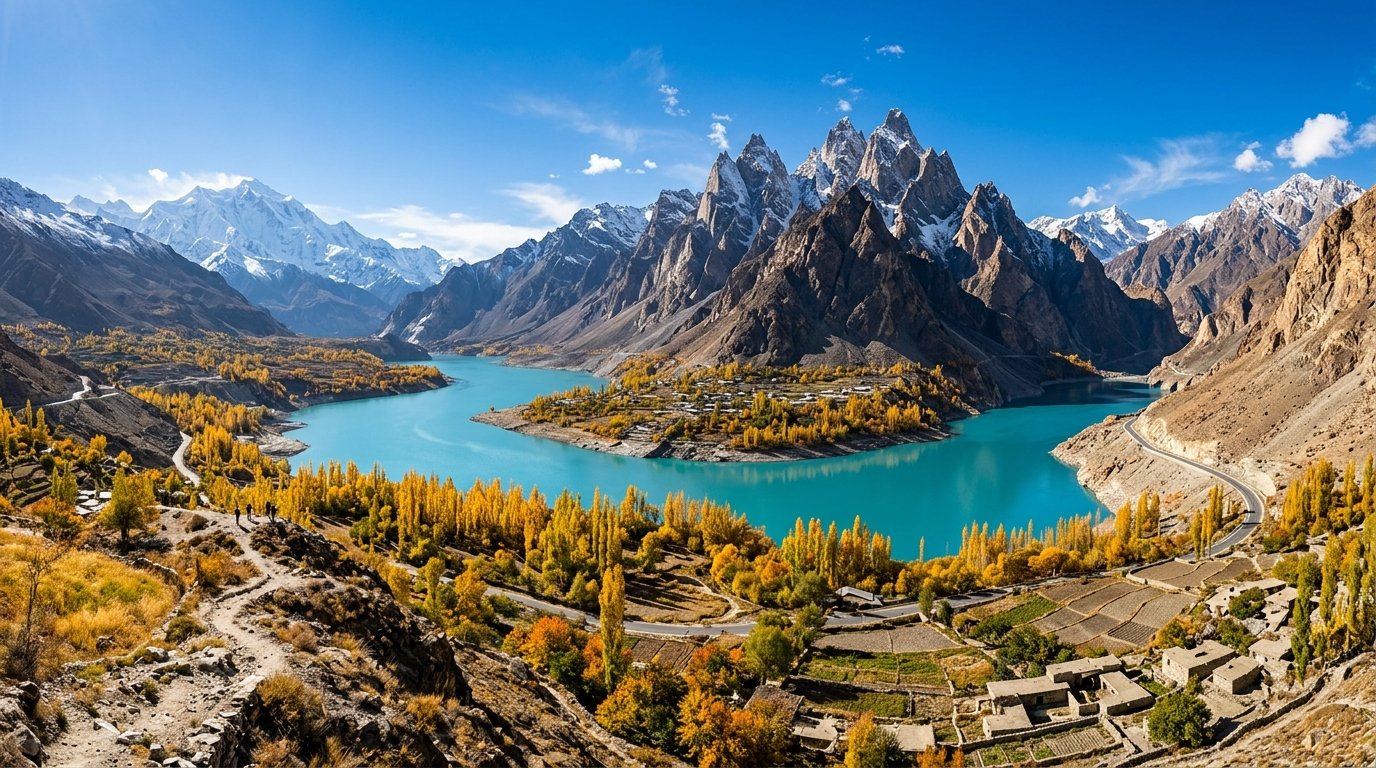
Cash vs Card Reality: 1-Link ATM Fees, Raast Digital Payments, and Market Etiquette
Pakistan operates primarily on a cash economy for daily travel expenses, with digital payment systems like Raast restricted to local ID holders. While high-end hotels, restaurants in Islamabad’s F-6/F-7 sectors, and modern malls accept international Visa and Mastercard payments, local dhabas, roadside fruit stalls, bazaar vendors, and mountain jeep drivers accept Pakistani Rupees (PKR) cash exclusively.
Local P2P digital wallets such as Raast, Nayapay, and Sadapay require a Pakistani CNIC (National ID Card) to open, leaving foreign tourists reliant on physical cash. When withdrawing PKR from ATMs, use major bank machines affiliated with the 1-Link network (such as HBL, Meezan Bank, or Standard Chartered). Note that 1-Link ATMs impose a local transaction fee of 50 to 100 PKR per withdrawal in addition to your home bank’s foreign exchange conversion rates.
Furthermore, ATMs in smaller towns like Aliabad or Karimabad frequently run out of cash during long weekends or religious festivals (such as Eid). Always carry sufficient PKR cash reserves in smaller denominations (100, 500, and 1,000 PKR notes) before venturing into rural regions. For official tourism updates, consult the Pakistan Tourism Development Portal.
Cultural Respect & Checkpoint Protocols: Navigating NOCs and Local Etiquette
Navigating security checkpoints in Pakistan requires carrying physical passport copies and understanding regional Non-Objection Certificate (NOC) requirements. While major tourist routes like the Karakoram Highway from Islamabad to Khunjerab Pass are open to foreign tourists, certain border areas and remote valleys (such as parts of Khyber Pakhtunkhwa or Balochistan) require security NOC clearance from local authorities.
At military and police checkpoints along high-altitude routes, security personnel will check foreign passports and log entry details. Keeping 10 to 15 printed passport and visa copies in your daypack significantly speeds up checkpoint processing.
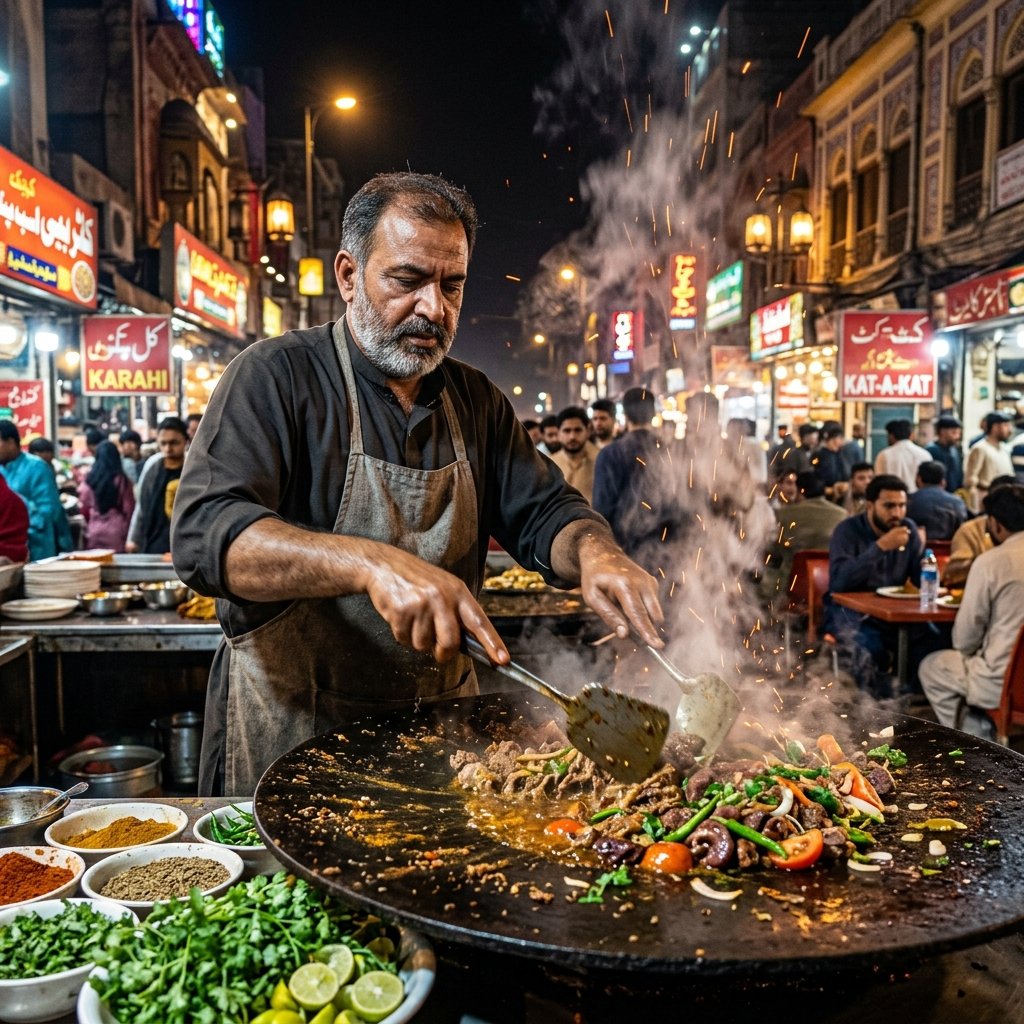
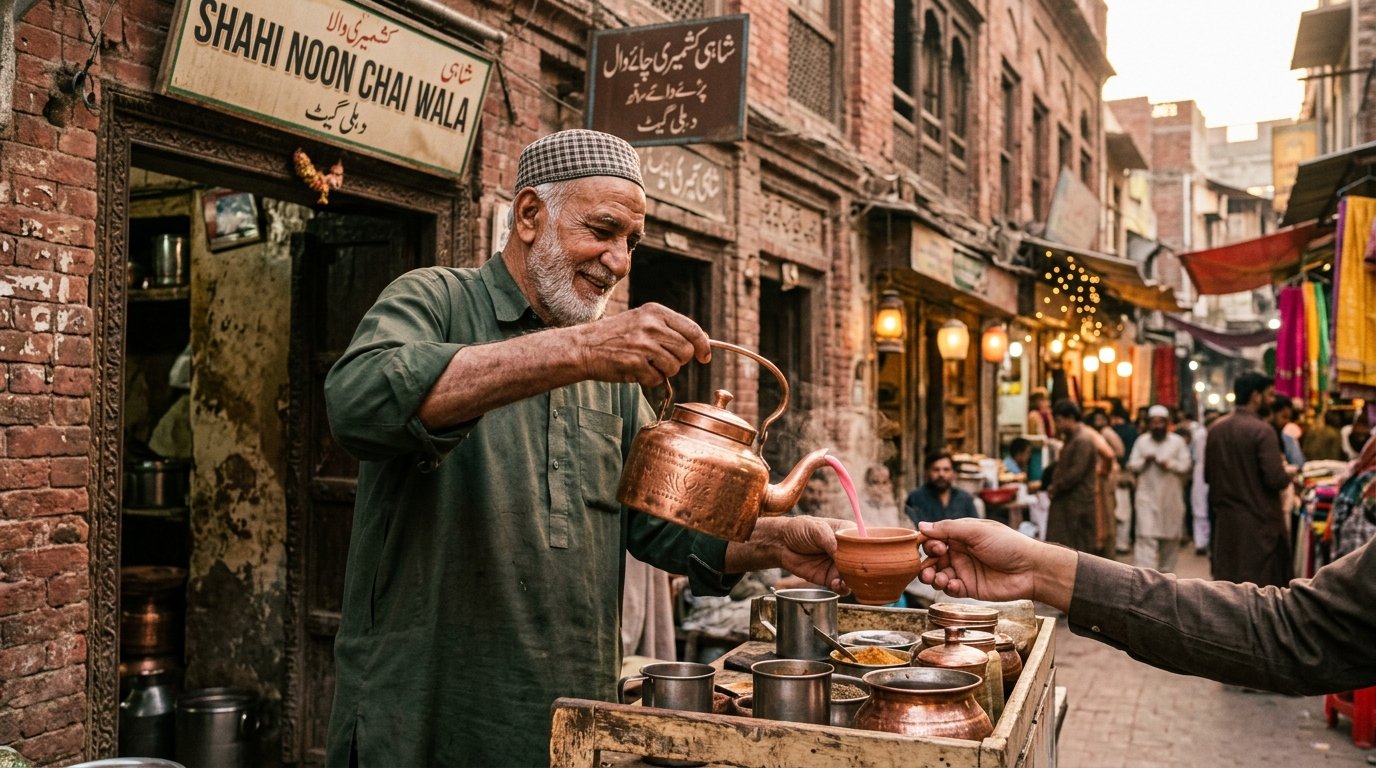
Hospitality in Pakistan (known as Mehman-nawazi) is legendary. It is common for shopkeepers or tea vendors to refuse payment from foreign guests. While accepting a cup of chai is culturally polite, insisting on paying or offering a respectful tip (Bakhsheesh) is appreciated. When visiting religious sites like Badshahi Mosque in Lahore or Shah Faisal Mosque in Islamabad, ensure modest dress covering shoulders and knees, and remove footwear before entry.
If your travels cross into the Middle East, read our guide on Oman Cash-Only Souqs and Travel Rules.
💬 What the Travel Community Says (Updated 2026 Insights)
“Don’t buy a local physical SIM at Islamabad airport unless you want to spend an hour scanning your fingerprints. The PTA DIRBS tax kicked in on my friend’s phone after a month. I used a TravelyData eSIM during my 3-week trip to Hunza and Lahore—data worked right off the plane with zero registration issues.” — r/travel community report
Frequently Asked Questions About Traveling in Pakistan
Do tourists need to register their phone with PTA DIRBS in Pakistan?
If you insert a local physical SIM card (Jazz, Zong, Telenor), your phone IMEI is registered with PTA DIRBS. Foreign phones used beyond 60 days are blocked unless customs tax is paid. International roaming eSIMs are exempt from DIRBS registration.
Is Uber available in Pakistan?
No, Uber merged its Pakistan operations with Careem. Travelers should download Careem, Yango, or Indrive for ride-hailing in cities like Islamabad, Lahore, and Karachi.
Does data work in Hunza Valley and Skardu?
SCOM is the primary operator in Gilgit-Baltistan. Urban carriers like Jazz drop signal in remote valleys. TravelyData eSIM automatically roams on multi-carrier profiles to maintain connectivity in northern mountain routes.
Are credit cards widely accepted in Pakistan?
Credit cards are accepted at major hotels, high-end restaurants, and supermarkets in big cities. Bazaars, street food stalls, taxis, and mountain transport require cash in Pakistani Rupees (PKR).
 Pakistan eSim